
Navigating official procedures can often feel complex, especially when establishing a new life, managing a business, or simply handling personal affairs in a new state. For those embracing the vibrant lifestyle of Florida, understanding the notarization process is a crucial step in ensuring the validity and legality of numerous essential documents. Whether you’re purchasing property, setting up a new business, executing estate planning, or simply need to verify a signature, knowing how to properly notarize a document in the Sunshine State can save time, prevent complications, and provide peace of mind. Notarization acts as a vital layer of fraud deterrence, confirming the identity of signatories and ensuring they are signing documents willingly and knowingly. It’s an indispensable administrative step that underpins many legal and financial transactions, making it an essential aspect of responsible living and working in Florida.
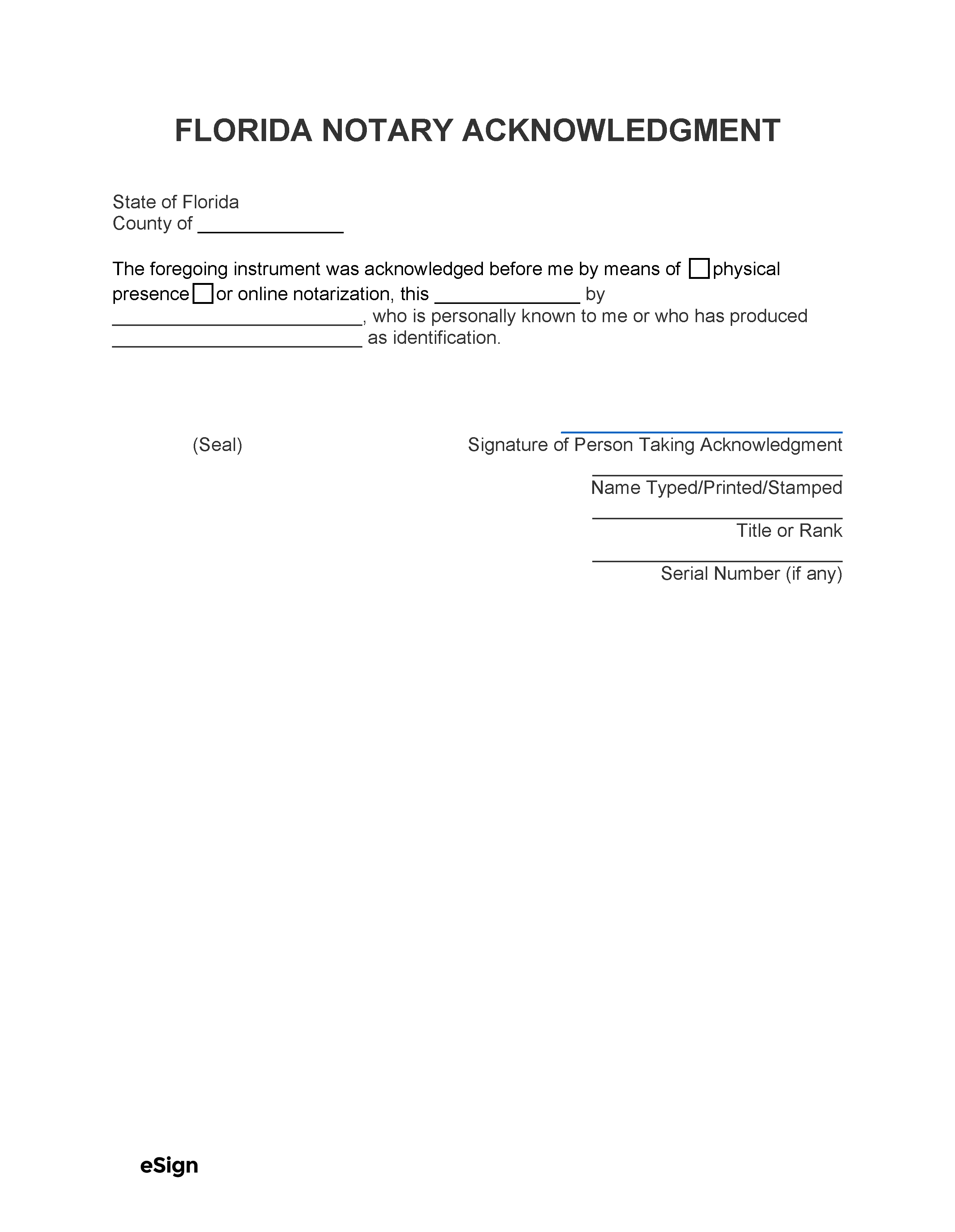
The Essential Role of Notarization in Florida Life
Notarization in Florida is more than just an official stamp; it’s a legal formality designed to protect parties from fraud and ensure the integrity of signed documents. A notary public acts as an impartial witness to the signing of important documents and verifies the identity of the signers, confirming their willingness to sign, and their awareness of the contents of the document. This process is critical for a wide array of personal and business transactions that shape one’s lifestyle in Florida.
What Notarization Entails
At its core, notarization involves three key elements:
- Identification Verification: The notary must confirm the identity of the signer(s) using acceptable forms of identification. This is paramount to prevent identity theft and document fraud.
- Willingness to Sign: The notary must ensure that the signer is acting under their own free will, without coercion or duress.
- Awareness of Document Contents: While a notary does not offer legal advice, they must ensure the signer appears to understand the nature and content of the document they are signing.
- Execution of the Notarial Act: This typically involves the signer taking an oath or affirmation (for affidavits), or simply acknowledging their signature (for most other documents). The notary then completes the notarial certificate, applies their official seal, and records the transaction in their journal.
Why It Matters for Your Florida Lifestyle
From securing a dream home to managing personal finances, notarization is an unseen but powerful force. For new residents or those making significant life changes, understanding this process is non-negotiable.
- Real Estate Transactions: Buying or selling property, mortgages, deeds, and title transfers almost always require notarization to be legally binding.
- Business Ventures: Articles of incorporation, partnership agreements, and various contracts often need to be notarized, especially for entrepreneurs establishing a presence in Florida.
- Estate Planning: Documents like Last Wills and Testaments, Trusts, and Durable Powers of Attorney must often be notarized to ensure their validity and proper execution, securing your legacy and protecting your loved ones.
- Legal Documents: Affidavits, depositions, and other court-related papers frequently require notarization to be accepted as evidence.
- Personal Matters: Car titles, medical directives, and certain school forms might also require notarization.
By understanding these fundamentals, individuals can confidently navigate the administrative landscape, ensuring their important documents are legally sound and protected against potential disputes.
Navigating Your Notary Options in the Sunshine State
Florida offers several convenient ways to get documents notarized, catering to various needs and schedules. Choosing the right option depends on your specific situation, urgency, and willingness to embrace digital solutions. Each method comes with its own set of advantages, making notarization accessible whether you’re at home, in the office, or even remotely.
Traditional In-Person Notarization
This is the most common and historically recognized method. You physically meet with a notary public who witnesses your signature.
- Where to Find Them:
- Banks and Credit Unions: Many financial institutions, such as Bank of America or local credit unions, offer notary services to their customers, often for free or a small fee. It’s always best to call ahead to confirm availability.
- Shipping and Mail Centers: Stores like The UPS Store often have notaries on staff. These are usually walk-in services with a standard fee.
- Law Offices and Real Estate Agencies: Given the nature of their business, many legal and real estate professionals are notaries. While they primarily serve their clients, some might offer services to the public.
- Public Libraries and Universities: A growing number of these institutions are providing notary services as a community offering. Check their websites or call for details.
- County Clerk’s Office: Your local county clerk’s office might also provide notary services, though hours and services can vary.
- Advantages: Widely available, familiar process, immediate completion.
- Considerations: Requires travel, scheduling, and adhering to business hours.
The Convenience of Mobile Notaries
For individuals with busy schedules, limited mobility, or those who simply prefer the convenience of having a notary come to them, mobile notaries are an excellent solution. These notaries travel to your desired location—be it your home, office, hospital, or even a coffee shop.
- How They Work: You schedule an appointment, and the notary travels to you. They bring all necessary supplies, including their seal and journal.
- Advantages: Unparalleled convenience, flexibility in scheduling, ideal for multiple signers at different locations or for those who need a notary after traditional business hours.
- Considerations: Typically incurs a travel fee in addition to the standard notarial act fee, making it generally more expensive than in-person options.
Embracing Remote Online Notarization (RON)
Florida has been at the forefront of adopting Remote Online Notarization (RON), allowing documents to be notarized entirely virtually. This method uses audio-visual technology to connect the signer with a Florida-commissioned notary public.
- How It Works:
- Identity Verification: Signers undergo robust identity proofing, often involving knowledge-based authentication (KBA) questions and credential analysis of their ID.
- Audio-Visual Connection: The signer and notary connect via a secure, tamper-evident video conference platform.
- Electronic Signature and Seal: The signer applies an electronic signature, and the notary applies their electronic seal and digital certificate to the document.
- Recording: The entire transaction is recorded and stored securely.
- Advantages: Ultimate convenience, ability to notarize documents from anywhere in the world (as long as the notary is Florida-commissioned and follows Florida law), increased accessibility for those with disabilities.
- Considerations: Requires reliable internet access, a compatible device, and familiarity with technology. Not all document types are suitable for RON (e.g., certain wills may still require in-person witnessing). Fees can be slightly higher than traditional notarization due to the technology and security protocols involved.
The Step-by-Step Process for a Flawless Notary Experience
Regardless of the method chosen, a successful notarization experience in Florida hinges on preparation and understanding the essential steps. Being well-prepared ensures efficiency, prevents delays, and upholds the integrity of your important documents.
Preparing Your Documents and Identification
Before you even seek out a notary, take these critical preparatory steps:
- Complete the Document (But Don’t Sign!): Fill out all blanks and ensure the document is complete, legible, and ready for signature. Crucially, do NOT sign the document before meeting the notary, as the signature must be witnessed by them (or acknowledged in their presence).
- Understand the Notarial Act Required: Check if the document requires an Acknowledgment, an Oath/Affirmation (Jurat), or another specific notarial act. The wording in the notarial certificate usually specifies this. If unsure, ask the receiving party or consult a legal professional.
- Gather Acceptable Identification: This is the most vital piece of preparation. Florida notaries require current, government-issued identification that includes a photograph and a signature. Acceptable IDs typically include:
- A Florida driver’s license or state identification card.
- A U.S. passport.
- A passport issued by a foreign country (if stamped by the U.S. Citizenship and Immigration Services).
- A driver’s license or ID card issued by another U.S. state or territory.
- A U.S. military ID card.
- An alien registration card with a photograph.
- In some cases, specific professional licenses or inmate IDs may be accepted if they contain a photograph and signature.

Meeting Your Notary Public
Once you have your document prepared and your ID ready, the interaction with the notary will follow a consistent pattern:
- Present Your ID: The notary will carefully examine your identification to verify your identity and ensure it meets Florida’s requirements. They will often record details from your ID in their journal.
- Review the Document (Notary’s Role): The notary will review the document to ensure the notarial certificate is correctly attached or can be added. They will not read the entire document for content but will confirm it appears complete and ready for the notarial act.
- Perform the Notarial Act:
- For an Acknowledgment: You will state to the notary that you willingly signed the document (or intend to sign it) for the purpose stated within. You then sign (if not already signed in their presence) or re-affirm your signature.
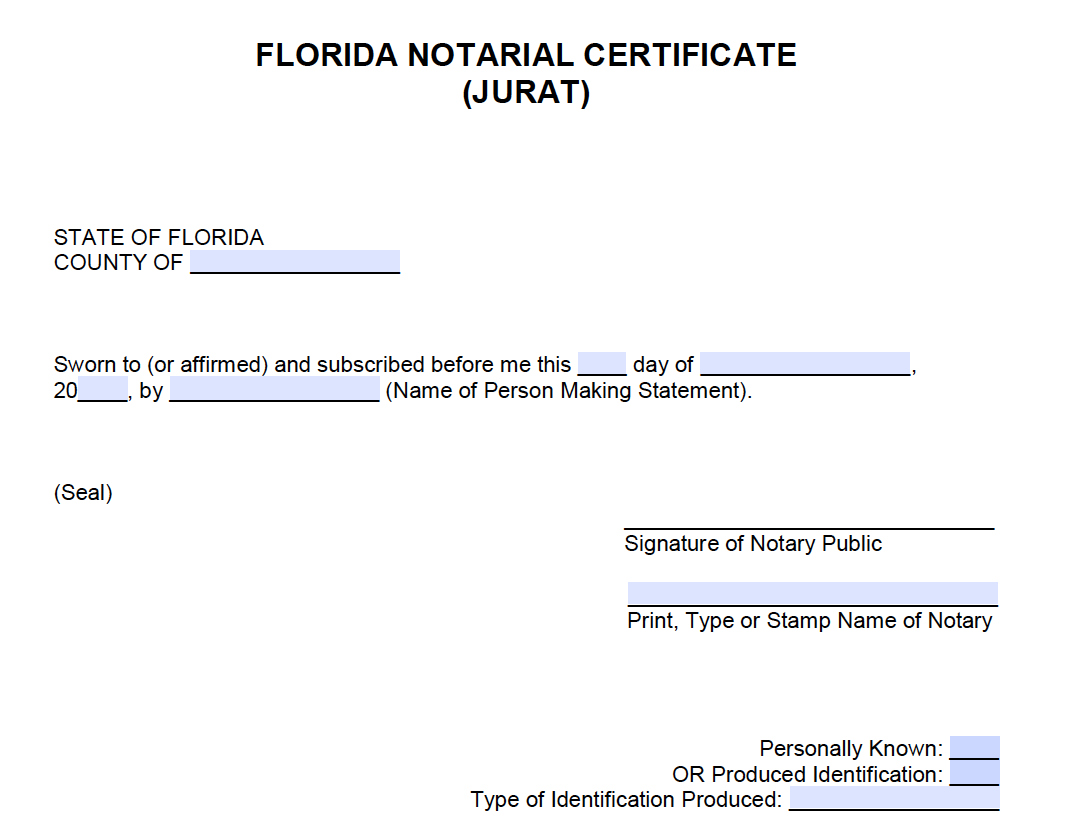
- For a Jurat (Oath/Affirmation): The notary will administer an oath or affirmation (e.g., “Do you solemnly swear/affirm that the statements in this document are true and correct to the best of your knowledge and belief?”). You will respond affirmatively, then sign the document in the notary’s presence.
- Notary Completes the Certificate: The notary will fill in the details of the notarial certificate, affix their official seal (which may be an ink stamp or an embossed seal, or an electronic seal for RON), and sign their name. They will also make an entry in their notary journal, detailing the transaction.
Understanding Notary Fees
Florida law sets maximum fees for notarial acts. Notaries cannot charge more than these statutory limits, although they can charge less.
- In-Person Notarization: The typical fee for an acknowledgment or a jurat is $10 per signature.
- Remote Online Notarization: Due to the advanced technology and security required, RON fees may be slightly higher, often up to $25 per notarial act.
- Mobile Notary Travel Fees: While the notarial act fee remains capped, mobile notaries are permitted to charge a reasonable travel fee, which should be agreed upon in advance. This travel fee is separate from the notarial act fee. Always clarify the total cost upfront to avoid surprises.
Being prepared and informed about these steps will make your notarization process in Florida smooth and efficient, allowing you to focus on enjoying your life and pursuits in the state.
Key Considerations for Notarizing Specific Document Types
While the fundamental notarization process remains consistent, certain types of documents often come with unique requirements or are particularly vital for the Florida lifestyle. Understanding these nuances can prevent delays and ensure your documents meet all legal standards.
Real Estate and Property Transactions
Florida’s thriving real estate market means many residents will encounter property-related documents requiring notarization.
- Deeds: When transferring property ownership, deeds (e.g., Warranty Deeds, Quitclaim Deeds) must be signed in the presence of two subscribing witnesses AND a notary public. This dual requirement is specific to Florida deeds and is crucial for their validity.
- Mortgage Documents: Loan agreements, promissory notes, and other mortgage-related papers frequently require notarization to establish their legal standing in property liens and financing.
- Title Documents: Any document impacting the title of a property, such as affidavits of ownership or boundary agreements, will generally need to be notarized.
It’s always advisable to consult with a real estate attorney or title company for complex property transactions to ensure all notarial and witnessing requirements are met.
Powers of Attorney and Estate Planning
These documents are deeply personal and have significant legal ramifications, directly impacting how an individual’s life and assets are managed.
- Durable Power of Attorney (DPOA): A DPOA grants someone the authority to make financial or legal decisions on your behalf. In Florida, a DPOA must be signed by the principal (the person granting power) in the presence of two subscribing witnesses AND a notary public.
- Health Care Surrogate Designation & Living Will: These documents allow you to appoint someone to make medical decisions for you or express your wishes regarding end-of-life care. They typically require two witnesses and a notary’s acknowledgment of your signature.
- Trusts: While not all trust documents require notarization, many do, particularly when transferring assets into the trust or when the trust document itself is being authenticated.
Given the critical nature of estate planning documents, strict adherence to Florida’s specific witnessing and notarization requirements is essential to prevent future challenges to their validity.
Business and Legal Agreements
For entrepreneurs and business owners operating in Florida, notarization is a common requirement for various corporate and contractual documents.
- Articles of Incorporation/Organization: While often filed with the Florida Department of State without notarization, certain amendments or related foundational documents may require it.
- Operating Agreements (for LLCs) & Partnership Agreements: These internal documents, which define the structure and operation of a business, frequently include notarized signatures to ensure the authenticity of the agreement among partners or members.
- Contracts and Leases: Depending on the nature and value of a contract or lease agreement, parties may opt for notarization to add an extra layer of authentication and provide stronger evidence in case of disputes.
- Affidavits: Any sworn statement used in legal proceedings, such as an affidavit supporting a court filing or a sworn statement for an insurance claim, must be notarized with a Jurat (oath or affirmation).
Understanding these specific applications helps tailor your notarization approach, ensuring all legal requirements are satisfied for your personal and professional endeavors in Florida.
Ensuring Compliance and Avoiding Common Pitfalls
A smooth notarization experience in Florida depends on both the signer’s preparation and the notary’s adherence to state laws. Being aware of potential issues and how to address them can save time and prevent legal complications.
Verifying Notary Credentials
It’s your right and good practice to ensure the notary public is properly commissioned in Florida.
- Notary Seal: Every Florida notary public is required to use an official seal. This seal must contain the notary’s name, the words “Notary Public – State of Florida”, and their commission number. It also indicates the expiration date of their commission. For electronic notarizations, a digital certificate and electronic seal with similar information are used.
- Ask to See Commission: You can politely ask to see the notary’s commission certificate if you have any doubts. Most professional notaries are happy to present it.
- Online Verification: The Florida Department of State maintains a public database where you can verify the commission status of any Florida notary public by their name or commission number. This is an excellent tool for peace of mind, especially when using a notary you’ve found online or through an unfamiliar service.
What to Do if You Encounter Issues
Despite best efforts, issues can sometimes arise during the notarization process.
- Unacceptable Identification: If your ID is expired, damaged, or doesn’t meet Florida requirements, the notary cannot proceed. The solution is to obtain valid identification before attempting notarization again. Some notaries might accept credible witnesses who personally know you and have acceptable ID, but this is less common and depends on the notary’s discretion and the type of notarial act.
- Incomplete Document: A notary cannot notarize an incomplete document. Ensure all blanks are filled out, even if with “N/A,” before presenting it.
- Notary Refusal: A notary has the right to refuse service if they have reasonable suspicion of fraud, coercion, if the signer appears incapacitated, or if the request falls outside their legal duties. They cannot, however, refuse based on discrimination. If a notary refuses, they should provide a reason. If you believe the refusal is improper, you can contact the Florida Department of State.
- Errors After Notarization: If an error is discovered after the document has been notarized and the notary has left, the general rule is that the document cannot be altered. Depending on the nature of the error, you may need to have the document re-signed and re-notarized entirely, or seek legal advice on whether a corrective document is appropriate. Notaries are prohibited from correcting a notarial certificate after the fact without the signer present and without performing a new notarial act.
By understanding these aspects, you empower yourself to navigate the notarization process effectively, contributing to a secure and legally sound management of your personal and business affairs within the vibrant Florida lifestyle.
LifeOutOfTheBox is a participant in the Amazon Services LLC Associates Program, an affiliate advertising program designed to provide a means for sites to earn advertising fees by advertising and linking to Amazon.com. Amazon, the Amazon logo, AmazonSupply, and the AmazonSupply logo are trademarks of Amazon.com, Inc. or its affiliates. As an Amazon Associate we earn affiliate commissions from qualifying purchases.