
Venturing through the diverse landscapes and vibrant cities of California offers an unparalleled experience for any tourist. From the rugged peaks of the Sierra Nevada to the bustling streets of Los Angeles and San Francisco, the Golden State beckons with adventure. For many travelers, a pocket knife is an essential tool, whether for outdoor activities like hiking and camping, or simply for everyday utility. However, understanding the legality of carrying such an item can be surprisingly complex, as California knife laws are nuanced and often misinterpreted. For tourists, navigating these regulations is crucial to ensure a smooth and trouble-free visit, avoiding potential legal complications that could otherwise overshadow their trip.
Navigating California’s Knife Laws as a Tourist
The legal framework surrounding pocket knives in California is a tapestry woven from state statutes and various local ordinances, each contributing to a layered set of rules that tourists must understand. The state’s approach aims to balance personal liberty with public safety concerns, leading to specific classifications and restrictions based on knife type, how it is carried, and even its intended use. For visitors, a general understanding of these principles is the first step toward responsible travel.
General State Laws on Pocket Knives
At a foundational level, California law permits the open carry of most folding knives, including standard pocket knives, provided they are not specifically prohibited by other statutes. This means that if a tourist is carrying a common folding knife, visible on their person (e.g., clipped to a pocket), it is generally considered legal under state law. The key here is “folding knife.” Unlike fixed-blade knives, which have their own set of rules, a folding knife that can be collapsed into its handle is often viewed with less restriction. However, this general rule comes with significant caveats, especially concerning where the knife is carried and its specific characteristics.
The law also takes into account the “intent” behind carrying a knife. Even if a knife type is generally legal, if it is carried with the intent to use it as a weapon or for an unlawful purpose, it immediately falls under stricter criminal statutes. For tourists, this emphasizes the importance of using a pocket knife solely for its intended utility purposes—opening packages, cutting cordage during a camping trip in Yosemite National Park, or preparing food. Demonstrating clear, lawful intent can be a significant factor in any interaction with law enforcement.
Understanding “Concealed Carry” vs. “Open Carry”
One of the most critical distinctions in California knife law is between concealed and open carry. For most knives, concealed carry is far more restrictive. A “concealed” knife is one that is carried in a manner that makes it not readily visible to the public. This could mean a knife in a pocket, a purse, a backpack, or under clothing.
While most folding knives can be openly carried, the concealed carry of certain knives, particularly “dirks or daggers” (knives that can be used as stabbing instruments), is broadly prohibited. The law defines a “dirk or dagger” as a knife or other instrument with or without a handguard that is primarily designed, redesigned, or carried as a stabbing instrument. This definition is broad and can potentially encompass many types of fixed-blade knives and even some larger folding knives if they are perceived to be carried for stabbing.
For tourists exploring urban areas like downtown San Diego or the historic districts of Sacramento, openly carrying a fixed-blade knife might draw unwanted attention, even if technically legal in some contexts. The safest approach for a general-purpose pocket knife is to ensure it is openly carried or, if stored in a bag, that it is clearly not intended for use as a weapon. If a folding knife is clipped to a pocket and part of the handle is visible, it generally counts as open carry. If it’s entirely hidden, it’s concealed, and then you must be sure it doesn’t fall into the “dirk or dagger” category or other prohibited classes.
Specific Prohibitions and Restrictions to Be Aware Of
Beyond the general principles, California law explicitly prohibits certain types of knives and places specific restrictions on others. These prohibitions are absolute, meaning a tourist should never carry these items within the state’s borders, regardless of their intent.
Automatic Knives and Switchblades
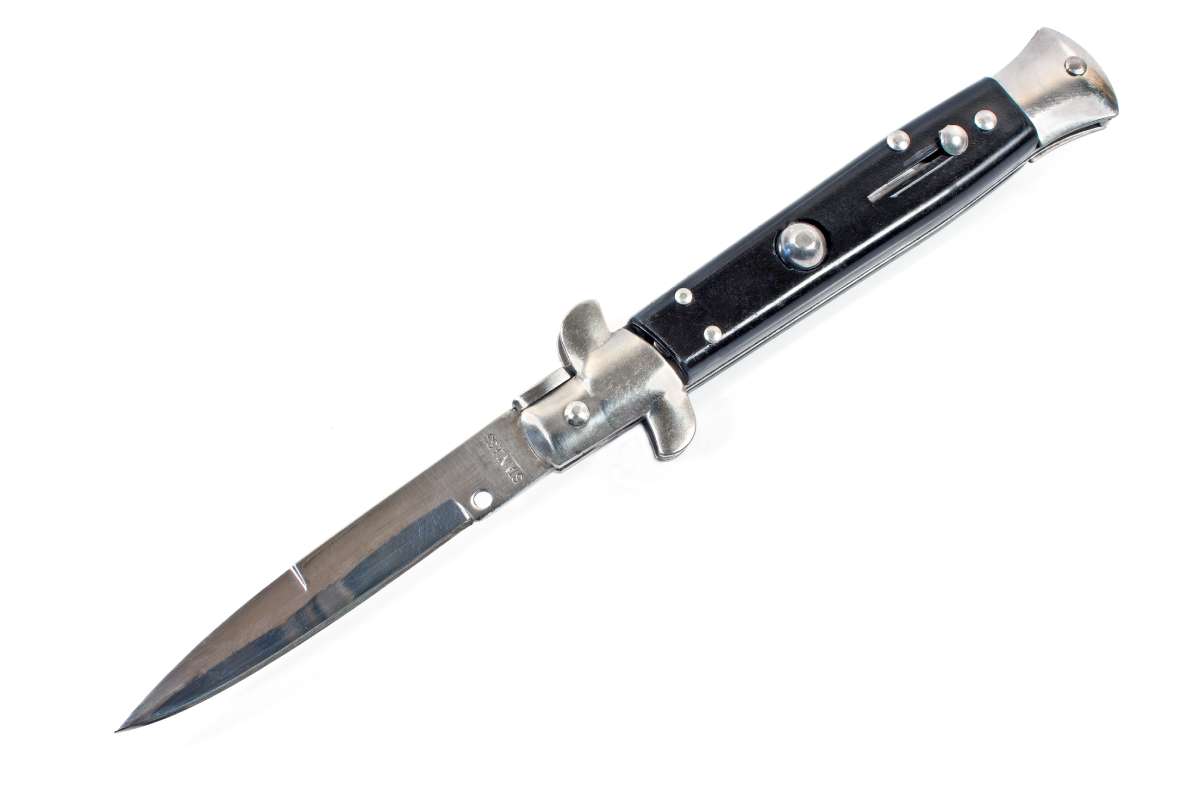
Perhaps one of the most widely misunderstood areas of knife law concerns automatic knives, commonly known as switchblades. In California, it is generally illegal to carry, possess, or sell any knife that has a blade that opens automatically by pressure on a button, spring, or other device in the handle, if the blade is longer than two inches.
This two-inch rule is critical. Many smaller automatic knives, often referred to as “mini automatic knives” or “side-opening automatics” with blades under two inches, are legal to possess and carry openly. However, the distinction is often subtle and can be easily confused. For a tourist, the safest course of action is to avoid automatic knives altogether unless they are absolutely certain of the blade length and local interpretations of the law, as carrying one over two inches can lead to serious legal consequences.
Dirks, Daggers, and Fixed-Blade Knives
As mentioned, “dirks or daggers” are illegal to carry concealed in California. This category specifically targets knives designed for stabbing. Fixed-blade knives, by their very nature, often fall under this definition, especially if they have a pointed tip and are capable of being used as a weapon.
While it is generally legal to openly carry an unsheathed, fixed-blade knife on one’s person in most public places (outside of specific restricted zones), this is often considered ill-advised for tourists. Openly carrying a fixed-blade knife in a city like San Francisco or Los Angeles could cause alarm and may lead to interactions with law enforcement, even if no law is technically being broken. The perception of a weapon, even if legal, can lead to uncomfortable situations. For those engaged in activities requiring a fixed blade, such as serious backcountry camping or hunting, carrying it discreetly in a pack until needed, or ensuring it is openly carried in a sheath on a belt (if permitted by local ordinance and context), is crucial. When traveling between activity sites, securing it in a vehicle (e.g., in a locked trunk) is a safer bet.
Blade Length Considerations

While California state law does not impose a general maximum blade length for folding knives carried openly, length becomes a critical factor for automatic knives (the two-inch rule) and can also influence how a knife is perceived under the “dirk or dagger” definition. Longer blades, even on folding knives, might attract more scrutiny from law enforcement, especially in crowded urban environments.
For tourists, common sense should prevail. A small, everyday carry (EDC) folding knife with a blade of 3-4 inches is usually unobtrusive and functional. Knives exceeding 5-6 inches, even if folding, might be seen differently, particularly if they are robust and have a tactical appearance. There are no specific state laws that make carrying a large folding knife illegal based solely on its length, but larger knives can be more easily deemed a “dirk or dagger” if carried concealed, or could be a factor in determining intent if a question of unlawful purpose arises.
Local Ordinances: A Patchwork of Regulations
Adding another layer of complexity for tourists are the numerous local ordinances enacted by cities and counties across California. These local laws can be more restrictive than state law, and they often target specific areas or types of carry. Ignorance of these local rules is not a defense, making it imperative for visitors to research the specific regulations of their destination.
Notable City and County Variations
Major metropolitan areas are particularly prone to having their own knife restrictions.
- Los Angeles: Generally, Los Angeles County follows state law, but specific city ordinances might be more stringent. For instance, carrying any knife with a blade longer than 3 inches in public schools or city parks is generally prohibited.
- San Francisco: San Francisco historically has had some of the strictest knife laws. While many of the most restrictive ordinances have been challenged or relaxed, it remains a city where discretion is paramount. Open carry of any knife might be viewed with heightened scrutiny, and understanding the specific nuances of “dirk or dagger” interpretations is crucial.
- Oakland: Similar to San Francisco, Oakland and other Bay Area cities often have their own specific regulations regarding weapons in public places, schools, and government buildings.
- San Diego: While generally less restrictive than some other major cities, tourists should still be aware of local park regulations and specific venue rules.
The general advice for tourists is to always assume that urban areas will have more restrictive laws. Before visiting a specific city or attraction (e.g., a museum, a concert venue, a government building like the California State Capitol Museum in Sacramento), it’s wise to quickly check for local ordinances, especially regarding blade length limits or prohibitions on carrying knives in certain public spaces.
Impact on Outdoor Activities and Camping
For tourists planning to explore California’s stunning natural beauty, such as Yosemite National Park, Joshua Tree National Park, or Redwood National Park, a pocket knife is often considered indispensable. While state and federal park regulations might have specific rules about weapons, a standard utility folding knife for camping or hiking is generally permissible within these natural environments. The key here is the context and intent. A knife used for preparing food, cutting rope, or survival tasks is clearly distinct from one carried for self-defense or as a weapon.
However, even in wilderness areas, caution is advised when entering visitor centers, restrooms, or other developed facilities where the perception of public safety might be higher. It’s also important to remember that national parks fall under federal jurisdiction, which might have its own layer of regulations, though they often defer to state law for most personal items. When traveling to and from these parks, passing through towns and cities means re-entering areas potentially subject to stricter local ordinances.
Best Practices for Tourists Carrying Knives in California
Given the intricate nature of California’s knife laws, particularly for those unfamiliar with them, adopting best practices is the most effective way for tourists to avoid legal troubles and fully enjoy their visit.
Prioritize Safety and Intent
Always carry a pocket knife with a clear, lawful, and benign intent. Use it only for utility purposes. Avoid any behavior that could suggest the knife is being used as a weapon, such as brandishing it or making threatening gestures. When interacting with law enforcement, clearly state the knife’s purpose (e.g., “It’s for opening packages” or “It’s for my camping trip”) and comply with any requests to put it away or demonstrate its safety. Remember that the officer’s perception of your intent can significantly influence their actions.
When in Doubt, Leave it at Home or Check It
If there is any uncertainty about the legality of carrying a particular knife in a specific location, the safest option is to leave it at your accommodation or in your vehicle (secured and out of reach, preferably in a locked compartment). For items that are essential for specific activities (e.g., a large utility knife for a backcountry hiking trip), transport it to the destination securely and keep it out of sight when not in active use. It’s far better to err on the side of caution than to face legal repercussions that could disrupt your travel plans.
Special Considerations for Air Travel and Border Crossings
When arriving in California by air, remember that all knives, regardless of size or type, are prohibited in carry-on luggage by the Transportation Security Administration (TSA). They must be packed in checked luggage, securely sheathed or wrapped to prevent injury to baggage handlers. Failure to comply can result in confiscation and potential fines.
For those driving into California from other states, be aware that knife laws can vary dramatically from state to state. A knife that is legal to carry openly or concealed in Nevada or Arizona may become illegal the moment you cross the California border. Always ensure your knife complies with California law before entering the state.
Ultimately, while many common pocket knives are legal in California, tourists must navigate a labyrinth of state and local laws. By understanding the distinctions between knife types, modes of carry, and specific prohibitions, and by exercising common sense and discretion, visitors can enjoy their California adventures without unexpected legal complications.
LifeOutOfTheBox is a participant in the Amazon Services LLC Associates Program, an affiliate advertising program designed to provide a means for sites to earn advertising fees by advertising and linking to Amazon.com. Amazon, the Amazon logo, AmazonSupply, and the AmazonSupply logo are trademarks of Amazon.com, Inc. or its affiliates. As an Amazon Associate we earn affiliate commissions from qualifying purchases.