
The allure of casting a line into the vast and diverse waters of California is a powerful draw for anglers of all experience levels. From the rugged Pacific coastline teeming with marine life to the serene mountain lakes and winding rivers stocked with trout, the Golden State offers an unparalleled fishing experience. However, before you can embark on your angling adventure, understanding and obtaining the correct fishing license is a fundamental step. This guide will navigate you through the process, ensuring you are fully compliant and ready to reel in your next memorable catch.
Understanding California Fishing Licenses
California’s Department of Fish and Wildlife (CDFW) is responsible for issuing fishing licenses and managing the state’s aquatic resources. Obtaining a license is not merely a bureaucratic requirement; it’s a crucial contribution to the conservation efforts that sustain California’s rich fishing heritage for future generations. The revenue generated from license sales directly supports habitat restoration, research, and enforcement, ensuring the health of fish populations and their ecosystems.
There are various types of fishing licenses available, catering to different needs and durations. The most common are annual licenses, which offer the most cost-effectiveness for avid anglers who plan to fish throughout the year. For those who only have a few days to dedicate to fishing, short-term licenses, such as one-day or two-day permits, provide a flexible and affordable option. Non-resident licenses are also available, recognizing that many visitors are drawn to California’s fishing opportunities.
Beyond the standard licenses, specialized permits may be required for specific types of fishing or for targeting certain species. For instance, if you plan to fish for salmon, steelhead, or sturgeon, you might need a second-rod validation or a special permit. Similarly, recreational ocean fishing often requires a separate permit or validation, particularly if you are fishing from a commercial passenger fishing vessel. It’s essential to research the specific regulations for the type of fishing you intend to pursue to ensure you have all the necessary authorizations.
Types of Fishing Licenses
- Annual Licenses: These are valid for a full 365 days from the date of purchase, providing continuous fishing access. They are ideal for individuals who fish frequently.
- Short-Term Licenses: Available in one-day or two-day increments, these are perfect for vacationers or casual anglers.
- Junior Licenses: For anglers between 16 and 17 years old, a junior license is available at a reduced price.
- Senior Licenses: California residents aged 65 and older can purchase a reduced-price senior fishing license.
- Lifetime Licenses: For the truly dedicated angler, a lifetime license offers permanent fishing privileges and is a popular choice for those who plan to fish in California for the remainder of their lives.
- Non-Resident Licenses: Visitors from outside California will need to purchase a non-resident license, which is priced higher than resident licenses.
Additional Permits and Validations
- Second-Rod Stamp: Allows you to use two fishing rods in most inland waters, enhancing your fishing efficiency.
- Steelhead Report Card: Required for anglers intending to fish for steelhead trout in certain ocean and inland waters.
- Salmon Stamp: Necessary for harvesting salmon in specified ocean and inland fisheries.
- Ocean Enhancement Stamp: Mandatory for recreational fishing in ocean waters.
How to Purchase Your California Fishing License
California offers several convenient channels for purchasing a fishing license, making it accessible whether you’re planning your trip in advance or deciding to fish on a whim. The most straightforward and recommended method is to purchase your license online through the official California Department of Fish and Wildlife website. This method is efficient, allows you to select the exact license type you need, and you can print your license immediately or access it digitally.
Alternatively, you can visit an authorized license dealer. These are typically local bait and tackle shops, sporting goods stores, and some general merchandise retailers across the state. A CDFW license agent at these locations can assist you in selecting the appropriate license and completing the purchase. It’s advisable to call ahead to confirm that a specific dealer carries fishing licenses and their operating hours.
For those who prefer a more personal touch or are already in the vicinity of a CDFW regional office, licenses can also be purchased in person at select CDFW license sales offices. However, it is always best to verify their operating hours and available services before visiting.
Online Purchase
- Visit the CDFW Website: Navigate to the official California Department of Fish and Wildlife website.
- Find the Licensing Section: Look for the “Fishing Licenses” or “Licenses & Permits” section.
- Select License Type: Choose the appropriate license based on your residency, age, and desired duration of validity.
- Provide Required Information: You will need to provide personal details such as your name, address, date of birth, and height.
- Make Payment: Complete the transaction using a valid credit or debit card.
- Print or Save: Once purchased, you can print your license immediately or save a digital copy on your mobile device.
In-Person Purchase
- Authorized License Dealers: Many sporting goods stores, bait shops, and outdoor retailers across California are authorized to sell fishing licenses. A quick search on the CDFW website can help you locate a dealer near you.
- CDFW License Sales Offices: Select CDFW regional offices also sell fishing licenses. It’s recommended to check the CDFW website for a list of these offices and their hours of operation.
Essential Information for New Anglers

For those new to fishing in California, a few key pieces of information will enhance your experience and ensure you’re fishing legally and responsibly. Familiarizing yourself with the California Sport Fishing Regulations is paramount. This comprehensive document, available on the CDFW website, details fishing seasons, size and bag limits, gear restrictions, and specific rules for various water bodies and species. It is your definitive guide to ethical and lawful angling.
Understanding the difference between freshwater and saltwater fishing is also important, as the regulations and types of fish you can pursue vary significantly. For instance, fishing in the Pacific Ocean off the coast of Los Angeles might involve regulations concerning kelp beds and specific marine species, while fishing in a mountain lake near Lake Tahoe will be governed by freshwater rules related to trout or bass.
When it comes to gear, starting with a basic spinning rod and reel combo is a versatile choice for most beginner anglers. The type of bait or lures you use will depend on the species you are targeting and the water body you are fishing in. Researching local fishing conditions and talking to experienced anglers or staff at local bait shops can provide invaluable insights into what’s biting.
Finally, remember the principles of Leave No Trace. This means packing out everything you pack in, respecting wildlife, and minimizing your impact on the environment. Proper disposal of fishing line, bait containers, and any other trash is essential to preserving the pristine beauty of California’s fishing destinations. Observing catch-and-release practices for certain species or when you have reached your limit is also a vital aspect of sustainable angling.
Key Regulations to Note
- Seasons: Be aware of the specific open and closed seasons for the species you wish to catch.
- Bag and Size Limits: Adhere strictly to the daily bag limits (the number of fish you can keep) and minimum size limits for each species.
- Gear Restrictions: Certain waters or species may have restrictions on the type of fishing gear you can use.
- Water Body Specifics: Always check if there are any unique regulations for the particular lake, river, or coastal area you plan to fish.
Choosing the Right Gear
- Rod and Reel: A medium-action spinning rod and reel combo is a great all-around choice for beginners.
- Line: Monofilament or braided fishing line is suitable for most applications.
- Hooks and Weights: A selection of hooks in various sizes and sinkers will be useful.
- Bait and Lures: Research the preferred food sources of the fish in your target area. Live bait like worms and crickets, or artificial lures such as spinners and soft plastics, can be effective.
- Tackle Box: Keep your essential gear organized and accessible.
Beyond the License: Responsible Angling in California
Obtaining a fishing license is the first step towards a rewarding angling experience in California. However, responsible angling encompasses more than just legal compliance. It involves a commitment to conservation, respect for the environment, and ethical practices that ensure the long-term health of our aquatic ecosystems and the enjoyment of future generations of anglers.
One of the most critical aspects of responsible angling is understanding and practicing catch and release. For many species, especially those that are protected, rare, or simply too small to keep, releasing them unharmed is vital. This involves minimizing the time the fish is out of the water, using barbless hooks where appropriate, and handling fish gently. Techniques like dehooking the fish while it’s still in the water can significantly increase its survival rate.
Furthermore, being mindful of invasive species is a crucial responsibility for all anglers. These non-native organisms can outcompete native species, spread diseases, and disrupt ecosystems. It is imperative to take measures to prevent their spread, such as cleaning your fishing gear, boat, and trailer thoroughly between fishing trips, especially when moving between different water bodies. Never transport live fish from one water body to another.
Finally, engage with the fishing community and continue to educate yourself. The California Department of Fish and Wildlife offers numerous resources, workshops, and volunteer opportunities related to conservation. Participating in these initiatives not only deepens your understanding but also allows you to contribute directly to the preservation of California’s incredible natural resources. By embracing responsible angling, you become a steward of the waters you fish, ensuring that the thrill of casting a line in California remains a vibrant tradition for years to come.
Practicing Catch and Release
- Handle Fish Gently: Use wet hands or a wet towel to minimize damage to the fish’s protective slime coating.
- Minimize Air Exposure: Keep the fish in the water as much as possible. A quick photo is usually sufficient.
- Use Appropriate Hooks: Consider using single, barbless hooks to make removal easier and less harmful.
- Dehook Carefully: If possible, use a dehooking tool or pliers to remove the hook without damaging the fish’s mouth or throat.
- Revive the Fish: Gently move the fish back and forth in the water to allow water to flow through its gills until it can swim away strongly on its own.
Preventing the Spread of Invasive Species
- Clean, Drain, Dry: After each fishing trip, clean all fishing gear, drain all water from boats and equipment, and allow everything to dry completely before using it in a new location.
- Do Not Transport Live Fish: Never move live fish, bait, or aquatic plants from one water body to another.
- Inspect Gear: Check your fishing rods, reels, waders, and any other equipment for attached plants or animals before leaving a fishing site.
Continuous Learning and Engagement
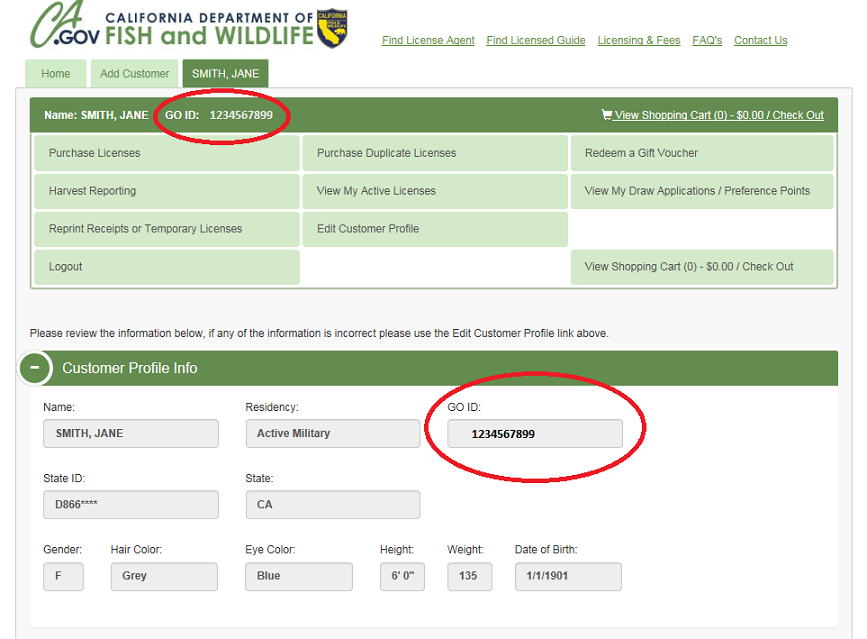
- Consult CDFW Resources: Regularly visit the California Department of Fish and Wildlife website for updated regulations, fishing reports, and educational materials.
- Join Local Fishing Clubs: Connect with other anglers to share knowledge and learn best practices.
- Volunteer for Conservation Projects: Contribute your time and effort to habitat restoration and other conservation initiatives.