
Securing a New York State ID is an essential step for many individuals residing in the state, particularly for those who are not eligible for or do not possess a driver’s license. This official identification card serves a multitude of purposes, from proving your identity for banking transactions and accessing certain government services to serving as a key document for travel within the United States. Understanding the process, requirements, and nuances involved in obtaining this vital piece of identification is crucial for a smooth and efficient experience. This guide aims to demystify the procedure, ensuring you are well-prepared to navigate the system and acquire your New York State ID.
Understanding the New York State ID
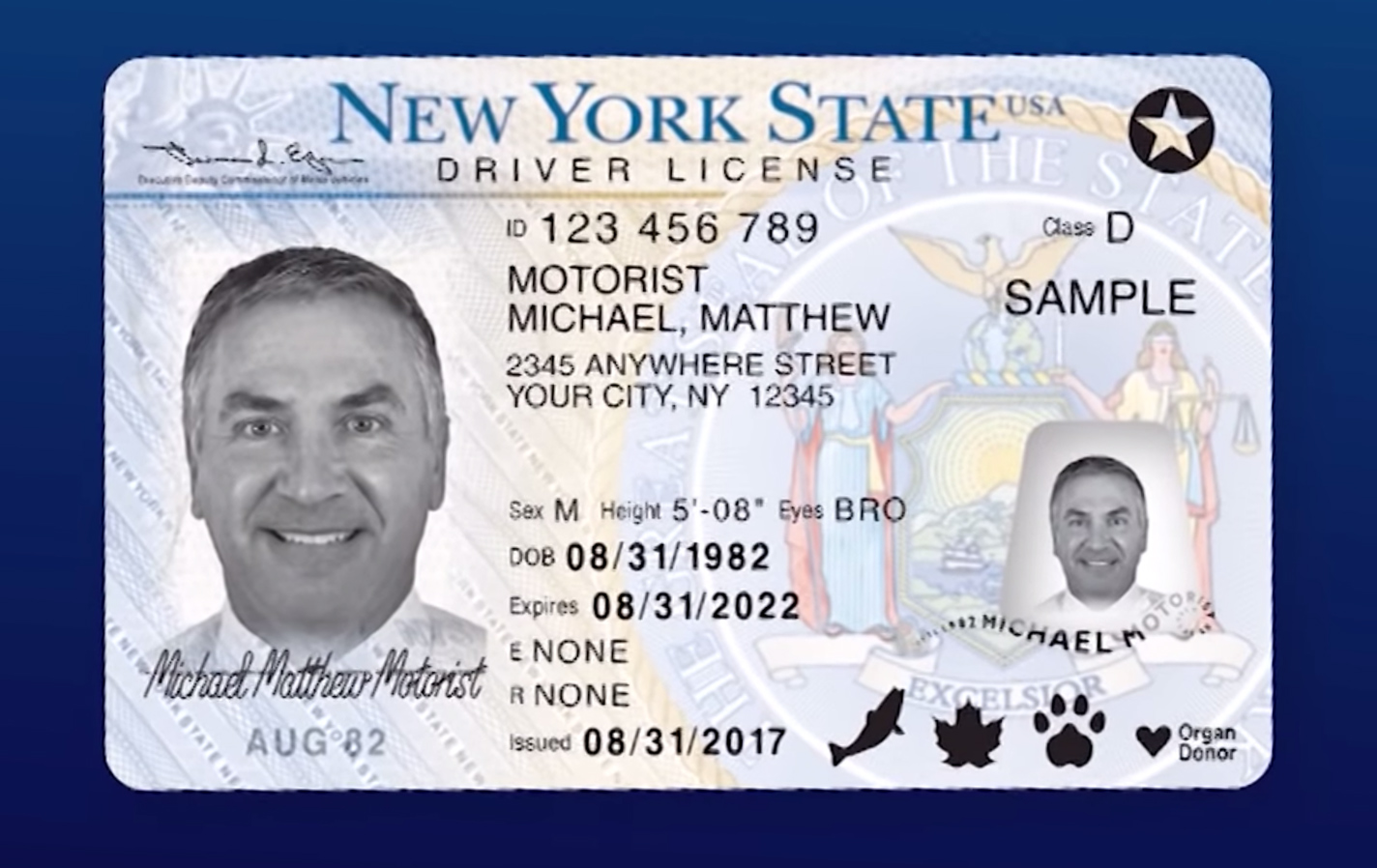
A New York State ID card, often referred to as a non-driver ID or State ID, is issued by the New York State Department of Motor Vehicles (DMV). It is a plastic card, similar in appearance to a driver’s license, featuring your photograph, name, address, date of birth, and other identifying information. Unlike a driver’s license, it does not grant driving privileges. However, its official status makes it a widely accepted form of identification throughout New York State and indeed, across the United States.
Purpose and Utility of a State ID
The utility of a New York State ID extends far beyond simply having an official photo ID. It is indispensable for a variety of daily activities and official matters.
- Proof of Identity: This is its primary function. Whether you’re opening a bank account, picking up a package at the post office, or entering certain federal buildings, your State ID will serve as definitive proof of who you are.
- Age Verification: For individuals under 21, a State ID is crucial for proving their age when purchasing age-restricted items like alcohol or tobacco, or when entering establishments with age limits.
- Accessing Government Services: Many government agencies require a valid State ID for individuals to access their services, apply for benefits, or complete official paperwork.
- Travel: While not a substitute for a passport for international travel, a State ID is generally accepted by domestic airlines for boarding flights within the United States. It’s also useful for hotel check-ins and other travel-related needs.
- Employment: Some employers may require a State ID as part of their hiring process for identification verification.
- Voting: In some jurisdictions, a State ID can be used as a form of identification for voting purposes, though this can vary based on local election laws.
- Building Security: Accessing certain secure buildings or facilities often necessitates presenting a valid government-issued ID.
Who Needs a New York State ID?
The need for a New York State ID arises for various groups of people. Primarily, it is for individuals who are residents of New York State but do not hold a driver’s license. This includes:
- Non-Drivers: Individuals who have never obtained a driver’s license, whether due to personal choice, medical reasons, or other circumstances.
- Seniors: Many senior citizens may no longer drive but still require a valid ID for daily life and accessing senior-specific services.
- Young Adults and Teenagers: Once a young person reaches a certain age (typically 16), they may wish to obtain a State ID for independence and convenience, especially if they are not yet driving.
- New Residents: Individuals who have recently moved to New York State and need an official state-issued identification.
- Individuals with Disabilities: Those who are unable to drive due to a disability but still require a reliable form of identification.
- International Visitors (with specific visas): Certain non-immigrant visa holders who are residing in New York State may be eligible to obtain a State ID.
Eligibility Requirements and Documentation
The New York State DMV has specific requirements that applicants must meet to be eligible for a State ID. These requirements are designed to verify identity and residency within the state. The documentation needed is generally categorized into proof of identity, proof of date of birth, proof of Social Security number, and proof of residency.
Proof of Identity
You will need to provide at least one document that clearly establishes your identity. Acceptable forms include:
- U.S. Birth Certificate: An original or certified copy.
- U.S. Passport: Valid and unexpired.
- Foreign Passport: With a valid U.S. visa and I-94 form.
- Certificate of Naturalization or Citizenship: Original or certified copy.
- Permanent Resident Card (Green Card): Valid and unexpired.
- Employment Authorization Document (EAD) Card: Valid and unexpired.
- Consular Report of Birth Abroad (CRBA).
Proof of Date of Birth
Most documents accepted as proof of identity also serve as proof of date of birth. However, if your primary identity document does not clearly state your full date of birth, you may need to provide an additional document.
Proof of Social Security Number (SSN)
You must provide proof of your Social Security number. This can be in the form of:
- Social Security Card: The original card is preferred.
- W-2 Form: Must contain your SSN.
- 1099 Form: Must contain your SSN.
- Pay Stub: Showing your SSN.
- SSA-1099 Form: From the Social Security Administration.
If you do not have an SSN, you may need to provide a letter from the Social Security Administration stating that you are not eligible for an SSN.
Proof of Residency
You must demonstrate that you are a resident of New York State. You will need to present at least two documents, each from a different source, that show your current New York State address. Examples of acceptable residency documents include:
- Utility Bills: Dated within the last 60 days (e.g., electric, gas, water, cable).
- Bank Statements: Dated within the last 60 days.
- Mortgage Statement or Lease Agreement.
- Homeowner’s Insurance Policy.
- Vehicle Registration or Insurance Card.
- School Records: Including report cards or transcripts from a New York State school.
- Mail from a Federal, State, or Local Government Agency.
- Pay Stubs: With your New York State address.
It is crucial to check the official New York State DMV website for the most up-to-date and comprehensive list of acceptable documents, as requirements can change. It is also highly recommended to bring original documents or certified copies; photocopies are typically not accepted.
The Application Process: Step-by-Step
The application process for a New York State ID is managed by the New York State Department of Motor Vehicles. While the exact steps can vary slightly depending on your specific circumstances and the most current DMV procedures, the general framework remains consistent.
Step 1: Gather Your Documentation

As outlined in the previous section, the first and most critical step is to meticulously gather all the required documents. Ensure they are original or certified copies and that they meet all the specified criteria (e.g., date ranges for bills, unexpired status for passports and cards).
Step 2: Schedule an Appointment (Recommended)
While some DMV offices may accept walk-in customers, scheduling an appointment online or by phone is strongly recommended. This will significantly reduce your waiting time and ensure that you are seen promptly. You can typically schedule appointments through the official New York State DMV website.
Step 3: Visit a DMV Office
On the day of your appointment, arrive at your designated New York State DMV office a little early. Bring all your gathered documentation with you.
Step 4: Application Submission and Verification
At the DMV, you will be guided through the application process. You will fill out an application form (this may be done electronically at the office). A DMV representative will then carefully review all your submitted documents to verify your identity, date of birth, SSN, and residency. This is a critical stage where any discrepancies or missing information can lead to delays.
Step 5: Photo Capture
Once your documents are verified, you will have your photograph taken for the State ID card. It is important to present yourself in a way that meets standard identification photo requirements – typically, no hats or sunglasses, and a neutral expression.
Step 6: Fee Payment
There is a fee associated with obtaining a New York State ID. The amount can vary, so it is advisable to check the current fee schedule on the DMV website. Payment methods accepted may include cash, check, money order, and credit/debit cards.
Step 7: Receive Your Temporary ID and Permanent Card
After completing the application, paying the fee, and having your photo taken, you will typically be issued a temporary identification document. This temporary ID is valid for a limited time and serves as your official identification until your permanent card arrives. Your permanent New York State ID card will be mailed to your address within a few weeks.
Special Considerations and Tips for a Smooth Process
Navigating any government agency can sometimes present challenges. Being prepared and aware of potential pitfalls can make the process of obtaining your New York State ID much smoother.
For Non-Citizens
If you are not a U.S. citizen, you will need to provide additional documentation. This typically includes proof of your legal immigration status, such as:
- Valid U.S. Visa: Along with your passport.
- I-94 Arrival/Departure Record.
- Permanent Resident Card (Green Card).
- Employment Authorization Document (EAD).
- Other immigration documents: As specified by the DMV.
Ensure that all your immigration documents are current and valid. If your status is temporary, your State ID will likely have an expiration date corresponding to your immigration status.
For Minors (Under 18)
Minors applying for a State ID often require a parent or legal guardian to be present during the application process. The parent or guardian will need to provide their own identification and proof of guardianship. The minor will still need to meet all the standard documentation requirements for identity, SSN, and residency.
Lost or Stolen IDs
If your New York State ID is lost or stolen, you will need to apply for a replacement. The process is similar to the initial application, requiring you to visit a DMV office with proof of identity and residency, and pay a replacement fee. You should report a lost or stolen ID to the police if you suspect it has been misused.
Real ID Compliance
New York State offers REAL ID compliant driver’s licenses and ID cards. If you plan to use your ID for federal purposes, such as boarding domestic flights or entering certain federal facilities, after the mandated deadline, obtaining a REAL ID compliant card will be necessary. The documentation requirements for a REAL ID are generally more stringent, requiring you to present more specific documents. When you apply for your State ID, you can inquire about obtaining a REAL ID compliant card if it aligns with your future needs.

Frequently Asked Questions
- How long is a New York State ID valid? Standard IDs are typically valid for 5 or 10 years, depending on your age and the type of ID issued.
- Can I renew my State ID online? Renewal options vary. Some renewals may be possible online, by mail, or by phone, while others may require an in-person visit to the DMV. Check the DMV website for specific renewal procedures.
- What if my name has changed? If your name has changed due to marriage, divorce, or other legal reasons, you will need to provide legal documentation of the name change (e.g., marriage certificate, court order) along with other required documents.
By carefully preparing your documentation and understanding the application steps, obtaining your New York State ID will be a straightforward process, granting you a valuable and widely recognized form of identification for life in New York State.
LifeOutOfTheBox is a participant in the Amazon Services LLC Associates Program, an affiliate advertising program designed to provide a means for sites to earn advertising fees by advertising and linking to Amazon.com. Amazon, the Amazon logo, AmazonSupply, and the AmazonSupply logo are trademarks of Amazon.com, Inc. or its affiliates. As an Amazon Associate we earn affiliate commissions from qualifying purchases.