
The question of the minimum wage in any given state is a cornerstone of discussions surrounding economics, labor, and cost of living. For travelers, tourists, and even those considering relocation or extended stays in a particular region, understanding these foundational economic indicators can offer valuable insight into the local landscape. This is particularly true for a state like Oklahoma, which presents a unique blend of cultural heritage, natural beauty, and developing urban centers. While the minimum wage itself is a legal and financial topic, its implications resonate deeply within the realm of tourism and lifestyle, influencing everything from the affordability of services to the economic vitality of destinations.

Understanding Oklahoma’s Minimum Wage Framework
To grasp the current minimum wage in Oklahoma, it’s essential to look at both federal and state regulations. The United States operates under a federal minimum wage, established by the Fair Labor Standards Act (FLSA). This federal rate acts as a baseline, meaning that states cannot mandate a minimum wage lower than this figure. However, states are free to set their own minimum wage rates, provided they are equal to or higher than the federal standard.
The Federal Minimum Wage Standard
As of the current understanding, the federal minimum wage in the United States stands at $7.25 per hour. This rate has remained unchanged since 2009, a fact that often fuels debate and advocacy for increases at both state and federal levels. For employers operating across state lines, adhering to the higher of the two applicable rates—federal or state—is a legal requirement. This means that even if a state has not enacted its own minimum wage increase, its businesses are still bound by the $7.25 federal floor.
Oklahoma’s State Minimum Wage: A Closer Look
Oklahoma has historically aligned its state minimum wage with the federal rate. Therefore, for most non-tipped employees in Oklahoma, the minimum wage is currently $7.25 per hour. This alignment means that the federal FLSA rate is effectively the operative minimum wage for the vast majority of workers within the state. It’s important for businesses and employees alike to be aware of this parity and to ensure compliance with all applicable labor laws.
Tipped Employees: A Different Calculation
A significant distinction in minimum wage laws pertains to tipped employees, such as servers, bartenders, and other hospitality staff. Federal law and many state laws allow employers to pay a lower cash wage to tipped employees, provided that the tips they receive, when added to this lower wage, reach at least the standard minimum wage.
In Oklahoma, employers can take a “tip credit.” This means they are permitted to pay tipped employees a lower hourly cash wage, which is currently set at $2.13 per hour. However, this is only permissible if the employee’s tips, combined with this $2.13 cash wage, amount to at least the standard minimum wage of $7.25 per hour. If an employee’s tips do not bring their total earnings up to $7.25 per hour, the employer is legally obligated to make up the difference. This dual structure for tipped versus non-tipped employees is a common feature of minimum wage legislation and is crucial for understanding the broader economic picture for those working in the service industry, which is a significant part of Oklahoma’s tourism sector.
Implications for Travelers and Tourists in Oklahoma
While the minimum wage is a labor law, its influence extends into various facets of a tourist’s experience, impacting the cost of goods and services, the quality of customer service, and the overall economic health of the destinations one might visit in Oklahoma.
Affordability of Services
A minimum wage, especially one that has remained static for an extended period like the federal $7.25, can influence the perceived affordability of a destination. In states that adhere to this lower rate, the cost of services, particularly in the hospitality sector—such as dining at local restaurants, staying in smaller inns, or utilizing local transportation services—may appear more budget-friendly compared to regions with significantly higher minimum wages.
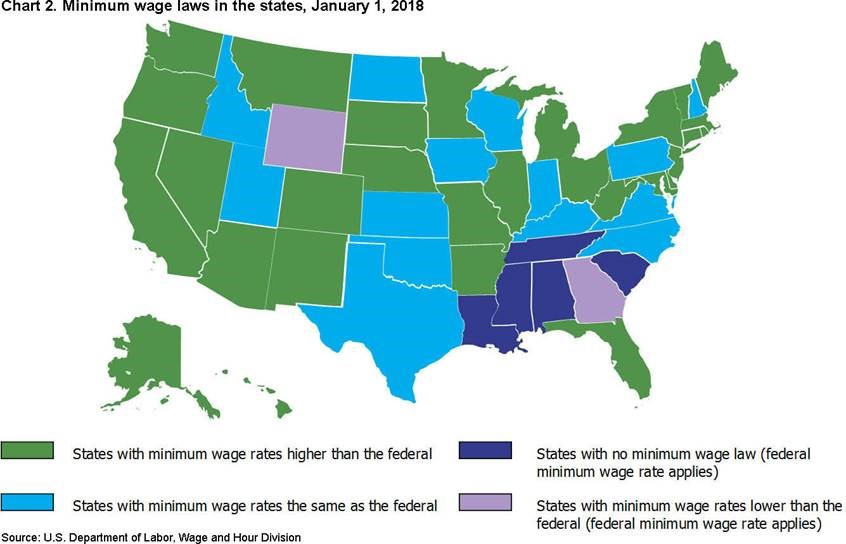
For a tourist planning a trip to places like Oklahoma City or the charming towns of the Ouachita Mountains, a $7.25 minimum wage could translate to lower prices for many everyday expenses. This can be an attractive factor for budget-conscious travelers, families on vacation, or backpackers exploring the American heartland. However, it’s also important to consider that a lower minimum wage can sometimes correlate with lower spending power for local residents, potentially affecting the variety and luxury of offerings available.
Impact on Hospitality and Tourism Industry
The hospitality and tourism industries are inherently labor-intensive. Businesses ranging from hotels and resorts to restaurants and tour operators rely heavily on a workforce that is often compensated at or near the minimum wage. In Oklahoma, the prevailing $7.25 minimum wage directly affects the operating costs for these establishments.
For businesses, a lower minimum wage can mean reduced labor costs, which may allow them to offer more competitive pricing for their services. This can be a boon for attracting tourists. On the other hand, it can also present challenges in retaining skilled workers, as employees may seek higher wages in other sectors or states. This can sometimes impact the consistency or quality of service. For travelers seeking an authentic Oklahoma experience, understanding this economic backdrop can foster a greater appreciation for the dedication of the service workers encountered. It might also encourage travelers to consider tipping generously, especially in roles where tips form a substantial part of an employee’s income, to ensure fair compensation.
Local Culture and Experiences
The minimum wage, while an economic metric, is deeply intertwined with the local lifestyle and the ability of residents to participate fully in their communities. This, in turn, can shape the unique cultural experiences available to tourists. In areas where the cost of living is relatively low and wages have not kept pace, local artisans, small independent businesses, and community-driven events often form the backbone of the local economy and cultural scene.
For instance, exploring the vibrant arts districts in Tulsa or visiting the historic downtowns of smaller cities like Guthrie might reveal a wealth of local crafts, unique eateries, and cultural festivals that are often more accessible due to the lower operational costs for local entrepreneurs. The minimum wage influences how much disposable income local residents have, which can impact their ability to support these local ventures and their participation in cultural activities. Travelers interested in experiencing the genuine spirit of Oklahoma might find that a deeper understanding of its economic realities enhances their appreciation for its distinct character and the resilience of its communities.
Broader Economic Considerations and Future Outlook
The discussion around minimum wage is rarely static. It is a topic of ongoing debate, influenced by economic conditions, political climates, and advocacy from various groups. While Oklahoma currently aligns with the federal $7.25 minimum wage, the landscape can evolve.
The Debate for an Increased Minimum Wage
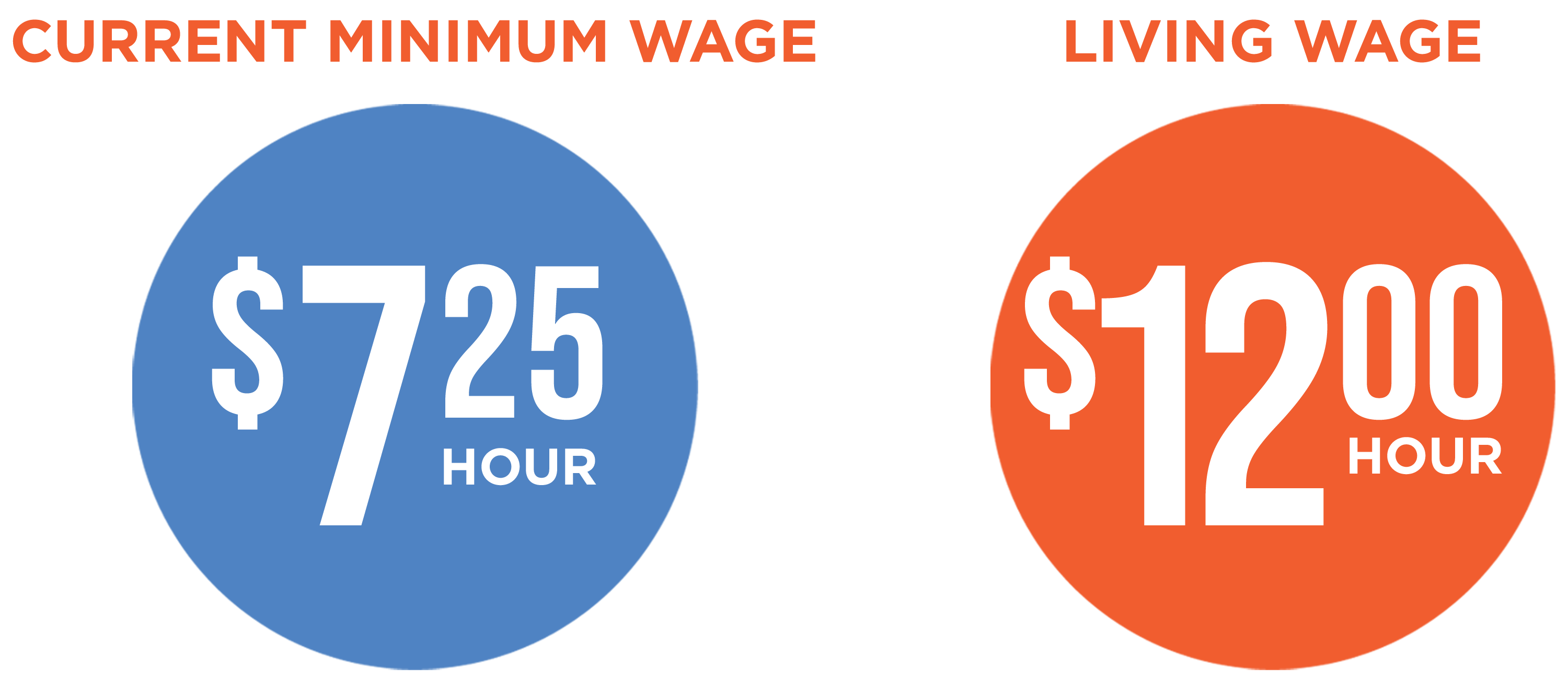
Across the United States, there is a persistent movement advocating for an increase in the federal minimum wage, often citing the rising cost of living and the need to ensure a living wage for all workers. Proponents argue that a higher minimum wage can stimulate the economy by putting more money into the hands of consumers, thereby increasing demand for goods and services. They also point to its potential to reduce poverty and income inequality.
If Oklahoma were to enact its own minimum wage increase above the federal level, it could have significant implications for its economy, its attractiveness as a tourist destination, and the daily lives of its residents. Such a move could lead to increased labor costs for businesses, potentially impacting prices for consumers and tourists. However, it could also lead to a more robust local economy with increased consumer spending power.
Economic Impact on Tourism Development
The minimum wage is a factor that economic development agencies and tourism boards consider when planning for the future. A lower minimum wage might initially make a destination seem more affordable for tourists, potentially attracting a larger volume of visitors. However, a sustained period of low wages can also lead to challenges in workforce development, potentially affecting the long-term quality and competitiveness of the tourism sector.
As Oklahoma continues to grow and develop, particularly in areas like the energy sector and technology, the conversation around wages and economic opportunity is likely to remain prominent. For travelers interested in the state’s progress, understanding these foundational economic elements provides a richer context for appreciating the destination’s development and the experiences it offers. Whether it’s exploring the historic Route 66 attractions, visiting the National Cowboy & Western Heritage Museum in Oklahoma City, or enjoying the natural beauty of Broken Bow Lake, the economic underpinnings of the state subtly shape the visitor’s journey.
LifeOutOfTheBox is a participant in the Amazon Services LLC Associates Program, an affiliate advertising program designed to provide a means for sites to earn advertising fees by advertising and linking to Amazon.com. Amazon, the Amazon logo, AmazonSupply, and the AmazonSupply logo are trademarks of Amazon.com, Inc. or its affiliates. As an Amazon Associate we earn affiliate commissions from qualifying purchases.