
The Entrepreneurial Path: Why a Resale Permit is Essential for Your California Business
Embarking on an entrepreneurial journey in the vibrant economy of California offers immense opportunities, whether you’re a seasoned business owner or launching a new venture as part of your independent lifestyle. A critical administrative step for nearly any business selling tangible goods in the state is obtaining a California Seller’s Permit, commonly known as a resale permit. This seemingly bureaucratic requirement is, in fact, a cornerstone of compliant and profitable business operations, enabling you to participate fully in the state’s commercial landscape.

Understanding the California Seller’s Permit (Resale Permit)
At its core, a California Seller’s Permit is a state-issued license that allows businesses to collect sales tax from their customers and remit it to the state. More importantly for businesses that purchase goods for subsequent resale, it enables them to buy those items from their suppliers without paying sales tax at the time of purchase. This prevents a “tax-on-tax” scenario, where sales tax would be paid both when the business acquires the product and again when they sell it to the end consumer.
The permit ensures that sales tax is ultimately paid by the consumer, while the business acts as an agent for the state in collecting these funds. For any entrepreneur whose lifestyle involves buying and selling, understanding this mechanism is crucial for managing cash flow and maintaining competitive pricing. It’s not just a legal obligation; it’s a fundamental aspect of operating efficiently and lawfully within California’s robust market.
Who Needs a California Resale Permit?
The requirement for a California resale permit is broad and encompasses most individuals, partnerships, corporations, or organizations engaged in the business of selling tangible personal property at retail or wholesale within California. This includes, but is not limited to:
- Online Sellers: E-commerce businesses, whether operating through their own websites or platforms like Etsy or Shopify, selling physical products to California customers.
- Brick-and-Mortar Stores: Retail establishments of all sizes, from boutiques to large department stores.
- Pop-up Shops and Market Vendors: Temporary selling locations that sell goods directly to consumers.
- Manufacturers: Businesses that produce goods and sell them directly to consumers or other businesses.
- Wholesalers and Distributors: Even if you primarily sell to other businesses (who often use their own resale permits), you still need your permit to legally purchase goods for resale without paying tax and to collect tax on any direct retail sales you might make.
- Service-Oriented Businesses Selling Goods: If a service-based business also sells related tangible products (e.g., a salon selling hair care products), they generally need a permit for the product sales.
There are some specific exemptions, such as certain sales by non-profit organizations or sales of particular items like custom software or certain food products. However, if your entrepreneurial lifestyle involves the sale of physical goods, it is almost certainly a requirement. Failing to obtain a permit when required can lead to significant penalties, including fines and retroactive tax assessments, making proactive compliance a wise business decision.
Navigating the Application Process: Your Step-by-Step Guide
Securing your California Seller’s Permit is a straightforward process when approached systematically. The state has streamlined the application through the California Department of Tax and Fee Administration (CDTFA), offering both online and mail-in options. Understanding the necessary preparations and steps can ensure a smooth and efficient approval, allowing you to focus on the growth of your California venture.
Pre-Application Checklist: Preparing for Success
Before you begin the application, gathering all necessary information will expedite the process. This preparation is a small but crucial investment in setting up your business lifestyle correctly from the start. You’ll typically need:
- Business Name: Your legal business name and any fictitious business name (DBA) you might be using.
- Legal Entity Type: Clearly define your business structure (e.g., sole proprietorship, partnership, limited liability company (LLC), corporation). This impacts other aspects of your business and tax compliance.
- Federal Employer Identification Number (EIN) or Social Security Number (SSN): If you operate as an LLC, corporation, or partnership, you’ll need an EIN. Sole proprietors can typically use their SSN, though an EIN might still be beneficial.
- Business Location(s): The primary address of your business in California. If you have multiple locations, you may need a consolidated permit or separate permits depending on the nature of your operations.
- Start Date of Business: The date you began or plan to begin selling tangible personal property.
- Estimated Monthly Sales: An approximate figure for your expected taxable sales. This helps the CDTFA determine your sales tax filing frequency.
- Type of Business Activity: A description of the goods you will be selling.
- Contact Information: Your personal and business contact details.
Ensure all information is accurate and consistent with other business registrations you may have, such as your Secretary of State filing for corporations or LLCs.
The Application Journey: Online vs. Mail-In
The CDTFA provides two primary methods for permit application:
Online Application (Recommended)
For most new businesses, the online application portal on the CDTFA website is the fastest and most convenient method.
- Visit the CDTFA Website: Navigate to the “Register a New Business” section.
- Create an Account: If you don’t already have one, you’ll need to create an online services account, which will also be used for future tax filings.
- Complete the Application: Follow the prompts to enter all the information gathered in your pre-application checklist. The system will guide you through sections covering business details, ownership information, and estimated sales.
- Review and Submit: Carefully review all entered data before submitting. Any errors could delay processing.
- Immediate Confirmation: Upon successful submission, you will usually receive an immediate confirmation and often a temporary permit number. Your official permit will be mailed to you.
The benefits of applying online include faster processing times, instant access to your account, and the ability to manage your sales tax responsibilities digitally, aligning perfectly with a modern, agile business lifestyle.
Mail-In Application
While less common due to the efficiency of online services, you can still apply for a Seller’s Permit by mail.
- Download Form CDTFA-400-SP: Obtain the “Application for Seller’s Permit” form from the CDTFA website.
- Fill Out the Form: Complete all sections legibly and accurately.
- Mail Your Application: Send the completed form to the address provided on the form, typically a CDTFA processing center in Sacramento or another regional office.
Mail-in applications generally have longer processing times, ranging from several weeks to a month. Ensure you factor this into your business launch timeline.
Understanding Your Account Details: Permit Number and Filing Frequency
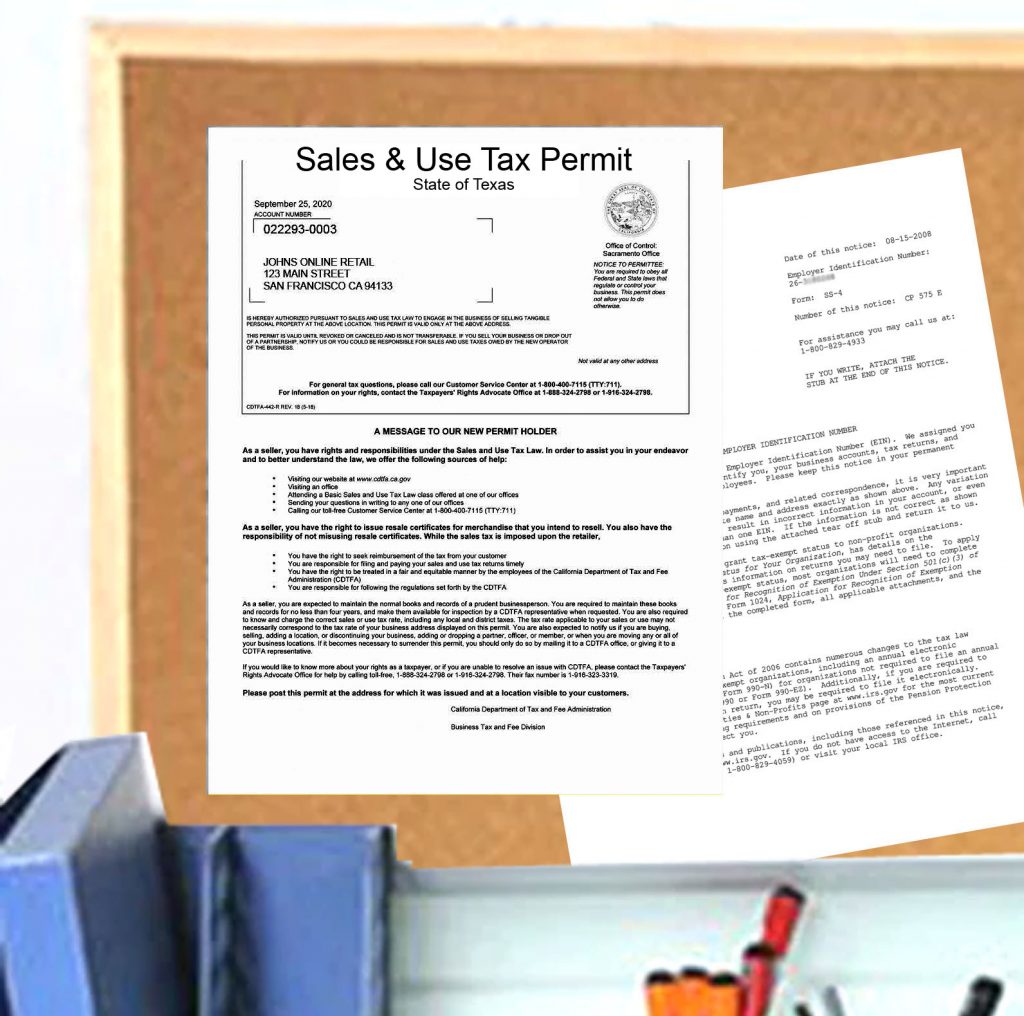
Once your application is approved, the CDTFA will issue your California Seller’s Permit, which includes your unique permit number and effective date. This number is essential for all sales tax-related activities, including issuing resale certificates to your suppliers.
You will also be assigned a sales tax filing frequency – typically monthly, quarterly, or annually. This frequency is determined by your estimated taxable sales volume. Businesses with higher sales usually file more frequently (monthly or quarterly), while those with lower sales may file annually. This schedule is a crucial part of your ongoing compliance responsibilities and integrates into the regular administrative tasks of an organized business lifestyle.
Beyond the Permit: Fulfilling Your Sales Tax Obligations in California
Obtaining your resale permit is merely the first step. To ensure your California business thrives compliantly, it’s vital to understand and consistently fulfill your ongoing sales tax obligations. This involves diligent collection, accurate reporting, and strategic use of your permit when making purchases for your business. Mastery of these elements contributes to a stress-free business lifestyle, avoiding potential pitfalls and penalties.
Collecting and Reporting Sales Tax
As a permit holder, you are legally required to collect sales tax from your customers on all taxable sales of tangible personal property within California.
- Understanding Tax Rates: California has a statewide sales tax rate, but local jurisdictions (cities and counties) can impose additional district taxes. This means the actual sales tax rate can vary depending on where the sale occurs. For instance, businesses operating in Los Angeles, San Francisco, or San Diego will likely collect a higher combined rate than in some less populated areas. It’s crucial to apply the correct rate for each transaction. The CDTFA website provides a handy lookup tool for current tax rates by address.
- Reporting: On your assigned filing frequency (monthly, quarterly, or annually), you must file a sales and use tax return with the CDTFA. This report details your total sales, taxable sales, and the amount of sales tax collected. The easiest way to do this is through the CDTFA’s online services portal, where you can electronically submit your return and make payments. Prompt and accurate reporting is paramount to avoid penalties.
Resale Certificates: Leveraging Your Permit for Purchases
One of the most significant benefits of holding a California Seller’s Permit is the ability to purchase items for resale without paying sales tax to your suppliers.
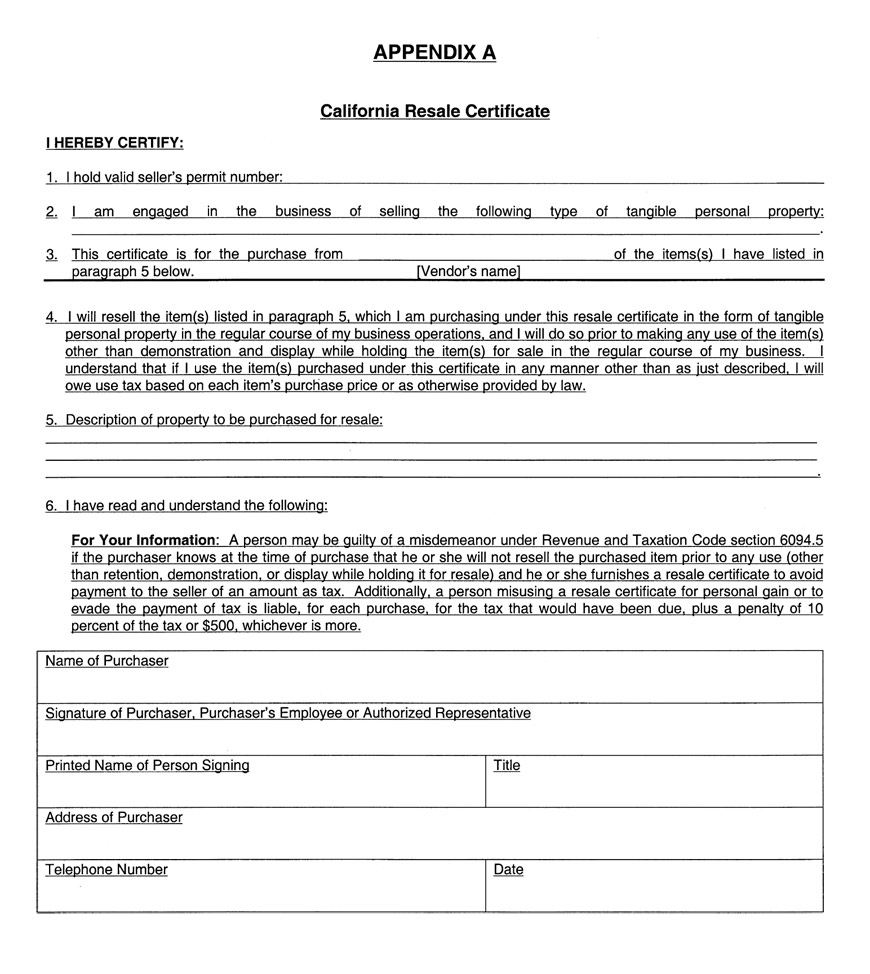
- Issuing a Resale Certificate: When buying inventory or components that you intend to resell, you can provide your supplier with a completed California Resale Certificate (Form CDTFA-230, or a similar document containing the required information). This certificate attests that the items are being purchased for resale and that you, as the permit holder, will collect and remit the sales tax when you sell them to your end customer.
- Documentation is Key: Always retain copies of all resale certificates you issue and receive. These documents are vital proof that you properly claimed a resale exemption for your purchases, protecting you during potential audits. Misusing a resale certificate (e.g., buying items for personal use without paying tax) can result in significant penalties.
Audits and Compliance: Staying Ahead
The CDTFA regularly conducts audits to ensure businesses are complying with California sales and use tax laws. While daunting, proactive measures can make the process smooth if your business is selected.
- Accurate Record-Keeping: Maintain meticulous records of all sales invoices, purchase records, sales tax returns, and any resale certificates issued or received. These records should be kept for at least four years. Digital record-keeping solutions can streamline this aspect of your business lifestyle.
- Understanding Your Obligations: Stay informed about changes in California tax laws. The CDTFA frequently updates its publications and regulations.
- Penalties for Non-Compliance: Failure to obtain a required permit, underreporting sales tax, or misuse of resale certificates can lead to substantial penalties, interest charges, and even criminal charges in severe cases. Being unregistered and making taxable sales is a serious issue that the state actively pursues.
Embracing California’s Business Landscape: Resources and Support for Your Lifestyle Venture
Successfully navigating the intricacies of sales tax and resale permits is an empowering aspect of building a sustainable entrepreneurial lifestyle in California. The state, through the CDTFA, provides numerous resources designed to support business owners in understanding and meeting their obligations. Leveraging these tools is a smart move for any entrepreneur looking to streamline operations and focus on growth.
Key CDTFA Resources
The CDTFA website is your primary hub for information and services related to California sales and use tax.
- Website: The official website offers a wealth of information, including detailed guides, publications (such as “Sales and Use Taxes: Tax Tips for Sellers”), frequently asked questions (FAQs), and a searchable database of sales and use tax laws and regulations.
- Online Services Account: Beyond permit application, your online account allows you to file returns, make payments, update business information, and communicate securely with the CDTFA.
- Customer Service: For specific questions or complex scenarios, the CDTFA offers robust customer service via phone and in-person at various field offices across the state. Don’t hesitate to reach out for clarification if you’re unsure about any aspect of your tax obligations.
Ongoing Education and Updates
The regulatory environment for businesses can change, and staying informed is a hallmark of a proactive business lifestyle.
- Workshops and Webinars: The CDTFA frequently hosts free educational workshops and webinars on various tax topics, including sales and use tax basics, record-keeping, and specific industry considerations. These are invaluable opportunities to deepen your understanding and network with other local entrepreneurs.
- Subscription to Updates: Consider signing up for CDTFA email alerts to receive notifications about new tax laws, rate changes, and important deadlines directly to your inbox. This ensures you’re always operating with the most current information.
The Broader Entrepreneurial Ecosystem
While obtaining a resale permit is a specific step, it fits into a larger picture of establishing and growing a business in California. Remember to consider other essential registrations and licenses that contribute to a fully compliant and thriving business lifestyle:
- Federal EIN: If you haven’t already, secure a Federal Employer Identification Number (EIN) from the IRS, especially if you plan to hire employees or operate as a corporation or LLC.
- City Business Licenses: Many California cities require their own local business licenses or permits. Check with your specific city or county government.
- Industry-Specific Permits: Depending on your business type, you might need additional state or local permits (e.g., health permits for food businesses, professional licenses).
By diligently addressing each of these administrative requirements, you lay a solid foundation for your California business, allowing you the freedom and peace of mind to innovate, create, and truly live the entrepreneurial lifestyle you envision.
LifeOutOfTheBox is a participant in the Amazon Services LLC Associates Program, an affiliate advertising program designed to provide a means for sites to earn advertising fees by advertising and linking to Amazon.com. Amazon, the Amazon logo, AmazonSupply, and the AmazonSupply logo are trademarks of Amazon.com, Inc. or its affiliates. As an Amazon Associate we earn affiliate commissions from qualifying purchases.