
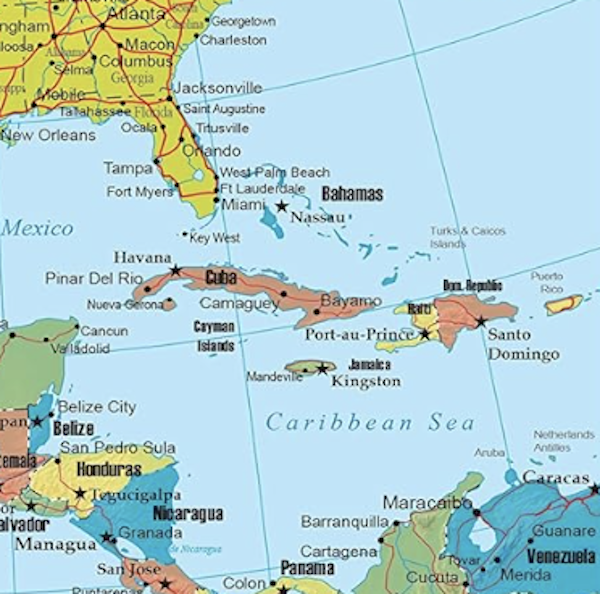
Puerto Rico, a vibrant island nestled in the Caribbean Sea, often sparks curiosity regarding its political status and its relationship with the United States. While it is a territory of the U.S., understanding the nuances of this relationship is key to appreciating its unique cultural tapestry and its role as a captivating travel destination. For travelers and those interested in global dynamics, this question delves into history, governance, and the everyday realities of life for its residents and visitors alike.
A Territory, Not a State
To definitively answer the question, it’s crucial to understand the terminology. Puerto Rico is an unincorporated territory of the United States. This designation carries significant implications for its governance, citizenship, and relationship with the mainland. Unlike the 50 states, Puerto Rico does not have voting representation in the U.S. Congress, nor do its residents cast votes in presidential elections.

Historical Roots of the Relationship
The current relationship between Puerto Rico and the United States stems from the Spanish-American War. In 1898, following the U.S. victory, Spain ceded Puerto Rico to the United States under the Treaty of Paris. Initially, it was governed by military rule, but in 1900, the Foraker Act established a civilian government. This marked the beginning of a complex evolution in its status. The Jones-Shafroth Act of 1917 granted Puerto Ricans statutory U.S. citizenship, a pivotal moment that further intertwined the island’s destiny with that of the United States. However, this citizenship is not the same as that of those born in the mainland United States, with certain limitations and distinctions.
The Nature of Unincorporated Territories
The classification of Puerto Rico as an “unincorporated territory” means that certain provisions of the U.S. Constitution do not apply to the island automatically. The U.S. Congress holds ultimate authority over Puerto Rico, and its residents are subject to federal laws, though they do not pay federal income tax on income earned in Puerto Rico. This unique arrangement has led to ongoing debates and aspirations for change, including statehood, enhanced commonwealth status, or independence.
Navigating Travel and Tourism in Puerto Rico
For the traveler, Puerto Rico’s status as a U.S. territory simplifies many aspects of the travel experience. Understanding this, however, is just the first step in unlocking the island’s rich offerings.
Practicalities for the International Traveler
Because Puerto Rico is a U.S. territory, U.S. citizens traveling from the mainland United States do not need a passport to visit. This makes spontaneous trips and last-minute getaways remarkably easy. Similarly, U.S. currency, the U.S. Dollar, is the official currency, eliminating the need for currency exchange. Mobile phone service typically works seamlessly, with domestic roaming rates applying for most U.S. carriers. These conveniences, inherent to its political ties with the United States, enhance the accessibility of Puerto Rico as a premier travel destination within the Caribbean.
A World of Culture and Experience
Despite the political ties, Puerto Rico possesses a profoundly distinct and vibrant culture, a fascinating blend of Taíno, Spanish, African, and American influences. This fusion is evident in its music, dance, cuisine, and daily life. Travelers can immerse themselves in the lively rhythm of salsa in San Juan’s Old Town, explore the bioluminescent bays of Vieques or La Parguera, and hike through the lush rainforest of El Yunque National Forest.
Exploring Historic San Juan
The capital city, San Juan, is a jewel of colonial history and modern dynamism. Its historic district, a UNESCO World Heritage Site, boasts imposing fortresses like Castillo San Felipe del Morro and Castillo San Cristóbal, testaments to centuries of strategic importance. Cobblestone streets wind through colorful Spanish colonial architecture, leading to charming plazas, boutique shops, and a plethora of restaurants offering everything from traditional mofongo to international fare. The energy of Old San Juan is palpable, a captivating fusion of the past and the present, making it an indispensable part of any visit.

Natural Wonders and Outdoor Adventures
Beyond the urban charm, Puerto Rico’s natural landscapes are breathtaking. El Yunque National Forest is the only tropical rainforest in the U.S. National Forest System, offering hiking trails, waterfalls, and a rich biodiversity. For beach lovers, the island boasts an array of stunning coastlines, from the calm waters of Luquillo Beach to the world-class surfing breaks of Rincón. Water sports enthusiasts will find ample opportunities for snorkeling, diving, kayaking, and paddleboarding in the crystal-clear waters surrounding the island and its smaller offshore islands like Culebra and Vieques.
Culinary Delights
Puerto Rican cuisine is a highlight for many visitors. Rooted in the island’s diverse heritage, it features fresh ingredients and bold flavors. Staples include plantains, rice and beans, and a variety of fresh seafood and meats. Signature dishes like lechón (roasted pig), tembleque (coconut pudding), and tempranillo are must-tries. The burgeoning farm-to-table movement and the vibrant food truck scene add contemporary twists to traditional offerings, ensuring a memorable gastronomic journey.
Economic and Social Considerations
The political status of Puerto Rico also has significant economic and social implications that impact the island. While it benefits from some U.S. federal programs and access to the U.S. market, it also faces economic challenges, including a substantial public debt. These factors can influence infrastructure development, employment opportunities, and the overall cost of living, which in turn can affect the visitor experience in subtle ways. Understanding these undercurrents adds a layer of appreciation for the resilience and spirit of the Puerto Rican people.
Beyond the Political Label: The Puerto Rican Identity
While the legal classification of Puerto Rico as a U.S. territory is a factual reality, it is crucial to recognize that its identity is far richer and more complex than any political label. The island has a distinct national identity, deeply rooted in its history, language, and cultural traditions.
The Spanish Language and Cultural Heritage
Spanish is the primary language spoken in Puerto Rico, and it is a cornerstone of its cultural heritage. While English is also widely understood and spoken, especially in tourist areas, immersing oneself in Spanish offers a deeper connection to the local culture. The island’s heritage is a vibrant mosaic, celebrating its Taíno indigenous roots, the enduring influence of Spanish colonization, the legacy of African slavery, and the more recent contributions from American culture. This unique blend creates an atmosphere unlike any other in the Caribbean.
Citizenship and Rights
As mentioned, Puerto Ricans are U.S. citizens by statute. This grants them the right to travel freely to the United States, serve in the U.S. military, and receive Social Security benefits. However, the absence of voting representation in Congress and the inability to vote for the President remain significant points of contention and ongoing political debate on the island. This duality—being both U.S. citizens and citizens of a territory with limited political power—shapes the island’s internal discourse and its relationship with the federal government.
A Unique Destination: Embracing the Nuance
In conclusion, the question “Is Puerto Rico United States?” is best answered with a nuanced understanding. Politically, it is an unincorporated territory of the United States. However, culturally, historically, and in terms of its national identity, Puerto Rico stands as a distinct and vibrant entity.
Why This Matters to Travelers
For travelers, this understanding allows for a more informed and enriched experience. It explains the ease of travel for U.S. citizens, the use of the U.S. Dollar, and the seamless integration of certain American conveniences. Simultaneously, it highlights the profound opportunity to immerse oneself in a unique cultural landscape, explore historical marvels, indulge in exquisite cuisine, and experience the warmth and resilience of the Puerto Rican people. Puerto Rico is not merely an island; it is a testament to a complex political reality and a dazzling celebration of a rich, enduring culture, making it an unparalleled destination for exploration and discovery.
LifeOutOfTheBox is a participant in the Amazon Services LLC Associates Program, an affiliate advertising program designed to provide a means for sites to earn advertising fees by advertising and linking to Amazon.com. Amazon, the Amazon logo, AmazonSupply, and the AmazonSupply logo are trademarks of Amazon.com, Inc. or its affiliates. As an Amazon Associate we earn affiliate commissions from qualifying purchases.