
Navigating the sprawling expanse of Los Angeles can be an intimidating prospect for both locals and visitors alike. Often criticized for its car-centric culture, the city actually boasts a surprisingly robust public transit system operated by LA Metro. Whether you are planning a trip to see the iconic Hollywood Sign, exploring the artistic corners of Downtown Los Angeles, or heading toward the coastal breeze of Santa Monica, understanding how to pay for your bus fare is the key to unlocking the city without the stress of gridlock traffic or the cost of premium parking.

The TAP Card: Your Essential Transit Companion
The cornerstone of the Los Angeles public transportation experience is the TAP card. This reloadable smart card is the standard method of payment for the vast majority of buses and trains across the county. Gone are the days of fumbling for exact change; the TAP system allows for a seamless, contactless boarding process that keeps the bus moving efficiently.
Acquiring Your TAP Card
You can purchase a physical TAP card at hundreds of retail locations, including many grocery stores, pharmacies, and transit centers throughout the California region. Additionally, every LA Metro rail station features automated vending machines where you can buy a new card or reload an existing one with cash, debit, or credit cards. For those who prefer a digital-first approach, the TAP mobile app allows you to store your transit pass directly on your smartphone, enabling you to tap your phone at the validator as you board.
Understanding Stored Value vs. Passes
When loading funds onto your TAP card, you have two primary options. “Stored Value” functions like a debit account; you load money onto the card, and each time you tap, the single-ride fare is deducted. This is ideal for occasional riders. Alternatively, if you plan on spending several days exploring landmarks like the Griffith Observatory or the Getty Center, purchasing a 1-Day, 7-Day, or 30-Day pass is significantly more economical. These passes offer unlimited rides on LA Metro buses and trains during their validity period.
Boarding and Paying: A Step-by-Step Guide
Once you have your TAP card or digital wallet ready, using the Los Angeles bus system becomes second nature. However, there are a few nuances to boarding that can save you time and confusion.
How to Board
When your bus arrives, board through the front door. You will see a small electronic reader—the TAP validator—located immediately to your right. Simply touch your physical TAP card or your smartphone (with the TAP app enabled) to the circular target on the reader. You will hear a beep and see a green light, confirming that your fare has been accepted. If you are using a paper transfer or paying with cash (more on that below), notify the driver immediately upon boarding.
Paying with Cash
While LA Metro heavily encourages the use of TAP cards, they do still accept cash on board. However, it is vital to remember that bus operators do not carry change. If you choose to pay in cash, you must have the exact fare amount ready. Deposit your money into the farebox upon entry. It is highly recommended to stick with the TAP system, as cash payments do not offer the same free-transfer benefits that come with a registered TAP card.

Free Transfers
One of the most traveler-friendly features of the Los Angeles transit system is the free transfer policy. When you pay with a TAP card, your fare includes a two-hour window for transfers. This means you can hop off one bus to visit a site like the The Broad and board another bus within two hours without being charged a second fare. This is particularly useful when connecting between different lines to reach destinations like Venice Beach or Beverly Hills.
Navigating Different Transit Agencies
While LA Metro operates the vast majority of buses in the county, Los Angeles is a patchwork of various municipal transit agencies. Understanding how these overlap is essential for a smooth journey.
Municipal Operators
In addition to the main metro system, you may find yourself using lines operated by municipal providers such as Santa Monica Big Blue Bus, Culver City Bus, or Long Beach Transit. The great news is that the TAP card acts as a universal key. Because these agencies participate in the regional TAP network, you can use the same card across almost all of them.
Planning Your Route
Before heading out to major sights like the Hollywood Walk of Fame, it is wise to utilize transit-planning tools. Applications such as Google Maps or the official LA Metro transit app can provide real-time updates on bus arrivals and optimal routes. These tools will automatically factor in your transfer times and identify whether your intended route involves multiple agencies, ensuring your TAP card is ready for whatever transit line you encounter.
Tips for a Seamless Experience
To ensure your journey through California remains stress-free, consider these final logistical tips for the public transit rider.
Registering Your Card
Registering your physical TAP card on the official website provides a crucial safety net. If you lose your card, your stored balance and active passes can be recovered and transferred to a new card. Furthermore, registering allows you to set up “Auto-Reload,” so you never have to worry about your balance dropping to zero while you are mid-transit.
Observing Etiquette
Public transit is a shared space. When riding buses that connect popular areas like Universal Studios Hollywood or Koreatown, remember to keep your belongings on your lap or beneath your seat to allow for more passenger space. Additionally, while the bus is in motion, wait until the bus has come to a full stop before moving toward the exit doors. When you are ready to get off, pull the yellow cord or press the “stop request” button well in advance of your stop.
Safety and Accessibility
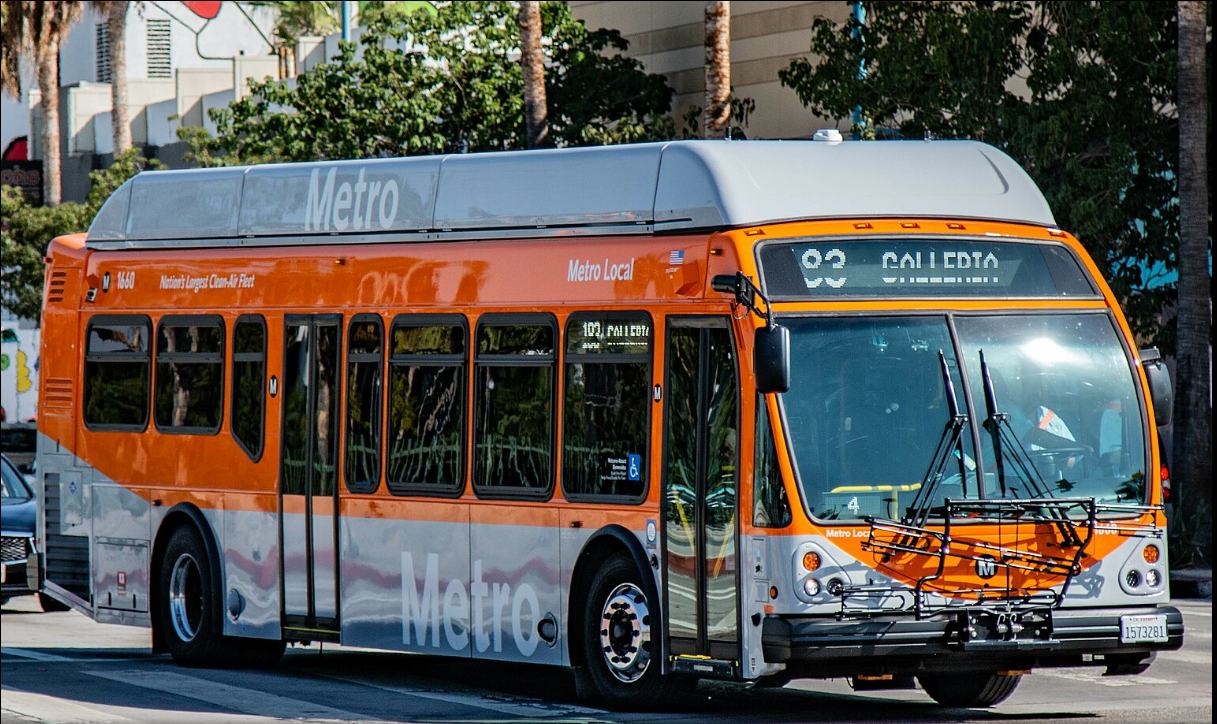
LA Metro is committed to accessibility. All buses are equipped with low-floor entry and hydraulic ramps to assist those with strollers, wheelchairs, or mobility devices. If you need assistance, the bus operator is trained to deploy the ramp and ensure a safe boarding process. As with any major city, stay aware of your surroundings, keep your belongings close, and travel during peak daylight hours if you are unfamiliar with specific neighborhoods.
By embracing the TAP system and familiarizing yourself with the network, you transform Los Angeles from a challenging maze of highways into an accessible, vibrant city of neighborhoods. Whether you are catching a bus to the Los Angeles County Museum of Art or simply commuting through the San Fernando Valley, public transit offers a budget-friendly and sustainable way to experience the best that this iconic destination has to offer.
LifeOutOfTheBox is a participant in the Amazon Services LLC Associates Program, an affiliate advertising program designed to provide a means for sites to earn advertising fees by advertising and linking to Amazon.com. Amazon, the Amazon logo, AmazonSupply, and the AmazonSupply logo are trademarks of Amazon.com, Inc. or its affiliates. As an Amazon Associate we earn affiliate commissions from qualifying purchases.