
Navigating the sprawling metropolis of New York City can be an exhilarating experience, filled with iconic landmarks, diverse neighborhoods, and a vibrant cultural tapestry. While the New York City Subway often steals the spotlight, the city’s extensive bus network offers a unique and often more scenic way to explore its many wonders. Whether you’re heading to a renowned attraction like the Metropolitan Museum of Art or seeking out hidden gems in neighborhoods like Greenwich Village, understanding how to pay for your bus fare is crucial for a smooth and enjoyable journey. This guide will demystify the payment process, ensuring you can hop on and off the bus with confidence, making the most of your New York adventure.
Understanding the Metropolitan Transportation Authority (MTA) Bus System
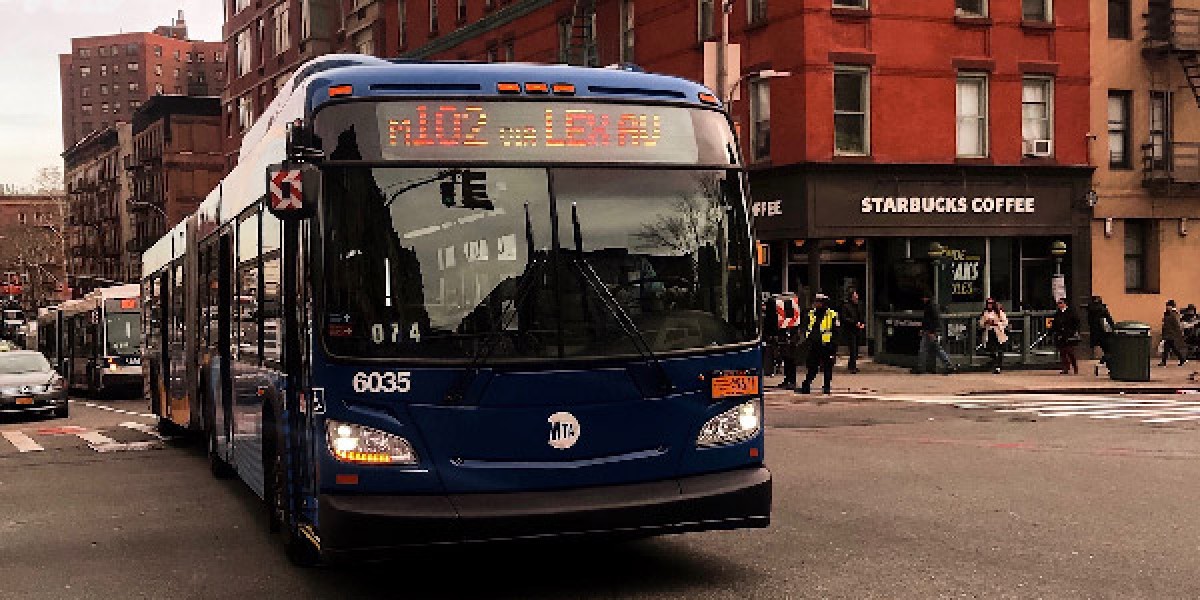
The MTA operates the bus system in New York City, encompassing all five boroughs: Manhattan, Brooklyn, Queens, the Bronx, and Staten Island. This vast network connects residents and visitors alike to virtually every corner of the city, offering a budget-friendly alternative to taxis and ride-sharing services, especially for shorter distances or when exploring at a leisurely pace. Unlike the subway, buses often provide street-level views, allowing you to soak in the city’s dynamic atmosphere and observe daily life unfold. From the historic brownstones of Brooklyn to the bustling streets of Times Square, the bus can be your intimate guide to the urban landscape.
Payment Options: The Evolution of Fares
The way you pay for your bus ride has evolved significantly, moving towards a more streamlined and cashless system. While some older methods might still linger, the primary and most recommended way to pay is through the use of a fare card. This shift benefits both riders and the transit authority by reducing cash handling, speeding up boarding times, and offering greater convenience.
The OMNY System: Your Digital Key to the City
The most modern and user-friendly method for paying your bus fare is through the OMNY (One Metro New York) contactless payment system. This innovative technology is progressively replacing older fare collection methods across the MTA network, including buses and subways.
-
Contactless Credit/Debit Cards: The simplest way to use OMNY is by tapping your contactless-enabled credit or debit card directly on the reader. These readers are prominently displayed at the front of every bus. Ensure your card has the contactless symbol (often a series of curved lines resembling Wi-Fi waves) to use this feature. The fare will be charged directly to your linked card.
-
Smartphones and Wearable Devices: If you prefer using your mobile device or smartwatch for payments, OMNY is compatible with most digital wallets. Simply add your credit or debit card to services like Apple Pay, Google Pay, or Samsung Pay. Then, just tap your device on the OMNY reader when boarding. This is an incredibly convenient option, especially if you want to keep your wallet tucked away while on the go.
-
OMNY Card: For those who prefer not to use their personal cards or devices, the OMNY card is a reloadable smart card that works similarly to a subway MetroCard but with the enhanced capabilities of OMNY. You can purchase an OMNY card at select retail locations throughout New York City or order one online. Once you have your card, you can load value onto it and tap it on the reader to pay your fare.
Benefits of OMNY:
The OMNY system offers several advantages. It provides a seamless experience, allowing for quick boarding without the need to fumble for cash or pre-purchase tickets. Additionally, OMNY offers fare capping, meaning that after you’ve paid a certain amount for rides within a week (Monday to Sunday), you won’t be charged for additional rides until the following week. This is particularly beneficial for those taking multiple bus trips throughout their stay.
The MetroCard: A Familiar Friend (for now)
While OMNY is the future, the MetroCard remains a viable option for paying your bus fare, though its role is gradually diminishing. The MetroCard is a plastic fare card that you can purchase and reload at vending machines in subway stations or at select retail locations.
-
How to Use: To pay your bus fare with a MetroCard, simply swipe it through the fare slot located next to the driver. Make sure you swipe it correctly to register the payment. You’ll hear a beep and see a confirmation on the display.
-
Types of MetroCards: You can purchase a Pay-Per-Ride MetroCard, where you load a specific dollar amount onto the card, and each ride deducts the fare. There are also Unlimited Ride MetroCards for durations like 7-day or 30-day unlimited rides, which can be cost-effective if you plan on extensive bus travel.
Important Note on MetroCards: As OMNY continues to expand, MTA plans to phase out the MetroCard entirely. It’s advisable to use the OMNY system for the most future-proof experience. However, if you already have a MetroCard with value on it, you can continue to use it until it’s no longer accepted.
Cash Payments: A Fading Option
In the past, paying with cash directly to the bus driver was a common method. However, this option is increasingly being phased out for MTA buses. While some smaller, non-MTA transit operators might still accept cash, for the vast majority of city buses, you will need a contactless payment method or a MetroCard.
Why the Shift? The move away from cash is driven by several factors, including enhanced security for drivers, increased efficiency at boarding, and the desire to embrace modern payment technologies. This streamlines the entire public transportation experience for everyone.
Navigating Bus Fares and Transfers
Understanding the current fare structure and how transfers work is essential for planning your bus journeys effectively. This knowledge can help you save money and ensure you reach your destination without any unexpected charges.
Current Fare Structure
As of the latest updates, the standard fare for a single ride on an MTA bus is a set amount, which is the same as the base subway fare. This fare covers your journey on a single bus route. When using OMNY, your contactless card or device will be charged the standard fare. If using a Pay-Per-Ride MetroCard, the fare will be deducted from your balance.
The Free Transfer Policy

One of the most valuable aspects of the MTA transit system is the ability to make free transfers between buses and between buses and subways. This policy significantly enhances the convenience and affordability of using public transportation to explore New York City.
-
Bus-to-Bus Transfers: If you need to switch to another bus route to reach your final destination, you can do so for free within a designated transfer window. When you pay your fare with OMNY (using a credit/debit card, smartphone, or OMNY card), the system automatically tracks your transfers. Simply tap your same payment method on the reader of the next bus within the allowed time frame. For MetroCard users, you will need to ensure your card is loaded with sufficient value to initiate the first ride, and the system will allow for a free transfer.
-
Bus-to-Subway Transfers: Similarly, you can transfer between buses and subways without paying an additional fare. If you start your journey on a bus and need to switch to the subway, tap your OMNY device or card on the subway fare gate. If you start on the subway, you can then board a bus and tap your payment method.
Transfer Window: The free transfer typically allows a certain amount of time to make your connection. It is generally up to two hours from the time you pay your initial fare. This is ample time to navigate between different bus routes or between bus and subway stations.
Important Considerations for Transfers:
- Consecutive Rides: Ensure you are making a legitimate transfer and not just exiting and re-boarding the same bus route. The system is designed to recognize route changes.
- Payment Method Consistency: For OMNY, always use the same card or device for all parts of your transfer to ensure it’s recognized.
- Unlimited MetroCards: If you have a 7-day or 30-day Unlimited MetroCard, transfers are inherently included, allowing you to ride as much as you want within the validity period.
Tips for a Smooth Bus Journey in New York City
Beyond understanding the payment system, a few practical tips can elevate your bus travel experience in New York City, making it more enjoyable and efficient. Whether you’re a first-time visitor or a seasoned traveler, these insights can help you navigate the city’s buses with ease.
Planning Your Route
Before you even step out of your accommodation, such as the Grand Hyatt Hotel or a charming apartment rental in Williamsburg, it’s wise to plan your route.
-
MTA Trip Planner: The MTA website and its dedicated mobile app offer comprehensive trip planning tools. You can input your starting point and destination, and it will suggest the best bus routes, including any necessary transfers. This is invaluable for understanding travel times and identifying specific bus numbers.
-
Google Maps and Other Navigation Apps: Popular navigation apps like Google Maps are excellent resources for New York City transit. They provide real-time bus information, estimated arrival times, and walking directions to and from bus stops.
-
Bus Stop Signage: Once you’re at a bus stop, look for the posted schedules and route maps. These provide essential information about the routes that serve that particular stop and the general direction of travel.
Understanding Bus Etiquette and Safety
Observing basic bus etiquette ensures a pleasant ride for everyone and contributes to a safer travel environment.
-
Boarding: Allow passengers to exit the bus before you attempt to board. Generally, passengers board through the front door. Have your payment method ready to tap or swipe as soon as you step onto the bus.
-
Seating: Offer your seat to seniors, pregnant individuals, or passengers with disabilities. The front seats are often reserved for these passengers.
-
Noise Levels: Keep conversations and music at a reasonable volume. Use headphones for personal audio devices.
-
Personal Belongings: Be mindful of your belongings and keep them with you. Avoid blocking the aisle with large bags or luggage.
-
Safety: Stay alert and aware of your surroundings. Keep valuables secure, especially during crowded times. If you feel uncomfortable or witness any concerning behavior, don’t hesitate to report it to the bus operator or call the appropriate authorities.
Making the Most of Bus Travel
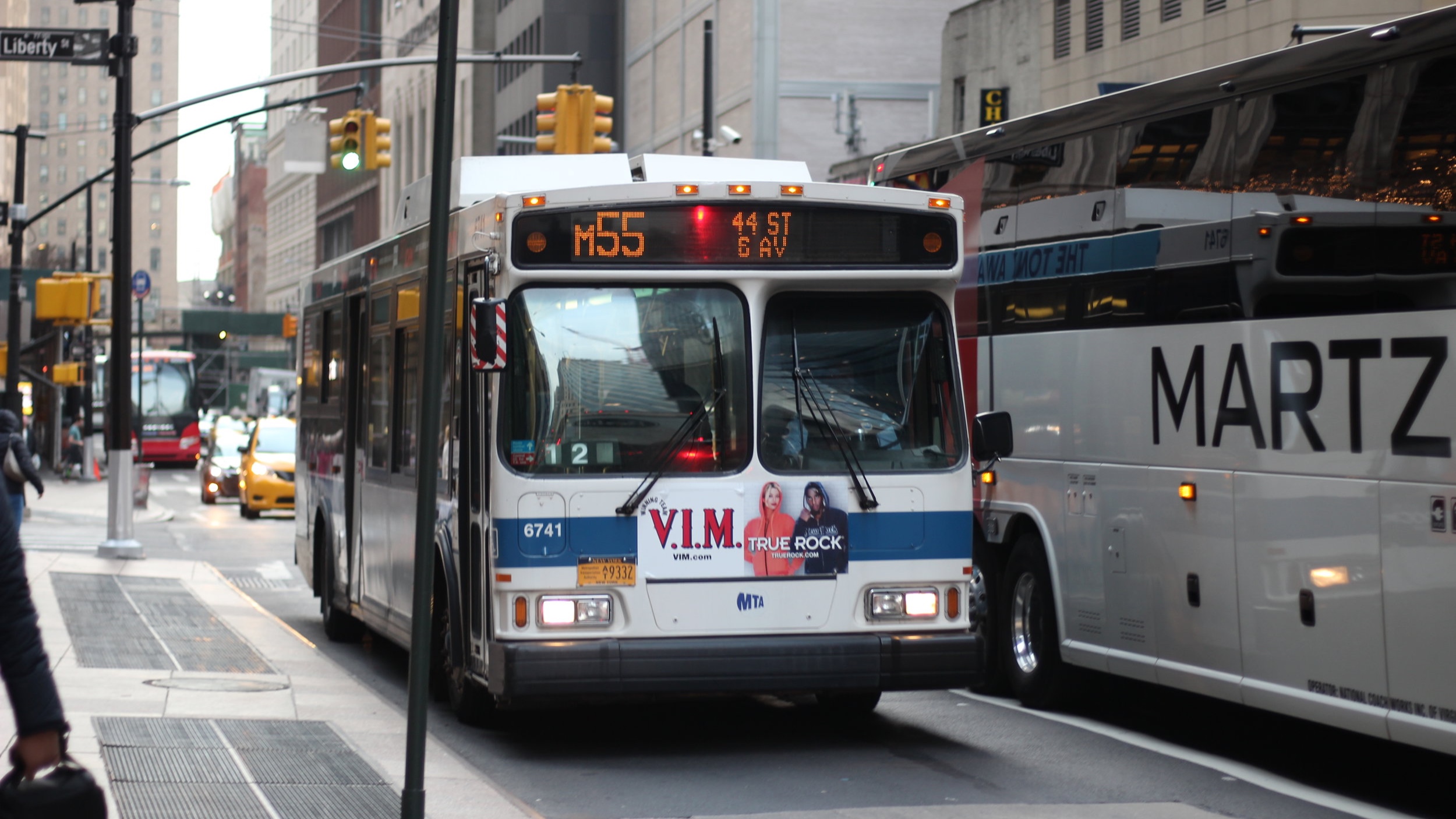
Bus travel in New York City offers a unique perspective. Embrace it!
-
Scenic Routes: Many bus routes, especially those that traverse Manhattan north-south or wind through neighborhoods like Harlem or parts of Queens, offer fantastic views of architecture, local life, and even glimpses of landmarks like the Empire State Building or the Chrysler Building.
-
Local Experiences: Buses are a great way to experience the city like a local. You’ll see neighborhoods, parks like Central Park, and community hubs that might not be on the typical tourist trail.
-
Accessibility: The MTA buses are generally accessible, with ramps and designated spaces for wheelchairs and strollers.
By familiarizing yourself with the payment options, understanding transfer policies, and embracing these practical tips, your bus journeys in New York City will be efficient, enjoyable, and a valuable part of your urban exploration, allowing you to discover the city’s multifaceted charm at your own pace.
LifeOutOfTheBox is a participant in the Amazon Services LLC Associates Program, an affiliate advertising program designed to provide a means for sites to earn advertising fees by advertising and linking to Amazon.com. Amazon, the Amazon logo, AmazonSupply, and the AmazonSupply logo are trademarks of Amazon.com, Inc. or its affiliates. As an Amazon Associate we earn affiliate commissions from qualifying purchases.