
Seattle, Washington, often referred to as the “Emerald City” for its lush evergreen landscapes, stands as a vibrant beacon in the Pacific Northwest region of the U.S.. For those contemplating a move, or even a long-term stay, the question “Is Seattle a good place to live?” evokes a complex blend of considerations. From its booming tech industry and stunning natural beauty to its distinct culture and urban challenges, Seattle offers a unique lifestyle that appeals to many but isn’t without its quirks. As a destination for both travelers seeking adventure and individuals looking to establish roots, understanding what makes Seattle tick is essential. This article delves into the various facets of life in the Emerald City, covering everything from its dynamic lifestyle and diverse accommodations to its iconic landmarks and practical living aspects, providing a comprehensive guide for anyone considering making this Pacific Northwest gem their home. We’ll explore how this city, renowned for its innovation and natural splendor, balances the demands of modern urban living with an unparalleled connection to the outdoors, all while maintaining a distinctive cultural identity.
The Allure of the Emerald City: A Lifestyle Perspective
Seattle’s lifestyle is a captivating blend of cutting-edge innovation, a profound appreciation for nature, and a thriving cultural scene. It’s a city where tech giants shape the future, yet a deep-seated commitment to outdoor recreation and environmental consciousness remains at its core. This unique dynamic defines the daily lives of Seattleites, creating an environment that is both fast-paced and laid-back, ambitious and artistic. The city’s inhabitants often exemplify a blend of professional drive and an adventurous spirit, easily transitioning from a corporate meeting to a mountain trail. It’s this balance that attracts a diverse population, from young professionals seeking career opportunities to families desiring a high quality of life with access to world-class amenities and pristine natural environments. The cultural fabric is rich, influenced by its diverse population and a history rooted in resourcefulness and pioneering spirit.
Embracing the Outdoors: Nature’s Playground
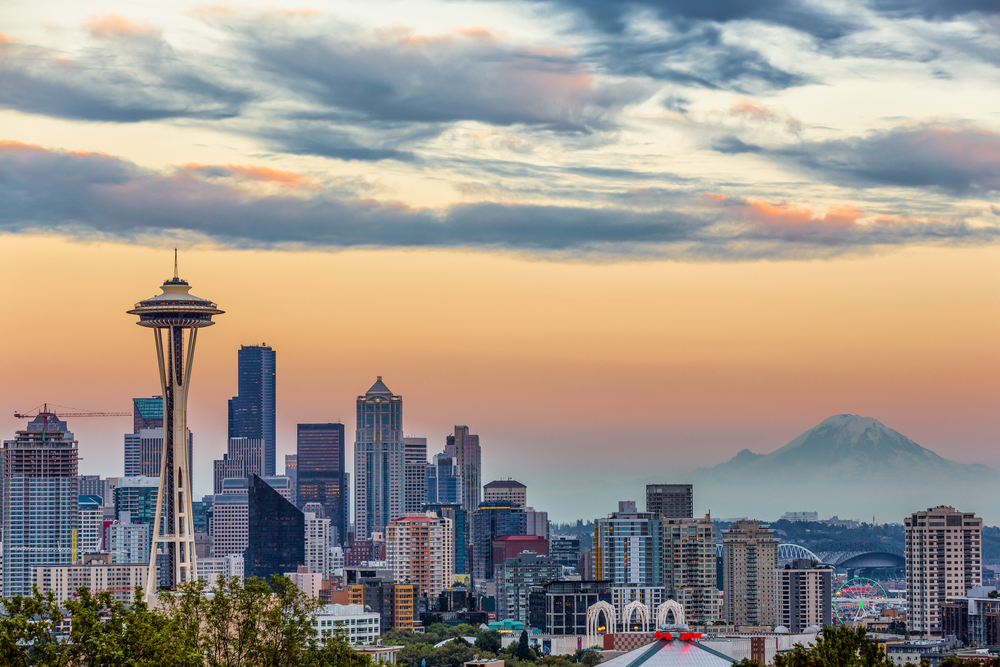
One of Seattle’s most compelling draws is its unparalleled access to nature. Nestled between the tranquil waters of Puget Sound and the majestic peaks of the Cascades and Olympic Mountains, the city is a paradise for outdoor enthusiasts. Residents can easily engage in a plethora of activities, from hiking and mountain biking in nearby national parks to kayaking and paddleboarding on Lake Union and Lake Washington. Skiing and snowboarding destinations are just a short drive away in the winter, offering a thrilling escape from urban life. The city itself boasts an impressive network of green spaces, including Discovery Park, the largest urban park in Seattle, offering miles of walking trails, beaches, and stunning views of the sound and mountains. Gas Works Park provides unique panoramic views of the city skyline and Lake Union, while Kerry Park on Queen Anne Hill is famous for its iconic postcard-perfect vista of the Space Needle against the backdrop of Mount Rainier. This seamless integration of urban living with immediate access to vast wilderness areas is a significant factor for many who choose to call Seattle home, making it an ideal location for those who thrive on active lifestyles and appreciate the restorative power of nature.
A Hub of Innovation and Culture
Beyond its natural beauty, Seattle is a global epicenter of innovation, particularly in the technology sector. Home to giants like Microsoft, Amazon, and Boeing (though much of its operations have moved elsewhere, its legacy remains), the city attracts a highly educated and skilled workforce from around the world. This dynamic environment fosters a culture of entrepreneurship, research, and development, providing abundant career opportunities and contributing to a vibrant intellectual atmosphere. The presence of the University of Washington, a top-tier research institution, further solidifies Seattle’s position as an academic and scientific hub.
Culturally, Seattle is rich and diverse. It’s renowned for its influential music scene, particularly its grunge roots, which are still celebrated at institutions like the Museum of Pop Culture (MoPOP). The city also boasts a thriving performing arts community, with numerous theaters, live music venues, and art galleries, including the Seattle Art Museum (SAM). Its culinary landscape is equally impressive, offering everything from world-class seafood fresh from the Pacific Ocean to a diverse array of international cuisines reflective of its multicultural population. The coffee culture is legendary, with independent cafes dotting every neighborhood, reflecting the city’s pioneering spirit in the coffee industry. This blend of technological advancement and a rich artistic tapestry creates a stimulating environment where intellectual pursuits and creative expressions flourish.
Accommodation and Urban Living: Finding Your Niche
For prospective residents, understanding the accommodation landscape and urban living dynamics is crucial. Seattle’s real estate market is notoriously competitive, reflecting its desirability and economic strength. However, the city offers a wide range of living options, from bustling downtown apartments to charming suburban homes, each with its own character and amenities. Choosing the right neighborhood is key to enjoying life in Seattle, as each area offers a distinct vibe, community feel, and access to different facilities. Whether one prefers the energy of urban living, the quiet charm of a residential street, or proximity to specific cultural or natural attractions, Seattle has a niche.
Diverse Neighborhoods, Diverse Experiences
Seattle is a city of distinct neighborhoods, each offering its own unique flavor and appeal. Downtown Seattle and South Lake Union are at the heart of the action, ideal for those seeking a fast-paced urban environment with direct access to corporate offices, high-rise apartments, and an abundance of dining and entertainment options. Capitol Hill is known for its vibrant nightlife, eclectic boutiques, and diverse community, making it a popular choice for young professionals and artists. It’s a lively area with historic architecture and a strong sense of local identity.
For a more bohemian and artsy vibe, Fremont, often called the “Center of the Universe,” offers quirky public art, independent shops, and a community-oriented atmosphere. Meanwhile, Ballard, with its maritime history, blends historic charm with modern breweries, farm-to-table restaurants, and a bustling Sunday market. Queen Anne offers elegant residential streets, stunning city views, and a quieter, more upscale feel. Families often gravitate towards neighborhoods like Wallingford or Green Lake for their excellent parks, community amenities, and good schools. Each neighborhood provides a distinct living experience, ranging from luxury apartments to more modest family homes, ensuring that prospective residents can find a community that resonates with their lifestyle preferences. When considering a move, spending time in different areas, perhaps through short-term accommodations like serviced apartments or boutique hotels, can offer invaluable insight into their unique characters.
Housing Market and Cost of Living
It’s no secret that Seattle ranks among the most expensive cities to live in the U.S.. The robust job market, particularly in tech, has driven up housing costs significantly, making both homeownership and renting a substantial financial commitment. Average rents for apartments, suites, or even extended-stay hotels in prime locations can be considerably higher than the national average. New residents often find themselves exploring various types of accommodation, from furnished corporate apartments for temporary stays to a range of long-term rental options. While the cost of living can be a challenge, the city offers a high average salary to offset some of these expenses.
Beyond housing, everyday costs like groceries, transportation, and entertainment are also above average. However, the quality of life, access to world-class amenities, and high-paying job opportunities are often seen as justifying these costs for many. For those relocating, it’s wise to thoroughly research neighborhood-specific costs and consider different housing types, perhaps starting with a short-term hotel or apartment booking to get acquainted with the city before committing to a long-term lease or purchase. Budget travel strategies can still be applied even when looking for long-term accommodation, comparing different areas and types of residences to find the best value.
Exploring Seattle: Attractions and Experiences for Residents
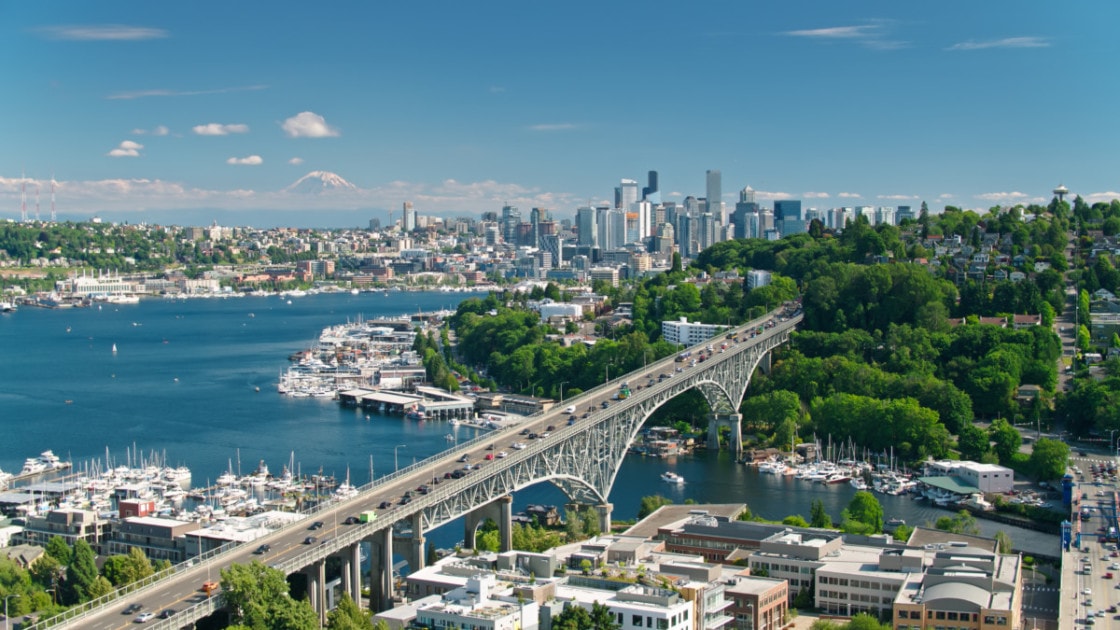
Living in Seattle means having constant access to a wealth of attractions and unique experiences that blend history, culture, and entertainment. From iconic landmarks that define its skyline to bustling markets and serene parks, the city offers endless opportunities for exploration and enjoyment, whether you’re a long-term resident or just visiting. Engaging with these local treasures helps foster a deeper connection to the Emerald City and provides a continuous source of leisure and discovery.
Iconic Landmarks and Must-Visit Attractions
Seattle is home to several world-renowned landmarks that contribute significantly to its identity and appeal. The most iconic is arguably the Space Needle, a futuristic tower built for the 1962 World’s Fair, offering breathtaking panoramic views of the city, mountains, and water. Adjacent to it, the Seattle Center complex hosts several other attractions, including the stunning Chihuly Garden and Glass exhibit, a testament to the artistry of glassblower Dale Chihuly, and the imaginative Museum of Pop Culture (MoPOP).
No discussion of Seattle landmarks is complete without mentioning Pike Place Market. This historic public market, established in 1907, is a sensory delight, famous for its flying fish, artisan crafts, fresh produce, and vibrant atmosphere. It’s not just a tourist attraction but a beloved local institution where residents shop for groceries and enjoy diverse eateries. Other notable attractions include the Seattle Aquarium on the waterfront, the Woodland Park Zoo, and the vast green expanses of Discovery Park. These landmarks, ranging from architectural marvels to natural havens, offer residents continuous opportunities for engaging local tourism and exploration.
Culinary Delights and Local Flavors
Seattle’s food scene is as diverse and dynamic as its population, offering a culinary journey that reflects its unique geographical position and cultural melting pot. Fresh seafood is a cornerstone, with local establishments serving up succulent Pacific Northwest salmon, oysters, and Dungeness crab. The city’s proximity to rich agricultural lands also means an abundance of farm-to-table restaurants and farmers’ markets, ensuring fresh, seasonal ingredients are always on the menu.
Beyond seafood, Seattle is a haven for diverse international cuisines, particularly Asian fusion, Vietnamese, and Ethiopian, thanks to its significant immigrant communities. Of course, the city’s coffee culture is legendary. As the birthplace of Starbucks, Seattle has cultivated a sophisticated palate for coffee, with countless independent roasters and cafes offering artisanal brews and unique coffee experiences. From upscale fine dining to casual food trucks and bustling breweries, the Emerald City offers a gastronomic adventure for every taste and budget, making eating out or exploring new food trends a favorite pastime for residents.
The Practicalities of Living in Seattle: Navigating the Emerald City
Beyond the allure of its lifestyle and attractions, prospective residents must also consider the practical aspects of daily life in Seattle. Understanding the city’s transportation network, climate, and general atmosphere is vital for a smooth transition and long-term satisfaction. Like any major urban center, Seattle has its operational quirks and challenges, which are important to factor into the decision-making process.
Transportation and Connectivity
Navigating Seattle without a car is increasingly feasible, especially within the downtown core and many surrounding neighborhoods. The city boasts a growing public transportation system, King County Metro, which includes an extensive network of buses, the Link Light Rail connecting Downtown Seattle with the airport and northern and southern suburbs, and the Seattle Streetcar. Many neighborhoods are highly walkable and bike-friendly, with dedicated bike lanes and trails like the Burke-Gilman Trail.
However, traffic congestion can be a significant issue, particularly during peak hours, and navigating the city by car can be challenging, with limited parking in some areas. Ride-sharing services are readily available, and the Washington State Ferries provide unique transportation and scenic routes across Puget Sound to various islands and peninsulas, offering both a commute and a mini-adventure. For those who frequently travel, Seattle-Tacoma International Airport (Sea-Tac) provides excellent connectivity to domestic and international destinations, making it a convenient base for exploring other parts of the U.S., Canada, or even Alaska.
Weathering the Seattle Climate
Perhaps the most talked-about aspect of living in Seattle is its weather. The city is famous for its persistent gray skies and frequent drizzle, especially during the fall, winter, and spring months. While heavy rainfall is less common than often perceived, the consistent overcast conditions and light rain can be a significant adjustment for newcomers. Residents quickly learn to embrace waterproof gear and layer their clothing.
However, the reward for enduring the “liquid sunshine” is Seattle’s glorious summers. From July through September, the city transforms, offering long, sunny days with comfortable temperatures and low humidity, making it an ideal time for outdoor activities, festivals, and enjoying the natural beauty. The vibrant green landscape, a direct result of the abundant precipitation, is also a constant reminder of the Emerald City’s unique charm. For many, the mild winters and stunning summers strike a perfect balance, while others find the prolonged gray periods challenging. Understanding and preparing for this climate is essential for a happy and comfortable life in Seattle.

Conclusion: Is Seattle the Right Fit for You?
So, “Is Seattle WA a good place to live?” The answer, like the city itself, is nuanced and depends largely on individual priorities and preferences. For those drawn to a dynamic job market in technology, a deep appreciation for the outdoors, and a rich cultural tapestry, Seattle offers an unparalleled quality of life. Its stunning natural setting, from the waters of Puget Sound to the nearby mountain ranges, provides endless opportunities for adventure and recreation. The city’s diverse neighborhoods, world-class dining, and vibrant arts scene ensure that there’s always something new to explore.
However, prospective residents must also be prepared for the high cost of living, particularly housing, and the city’s notorious “liquid sunshine” during much of the year. While the public transportation system is improving, navigating traffic can still be a challenge. Ultimately, Seattle is a city of contrasts: it’s a bustling urban hub nestled within breathtaking natural beauty, a center of innovation with a laid-back Pacific Northwest vibe, and a place where a strong sense of community thrives amidst rapid growth. For those who embrace its unique blend of opportunities and challenges, the Emerald City can indeed be a fantastic place to live, offering a rewarding lifestyle filled with natural wonders, career advancements, and a distinctive cultural experience. It’s a destination that promises both adventure and a sense of belonging for the right individual.
LifeOutOfTheBox is a participant in the Amazon Services LLC Associates Program, an affiliate advertising program designed to provide a means for sites to earn advertising fees by advertising and linking to Amazon.com. Amazon, the Amazon logo, AmazonSupply, and the AmazonSupply logo are trademarks of Amazon.com, Inc. or its affiliates. As an Amazon Associate we earn affiliate commissions from qualifying purchases.