
Navigating the roads of Oklahoma can be a rewarding experience, offering access to diverse landscapes, vibrant cities, and unique cultural attractions. From the rolling hills of the Ouachita Mountains to the bustling urban centers of Oklahoma City and Tulsa, a well-planned road trip is key. However, as you explore the Sooner State, you’ll likely encounter its network of toll roads, which are essential for maintaining and expanding the state’s transportation infrastructure. Understanding how to pay these tolls is crucial for a seamless and enjoyable journey, avoiding unexpected fees and ensuring you can focus on the attractions and experiences that Oklahoma has to offer. This guide will walk you through the various payment methods, account options, and helpful tips to make your toll road experience in Oklahoma as straightforward as possible, allowing you to fully immerse yourself in the spirit of Oklahoma travel.

Understanding Oklahoma’s Toll Road System
Oklahoma operates a sophisticated toll road system, primarily managed by the Oklahoma Turnpike Authority (OTA). The state has invested heavily in its turnpike network, which includes major arteries like the Turner Turnpike connecting Oklahoma City and Tulsa, and the Will Rogers Turnpike extending towards the Missouri border. These roads are designed to provide faster, more efficient travel, bypassing congested city centers and offering direct routes to popular destinations. As an increasing number of these roads transition to cashless tolling, understanding the payment mechanisms is more important than ever for travelers. This shift aims to improve traffic flow and reduce operational costs, but it requires drivers to be prepared with the right payment solutions.
The Shift to Cashless Tolling
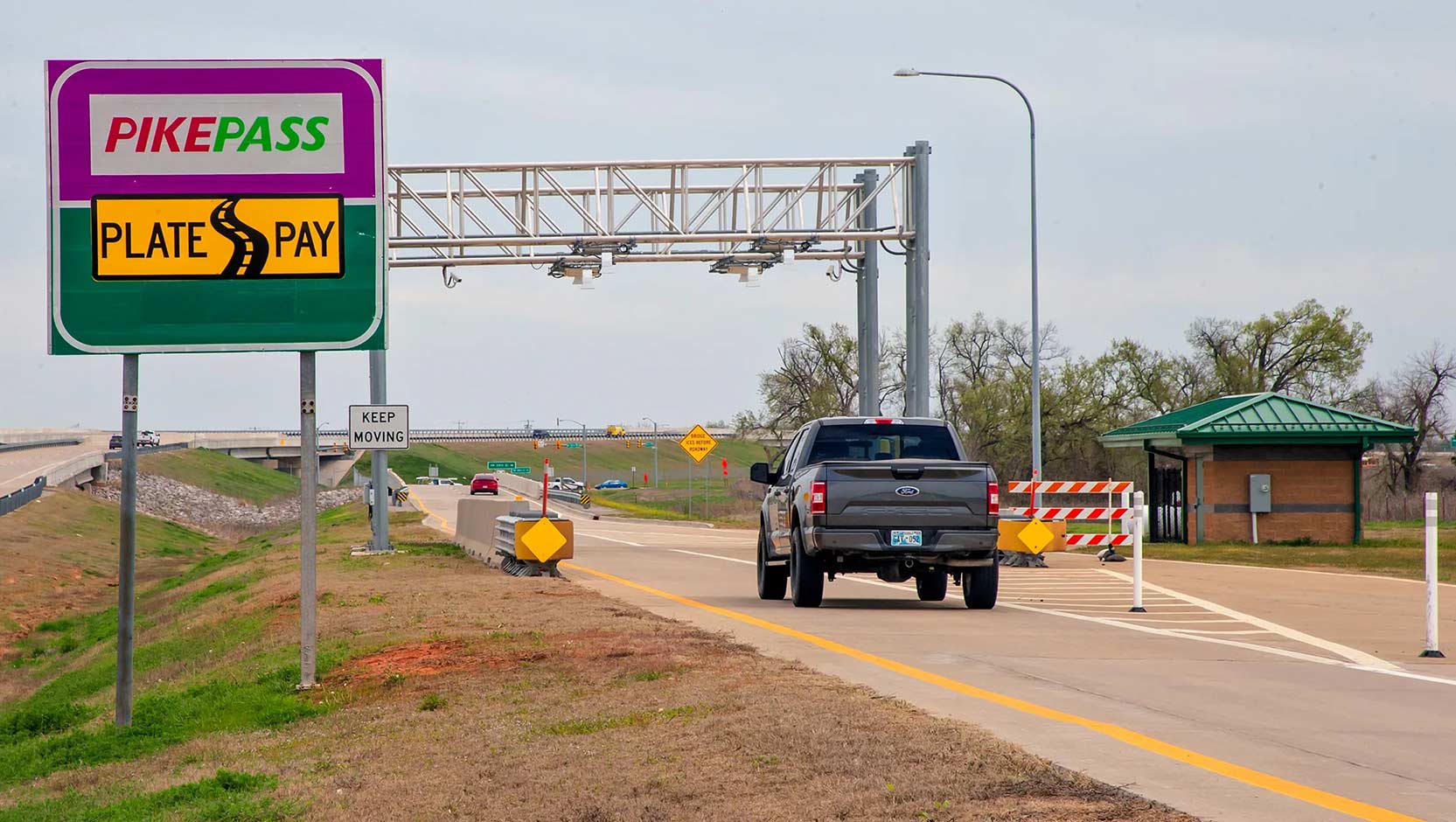
The Oklahoma Turnpike Authority has been actively transitioning its toll plazas to a cashless system, often referred to as “Open Road Tolling” or “All-Electronic Tolling.” This means that traditional toll booths where cash is collected are being phased out. Instead, vehicles are identified by either an electronic transponder or by capturing their license plate information. This modern approach streamlines the toll collection process, allowing vehicles to pass through toll points without needing to slow down. While convenient for frequent users, this transition necessitates a proactive approach from all drivers to ensure proper payment and avoid potential penalties. This technological advancement is part of a broader trend in transportation infrastructure management across the nation, aiming for greater efficiency and a smoother travel experience for all.
Key Turnpikes and Toll Roads
Familiarizing yourself with the major toll roads in Oklahoma can help you plan your routes more effectively. Some of the most frequently traveled include:
- Turner Turnpike: Connects Oklahoma City and Tulsa.
- Will Rogers Turnpike: Runs northeast from Tulsa toward the Missouri state line.
- Cherokee Turnpike: Extends from the Will Rogers Turnpike south toward Grand Lake.
- H.E. Bailey Turnpike: Links Oklahoma City to the Texas border in the southwest.
- Kilpatrick Turnpike: A beltway around the north and west sides of Oklahoma City.
- Heartland Express: Connects the Kilpatrick Turnpike to I-35 and extends east.
Each of these turnpikes plays a vital role in facilitating travel within and through Oklahoma, connecting major cities, tourist destinations, and business hubs. Knowing these routes can help you anticipate toll charges and choose the most convenient payment method for your travel plans.
Payment Methods for Oklahoma Tolls
With the move towards cashless tolling, Oklahoma offers several convenient ways to pay your tolls. Understanding these options will ensure you can select the method that best suits your travel habits and preferences, whether you are a resident or a visitor passing through.
PikePass: The Official Electronic Tolling Program
The most streamlined and cost-effective way to pay tolls in Oklahoma is by using PikePass. PikePass is the electronic toll collection system managed by the Oklahoma Turnpike Authority.
How PikePass Works
When you sign up for a PikePass account, you are issued a small electronic transponder that you affix to your vehicle’s windshield. As you pass through a toll plaza, an antenna reads the transponder, and the toll is automatically deducted from your prepaid account. This allows you to travel through toll points without stopping, enjoying a continuous flow of traffic.
Benefits of PikePass
- Discounted Toll Rates: PikePass users typically receive lower toll rates compared to non-transponder users, offering significant savings for frequent travelers.
- Convenience: Eliminates the need to carry cash or stop at toll booths.
- Interoperability: PikePass is interoperable with other toll systems in many other states, including those managed by the Kansas Turnpike Authority and the North Texas Tollway Authority, expanding its usability.
- Account Management: You can manage your account online, view transaction history, and replenish your balance.
Getting a PikePass
You can apply for a PikePass online through the official PikePass website, by mail, or in person at a customer service center. There may be an initial deposit or monthly fees associated with the account, depending on the plan chosen.
Toll By Plate: For Non-PikePass Users
For drivers who do not have a PikePass or who are visiting Oklahoma and do not wish to set up an account, the “Toll By Plate” system provides an alternative.
How Toll By Plate Works
In the cashless tolling system, when a vehicle without a transponder passes through a toll plaza, a camera captures an image of the license plate. The Oklahoma Turnpike Authority then uses this information to identify the registered owner of the vehicle. A bill is mailed to the registered address for the tolls incurred, plus an administrative fee.
Managing Toll By Plate Bills
It is crucial to pay your Toll By Plate bills promptly. Unpaid bills can result in late fees, penalties, and even impact your vehicle registration or driving privileges. You can typically pay Toll By Plate invoices online, by mail, or by phone. The specific payment instructions will be detailed on the invoice itself.
Cost of Toll By Plate
Tolls paid through the “Toll By Plate” system are generally more expensive than those paid with a PikePass due to the added administrative costs and fees associated with processing license plate information. This makes obtaining a PikePass a more economical choice for frequent users.
Other Interoperable Transponders
While PikePass is the primary electronic tolling system in Oklahoma, many other regional tolling transponders are interoperable. If you have a transponder from another state or toll authority, it is worth checking if it is accepted on Oklahoma turnpikes.
Interoperability Benefits
- Seamless Travel: If your transponder is interoperable, you can use it across multiple states without needing separate accounts for each toll authority. This is particularly beneficial for road trips that span across state lines, such as traveling from Texas to Oklahoma or venturing further north into Kansas.
- Familiar Account Management: You can continue to manage your tolls through your existing account with your home toll authority.
Checking Compatibility
Before your trip, it is recommended to visit the Oklahoma Turnpike Authority website or contact your current toll transponder provider to confirm interoperability. Common interoperable systems include those from Texas, Kansas, and other surrounding states.
Tips for a Smooth Tolling Experience
Navigating toll roads in Oklahoma can be a hassle-free experience with a little preparation. By understanding the system and adopting smart practices, you can ensure your journey is efficient and enjoyable, allowing you to focus on the rich tapestry of attractions and experiences Oklahoma has to offer.
Before You Travel
- Plan Your Route: Use a GPS navigation system or mapping app that can alert you to upcoming tolls. This will give you advance notice and allow you to prepare for payment. Many apps, like Google Maps or Waze, offer toll estimates and route options that avoid tolls if desired.
- Check Your Vehicle’s License Plate: Ensure your license plate is clean, clearly visible, and properly attached to your vehicle. This is especially important if you are relying on the Toll By Plate system or if your transponder is not functioning correctly.
- Verify Your Transponder: If you have a PikePass or an interoperable transponder, ensure it is properly mounted on your windshield and that your account has sufficient funds or is in good standing. Check your account balance online or through the provider’s app.
During Your Travel
- Observe Signage: Pay close attention to overhead signs as you approach toll plazas. These signs indicate whether a plaza is cashless and which lanes are designated for electronic tolling.
- Maintain Proper Speed: In cashless tolling zones, there are no stops. However, it’s important to maintain a safe and consistent speed as indicated by signage.
- Avoid Toll Evasion: Intentionally avoiding tolls can lead to significant fines and penalties. The Oklahoma Turnpike Authority actively enforces toll collection.
After Your Trip
- Monitor Your Account: If you have a PikePass, periodically check your account activity to ensure all transactions are accurate.
- Respond to Bills Promptly: If you receive a Toll By Plate invoice, address it immediately to avoid accruing late fees or penalties. Keep records of your payments.
- Update Your Information: If you change vehicles or move, ensure your contact and vehicle information associated with your PikePass account is up to date.
By following these guidelines, you can navigate Oklahoma’s toll roads with confidence, ensuring your travels are as smooth and enjoyable as possible, allowing you to fully appreciate the diverse landscapes and attractions, from the art deco architecture of Tulsa to the historical significance of Oklahoma City.
Addressing Common Tolling Scenarios
Understanding how to handle specific situations can prevent confusion and ensure you meet your toll obligations in Oklahoma. Whether you’re a seasoned traveler or new to the state’s toll system, these scenarios are worth considering.
What If I Don’t Have a PikePass and Receive a Bill?
If you receive a Toll By Plate invoice, it means your vehicle’s license plate was identified by a camera on an Oklahoma turnpike. The invoice will provide instructions on how to pay. You can typically pay online through the Oklahoma Turnpike Authority’s website, by mail using the payment voucher enclosed with the bill, or by calling their customer service line. It’s important to pay the bill within the specified timeframe to avoid additional fees. If you believe you received the bill in error, contact the Oklahoma Turnpike Authority customer service immediately to resolve the issue.
What If My PikePass Isn’t Working?
If you have a PikePass and suspect it’s not being read correctly, or if your account is not deducting tolls, it’s essential to address it promptly.
Troubleshooting Steps
- Check Transponder Placement: Ensure the transponder is securely mounted on the windshield in the designated area, as per the manufacturer’s instructions. Obstructions like tinted windows or other electronic devices can interfere with its signal.
- Verify Account Status: Log in to your PikePass account online or contact customer service to confirm your account is active, has sufficient funds, and all personal and vehicle information is correct.
- Review Transaction History: Check your transaction history for any discrepancies or missed tolls.
If the issue persists, contact PikePass customer service. They can help diagnose the problem, potentially replace a faulty transponder, and assist with any missed tolls that may have been incorrectly charged as Toll By Plate. While they investigate, it’s advisable to keep receipts or records of your travel in case you need to dispute any charges.
Traveling with Different Vehicle Types
The toll rates in Oklahoma can vary based on the type of vehicle. Generally, vehicles are classified into different classes, with larger vehicles like trucks and RVs incurring higher tolls than standard passenger cars.

Vehicle Classes
- Class 1: Typically includes passenger cars, motorcycles, and other two-axle vehicles with a height of less than 7 feet.
- Class 2: Usually covers vehicles with two axles and a height of 7 feet or more, or three axles.
- Higher Classes: Further classifications exist for vehicles with more axles and greater weight or height.
When using a PikePass, ensure that your vehicle information registered with your account accurately reflects the class of the vehicle you are driving. For instance, if you are towing a trailer, the toll may be calculated differently. If you are unsure about your vehicle’s classification, consult the Oklahoma Turnpike Authority website or contact their customer service for clarification. This ensures you are charged the correct toll and avoids any potential issues related to incorrect classification.
By staying informed and prepared, your journey through Oklahoma will be a smooth and memorable one, allowing you to experience all the state has to offer, from its rich Native American heritage to its growing culinary scene and the natural beauty of places like the Great Plains.
LifeOutOfTheBox is a participant in the Amazon Services LLC Associates Program, an affiliate advertising program designed to provide a means for sites to earn advertising fees by advertising and linking to Amazon.com. Amazon, the Amazon logo, AmazonSupply, and the AmazonSupply logo are trademarks of Amazon.com, Inc. or its affiliates. As an Amazon Associate we earn affiliate commissions from qualifying purchases.