
Arizona, a state synonymous with the sun-drenched desert landscape, beckons travelers with its dramatic vistas and vibrant outdoor experiences. Yet, for many planning a trip to the Grand Canyon State, a primary concern is the pervasive heat. Understanding the nuances of Arizona’s climate, particularly its temperatures, is crucial for crafting a comfortable and enjoyable travel itinerary. While the image of relentless, scorching heat is often projected, the reality is far more varied, influenced by elevation, season, and specific geographic location. This guide delves into the thermal characteristics of Arizona, offering insights to help visitors prepare and make the most of their journey, whether they seek the cooler climes of its high-desert plateaus or the intense warmth of its lower desert basins.
Understanding Arizona’s Diverse Climates
Arizona is a state of striking geographical contrasts, and this diversity profoundly impacts its temperature profiles. From the towering peaks of the San Francisco Peaks to the arid expanses of the Sonoran Desert, the elevation plays a pivotal role. High-elevation regions, such as Flagstaff and the White Mountains, experience significantly cooler temperatures year-round compared to the low-lying desert cities like Phoenix and Tucson. This disparity means that a visitor can experience vastly different weather conditions within a few hours’ drive.
Elevation as a Thermometer
The fundamental principle governing Arizona’s temperature is elevation. For every 1,000 feet gained in elevation, temperatures typically drop by about 3.5°F (around 2°C). This is why a summer day in Phoenix, hovering around 110°F (43°C) or higher, can feel worlds away from a summer afternoon in Grand Canyon National Park, where temperatures might be a more manageable 80°F (27°C).
- Low Deserts (Below 3,500 feet): Areas like Phoenix, Tucson, Yuma, and Lake Havasu City fall into this category. These regions are characterized by extreme summer heat, with daily highs frequently exceeding 100°F (38°C) from May through September. Winters are generally mild, with daytime temperatures often in the 60s and 70s Fahrenheit (15-25°C), though overnight lows can dip below freezing.
- High Deserts and Plateaus (3,500 – 6,000 feet): Cities such as Prescott, Sedona, and the surroundings of the Grand Canyon South Rim experience a more moderate climate. Summers are warm to hot but rarely reach the extremes of the lower deserts, often with highs in the 80s and 90s Fahrenheit (27-37°C). Winters are cool to cold, with snow being a common occurrence, especially at higher elevations.
- Mountains (Above 6,000 feet): The mountainous regions, including Flagstaff and the Mogollon Rim, boast the coolest temperatures. Summers are pleasant, with daytime highs typically in the 70s and 80s Fahrenheit (21-27°C), making them a popular escape from the desert heat. Winters are decidedly cold, with significant snowfall and temperatures often well below freezing, offering opportunities for winter sports.
Seasonal Temperature Trends Across Arizona
Arizona’s four distinct seasons each bring their own temperature profiles, impacting the best times to visit different regions and influencing the types of activities available. Understanding these seasonal trends is key to planning a trip that aligns with your comfort level and desired experiences.
Summer (June – August): The Peak of Heat
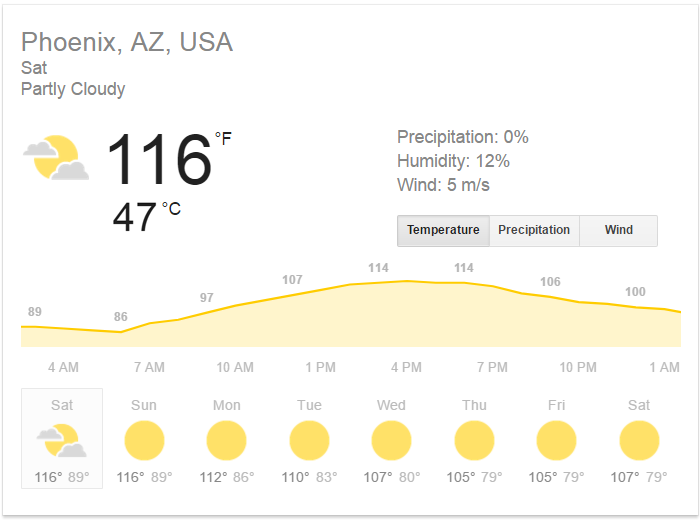
Summer is undeniably the hottest period in Arizona, especially in its desert regions. Phoenix and Tucson routinely see temperatures soar above 100°F (38°C), with prolonged heatwaves pushing thermometers towards 115°F (46°C) and beyond. The Sonoran Desert is at its most intense, with midday sun that demands respect and careful planning.
However, even in summer, cooler alternatives exist. The Grand Canyon South Rim typically sees highs in the 80s Fahrenheit (27-32°C), while Flagstaff often remains in the 80s and 90s Fahrenheit (27-37°C). The monsoon season, typically from July to September, can bring dramatic thunderstorms, offering temporary relief from the heat with cooler air and rain, though these can also be accompanied by flash floods and lightning.
Autumn (September – November): A Welcome Respite
As summer wanes, Arizona transforms into a traveler’s paradise. September still holds warmth, but temperatures begin to moderate significantly by October and November. The desert cities see comfortable daytime highs in the 70s and 80s Fahrenheit (21-32°C), perfect for exploring outdoor attractions without the oppressive heat.

The higher elevations become particularly inviting, with crisp air and stunning fall foliage painting the landscapes in vibrant hues. This is an ideal time for hiking in Sedona, exploring Jerome, or enjoying the scenic drives through the pine forests. Evenings can turn cool, especially in the mountain towns, so packing layers is advisable.
Winter (December – February): Mild to Cold Depending on Elevation
Arizona’s winters are a study in contrasts. The desert regions enjoy mild, pleasant weather, with average daytime temperatures in the 60s Fahrenheit (15-20°C). These conditions are perfect for outdoor activities such as golfing, hiking, and visiting attractions like the Desert Botanical Garden in Phoenix. Snow is virtually nonexistent in the low deserts, making it a popular winter escape for those seeking sunshine.
Conversely, the higher elevations experience a true winter climate. Flagstaff often receives substantial snowfall, transforming the landscape into a winter wonderland and offering opportunities for skiing and snowboarding at resorts like Arizona Snowbowl. Temperatures in the mountains frequently drop below freezing, requiring warm clothing and winter driving preparedness.
Spring (March – May): A Blooming Transition
Spring in Arizona is a period of transition, characterized by warming temperatures and the spectacular blooming of desert wildflowers, particularly after a wet winter. March and April offer pleasant conditions across much of the state, with daytime highs in the 70s and 80s Fahrenheit (21-32°C) in the deserts.
As May arrives, temperatures begin to climb steadily, especially in the low deserts, signaling the approaching summer heat. Early May can still be comfortable for outdoor exploration, but by late May, Phoenix and Tucson are regularly exceeding 90°F (32°C) and pushing towards 100°F (38°C). The higher elevations remain cooler, making them excellent destinations for enjoying the spring bloom before the summer heat fully sets in.
Planning Your Arizona Adventure: Temperature Considerations
When planning a trip to Arizona, consulting historical temperature data for your specific destinations is invaluable. Websites and travel guides often provide average monthly highs and lows, which can help you gauge what to expect. Beyond averages, staying informed about weather forecasts closer to your travel dates is essential.
Packing Smart for Arizona’s Heat and Coolness
The key to comfortable travel in Arizona is layering.
- For Summer in the Deserts: Lightweight, breathable clothing made of natural fibers like cotton or linen is paramount. A wide-brimmed hat, sunglasses, and high SPF sunscreen are non-negotiable. Always carry ample water, and limit strenuous outdoor activity to the cooler morning and evening hours. Consider booking accommodations with good air conditioning, such as the Arizona Biltmore, A Waldorf Astoria Resort.
- For Spring and Autumn: Pack a mix of lighter clothing for warmer days and a light jacket or sweater for cooler evenings and mornings. Comfortable walking shoes are a must for exploring cities and natural attractions.
- For Winter in the High Country: Warm layers, including thermal base layers, fleece jackets, and a heavy coat, are essential. Waterproof boots, gloves, and a hat are necessary if visiting during snow season.

Hydration and Sun Protection: Non-Negotiables
Regardless of the season or elevation, adequate hydration and sun protection are critical in Arizona. The arid climate means that water evaporates quickly from your skin, and the sun’s rays can be intense. Always carry a reusable water bottle and refill it frequently. Seek shade during the hottest parts of the day and wear sunscreen diligently. This is particularly important when visiting iconic sites like Antelope Canyon or hiking trails in Saguaro National Park.
By understanding the diverse thermal landscapes and seasonal variations within Arizona, travelers can better prepare for their visit. Whether you’re drawn to the scorching beauty of the desert or the cool serenity of the mountains, a well-informed approach to temperature will ensure a more comfortable, safe, and ultimately, more rewarding Arizona experience.
LifeOutOfTheBox is a participant in the Amazon Services LLC Associates Program, an affiliate advertising program designed to provide a means for sites to earn advertising fees by advertising and linking to Amazon.com. Amazon, the Amazon logo, AmazonSupply, and the AmazonSupply logo are trademarks of Amazon.com, Inc. or its affiliates. As an Amazon Associate we earn affiliate commissions from qualifying purchases.