
Louisiana, a state brimming with a unique cultural tapestry woven from French, Spanish, African, and Caribbean influences, presents a fascinating linguistic landscape, particularly when it comes to identifying its inhabitants. While straightforward terms like “Louisianans” are technically correct, the rich heritage of the state gives rise to a more nuanced and often affectionate nomenclature. Understanding these designations offers a deeper appreciation for the diverse communities that call this vibrant Southern state home. From the historic heart of New Orleans to the bayous of Acadiana, the language used to describe its people is as colorful and distinctive as the state itself.
Beyond the General Moniker: Exploring Specific Denominations
While “Louisianan” serves as a general descriptor, the state’s distinct regions and historical demographics have fostered more specific and widely recognized terms. These labels often reflect a deep connection to particular ancestral roots, geographical areas, or cultural practices that have shaped the identity of its people. Exploring these specific names provides insight into the intricate mosaic of Louisiana’s population.
Cajuns: The Heartbeat of Acadiana
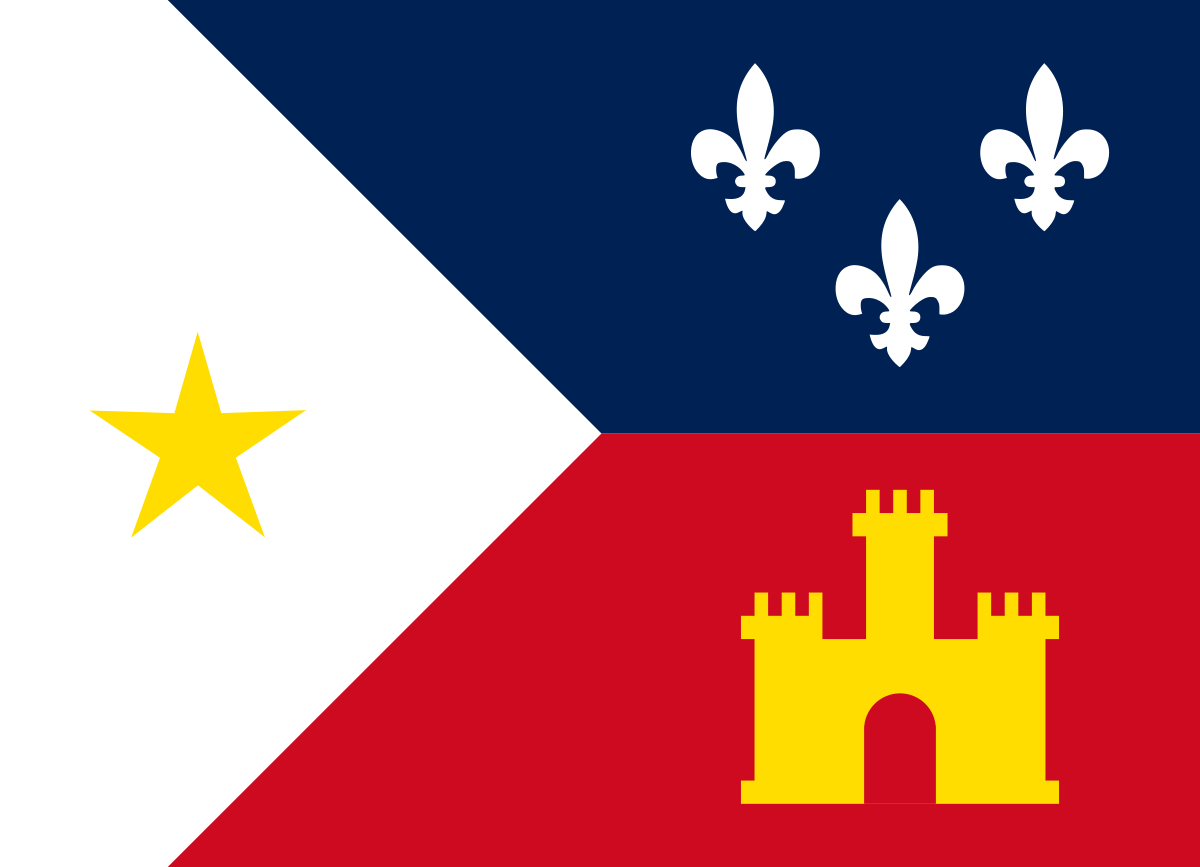
Perhaps the most widely recognized and culturally significant group within Louisiana are the Cajuns. This term refers to the descendants of French-speaking Acadian exiles who were deported by the British from their homeland in present-day Nova Scotia, Canada, in the mid-18th century. Seeking refuge, they found a new home in the southwestern region of Louisiana, which became known as Acadiana.
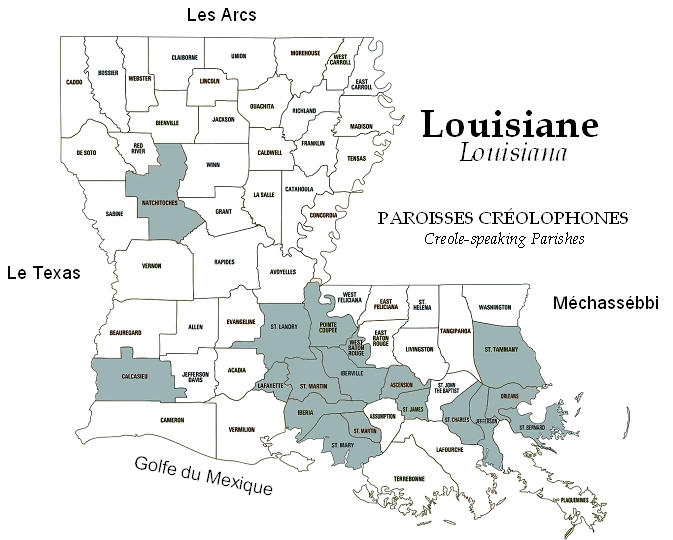
The Cajun identity is deeply tied to their unique dialect of French, their vibrant musical traditions (such as zydeco and Cajun music), and their distinctive cuisine, characterized by hearty dishes like gumbo, jambalaya, and crawfish étouffée. While “Cajun” is often used broadly, it specifically denotes this particular lineage and cultural heritage. Many Cajuns continue to reside in the parishes of southwestern Louisiana, maintaining their traditions and language. Their resilience and cultural preservation have made them a cornerstone of Louisiana’s identity.
Creoles: A Fusion of Cultures in New Orleans and Beyond
Another significant group, particularly prevalent in the historic city of New Orleans and its surrounding areas, are the Creoles. The term “Creole” in Louisiana has a complex and evolving definition, but it traditionally refers to people of mixed racial heritage, often with French, Spanish, and African ancestry, who were born in the colony. This distinction is crucial: while Cajuns are primarily of Acadian French descent, Creoles represent a more diverse blend of European and African influences, shaped by centuries of cohabitation and cultural exchange in the unique social environment of colonial Louisiana.
The Creole culture is renowned for its sophisticated culinary traditions, its elaborate Mardi Gras celebrations, and its distinct architectural styles found in the French Quarter. Historically, Creoles were often well-educated and established members of society, contributing significantly to the arts, music, and commerce of New Orleans. The term also encompasses individuals of pure French or Spanish descent who were born in Louisiana, distinguishing them from later immigrants. Today, the term continues to be a source of pride and a marker of a rich, multilayered heritage.
Bayous and Beyond: Inhabitants of the Waterways
Beyond these prominent cultural groups, the very geography of Louisiana influences how its people are sometimes described. The extensive network of bayous, swamps, and waterways has shaped the lifestyles and identities of those who live there. People who inhabit these marshy regions are often colloquially referred to as “Bayou people” or “Swamp dwellers.”
This designation is less about a specific ethnic or ancestral origin and more about a shared way of life adapted to the unique environment. These individuals are often skilled fishermen, trappers, and guides, possessing an intimate knowledge of the natural landscape. Their lives are intrinsically linked to the rhythm of the water, the abundance of its resources, and the challenges and beauty of their surroundings. While not an official term, it evokes a strong sense of place and a hardy, self-reliant spirit.
General Denominations and Regional Pride
While Cajuns and Creoles represent distinct cultural identities, the majority of the state’s population are simply Louisianans. This is the most straightforward and universally accepted term for any resident of the state, regardless of their background.
However, within this broad category, there’s often a strong sense of regional pride. Someone from Baton Rouge might identify first and foremost as a “Baton Rougean,” while someone from the Northshore of Lake Pontchartrain might call themselves a “Northshore resident.” These more localized identifiers highlight the diversity of experiences and perspectives within the state.
Furthermore, given Louisiana’s unique cultural position, terms that reflect this heritage are sometimes employed. You might hear people affectionately refer to residents as “Louisiana natives” or, more colloquially, as “Louisiana folks.” These terms carry a warmth and familiarity, underscoring the close-knit communities and strong sense of belonging prevalent in many parts of the state.

The Nuances of Identity and Belonging
Understanding what to call people from Louisiana is not merely an exercise in nomenclature; it’s an exploration of identity, heritage, and the rich cultural fusion that defines the state. While “Louisianan” is always correct, employing more specific terms like “Cajun” or “Creole” demonstrates an awareness and appreciation for the distinct historical and cultural threads that make up the fabric of this fascinating American state.
The language used to describe individuals often carries weight, reflecting lineage, lifestyle, and a deep connection to the land and its traditions. Whether one is discussing the vibrant culinary scene of New Orleans, the soulful music of Acadiana, or the resilient spirit of those living along the bayous, the terms we use help to paint a more vivid and accurate picture of the people who call Louisiana home. It’s a testament to the state’s enduring legacy that its residents are not defined by a single label but by a rich and evolving mosaic of identities.
LifeOutOfTheBox is a participant in the Amazon Services LLC Associates Program, an affiliate advertising program designed to provide a means for sites to earn advertising fees by advertising and linking to Amazon.com. Amazon, the Amazon logo, AmazonSupply, and the AmazonSupply logo are trademarks of Amazon.com, Inc. or its affiliates. As an Amazon Associate we earn affiliate commissions from qualifying purchases.