
In the realm of strategic card games, few can rival the global appeal and exhilarating complexity of Texas Hold’em Poker, often simply referred to as “Texas Poker.” More than just a game of chance, it’s a vibrant tapestry woven with elements of mathematics, psychology, and risk assessment, captivating millions from the casual player at a home game to the high-stakes professional in a grand casino. For the discerning traveler and lifestyle enthusiast, understanding Texas Hold’em is not merely about learning rules; it’s an invitation to a unique cultural experience, a gateway to some of the world’s most luxurious resorts, and an exciting activity that can complement any travel itinerary.
Whether you dream of joining a cash game in the glittering poker rooms of Las Vegas, experiencing the elegance of a casino in Monte Carlo, or simply want to impress friends during a relaxed evening, mastering the fundamentals of Texas Hold’em is your first step. This guide will walk you through the essential rules, crucial strategies, and how this engaging game seamlessly integrates into the world of travel, tourism, and a sophisticated lifestyle, transforming a simple card game into a memorable adventure.
The Basics of Texas Hold’em: From Blinds to the Board
Texas Hold’em is played with a standard 52-card deck and typically involves 2 to 10 players. The objective is simple: win the pot by having the best five-card poker hand or by being the last player remaining after everyone else has folded. The game unfolds in distinct betting rounds, each adding layers of strategy and excitement.
Understanding the Deck and Hand Rankings
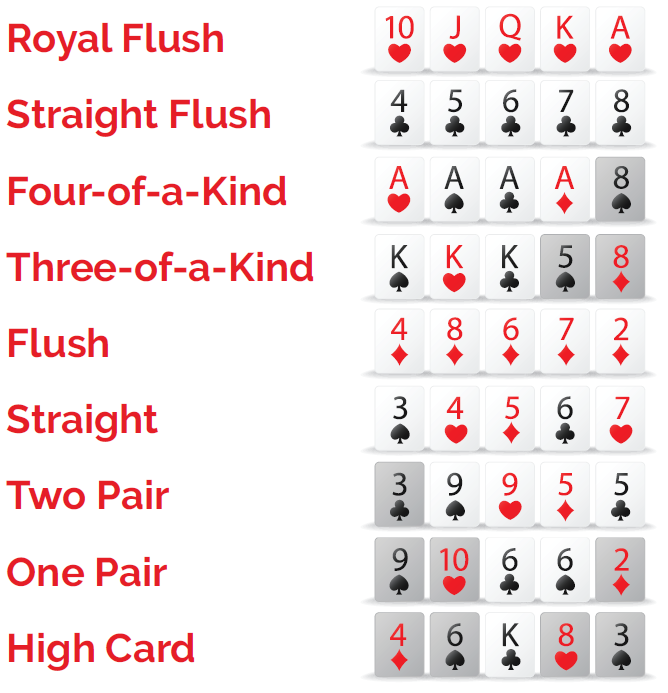
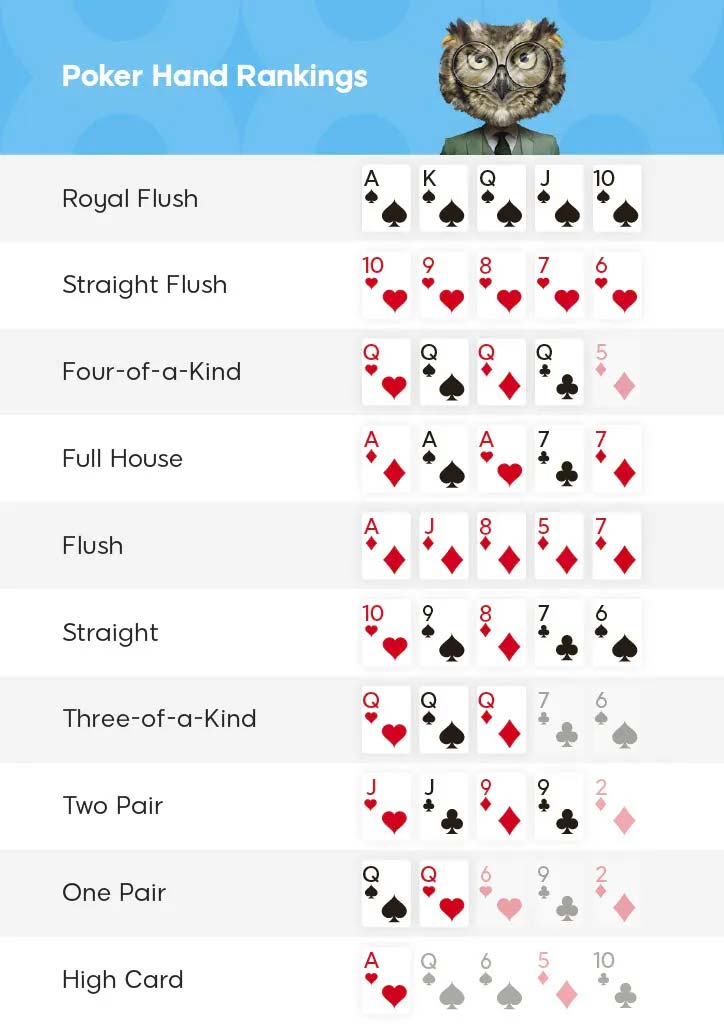
Before diving into the gameplay, it’s crucial to be familiar with the standard poker hand rankings, from the strongest to the weakest. These rankings are universal across most poker variants.
- Royal Flush: A, K, Q, J, 10, all of the same suit. The strongest possible hand.
- Straight Flush: Five consecutive cards of the same suit (e.g., 5, 6, 7, 8, 9 of hearts).
- Four of a Kind: Four cards of the same rank (e.g., four Aces).
- Full House: Three cards of one rank and two cards of another rank (e.g., three Kings and two Queens).
- Flush: Any five cards of the same suit, not in sequence.
- Straight: Five consecutive cards of different suits (e.g., 5 of clubs, 6 of diamonds, 7 of hearts, 8 of spades, 9 of clubs).
- Three of a Kind: Three cards of the same rank (e.g., three Queens).
- Two Pair: Two different pairs (e.g., two Kings and two 8s).
- One Pair: Two cards of the same rank (e.g., two Jacks).
- High Card: If no player has any of the above hands, the hand with the highest-ranking single card wins.
Understanding these rankings is foundational. Your goal will always be to use your two private cards and five community cards to form the best possible five-card combination.
The Dealer Button, Blinds, and Initial Deal
A marker called the “dealer button” rotates clockwise around the table after each hand, indicating the nominal dealer. This is particularly important in games with a house dealer, as it still determines the betting order.
To initiate action and ensure there’s money to play for, two players to the left of the dealer button post mandatory bets called “blinds.”
- The player immediately to the left of the dealer posts the Small Blind.
- The player to their left posts the Big Blind, which is typically double the small blind.
These blinds are “live” bets, meaning they count towards any further betting action for those players in the current round. Once the blinds are posted, each player is dealt two private cards, face down. These are known as your “hole cards” or “pocket cards.” These are yours alone and form the core of your hand.
The Pre-Flop Betting Round
The first betting round begins with the player to the left of the Big Blind. This player has three options:
- Call: Match the amount of the Big Blind.
- Raise: Increase the bet beyond the Big Blind.
- Fold: Give up their hand and forfeit any chance to win the pot.
Betting then proceeds clockwise around the table. Each player, in turn, must at least match the current highest bet (call) to stay in the hand. They can also raise, forcing subsequent players to match the new, higher bet or fold. This round concludes when all active players have contributed an equal amount of chips to the pot, or everyone has folded except one player, who then automatically wins the pot without needing to show their cards.
Navigating the Streets: Flop, Turn, and River
If more than one player remains after the pre-flop betting, the game progresses to the “community cards” – cards dealt face-up in the center of the table, accessible to all active players.
The Flop: Three Cards Change Everything
After the pre-flop betting, the dealer “burns” (discards) the top card of the deck (a security measure to prevent cheating) and then deals three community cards face up. This is called “the Flop.” These three cards, combined with your two hole cards, give you a five-card hand.
A new betting round commences, starting with the first active player to the left of the dealer button. Players again have the options to check (bet nothing if no one has bet yet), bet, call, raise, or fold. This round is often pivotal, as the flop can reveal strong hands, promising draws (hands that need specific cards to improve), or hands that have little potential.
The Turn: Building the Pot
Once the betting on the flop is complete, the dealer burns another card and deals a fourth community card face up. This card is known as “the Turn” or “Fourth Street.” With the turn card, you now have six cards to work with (your two hole cards and four community cards) to make your best five-card hand.
Another betting round follows, again beginning with the first active player to the left of the dealer button. The stakes often escalate during this round, as the potential hands become clearer, and players commit more chips based on their hand’s strength or their belief in their ability to bluff.
The River: The Final Showdown
After the turn betting concludes, the dealer burns a final card and deals the fifth and final community card face up. This is “the River” or “Fifth Street.” At this point, all seven cards (your two hole cards and the five community cards) are available to form the best possible five-card poker hand.
The final betting round takes place. This is where players make their ultimate decisions, either betting heavily on a strong hand, attempting a last-ditch bluff, or simply checking and hoping their hand holds up. If, after this betting round, more than one player remains, a “Showdown” occurs. All active players reveal their hole cards, and the player with the best five-card poker hand, using any combination of their two hole cards and the five community cards, wins the entire pot. In the event of a tie, the pot is split evenly.
Strategy and Psychology: Beyond the Cards
While knowing the rules is crucial, true mastery of Texas Hold’em involves understanding the strategic nuances and psychological elements that define the game. It’s this intellectual challenge that makes poker so appealing to those who appreciate a stimulating lifestyle.
Positional Play and Aggression
One of the most fundamental strategic concepts is position. Your position relative to the dealer button determines when you act in a betting round.
- Early Position: Acting first (e.g., the blinds or immediately after them) is a disadvantage because you have less information about your opponents’ intentions.
- Late Position: Acting last (e.g., on the button or one seat before it) is a huge advantage. You get to see how almost everyone else acts before making your decision, providing invaluable information.
Playing “in position” allows you to control the size of the pot, bluff more effectively, and extract more value from strong hands. Coupled with position, aggression is key. Betting and raising, rather than just calling, puts pressure on your opponents and gives you more ways to win (either by having the best hand or by forcing others to fold). Smart aggression, combined with an understanding of your position, is a hallmark of skilled players.
Reading Opponents and Bluffing
Texas Hold’em is as much about playing the players as it is about playing your cards. Reading opponents involves observing their betting patterns, body language (“tells”), and hand histories to deduce the strength of their hand.
- Do they bet big with strong hands and check with weak ones?
- Do they get nervous when bluffing?
- Are they tight (play few hands) or loose (play many hands)?
This information allows you to make more informed decisions. Bluffing, the art of betting with a weak hand to convince opponents you have a strong one, is a powerful weapon when used judiciously. A successful bluff relies on your ability to tell a credible story with your bets and on your understanding of your opponent’s tendencies. However, bluffing too often or at the wrong time can be costly.
Bankroll Management and Responsible Play
For those embracing poker as part of their lifestyle, particularly during travel, bankroll management is paramount. Your bankroll is the total amount of money you have designated for poker. It’s crucial to play within your means and only risk money you can afford to lose. This means:
- Choosing appropriate stakes: Don’t play in games where a single buy-in represents a significant portion of your bankroll.
- Setting limits: Establish daily or session loss limits and stick to them.
- Separating funds: Keep your poker bankroll separate from your travel budget or living expenses.
Responsible play also extends to mental and physical well-being. Ensuring you’re well-rested, focused, and not under the influence of alcohol or drugs will significantly improve your decision-making and overall enjoyment. Many world-class resorts, like the Bellagio Hotel & Casino in Nevada or the Marina Bay Sands in Singapore, promote responsible gaming practices, offering a luxurious yet safe environment for their guests.
Texas Hold’em as a Travel Experience
Beyond the green felt, Texas Hold’em offers a fascinating lens through which to explore destinations, enjoy luxurious accommodations, and engage with vibrant local cultures, transforming it from a mere game into a comprehensive travel and lifestyle pursuit.
Iconic Poker Destinations and Resorts
For many, the allure of poker is inseparable from the glamour of world-renowned gaming destinations. Las Vegas, the “Entertainment Capital of the World,” stands as the undisputed mecca for poker enthusiasts. Its famous Strip is home to legendary poker rooms in resorts like Aria Resort & Casino, Caesars Palace, and the aforementioned Bellagio Hotel & Casino. These establishments are not just places to play; they are landmarks offering a full spectrum of tourism experiences, from Michelin-starred dining and world-class shows to opulent suites and relaxing spas.
Across the globe, other destinations rival Las Vegas in their poker offerings. Monte Carlo in Monaco, with its historic Casino de Monte-Carlo, offers a more exclusive and elegant atmosphere for high-stakes games. In Asia, Macau, often dubbed the “Gambling Capital of the World,” in China boasts massive resorts like the Venetian Macao, catering to an enormous player base. Even vibrant cities like London, England, with its prominent The Hippodrome Casino, provide excellent opportunities to combine poker with cultural exploration and an upscale urban lifestyle.
Poker Tournaments and Lifestyle Travel
For those seeking a competitive edge, global poker tournament circuits offer an incredible opportunity for lifestyle travel. The World Series of Poker (WSOP) in Las Vegas, now held at Horseshoe Las Vegas, is the ultimate pilgrimage for poker players, drawing thousands each year to compete for coveted gold bracelets and millions in prize money. Participating in or even just attending the WSOP transforms a regular vacation into an immersive sporting and social event.
Similarly, the European Poker Tour (EPT) and the PokerStars Caribbean Adventure (PCA) take players to picturesque locales like Barcelona, Paris, France, or the sun-drenched beaches of the Bahamas at the Atlantis Paradise Island resort. These events blend intense competition with luxury travel, allowing participants to enjoy stunning destinations, fine dining, and cultural attractions between poker sessions. It’s a lifestyle where the thrill of the game is perfectly balanced with the joys of discovery and relaxation.
Finding the Right Accommodation for Your Poker Getaway
Choosing the right accommodation is key to a successful poker-centric trip. For the luxury traveler, a stay at a five-star resort like the Wynn Las Vegas or The Palazzo offers not only immediate access to world-class poker rooms but also an array of amenities – from private suites and gourmet restaurants to exclusive nightclubs and designer boutiques – ensuring a lavish experience. These resorts are often destinations in themselves, minimizing the need to travel far for entertainment.
For those on a budget, many cities offer more affordable hotels and apartments within easy reach of popular poker rooms or casinos. Utilizing accommodation booking platforms to compare reviews and prices can help secure a comfortable and convenient base without breaking the bank. Whether you seek the ultimate opulent suite for a high-roller experience or a practical, well-located apartment for a focused tournament grind, the right choice of lodging enhances the entire poker travel experience, allowing you to focus on the game and enjoy the local tourism offerings.
Conclusion
Texas Hold’em Poker is far more than just a card game; it’s a microcosm of life itself, demanding strategy, patience, and a keen understanding of human nature. From mastering the pre-flop decisions to navigating the tension of the river, every hand offers a fresh challenge and a chance to apply your evolving skills. For the global explorer and lifestyle connoisseur, Texas Hold’em opens doors to thrilling travel experiences, luxurious accommodations, and vibrant cultural immersion in some of the world’s most exciting destinations.
Whether you’re drawn by the competitive spirit of a major tournament, the social camaraderie of a friendly game, or the glamorous allure of a casino resort, understanding how to play Texas Poker enriches your journey. It’s a game that promises not only the thrill of victory but also a lifetime of learning, strategic thinking, and unforgettable memories forged on and off the felt, seamlessly blending the excitement of the game with the adventure of travel.
LifeOutOfTheBox is a participant in the Amazon Services LLC Associates Program, an affiliate advertising program designed to provide a means for sites to earn advertising fees by advertising and linking to Amazon.com. Amazon, the Amazon logo, AmazonSupply, and the AmazonSupply logo are trademarks of Amazon.com, Inc. or its affiliates. As an Amazon Associate we earn affiliate commissions from qualifying purchases.