
Embarking on a journey from the mile-high city of Denver, Colorado, to the sun-drenched shores of Hawaii is a dream for many. The allure of the Pacific Ocean, vibrant culture, and stunning landscapes beckons travelers seeking an escape. While the destination promises paradise, one of the most common questions travelers ponder is: How long will it take to get there? The flight from Denver to Hawaii is a significant journey across the United States and a vast expanse of ocean, typically ranging from 7 to 9 hours for a direct flight. However, this duration can vary based on several factors, including the specific Hawaiian island you’re flying to, the airline, the type of aircraft, and even prevailing wind conditions. This comprehensive guide will delve into everything you need to know about flying from Denver to Hawaii, from flight times and preparation to what awaits you in the Aloha State.

Understanding the Flight Duration from Denver to Hawaii
The flight path from Denver to Hawaii covers a substantial distance, usually over 3,300 miles (approximately 5,300 kilometers) to the closest islands. This trans-Pacific journey requires careful planning and an understanding of what influences your travel time.
Direct Flights vs. Connecting Flights
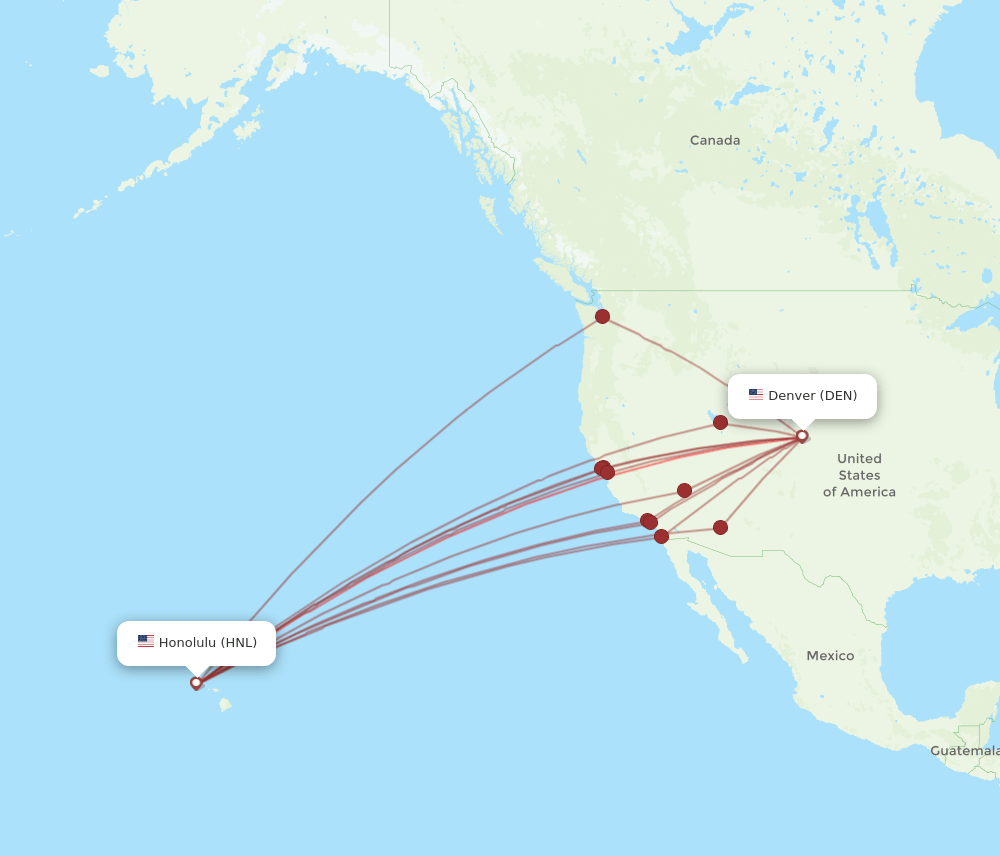
The quickest way to reach Hawaii from Denver is via a direct flight. Several major airlines offer non-stop service, particularly to Oahu and Maui.
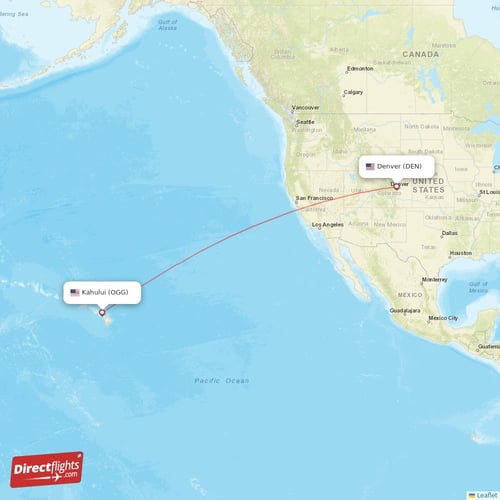
- Direct Flights: For a direct flight from Denver International Airport (DEN) to Daniel K. Inouye International Airport (HNL) in Honolulu, Oahu, you can expect the flight time to be around 7 hours and 15 minutes to 7 hours and 45 minutes. Flights to Kahului Airport (OGG) on Maui are often similar, perhaps slightly longer, in the range of 7 hours and 30 minutes to 8 hours. Flights to Kona International Airport (KOA) on the Big Island or Lihue Airport (LIH) on Kauai might stretch to 8 to 8 hours and 30 minutes due to their slightly greater distance from the mainland.
- Connecting Flights: While direct flights are convenient, connecting flights are also plentiful and can sometimes offer more flexible scheduling or better pricing. A connecting flight typically adds anywhere from 3 to 6 hours or more to your total travel time, depending on the layover duration and location. Common layover cities include Los Angeles (LAX), San Francisco (SFO), or Seattle (SEA). If you opt for a connecting flight, your total journey could easily extend to 10-15 hours or more.
Key Factors Influencing Flight Times
Several elements play a role in the exact duration of your flight:
- Aircraft Type: Modern aircraft, such as the Boeing 787 Dreamliner or Airbus A330, are designed for long-haul efficiency and speed. Older models might take slightly longer.
- Headwinds/Tailwinds: Air currents across the Pacific can significantly impact flight duration. Flying westbound (to Hawaii), planes often encounter headwinds, which can add 30-60 minutes to the flight. Conversely, eastbound flights (back to Denver) often benefit from tailwinds, making the return journey slightly shorter.
- Air Traffic Control: Delays due to air traffic congestion, especially around major airports like DEN or HNL, can marginally extend travel time.
- Specific Hawaiian Island: As mentioned, the westernmost islands like Kauai or the furthest points on the Big Island will inherently take a bit longer to reach compared to Oahu or Maui.
Major Hawaiian Airports to Consider
When planning your trip, you’ll need to choose which Hawaiian airport best suits your island destination. The primary international airports are:
- Daniel K. Inouye International Airport (HNL) – Honolulu, Oahu: This is the busiest airport in Hawaii and the most common arrival point for travelers from the mainland. It offers the most direct flight options and connections to other islands.
- Kahului Airport (OGG) – Kahului, Maui: A very popular gateway for those heading directly to Maui’s beautiful resorts and attractions.
- Kona International Airport (KOA) – Kona, Big Island: Serves the west side of the Big Island, popular for its sunny beaches and coffee plantations.
- Lihue Airport (LIH) – Lihue, Kauai: The main airport for the “Garden Isle,” Kauai, known for its dramatic cliffs and lush landscapes.
- Hilo International Airport (ITO) – Hilo, Big Island: Serves the east side of the Big Island, closer to Volcanoes National Park and lush rainforests.
While direct flights are most common to HNL and OGG, you might find direct service to KOA or LIH from Denver depending on the season and airline, with United Airlines and Southwest Airlines often providing these routes.
Preparing for Your Journey: From the Rockies to the Pacific
A long-haul flight requires a bit more preparation than a short hop. Ensuring a smooth journey from Denver to Hawaii involves thoughtful planning before you even step foot in the airport.
Booking Your Flight and Essential Pre-Travel Checks
- Timing is Key: Flights to Hawaii can be expensive, so booking in advance, especially during peak seasons (winter holidays, summer, spring break), is crucial. Consider traveling during shoulder seasons (late spring or early fall) for potentially lower fares and fewer crowds.
- Airline Choice: Major carriers like United Airlines, Southwest Airlines, Hawaiian Airlines, Delta Air Lines, and American Airlines all offer routes from Denver to Hawaii. Compare prices, flight times, baggage policies, and in-flight amenities to find the best fit for your travel style and budget.
- Required Documents: Ensure your identification (driver’s license for domestic travel, though a passport is always recommended if you have one) is valid and up-to-date. Keep digital and physical copies of your booking confirmations.
- Accommodation Bookings: Don’t wait until you land to secure your Hawaii accommodation. Whether it’s a luxury resort in Wailea, a boutique hotel in Waikiki, or a charming vacation rental, have your arrangements confirmed.
- Car Rental: Hawaii is best explored by car, especially on islands like Maui and the Big Island. Book your rental car well in advance, as availability can be limited and prices can surge, particularly during busy periods.
Navigating Denver International Airport (DEN)
Denver International Airport (DEN) is one of the busiest airports in the United States. Give yourself ample time to navigate security, especially during peak travel hours.
- Arrival Time: For a long-haul international-style domestic flight to Hawaii, plan to arrive at DEN at least 2-3 hours before your scheduled departure. This allows time for check-in, baggage drop, and security screening, which can sometimes be unpredictable.
- Parking and Transportation: DEN offers various parking options, from short-term to long-term garage parking, as well as shuttle services from economy lots. Public transportation, like the RTD A-Line train from Union Station downtown, also provides convenient access to the airport.
- Dining and Amenities: DEN has a wide array of dining options, from quick bites to sit-down restaurants, across its concourses. You’ll also find shops, lounges, and charging stations to make your wait more comfortable.
In-Flight Comfort and Entertainment
An 8-hour flight is a significant chunk of time, so making yourself comfortable is essential.
- Dress Comfortably: Wear loose-fitting clothing and layers, as cabin temperatures can fluctuate. Compression socks can be helpful to prevent swelling on long flights.
- Stay Hydrated: Drink plenty of water throughout the flight and limit caffeine and alcohol, which can contribute to dehydration and jet lag.
- Move Around: Periodically get up and walk the aisle, or do some in-seat stretches to promote circulation.
- Entertainment: Most airlines offer in-flight entertainment systems with movies, TV shows, music, and games. However, it’s always a good idea to bring your own entertainment too – a good book, downloaded movies/shows on your tablet, or a podcast can pass the time quickly. Don’t forget noise-canceling headphones!
- Sleep Aids: If you plan to sleep, an eye mask, earplugs, and a neck pillow can be invaluable. Consider a mild sleep aid if you struggle to rest on planes, but consult your doctor first.
Arriving in Paradise: Your Hawaiian Welcome
After hours in the air, the moment you touch down in Hawaii is truly magical. However, a little preparation for arrival ensures a seamless transition into island time.
Adjusting to the Aloha State: Time Zones and Jet Lag
One of the biggest adjustments when flying from Denver to Hawaii is the significant time difference.
- Time Zone Difference: Denver observes Mountain Standard Time (MST) or Mountain Daylight Time (MDT), while Hawaii observes Hawaii Standard Time (HST). Hawaii does not observe Daylight Saving Time. This means Hawaii is typically 3 hours behind Denver during MDT (summer) and 4 hours behind Denver during MST (winter). For example, if it’s 3 PM in Denver in July, it’s 12 PM in Honolulu. In December, if it’s 3 PM in Denver, it’s 11 AM in Honolulu.
- Combating Jet Lag: This significant time change can lead to jet lag.
- Adjust Before You Go: Try to shift your sleep schedule by an hour or two a few days before your trip.
- Hydrate and Avoid Stimulants: Continue to drink plenty of water and limit caffeine/alcohol.
- Embrace the Sun: Upon arrival, expose yourself to natural sunlight as much as possible, especially in the morning. This helps reset your circadian rhythm.
- Stay Active: Gentle activity like a walk on the beach can help you feel more alert.
- Stick to Local Time: Try to eat and sleep according to Hawaiian local time from the moment you land, even if you’re tired. Naps should be short and not too late in the day.
Onward Travel from Hawaiian Airports
Once you’ve landed, you’ll need to navigate your way to your accommodation.
- Ground Transportation: All major Hawaiian airports offer various ground transportation options:
- Rental Cars: If you pre-booked, proceed to the rental car counter or shuttle pick-up.
- Shuttles: Shared-ride shuttles are a cost-effective option for getting to popular resort areas like Waikiki from HNL.
- Taxis/Ride-Shares: Readily available at all airports.
- Public Transit: On Oahu, “TheBus” offers an economical way to travel, though it might not be ideal with extensive luggage.
- Inter-Island Flights: If your final destination is not the island you landed on, you’ll need to catch an inter-island flight. Hawaiian Airlines and Southwest Airlines are the main carriers for these short hops, which typically last 30-45 minutes. Be sure to factor in time for baggage claim and re-checking for your connecting inter-island flight.
First Impressions and What to Expect
Stepping off the plane in Hawaii is an experience in itself. The warm, humid air, the scent of tropical flowers, and the laid-back “Aloha spirit” immediately envelop you. Many airports still offer traditional lei greetings for pre-booked travelers, adding a touch of authentic Hawaiian hospitality to your arrival. Remember to breathe, relax, and prepare to immerse yourself in the beauty of the islands.
Beyond the Flight: Maximizing Your Hawaiian Experience
Your journey doesn’t end when the plane lands. Hawaii is a destination rich in culture, natural beauty, and adventure. Understanding what to do and where to stay will elevate your trip.
Exploring Hawaii’s Diverse Islands and Attractions
Each Hawaiian island offers a unique charm and array of activities:
- Oahu: The Gathering Place: Home to Honolulu, Waikiki Beach, and historical sites like Pearl Harbor. You can hike Diamond Head, surf on the North Shore, or explore the vibrant food scene.
- Maui: The Valley Isle: Famous for the scenic Road to Hana, stunning sunsets from Haleakala National Park, and world-class snorkeling at Molokini Crater. Luxury resorts in Lahaina and Wailea offer unparalleled comfort.
- Big Island: The Orchid Isle: Geologically diverse, featuring active volcanoes at Hawaii Volcanoes National Park, the towering Mauna Kea observatory, black sand beaches, and lush rainforests.
- Kauai: The Garden Isle: Known for its dramatic cliffs along the Na Pali Coast, the vast Waimea Canyon, and abundant waterfalls, perfect for hiking and outdoor enthusiasts.
- Molokai & Lanai: The Less-Traveled Paths: For a more secluded experience, these islands offer raw natural beauty, charming local culture, and luxurious, intimate resorts for a true escape.
Accommodation Choices for Every Traveler
Hawaii caters to all types of travelers and budgets when it comes to lodging:
- Luxury Resorts: Indulge in properties like the Four Seasons Resort Maui at Wailea or the Grand Hyatt Kauai Resort & Spa, offering unparalleled amenities, dining, and service.
- Boutique Hotels: Discover unique, locally-inspired stays that provide a more intimate experience.
- Vacation Rentals: Options from Airbnb to private villas are popular for families or those seeking more space and a kitchen, especially for long-term stays.
- Budget-Friendly Options: Hostels, guesthouses, and some older hotels offer more affordable rates, particularly outside of prime resort areas.
- Camping: For the truly adventurous, state and county parks offer designated camping sites, providing an immersive natural experience.
When booking, consider the amenities crucial to your trip, such as oceanfront views, pools, spa services, or proximity to specific attractions.
Embracing Hawaiian Culture and Cuisine
Hawaii’s rich Polynesian heritage is a cornerstone of any visit.
- Local Culture: Immerse yourself by attending a traditional luau, learning a few Hawaiian phrases, and respecting local customs and sacred sites. The “Aloha spirit” emphasizes kindness, respect, and compassion – qualities you’ll encounter throughout the islands.
- Food Scene: Hawaiian cuisine is a delightful fusion of Polynesian, Asian, and American influences. Don’t miss sampling fresh poke, kalua pig, lau lau, shaved ice, and delicious tropical fruits. Explore local farmers’ markets and food trucks for authentic flavors.
- Activities: Beyond relaxing on the beach, engage in activities like surfing lessons, snorkeling with vibrant marine life, hiking volcanic trails, or taking a helicopter tour for breathtaking aerial views.
Planning Your Dream Hawaiian Getaway from Denver
With the journey details covered, let’s look at some final considerations for crafting a memorable trip from Denver to Hawaii.
Best Time to Visit and Budgeting Tips
- Best Time to Visit: Generally, the shoulder seasons (April-May and September-November) offer pleasant weather, fewer crowds, and often better prices for flights and accommodations. Winter (December-March) is popular for whale watching and bigger surf on the North Shores, but prices are higher. Summer (June-August) is family-friendly but also sees peak crowds and higher costs.
- Budgeting: Hawaii can be an expensive destination. To manage costs:
- Book Early: Flights, hotels, and rental cars are cheaper when booked well in advance.
- Consider Vacation Rentals: Especially for longer stays or groups, these can be more economical than hotels.
- Eat Local: Explore food trucks, farmers’ markets, and local eateries rather than solely relying on resort restaurants.
- Utilize Free Activities: Beaches, hiking trails, and scenic drives offer incredible experiences without a hefty price tag.
Packing Essentials for Island Life
Beyond your basic travel necessities, here are some Hawaii-specific packing tips:
- Sun Protection: High-SPF reef-safe sunscreen (required in Hawaii), wide-brimmed hat, sunglasses, and rash guards.
- Swimwear: Multiple swimsuits for daily dips.
- Lightweight Clothing: Breathable fabrics like linen or cotton are ideal for the tropical climate.
- Comfortable Footwear: Sandals for the beach, sturdy walking shoes for explorations, and perhaps water shoes for rocky shores.
- Reusable Water Bottle: Stay hydrated and reduce plastic waste.
- Bug Spray: Especially if you plan on hiking or spending evenings outdoors.
- Camera: To capture the incredible scenery, potentially with waterproof capabilities for underwater adventures.
Final Considerations for a Seamless Trip
- Environmental Responsibility: Hawaii’s fragile ecosystem is precious. Practice “Malama Aina” (care for the land) by respecting wildlife, staying on marked trails, and minimizing your environmental footprint.
- Respect Local Customs: Be mindful of local etiquette, dress codes (especially when visiting religious sites), and the importance of preserving Hawaiian culture.
- Stay Flexible: While planning is key, sometimes the best memories are made when you allow for spontaneity and embrace the unexpected.
The flight from Denver to Hawaii is a gateway to an unforgettable adventure. With direct flights typically spanning 7 to 9 hours, it’s a journey that takes you from the bustling energy of the mountains to the serene tranquility of the Pacific. By understanding the logistics, preparing thoughtfully, and arriving ready to embrace the unique charm of the islands, your dream Hawaiian getaway will be everything you imagined and more. Aloha!
LifeOutOfTheBox is a participant in the Amazon Services LLC Associates Program, an affiliate advertising program designed to provide a means for sites to earn advertising fees by advertising and linking to Amazon.com. Amazon, the Amazon logo, AmazonSupply, and the AmazonSupply logo are trademarks of Amazon.com, Inc. or its affiliates. As an Amazon Associate we earn affiliate commissions from qualifying purchases.