
The aroma of a perfectly grilled steak is an invitation to indulge, a promise of culinary delight that transcends mere sustenance. Among the pantheon of prime cuts, the New York Strip stands as a testament to classic steakhouse excellence. Renowned for its superb balance of tenderness and robust beefy flavor, this cut is a favorite among chefs and home cooks alike. Whether you’re a seasoned grill master seeking to refine your technique or an aspiring culinary enthusiast embarking on your first steak adventure, mastering the art of preparing a New York Steak for grilling is a rewarding endeavor.
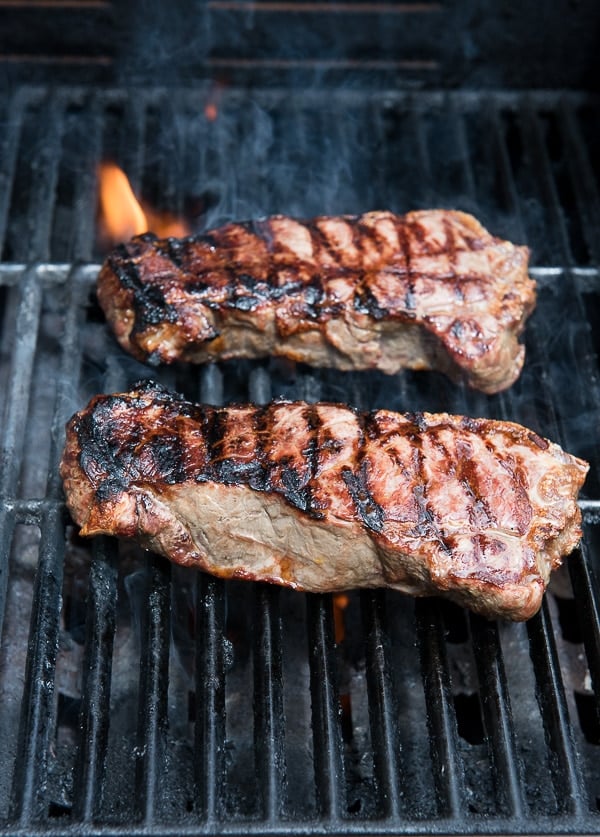
For those whose lifestyle revolves around travel, exquisite dining, and unique experiences, the allure of a perfectly cooked steak extends beyond the plate. It’s about understanding local culture through its cuisine, savoring the flavors that define a destination, and even recreating those cherished memories in your own backyard. From the bustling steakhouses of New York City to the sophisticated dining rooms of Paris or the vibrant parrillas of Argentina, the steak experience is a cornerstone of global tourism. Preparing a New York Steak for grilling isn’t just about cooking; it’s about embracing a lifestyle of culinary appreciation, a skill that enhances any travel itinerary or long-term accommodation stay. Imagine settling into a luxury villa in Tuscany or an exclusive resort in Maui and effortlessly preparing a gourmet meal with locally sourced ingredients – that’s the kind of experience this guide aims to unlock.
Selecting the Perfect Cut: A Culinary Journey from Farm to Grill
The foundation of any exceptional grilled steak begins long before it touches the grates. It lies in the discerning selection of the meat itself. Just as a traveler seeks out the finest hotels or the most breathtaking landmarks, a discerning cook understands that quality is paramount when it comes to beef.
Understanding the New York Strip
The New York Strip, also known as a strip steak, Kansas City strip (when bone-in), or sirloin strip, is cut from the short loin of the cattle. This muscle does relatively little work, resulting in a steak that is notably tender, though not quite as much as a filet mignon. What sets it apart is its rich, beefy flavor, often attributed to the marbling – the intramuscular fat – that melts during cooking, infusing the meat with succulence. A good strip steak will have a fine grain, a firm texture, and a respectable cap of fat along one side, which can be trimmed or left on to render and add flavor during grilling. This cut’s inherent qualities make it robust enough to stand up to the intense heat of a grill, developing a beautiful char while remaining tender and juicy within. For the traveler exploring culinary destinations, understanding these nuances can transform a simple meal into an immersive cultural experience, akin to appreciating the architectural details of the Eiffel Tower or the historical depth of the Roman Colosseum.
Quality Matters: Butcher Shops, Grades, and Sourcing
Sourcing your New York Steak is akin to finding the perfect accommodation – location and quality make all the difference. While supermarkets offer convenience, a visit to a reputable local butcher shop can elevate your experience significantly. Butchers often have access to higher quality cuts and can offer expert advice on aging, marbling, and preparation. This kind of local interaction is a vital part of authentic tourism, allowing you to connect with the community and its culinary traditions.
When selecting, look for steaks that are at least 1 to 1.5 inches thick. This thickness is crucial for achieving a proper sear on the exterior while preventing the interior from overcooking too quickly. Thicker steaks also provide a more satisfying mouthfeel and are easier to grill to your desired doneness.
Understanding beef grading is also key. In the United States, the USDA grades beef as Prime, Choice, or Select.
- Prime: The highest grade, boasting abundant marbling, offering exceptional flavor and tenderness. Often found in high-end steakhouses like Peter Luger Steak House or Morton’s The Steakhouse, this grade promises a truly luxurious culinary experience.
- Choice: Still a high-quality cut with good marbling, widely available and an excellent option for home grilling.
- Select: Leaner with less marbling, and therefore less flavor and tenderness.
For an optimal grilling experience, aim for Prime or high-end Choice grade New York Steak. Some regions are renowned for their beef; for example, the robust cattle ranches of Texas and Nebraska produce some of the finest beef in the United States, a heritage as rich as any historical landmark. Globally, Wagyu beef from Japan offers an unparalleled marbling experience, though it’s a different cut and often reserved for very special occasions. Choosing the right cut is the first step in crafting a memorable meal, whether you’re dining at a five-star restaurant or enjoying a casual evening at a boutique hotel with grilling facilities.
Mastering the Art of Seasoning and Marination: Enhancing Natural Flavors
Once you’ve selected your impeccable New York Steak, the next crucial step in its preparation is seasoning. This stage is where you begin to build flavor, transforming a simple cut of meat into a gastronomic delight. The right seasoning can elevate the steak from good to unforgettable, much like choosing the perfect destination for a luxury travel experience.
The Classic Salt and Pepper Approach
For a cut as flavorful as the New York Strip, often, less is more. Many purists argue that high-quality beef requires only two ingredients: coarse sea salt and freshly cracked black pepper. This minimalist approach allows the natural, rich flavor of the beef to shine through, a philosophy often championed in renowned steakhouses like Ruth’s Chris Steak House or Smith & Wollensky.
The key is proper application. Liberally season both sides of the steak. Don’t be shy with the salt; much of it will fall off during grilling, and a good amount is needed to penetrate the meat and enhance its savory notes. For best results, season the steak at least 40 minutes, or even up to 24 hours, before grilling. This allows the salt to draw moisture from the steak, dissolve, and then be reabsorbed, creating a natural brine that tenderizes the meat and deepens its flavor. This process, often referred to as “dry brining,” is a simple yet incredibly effective technique that any culinary enthusiast can master, whether at home or in a rented apartment on a long-term stay. Remember to pat the steak dry with paper towels just before grilling to ensure a beautiful, crusty sear. Moisture on the surface will steam the meat rather than sear it, preventing that desirable browned exterior.
Elevating Flavors: Beyond the Basics
While salt and pepper are foundational, there’s a vast world of flavors waiting to be explored. For those who appreciate the diversity of global cuisines and the vibrancy of local culture, experimenting with rubs and marinades can be a thrilling culinary adventure.
- Rubs: Dry rubs, a blend of spices and herbs, can add layers of complexity. Common ingredients include garlic powder, onion powder, paprika (smoked or sweet), chili powder, and dried herbs like thyme or rosemary. A touch of brown sugar can aid in caramelization and provide a hint of sweetness. For a Texan twist, consider a rub with cumin and cayenne. When traveling, collecting unique spices from markets in Marrakech or Istanbul can inspire new rubs and connect your grilling experience to a specific destination.
- Marinades: Marinades typically contain an acidic component (like vinegar, citrus juice, or wine) to help tenderize, an oil to help distribute flavors and prevent sticking, and various aromatics. While some argue that marinades mainly flavor the surface of thick cuts like New York Strip, they can still contribute significantly to the overall taste profile. A classic marinade might include olive oil, minced garlic, fresh rosemary, black pepper, and a splash of Worcestershire sauce. For a more exotic flavor, consider Asian-inspired marinades with soy sauce, ginger, and sesame oil, reminiscent of culinary experiences in Tokyo. Marinating for 2-4 hours is usually sufficient; prolonged marination, especially with highly acidic ingredients, can sometimes lead to a mushy texture.
The Science of Tenderness: Why Marinate?
Marination is a fascinating blend of art and science, a technique embraced by cultures across the globe. From the vibrant flavors of the Mediterranean to the bold spices of Thailand, marinades serve multiple purposes. The acids in a marinade work to break down the surface proteins of the meat, leading to a more tender result. Enzymes, often found in ingredients like pineapple or papaya, can also contribute to this tenderization process, though they should be used sparingly as they can over-tenderize. Beyond tenderness, marinades infuse the steak with a mosaic of flavors, creating a more complex and enjoyable dining experience. It’s about crafting an immersive sensory journey, much like how a well-planned travel itinerary provides a rich tapestry of sights, sounds, and tastes. Whether opting for a simple salt and pepper crust or a vibrant marinade, the goal remains the same: to enhance the inherent qualities of the New York Steak and prepare it for its fiery transformation.
Grilling Techniques for a Restaurant-Quality Finish: The Art of the Flame
With your New York Steak perfectly seasoned and brought to room temperature, the stage is set for the most exciting part: grilling. This is where skill meets passion, transforming a raw cut into a culinary masterpiece worthy of a Michelin Guide-starred restaurant. Mastering the grill involves understanding heat, timing, and the subtle cues the meat provides. It’s an art form, much like navigating the intricate streets of Rome or appreciating the nuanced brushstrokes of a classic painting.
Achieving the Perfect Sear: High Heat Initial Blast
The hallmark of a perfectly grilled steak is its crust – a dark, savory, flavorful exterior that forms a contrast with the juicy, tender interior. Achieving this coveted sear requires intense, direct heat. Preheat your grill (charcoal or gas) to a very high temperature, typically between 450°F and 550°F (230°C to 290°C). A hot grill grates are essential; don’t rush this step. Once hot, clean the grates thoroughly with a wire brush and lightly oil them to prevent sticking.
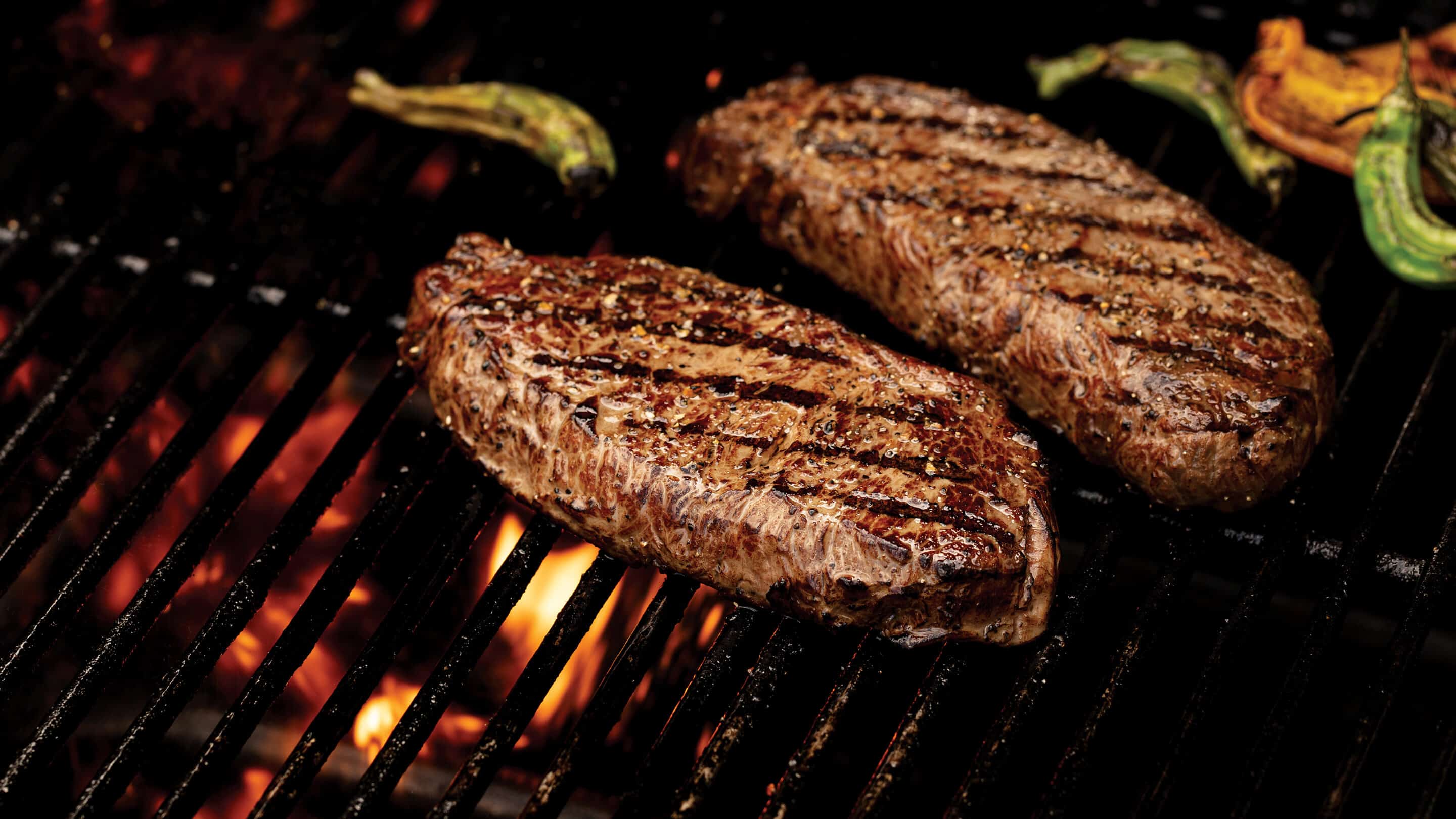
Place your steak directly over the hottest part of the grill. You should hear an immediate, satisfying sizzle. Resist the urge to move or flip the steak for the first 2-3 minutes. This initial contact is crucial for developing that rich, browned crust through the Maillard reaction. After 2-3 minutes, lift the steak gently. If a beautiful brown crust has formed, rotate it 90 degrees and place it back down for another 2-3 minutes to create attractive crosshatch grill marks. This attention to detail is what elevates a simple meal into an experience, much like the impeccable service one expects at a Four Seasons Resort. After the initial searing on one side, flip the steak and repeat the process on the other side. This high-heat searing locks in juices and creates a complex flavor profile on the exterior.
Temperature Control and Doneness
Once both sides of the steak have a deep, enticing sear, it’s time to move it to a cooler part of the grill (indirect heat) to finish cooking to your desired doneness. This two-zone grilling method prevents the exterior from burning while allowing the interior to cook evenly. For gas grills, turn off one or more burners. For charcoal grills, move the coals to one side.
This is where a good instant-read meat thermometer becomes your best friend. Relying on guesswork can lead to overcooked or undercooked steak, spoiling all your previous efforts. Insert the thermometer into the thickest part of the steak, avoiding any bones or fat pockets. Here’s a general guide for internal temperatures:
- Rare: 125°F (52°C) – Cool red center
- Medium-Rare: 130-135°F (54-57°C) – Warm red center (often considered ideal for New York Strip)
- Medium: 135-140°F (57-60°C) – Warm pink center
- Medium-Well: 140-150°F (60-65°C) – Slightly pink center
- Well-Done: 150-160°F+ (65-71°C+) – Little to no pink
Remember that the steak’s internal temperature will continue to rise by 5-10 degrees Fahrenheit after it’s removed from the heat (carryover cooking). So, pull the steak off the grill just before it reaches your target temperature. This precision is a hallmark of culinary excellence, a skill prized by chefs like Gordon Ramsay and Wolfgang Puck, and it’s a standard you can achieve in your own kitchen or while enjoying the amenities of a premium accommodation with outdoor cooking facilities.
The Crucial Rest
Perhaps the most overlooked, yet vital, step in grilling a perfect steak is allowing it to rest. Once your steak reaches the desired internal temperature, remove it from the grill and place it on a clean cutting board. Tent it loosely with aluminum foil. Resist the temptation to cut into it immediately.
Resting allows the muscle fibers, which contract during cooking, to relax. More importantly, it allows the juices, which have been driven to the center of the steak by the heat, to redistribute throughout the entire cut. If you slice into the steak too soon, those precious juices will flood your cutting board, leaving you with a drier, less flavorful piece of meat. For a 1-1.5 inch thick New York Steak, a rest of 5-10 minutes is usually sufficient. This patience is rewarded with a noticeably juicier, more tender, and flavorful steak. It’s the final flourish, the moment where all your preparation culminates, ensuring that every bite is as delicious as you imagined. This quiet anticipation mirrors the calm and luxury found in a well-appointed hotel suite, where every detail is designed for comfort and satisfaction.
Serving Your Masterpiece: Accompaniments and Presentation
Having meticulously selected, seasoned, and grilled your New York Steak, the final act is its presentation and pairing with complementary dishes. This is where the dining experience truly comes alive, creating a sensory symphony that can transport you, even from your own dining room, to the finest culinary destinations. Just as a travel guide enhances your journey through a new city, thoughtful accompaniments elevate your steak meal.
Complementary Sides: From Classic to Exotic
The sides you choose can significantly enhance the steak experience, providing balance, texture, and additional flavor dimensions.
- Classic Comforts: For a timeless steakhouse experience, creamy mashed potatoes, crisp asparagus spears, or sautéed mushrooms are go-to choices. A baked potato with all the fixings – butter, sour cream, chives, and bacon bits – is another beloved classic. These traditional pairings offer comforting familiarity, much like revisiting a favorite travel destination.
- Elevated Vegetables: Consider grilled vegetables like bell peppers, zucchini, or corn on the cob, seasoned simply to allow their natural sweetness to complement the savory steak. A vibrant green salad with a light vinaigrette can cut through the richness of the meat, offering a refreshing contrast. For a touch of gourmet flair, roasted Brussels sprouts with balsamic glaze or a delicate gratin dauphinois can turn your meal into a fine-dining affair, reminiscent of meals enjoyed at The Plaza Hotel in New York City or sophisticated bistros in London.
- Global Inspirations: Don’t hesitate to draw inspiration from international cuisine. A vibrant chimichurri sauce, popular in Argentina and Uruguay, can add a fresh, herbaceous kick. Spicy patatas bravas from Spain or a vibrant, colorful salsa from Mexico can introduce exciting new flavor profiles. Embracing these global influences aligns perfectly with a lifestyle centered around diverse travel experiences and culinary exploration.
Wine Pairings: A Sommelier’s Touch
Pairing the right wine with your New York Steak elevates the meal to an art form. The robust, beefy flavor and moderate fat content of a New York Strip call for a red wine with sufficient tannin and complexity to complement the richness without overpowering it.
- Classic Choices: A Cabernet Sauvignon from Napa Valley or Bordeaux in France is a quintessential pairing, its firm tannins and dark fruit notes harmonizing beautifully with the steak. A Merlot offers a softer, fruitier alternative, while a Syrah (or Shiraz from Australia) can bring a peppery spice and smoky depth that complements the grilled char.
- Exploring Other Regions: Don’t limit yourself to the classics. A bold Malbec from Argentina or a robust Barolo or Brunello di Montalcino from Italy can offer exquisite pairings, reflecting the rich wine tourism experiences these countries offer. Engaging in wine pairing isn’t just about taste; it’s an extension of the lifestyle of a discerning traveler, appreciating the terroir and craftsmanship behind each bottle.
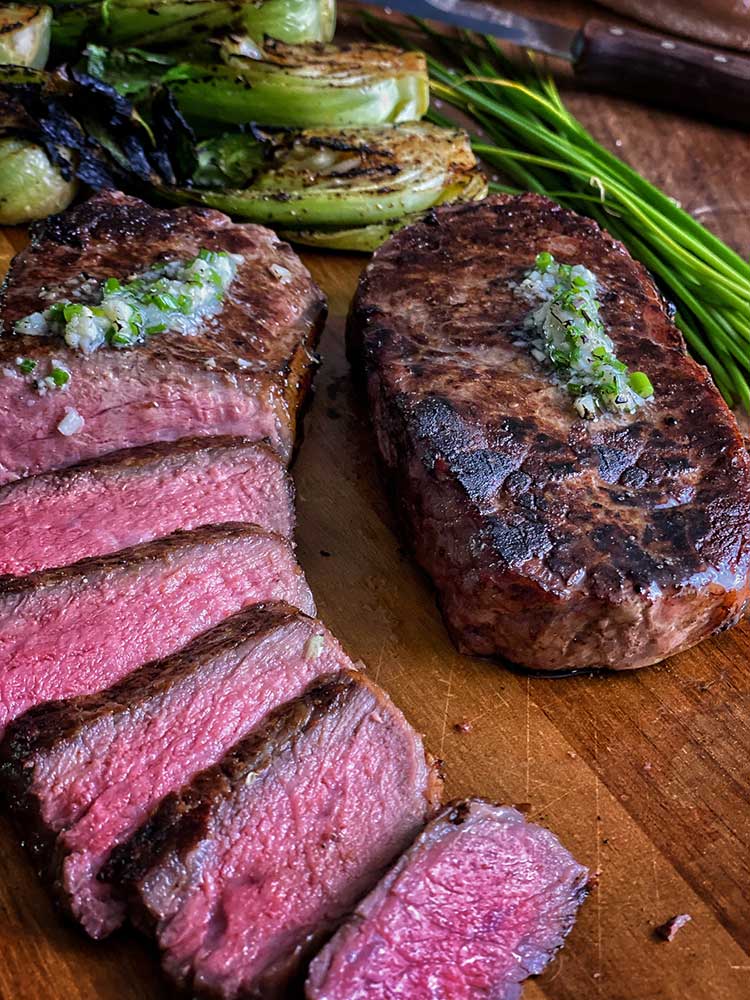
The presentation of your steak also matters. Slice the rested steak against the grain into thick, even slices. Arrange them artfully on a warm plate, perhaps fanned out, and drizzle with any accumulated juices from the resting board. Garnish with a sprig of fresh rosemary or a sprinkle of flaky sea salt. This final touch transforms your meal from simple sustenance into a plated experience, one that rivals the most exquisite dishes encountered during your global travels or celebrated at a luxurious hotel dining venue.
In conclusion, preparing a New York Steak for grilling is a journey of precision, passion, and palate refinement. From selecting the finest cut and mastering the art of seasoning to executing perfect grilling techniques and thoughtful presentation, each step contributes to a memorable culinary event. This guide not only equips you with the skills to cook an exceptional steak but also invites you to view the process through the lens of a global explorer. Every ingredient, every technique, and every pairing holds a story, connecting you to diverse cultures, breathtaking destinations, and the universal joy of shared meals. Embrace the grill, savor the flavors, and let your culinary adventures unfold, one perfectly seared New York Steak at a time.
LifeOutOfTheBox is a participant in the Amazon Services LLC Associates Program, an affiliate advertising program designed to provide a means for sites to earn advertising fees by advertising and linking to Amazon.com. Amazon, the Amazon logo, AmazonSupply, and the AmazonSupply logo are trademarks of Amazon.com, Inc. or its affiliates. As an Amazon Associate we earn affiliate commissions from qualifying purchases.