
For Muslim travelers, residents, or anyone with an interest in the diverse cultural fabric of the United States, understanding prayer times is an essential aspect of daily life. In a bustling metropolis like New York, where every moment seems to pulse with activity, knowing the precise time for Fajr prayer, the pre-dawn prayer, can significantly shape one’s daily itinerary, whether for spiritual devotion, travel planning, or simply a deeper appreciation of local customs. New York is a global hub that welcomes people from all walks of life, and its vibrant Muslim communities ensure that finding accurate prayer times and suitable facilities is surprisingly straightforward, even amidst the concrete jungle. This guide delves into everything a traveler needs to know about Fajr prayer in New York, integrating practical tips for seamless travel and culturally enriching experiences.
Understanding Fajr Prayer and Its Significance for Travelers
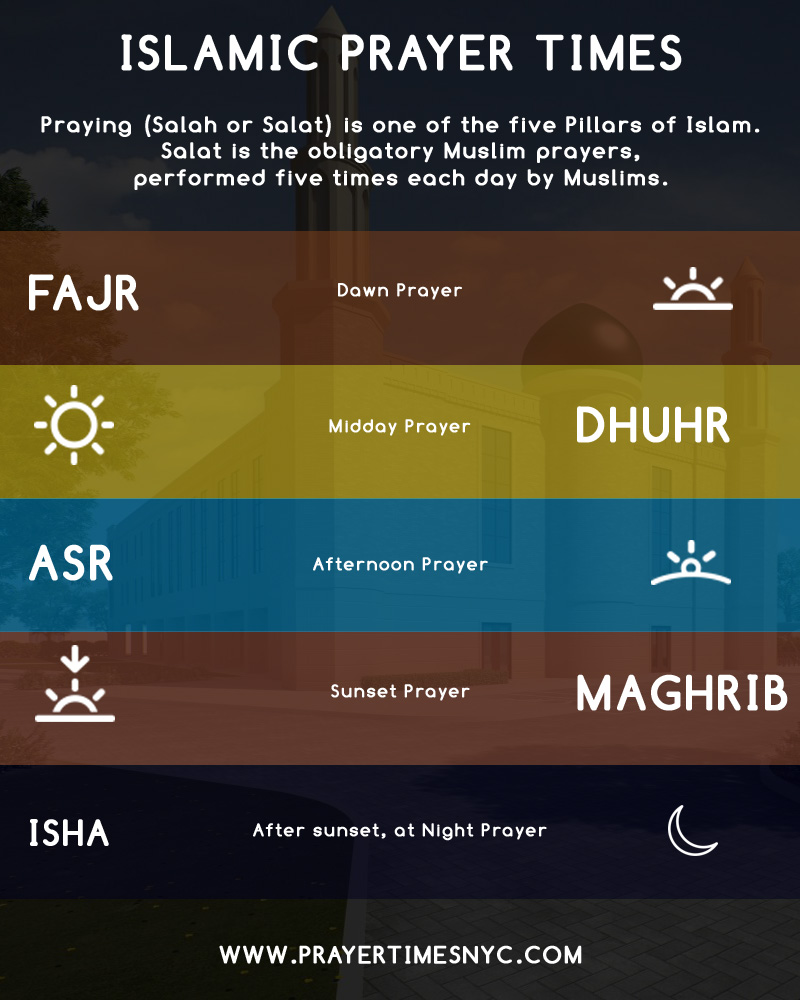
Fajr, the dawn prayer, is one of the five obligatory daily prayers in Islam. Its timing is unique as it falls before sunrise, requiring a devotion that often precedes the start of the typical workday or tourist activities. For a Muslim traveler exploring New York, the importance of Fajr extends beyond religious obligation; it often dictates the start of their day, influencing decisions about when to wake, when to leave the hotel, and how to schedule morning excursions.
The Dynamics of Prayer Times
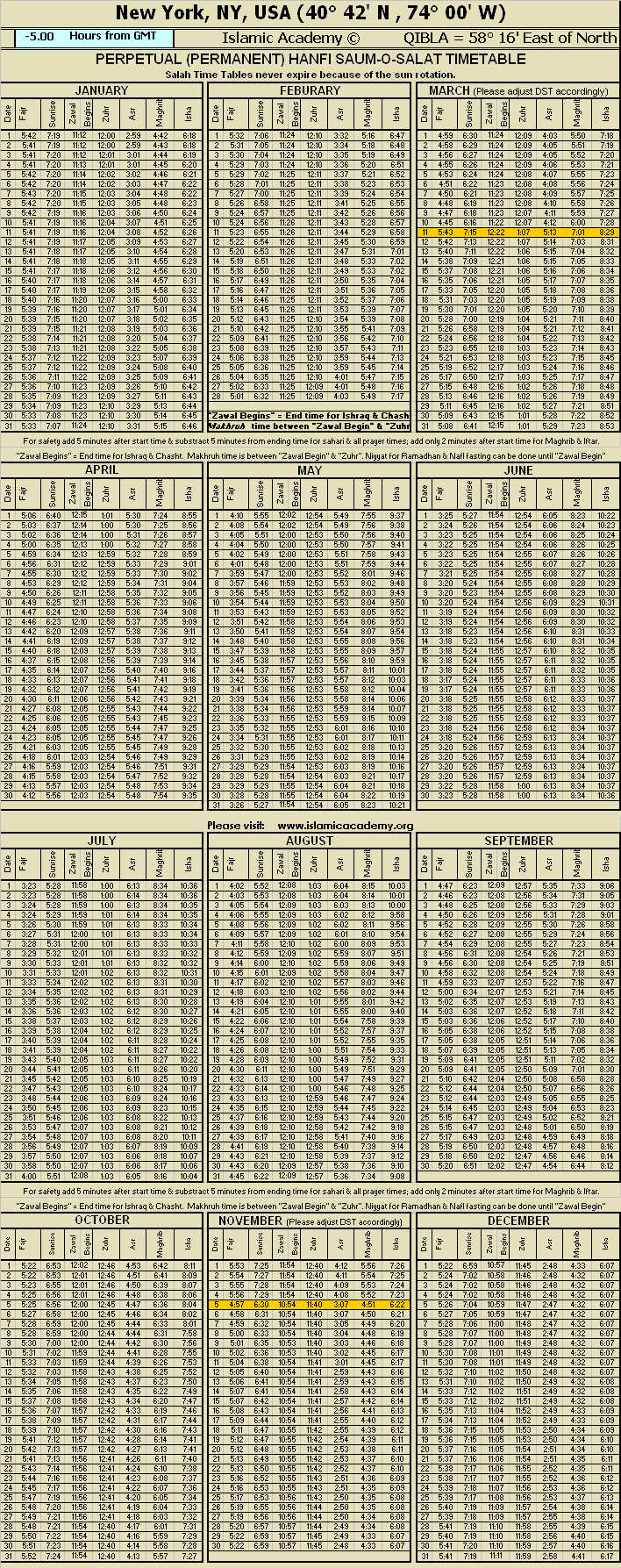
Unlike fixed clock times, Islamic prayer times are determined by the position of the sun. Fajr prayer begins when the first light of dawn becomes visible across the horizon and ends just before sunrise. This means that Fajr prayer times, like all other prayer times, fluctuate daily and vary significantly throughout the year, especially in a city like New York which experiences considerable seasonal changes in daylight hours. During the summer months, Fajr can be very early, sometimes before 4:00 AM, while in winter, it can be much later, closer to 6:00 AM or even later. This dynamic nature necessitates consulting reliable, up-to-date sources.
The calculation of prayer times is based on astronomical observations and specific methodologies adopted by various Islamic schools of thought. While slight variations may exist between different calculating bodies, these differences are usually minor, often by only a few minutes. For a traveler, understanding this fluidity is crucial, as simply relying on a generalized “Fajr time” without checking a current schedule specific to New York could lead to missing the prayer window. This awareness allows for better planning, ensuring that spiritual duties are met without compromising the enjoyment of New York’s myriad attractions.
Why Fajr Holds Special Importance
Fajr prayer holds a special place in the daily routine of a Muslim. It is seen as a time of immense blessings and spiritual tranquility, setting a positive tone for the entire day. For those engaging in lifestyle travel or simply seeking a deeper connection during their journey, commencing the day with Fajr prayer can be a profoundly grounding experience. It offers a moment of quiet reflection before plunging into the hustle and bustle of city life, whether you’re heading to a business meeting, embarking on a family trip, or exploring historical landmarks.
Furthermore, observing Fajr can influence a traveler’s routine in practical ways. For instance, waking up early for Fajr often means witnessing the city come alive in a different light—the serene pre-dawn calm contrasting with the eventual morning rush. This offers a unique perspective of New York that many tourists might miss, whether it’s a quiet stroll through Central Park before the crowds, or catching a glimpse of the Statue of Liberty as the sun peeks over the horizon. It aligns perfectly with a mindful approach to tourism, encouraging a pace that allows for both spiritual fulfillment and vibrant exploration.
Navigating Prayer Times in the Big Apple
Finding accurate Fajr prayer times in New York is remarkably easy, thanks to the city’s robust infrastructure and diverse Muslim population. Whether you’re staying in Manhattan, exploring the cultural tapestry of Queens, or venturing into the historic streets of Brooklyn, resources are readily available to ensure you stay informed.
Reliable Sources for Daily Schedules
The most reliable sources for daily prayer times in New York are typically local Islamic centers and mosques. These institutions meticulously calculate and publish monthly or daily schedules that account for the specific geographic coordinates of the city and adhere to recognized calculation methods.
- Mosque Websites and Apps: Many prominent mosques in New York maintain websites and even dedicated mobile applications that provide accurate prayer times. A quick online search for “prayer times New York” or “Fajr time New York” will yield numerous results, often leading to these official sources.
- Islamic Prayer Apps: Numerous popular smartphone applications are designed specifically for tracking prayer times globally. Apps like Muslim Pro, Athan, and Islam Pro use your device’s location to provide precise times, often with customizable calculation methods. These are indispensable tools for any Muslim traveler.
- Hotel Concierge and Local Information: For those staying in hotels, especially those catering to international guests, the concierge desk may be able to provide information or direct you to local resources. Many international hotel brands are increasingly aware of the needs of diverse travelers.
- Community Centers: Various Muslim community centers across the boroughs often have printed schedules available or publicly display daily times. These can be particularly useful for long-term stays or if you’re engaging with local communities.
It’s always recommended to cross-reference times from at least two sources if you have any doubts, though major apps and mosque schedules tend to be highly accurate. Also, be mindful of Daylight Saving Time changes, which occur twice a year in the United States and will shift clock times by an hour, consequently affecting how the prayer times align with the clock.
Key Neighborhoods and Islamic Centers for Muslim Visitors
New York’s Muslim community is spread across all five boroughs, with concentrations in various neighborhoods. This diversity means that mosques and Islamic centers are accessible throughout the city, making it easier for visitors to find a place for prayer regardless of their itinerary.
- Manhattan: As the heart of the city’s tourism and business stays, Manhattan hosts several significant mosques. The Islamic Cultural Center of New York on 3rd Avenue is a prominent and architecturally striking mosque, often frequented by both locals and visitors. Other notable mosques include Masjid Manhattan (also known as Masjid al-Farah). These locations are excellent resources for prayer times and offer a glimpse into the local Muslim community.
- Brooklyn: Brooklyn has a large and diverse Muslim population, with vibrant communities in areas like Bay Ridge, Sunset Park, and Bedford-Stuyvesant. Masjid At-Taqwa in Brooklyn is another well-known center. Exploring these neighborhoods offers an opportunity to experience local culture and cuisine alongside spiritual practice.
- Queens: Known for its incredible ethnic diversity, Queens boasts numerous mosques and Islamic centers, particularly in areas like Astoria, Jackson Heights, and Flushing. The Islamic Center of Flushing serves a large community and can be a good reference point for prayer times.
- The Bronx and Staten Island: These boroughs also have established Muslim communities and local mosques, such as the Albanian Islamic Cultural Center on Staten Island, providing facilities and information for residents and visitors alike.
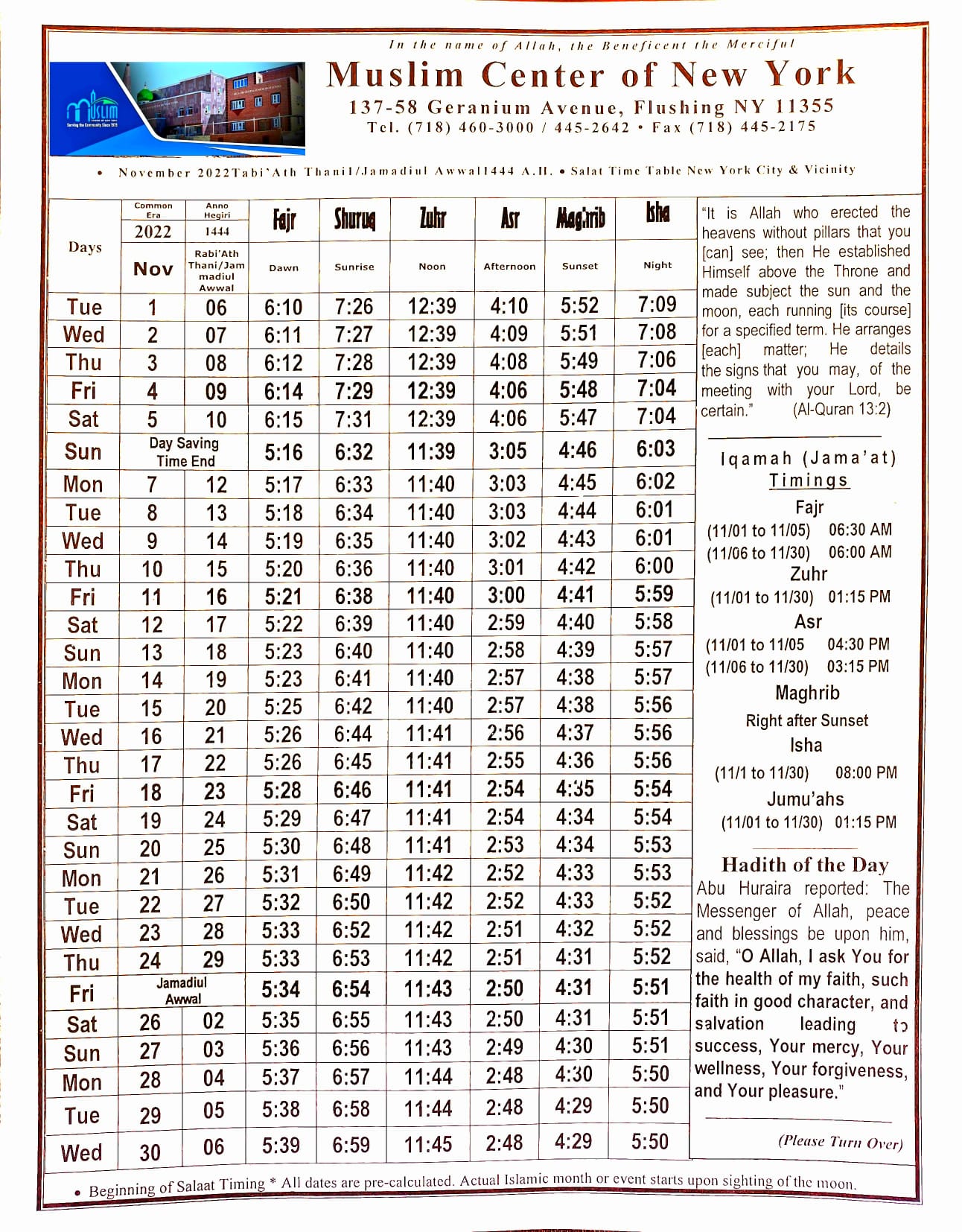
Finding a mosque is not just about prayer; it’s also an opportunity for cultural immersion, meeting local Muslims, and perhaps even enjoying authentic halal food in the vicinity.
Enhancing the Muslim Travel Experience in New York
Integrating religious observance into a busy travel schedule in New York doesn’t have to be a challenge. With a little planning, the city offers numerous ways to enhance the Muslim travel experience, from tailored accommodation options to convenient prayer spaces and a thriving halal culinary scene.
Accommodation Choices Catering to Spiritual Needs
When selecting hotels or other accommodation in New York, Muslim travelers have several considerations to ensure comfort and convenience for their spiritual practices, especially for Fajr prayer.
- Proximity to Mosques: Choosing a hotel located near a mosque or Islamic center can be incredibly convenient, allowing easy access for Fajr and other daily prayers. Many luxury hotels or boutique hotels in areas like Midtown Manhattan or Downtown might be within a reasonable distance to a designated prayer space.
- Qibla Direction and Prayer Mats: A growing number of international hotel chains like Hilton, Marriott, and Hyatt, and high-end resorts or villas, are becoming more sensitive to Muslim guest needs. Some rooms may have a sticker indicating the Qibla (direction of Mecca), or guests can request a prayer mat from the front desk. Even without these, smartphone apps can easily determine the Qibla direction.
- Early Breakfast Options: For those observing intermittent fasting or simply needing an early meal after Fajr, hotels offering early breakfast services or 24-hour room service can be a huge benefit. If traveling on a budget travel plan, consider serviced apartments with kitchenettes, which allow for self-catering of pre-dawn meals (suhoor).
- Privacy and Tranquility: For Fajr, a quiet room is ideal. When booking, consider requesting a room away from elevators or street noise to ensure a peaceful environment for prayer and rest. Four Seasons or Ritz-Carlton properties, for instance, are known for their quiet luxury and attention to guest comfort.
Integrating Prayer into Your Sightseeing Itinerary
New York’s vast array of attractions means careful planning is key to balancing sightseeing with prayer times.
- Start Your Day with Fajr: Since Fajr is early, completing it at your hotel allows you to start your day’s exploration with peace of mind. You can then head out to popular spots like Times Square or the Empire State Building as they begin to wake up, potentially avoiding some of the peak crowds.
- Utilize Public Prayer Spaces: Many major landmarks and public transportation hubs in New York may offer designated prayer rooms or quiet spaces. For example, airports typically have multi-faith prayer rooms. While specific prayer rooms aren’t common in most tourist sites, finding a quiet corner in a less crowded area (like a park bench in Central Park or a serene spot in a museum like the Metropolitan Museum of Art) can serve the purpose during urgent needs.
- Plan Around Zohr and Asr: After Fajr, the next two prayers, Zohr (midday) and Asr (afternoon), often fall during peak sightseeing hours. Use prayer apps to gauge their timing and plan breaks accordingly. A lunch stop at a halal restaurant or a moment of rest in a park can double as a prayer opportunity. For longer excursions, such as a visit to the Statue of Liberty and Ellis Island, consider the round-trip travel time and aim to complete prayers before or after, or utilize ferry downtime.
- Embrace Flexibility: New York is a city of spontaneity. While planning is good, being flexible and having a small, portable prayer mat can make it easy to pray wherever a suitable, clean spot is found, whether you’re exploring DUMBO or walking across the Brooklyn Bridge.
Discovering Halal Cuisine and Community
Beyond prayer times, New York offers an unparalleled experience for Muslim travelers through its diverse halal food scene. From street food carts to upscale restaurants, finding halal options is part of the city’s unique cultural tapestry.
- Halal Street Carts: Famous across Manhattan, especially near tourist hubs like Times Square and the Empire State Building, these carts offer quick, delicious, and affordable halal meals, perfect for a traveler on the go.
- Neighborhood Eateries: Venture into neighborhoods like Astoria in Queens, Bay Ridge in Brooklyn, or Curry Hill in Manhattan to discover a plethora of halal restaurants serving cuisines from around the world, including Middle Eastern, South Asian, Southeast Asian, and more. This culinary exploration is a key part of experiencing local culture.
- Community Events: Depending on the time of year, travelers might also find local Islamic community events, lectures, or bazaars happening, especially during Islamic holidays like Eid. These can offer enriching cultural experiences and opportunities to connect with the local Muslim community.
Practical Tips for a Spiritually Fulfilling Visit
Making the most of your spiritual journey in New York involves a few practical considerations that can greatly enhance your overall experience.
Technology at Your Fingertips
Modern technology is your best friend when it comes to managing prayer times and navigating a new city.
- Prayer Time Apps: As mentioned, robust prayer time applications are indispensable. Ensure they are downloaded, configured to New York’s location, and set to a reliable calculation method before your trip.
- Offline Maps: While exploring popular sites like Broadway or the 9/11 Memorial & Museum, having offline maps can help you locate nearby mosques or quiet spots even without internet access.
- Halal Food Finders: Apps and websites dedicated to finding halal restaurants can save you time and ensure you have suitable dining options.
Respecting Local Customs and Finding Serenity
While New York is incredibly diverse and generally welcoming, being mindful of your surroundings is always a good practice.
- Dress Modestly (Optional but Respectful): While not strictly required for general sightseeing, dressing modestly, particularly when visiting mosques or religious centers, shows respect for local customs and the sanctity of these spaces.
- Observe Public Etiquette: When performing prayers in public spaces like Grand Central Terminal or a park, choose a discreet spot to avoid obstructing others or drawing undue attention.
- Embrace the Diversity: New York’s Muslim community is incredibly diverse, comprising individuals from virtually every corner of the globe. Engaging with this community, whether through attending a prayer service or sharing a meal, can be one of the most enriching aspects of your trip, offering a true taste of local culture and global connection.
In conclusion, finding Fajr prayer times in New York is an integral part of a spiritually aware travel experience, and the city offers abundant resources and a welcoming environment to facilitate this. By leveraging readily available information, planning wisely, and embracing the vibrant local Muslim community, travelers can ensure their spiritual obligations are met while fully immersing themselves in the unparalleled dynamism and attractions of the Big Apple. Whether you seek luxury travel or an authentic cultural adventure, New York stands ready to offer a fulfilling and memorable journey, respecting every aspect of your lifestyle.
LifeOutOfTheBox is a participant in the Amazon Services LLC Associates Program, an affiliate advertising program designed to provide a means for sites to earn advertising fees by advertising and linking to Amazon.com. Amazon, the Amazon logo, AmazonSupply, and the AmazonSupply logo are trademarks of Amazon.com, Inc. or its affiliates. As an Amazon Associate we earn affiliate commissions from qualifying purchases.