
Texas Toast. The very name conjures up images of comforting, hearty meals, often found gracing the tables of diners and family restaurants across the Lone Star State. While its origins are humble, its appeal is widespread, transforming a simple slice of bread into a culinary experience. This isn’t just any toasted bread; it’s a thick-cut, gloriously golden, and satisfyingly crisp delight. Whether you’re looking to elevate your breakfast, serve as the perfect sidekick to a juicy steak, or create a memorable sandwich, mastering the art of Texas Toast is a worthwhile endeavor.
This guide will take you through everything you need to know, from selecting the right bread to achieving that perfect golden-brown crust and fluffy interior. We’ll delve into the nuances of preparation, explore variations, and even touch upon its cultural significance, connecting this culinary staple to the broader tapestry of Texas food culture and travel experiences.
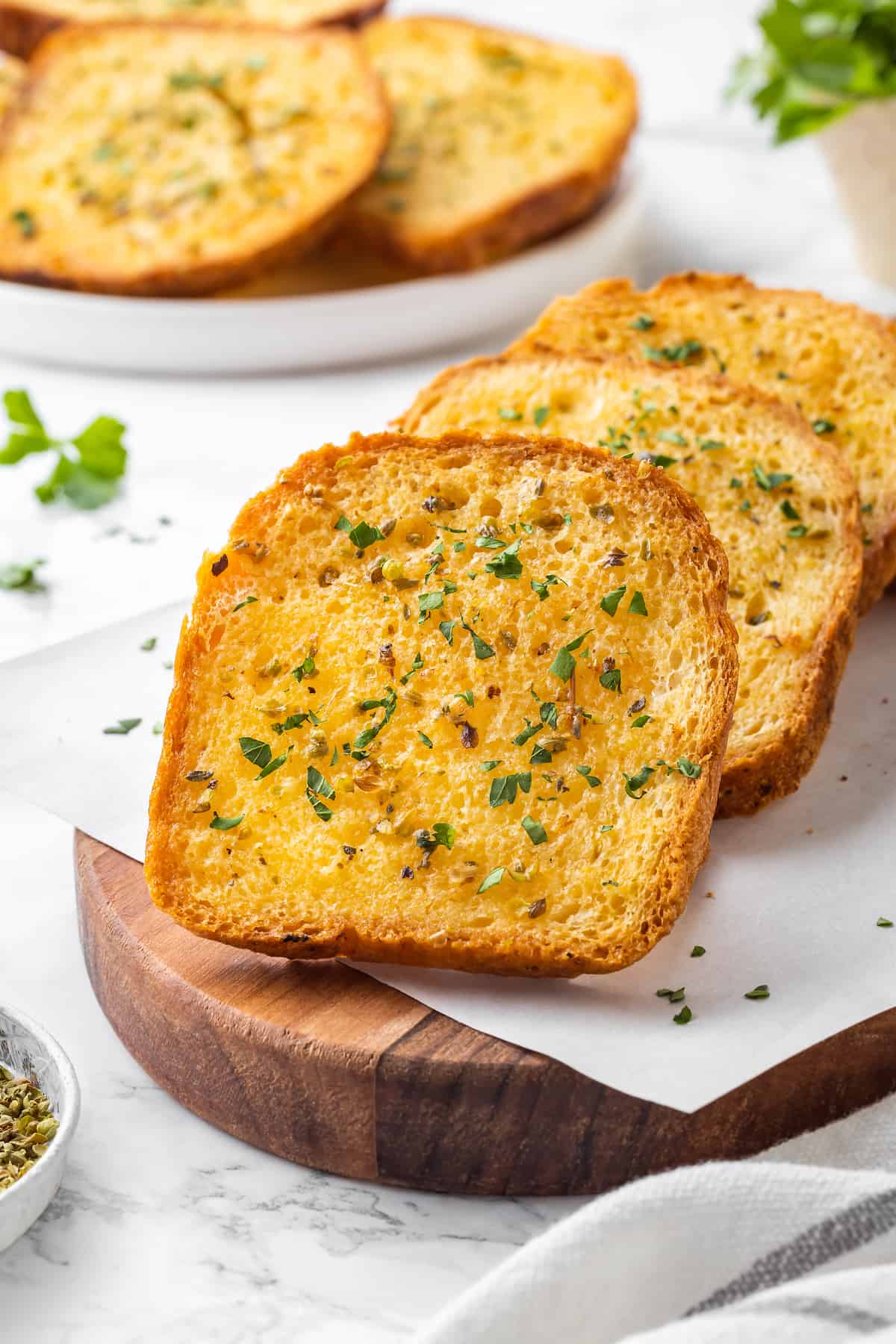
The Foundation: Choosing and Preparing Your Bread
The secret to exceptional Texas Toast lies in the foundation: the bread. Unlike its thinner counterparts, Texas Toast demands a bread with substance. This isn’t the place for a flimsy white loaf. You need something robust enough to stand up to the toasting process without becoming a brittle husk.
The Ideal Bread for Texas Toast
When you think of Texas Toast, the first image that likely springs to mind is a thick slice of bread. The standard for authentic Texas Toast is a loaf that’s sliced at least one inch thick, and often closer to one and a half to two inches. This thickness is crucial for several reasons. Firstly, it allows the interior of the bread to remain wonderfully soft and slightly chewy, creating a delightful contrast with the crispy exterior. Secondly, it provides enough surface area to absorb butter and seasonings, infusing every bite with flavor.
While many types of bread can be used, some are better suited than others. The most classic choice is often a Texas-style white bread or a rich, slightly sweet challah-style bread. These breads tend to have a good crumb structure, a moderate amount of fat, and a pleasant chewiness that toasts beautifully. Avoid very airy or delicate breads, as they can crumble or burn too quickly. Sourdough can also be a delicious option, offering a tangy counterpoint to the richness of the butter and garlic.
If you’re feeling adventurous or can’t find pre-sliced thick bread, you can certainly achieve this at home. Purchase a high-quality loaf – perhaps a country white, Italian, or even a brioche for a touch of decadence. Then, using a sharp serrated knife, carefully slice the bread yourself. Aim for consistent thickness across all your slices to ensure even toasting. For truly authentic Texas Toast, look for loaves baked in a loaf pan, which often yield those characteristic square edges.
Prepping the Slices: Butter, Garlic, and Beyond
Once you have your thick-cut bread, the next step is to prepare it for its transformation. This is where the magic truly begins. The most popular and arguably the most iconic way to prepare Texas Toast involves a generous application of garlic butter.
Classic Garlic Butter Preparation:
- Soften the Butter: Start with unsalted butter that has been left at room temperature to soften. This makes it easier to spread and incorporate other ingredients.
- Mince the Garlic: Finely mince or grate fresh garlic cloves. The amount is a matter of personal preference, but for a robust flavor, 2-3 cloves per half cup of butter is a good starting point. You can also use garlic powder for a more subtle, even distribution of flavor, though fresh garlic offers a more intense aroma and taste.
- Add Seasonings: Mix in salt, and a pinch of black pepper. Freshly chopped parsley or chives can also add a vibrant color and a fresh herbaceous note. Some people even add a dash of onion powder or a sprinkle of dried Italian herbs for added complexity.
- Combine Thoroughly: Cream the softened butter, minced garlic, and seasonings together until well combined.
Once your garlic butter is ready, it’s time to apply it to the bread. Spread a generous layer of this flavorful mixture onto one side of each slice of bread. Don’t be shy; this is what will give your Texas Toast its signature richness and help it achieve that irresistible golden-brown hue.
Beyond Garlic: Exploring Flavor Variations
While garlic butter is the undisputed champion, the beauty of Texas Toast lies in its versatility. Don’t hesitate to experiment with different flavor profiles to suit your meal or mood.
- Herb Butter: Instead of garlic, use a blend of fresh herbs like rosemary, thyme, and sage. This pairs wonderfully with roasted meats.
- Parmesan Garlic Butter: Add finely grated Parmesan cheese to your garlic butter mixture for an extra layer of savory, nutty flavor. This is particularly excellent for creating garlic bread variations.
- Spicy Kick: For those who enjoy a bit of heat, add a pinch of red pepper flakes or a dash of your favorite hot sauce to the butter.
- Sweet Cinnamon Sugar: For a breakfast or dessert twist, skip the garlic and savory herbs. Instead, mix softened butter with granulated sugar and ground cinnamon. This transforms Texas Toast into a delightful sweet treat.
- Honey Butter: A simple yet delicious option for breakfast. Mix softened butter with a drizzle of honey.
Regardless of the flavor profile you choose, the key is to ensure the butter is spread evenly across the surface of the bread.
The Art of Toasting: Achieving Perfection
With your bread prepped and flavored, the next critical step is the toasting itself. This is where technique and temperature play a vital role in transforming simple slices into golden masterpieces.
Methods for Toasting Texas Toast
There are several effective methods for toasting Texas Toast, each offering slightly different results. The best method for you will depend on your equipment and desired outcome.

-
Oven Baking (The Classic Method): This is arguably the most traditional and reliable way to achieve evenly toasted Texas Toast with a crisp exterior and a tender interior.
- Preheat your oven: Set your oven to 350°F (175°C).
- Arrange the bread: Place the buttered slices on a baking sheet, buttered-side up. You can line the baking sheet with parchment paper for easier cleanup.
- Bake: Bake for 8-12 minutes, or until the edges are golden brown and the butter is bubbly. Keep a close eye on it, as toasting times can vary depending on your oven and the thickness of your bread.
- Flip (Optional but Recommended): For an even crispness, you can carefully flip the slices during the last few minutes of baking to lightly toast the other side, or place them under the broiler for a quick char.
-
Broiler Method: This method is faster but requires more vigilance to prevent burning. It’s excellent for achieving a quicker, crispier toast.
- Preheat the broiler: Set your broiler to high.
- Arrange the bread: Place the buttered slices on a baking sheet, buttered-side up.
- Broil: Place the baking sheet on the middle rack (or slightly higher, depending on your broiler’s intensity). Broil for 1-3 minutes, watching very closely, until golden brown. The time is significantly shorter than oven baking. You may need to rotate the pan to ensure even browning.
-
Grill or Griddle: This method imparts a lovely smoky flavor, especially if you’re grilling outdoors.
- Preheat your grill or griddle: Medium heat is generally best.
- Butter the bread: Butter both sides of the bread generously.
- Grill/Griddle: Place the bread on the hot surface and cook for 2-4 minutes per side, or until golden brown and toasted.
-
Toaster (with caution): While a standard pop-up toaster isn’t ideal for thick Texas Toast slices, some models with wider slots might accommodate thinner slices. For the thickest cuts, this method is generally not recommended as it can lead to uneven toasting and burning before the interior is warmed.
The Importance of Temperature and Time
Regardless of the method chosen, controlling the temperature and time is paramount. Too high a heat will result in burnt exteriors and a cold, doughy interior. Too low a heat, or too short a time, will leave you with pale, uninspiring toast.
The goal is to achieve a golden-brown crust that is delightfully crisp to the bite, while the inside remains soft, fluffy, and warm. This textural contrast is the hallmark of great Texas Toast. For oven baking, a moderate temperature (350°F or 175°C) allows the heat to penetrate the thick slice evenly. For broiling or grilling, a slightly higher heat can be used, but requires constant attention.
Doneness Cues: What to Look For
How do you know when your Texas Toast is perfectly done? Here are the key indicators:
- Color: Look for a beautiful golden-brown hue across the entire buttered surface. It should be evenly colored, with perhaps some darker edges, but no black, burnt spots.
- Texture: The edges should appear crisp and slightly solidified. When you gently press down with a spatula, you should feel resistance and hear a slight crackle.
- Aroma: The kitchen should be filled with the irresistible aroma of toasted bread, garlic, and butter.
- Bubbly Butter: In oven baking, you’ll often see the butter gently bubbling around the edges of the toast.
If the bread is browning too quickly on top but not warmed through, you can tent it loosely with foil. If the top is perfect but the bottom isn’t crisp enough, consider flipping it for the last minute or two.
Serving and Enjoying Your Texas Toast
Once your Texas Toast is perfectly prepared, the final step is to serve it and savor its deliciousness. Its role can be as a humble sidekick or a star player in its own right.
Pairing Texas Toast with Meals
Texas Toast is incredibly versatile and pairs well with a wide array of dishes. Its rich, buttery, and often garlicky flavor makes it an excellent accompaniment to savory main courses.
- Steakhouse Classic: It’s a quintessential pairing for a thick, juicy steak, especially a ribeye or sirloin. The toast soaks up any leftover juices and complements the richness of the meat. Imagine it alongside a perfectly grilled New York Strip at a restaurant in Dallas.
- Barbecue Staple: Texas BBQ is famous worldwide, and thick, buttery toast is a natural fit for pulled pork, brisket, and ribs.
- Fried Chicken and Comfort Food: It’s a beloved addition to classic Southern and Texan comfort foods like fried chicken, mac and cheese, and pot roast.
- Soups and Stews: Use it to sop up every last drop of hearty soups and stews, from a simple tomato soup to a robust beef stew.
- Seafood Dishes: While perhaps less common, a well-made garlic Texas Toast can also complement certain seafood dishes, particularly those with rich sauces.
Creating Texas Toast Sandwiches
Beyond being a side, Texas Toast can be the foundation for incredible sandwiches. Its sturdy structure and satisfying texture make it ideal for holding generous fillings.
- Ultimate Grilled Cheese: Forget thin bread! Use Texas Toast for an epic grilled cheese sandwich. The thick slices hold melted cheese beautifully, creating a decadent, gooey experience.
- Garlic Bread Burger Bun: For a truly indulgent burger, use thick slices of toasted Texas Toast as your bun.
- Pulled Pork or Brisket Sandwich: A classic for a reason. The substantial toast holds up to the saucy, tender meats.
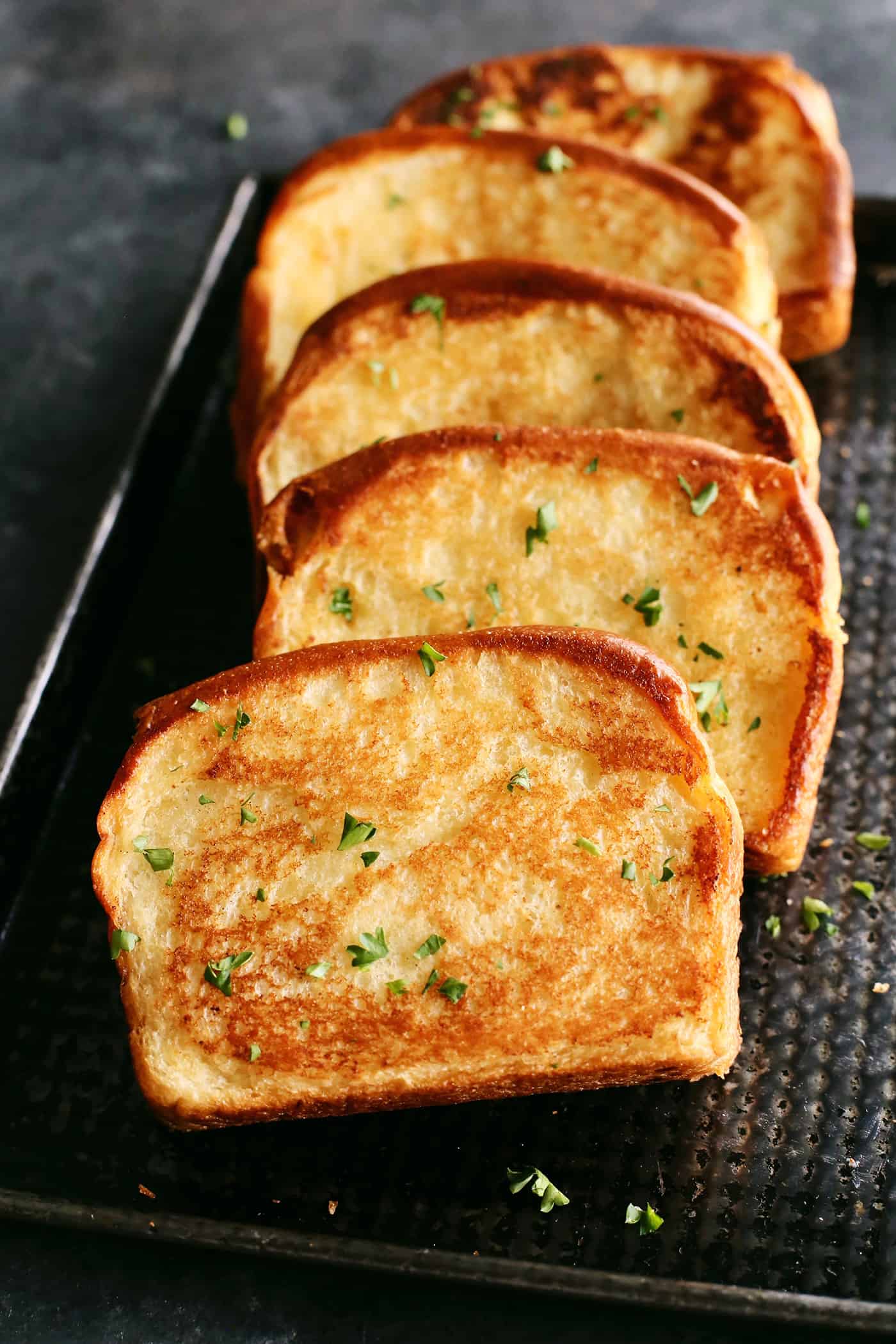
Presentation Tips
While Texas Toast is inherently rustic and comforting, a few simple presentation tips can elevate its appeal, whether you’re serving it at home or looking for inspiration from dining experiences.
- Serve Warm: Texas Toast is best served immediately after toasting, while it’s still warm and crisp.
- Garnish: A sprinkle of fresh parsley or chives adds a pop of color and freshness.
- Butter Dish: For extra indulgence, you can serve a small dish of melted butter or garlic butter on the side for dipping.
- Part of a Platter: When serving with a larger meal, arrange the Texas Toast slices attractively around the main dish.
- Dipping Sauces: Consider offering small bowls of dipping sauces if you’re making sandwiches, such as marinara for a grilled cheese or your favorite BBQ sauce.
The experience of preparing and enjoying Texas Toast is deeply intertwined with the culinary landscape of Texas. It’s a simple pleasure that speaks to the state’s tradition of hearty, flavorful food. Whether you’re planning a trip to explore the vibrant food scene in cities like Austin or Houston, or simply looking to recreate that authentic taste at home, mastering Texas Toast is a delicious step in appreciating this culinary icon. Think of the meals you can create, the flavors you can explore, and the sheer satisfaction that comes from a perfectly prepared slice. It’s more than just bread; it’s an experience.
LifeOutOfTheBox is a participant in the Amazon Services LLC Associates Program, an affiliate advertising program designed to provide a means for sites to earn advertising fees by advertising and linking to Amazon.com. Amazon, the Amazon logo, AmazonSupply, and the AmazonSupply logo are trademarks of Amazon.com, Inc. or its affiliates. As an Amazon Associate we earn affiliate commissions from qualifying purchases.