
The question “When was the last tornado in Oklahoma?” is one that resonates deeply with residents and anyone familiar with the state’s dynamic weather patterns. Oklahoma, often referred to as the “Tornado Alley,” is renowned for its susceptibility to these powerful atmospheric events. Understanding the frequency and timing of tornadoes is crucial not only for safety and preparedness but also for planning travel and experiencing the vibrant culture of the Sooner State. While the immediate answer to “when was the last tornado” can vary minute by minute, this exploration delves into the broader context of Oklahoma‘s tornado activity, its impact on tourism and lifestyle, and what visitors and locals should know.

Understanding Tornado Activity in Oklahoma
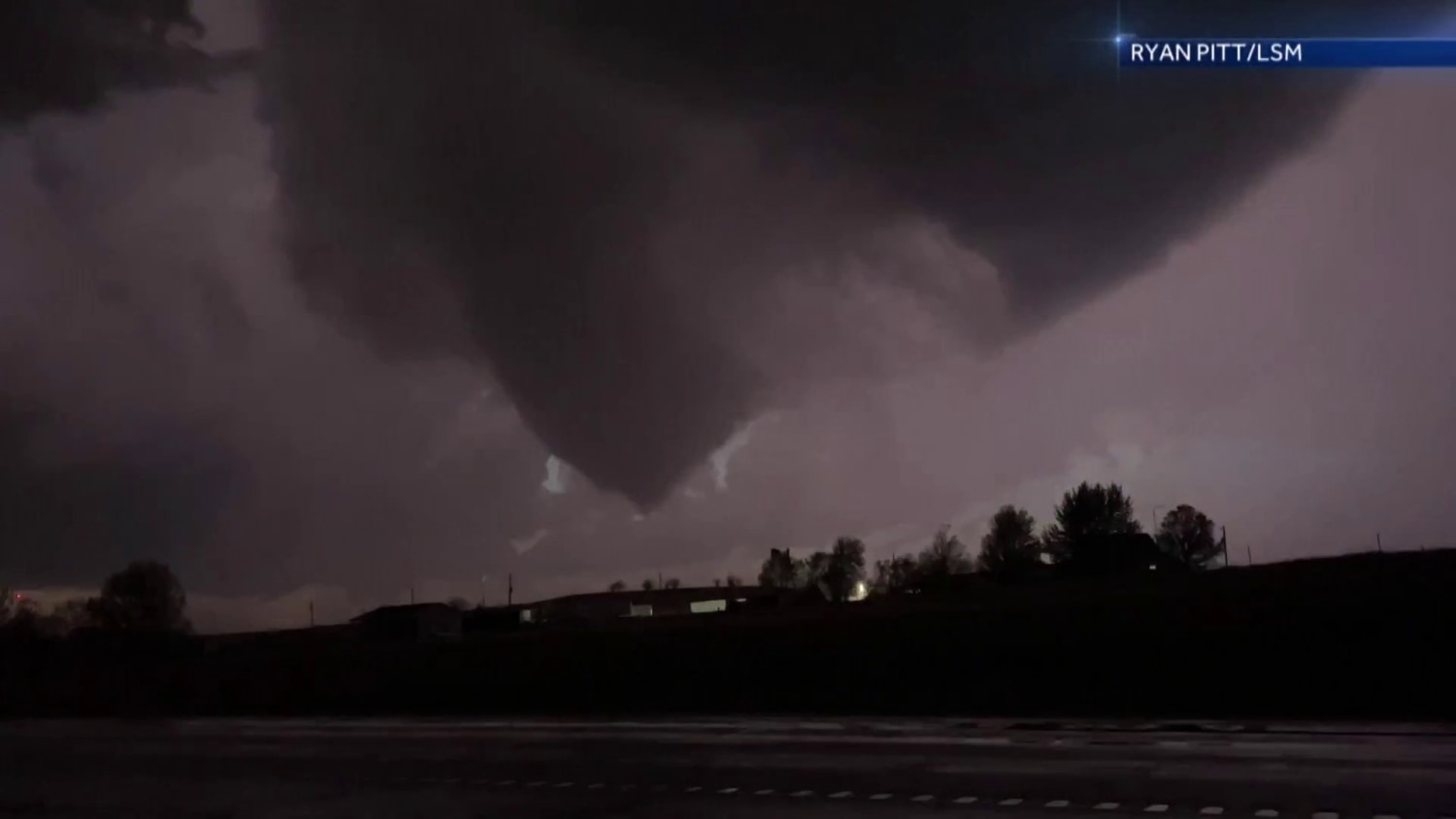
Oklahoma‘s unique geographical position at the confluence of dry, cool air from the Rocky Mountains and warm, moist air from the Gulf of Mexico creates the perfect ingredients for severe thunderstorm development, which can spawn tornadoes. This meteorological phenomenon is not a rare occurrence but rather a recurring aspect of the state’s climate, particularly during the spring months.
The Dynamics of Tornado Alley
The term “Tornado Alley” is a colloquial designation for a region in the central United States where tornadoes are most frequent. Oklahoma is at the heart of this zone, experiencing an average of 50-60 tornadoes annually. The peak season for tornado activity typically runs from April through June, with May often being the most active month. However, tornadoes can and do occur at other times of the year, including unseasonably early or late in the season, underscoring the need for constant vigilance.
The intensity of these storms can range from weak, brief touchdowns to powerful, long-track tornadoes capable of causing widespread devastation. The National Weather Service meticulously tracks and rates tornadoes using the Enhanced Fujita (EF) Scale, which categorizes them from EF0 (weakest) to EF5 (strongest) based on the damage they inflict. This classification helps meteorologists and emergency managers understand the severity of an event and aids in research and preparedness efforts.
Factors Influencing Tornado Occurrence
Several meteorological factors contribute to the likelihood of tornadoes forming in Oklahoma:
- Atmospheric Instability: A significant difference in temperature and moisture content between the lower and upper atmosphere creates instability, allowing air to rise rapidly.
- Wind Shear: Changes in wind speed and direction with height create a rotating column of air within a thunderstorm, known as a mesocyclone. This rotation can, under the right conditions, tighten and descend to the ground as a tornado.
- Moisture: Abundant moisture from the Gulf of Mexico fuels powerful thunderstorms.
- Frontal Boundaries: The collision of different air masses, such as a cold front meeting a warm, moist air mass, provides the lift and energy necessary for severe weather.
The interplay of these elements is what makes Oklahoma a prime location for tornado formation. Meteorologists constantly monitor weather patterns, issuing watches when conditions are favorable for severe storms and warnings when a tornado has been spotted or indicated by radar.
Tornadoes and the Oklahoma Experience: Travel, Tourism, and Lifestyle
The reality of tornadoes in Oklahoma has profoundly shaped the state’s infrastructure, culture, and the way its residents and visitors experience it. While the destructive potential is undeniable, it has also fostered a unique sense of community preparedness and resilience.
Adapting Travel and Tourism to the Weather
For travelers planning a trip to Oklahoma, understanding tornado season is essential for safety and to make informed decisions about their itinerary. Many visitors are drawn to Oklahoma for its rich history, vibrant arts scene, and natural beauty. Destinations like the Oklahoma City National Memorial & Museum offer poignant historical insights, while places like the Wichita Mountains Wildlife Refuge provide stunning natural landscapes for exploration.
- Spring Travel Considerations: While spring offers beautiful blooming landscapes and pleasant temperatures, it is also tornado season. Travelers visiting during these months should:
- Monitor Weather Forecasts: Stay updated on local weather reports and alerts from reliable sources like the National Weather Service.
- Understand Shelter Locations: If staying in hotels, familiarize yourself with the designated storm shelter locations within the building. Many hotels in Oklahoma are equipped with reinforced shelters.
- Have a Plan: Discuss with your travel companions where to go and what to do in the event of a tornado warning.
- Consider Travel Insurance: This can provide peace of mind and financial protection against unforeseen travel disruptions due to severe weather.

- Experiencing Oklahoma Beyond Tornado Season: Many visitors opt for travel during the fall months (September to November) when the weather is typically more stable, and the autumn foliage paints the state in vibrant colors. This is an excellent time to enjoy outdoor activities without the same level of concern for severe weather. Destinations like Tulsa offer a thriving arts and culture scene, including the Philbrook Museum of Art and the Gilcrease Museum, which are excellent indoor attractions regardless of the season.
The tourism industry in Oklahoma has adapted to the climate. Accommodations, from luxury resorts like the Skirvin Hilton Oklahoma City to budget-friendly motels, are often built with severe weather in mind. Many establishments provide up-to-date safety information and readily accessible shelter areas.
Lifestyle and Community Resilience
The recurring threat of tornadoes has instilled a strong sense of community preparedness in Oklahoma. Residents are generally well-informed about tornado safety procedures, and there is a culture of looking out for one another.
- Preparedness Culture: Homes in tornado-prone areas often have basements or storm cellars. Many communities have established warning systems, including sirens, and conduct regular tornado drills. The awareness and readiness fostered by living in Tornado Alley are significant.
- Economic Impact: Tornadoes can have a substantial economic impact, necessitating rebuilding and recovery efforts. This also influences the construction industry, with a focus on building materials and designs that can withstand high winds.
- Psychological Impact: While Oklahoma residents are resilient, the consistent threat can have a psychological impact. However, it also fosters a deep appreciation for clear skies and calm weather, making the good days even more cherished.
For those considering a long-term stay or even a permanent move to Oklahoma, understanding this aspect of life is crucial. It’s about embracing the natural environment, including its challenges, and becoming part of a community that is adept at managing and recovering from severe weather events.
Historical Tornadoes and Their Impact
Reflecting on past tornado events in Oklahoma provides critical context for understanding the current and future risks. These historical occurrences are not just statistics; they are reminders of nature’s power and the importance of preparedness.
Notable Tornado Events in Oklahoma
Oklahoma has been the site of some of the most devastating tornadoes in United States history.
- The 1999 Bridge Creek-Moore Tornado: This powerful EF5 tornado remains one of the most notorious tornadoes in Oklahoma‘s history. It caused immense destruction in the southern Oklahoma City metropolitan area, particularly in Bridge Creek and Moore. The tornado produced wind speeds of over 300 mph, the highest ever recorded at the time. It claimed 36 lives and caused an estimated $1.2 billion in damages, highlighting the catastrophic potential of these storms.
- The 2013 Moore Tornado: A decade after the devastating 1999 event, Moore, Oklahoma, was once again hit by an EF5 tornado. This storm caused extensive damage, flattening schools, homes, and businesses. While tragically claiming lives, including children at a local elementary school, the community’s enhanced preparedness measures and improved warning systems are credited with saving many more.
- Other Significant Tornadoes: Throughout Oklahoma‘s history, numerous other significant tornadoes have impacted communities across the state, from small towns to larger cities. Each event, regardless of its EF rating, has contributed to the collective knowledge and experience of tornado behavior and mitigation.
These historical events serve as vital case studies for meteorologists, engineers, and emergency managers. They inform building codes, evacuation protocols, and public education campaigns. For anyone visiting or residing in Oklahoma, understanding these past events underscores the importance of heeding weather alerts and taking safety precautions seriously.
Learning and Evolving Preparedness
The lessons learned from each significant tornado event have led to continuous improvements in Oklahoma‘s preparedness and response strategies.
- Technological Advancements: Doppler radar technology has become increasingly sophisticated, allowing for earlier and more accurate detection of rotating thunderstorms that can produce tornadoes. The National Weather Service continuously upgrades its radar systems and forecasting models.
- Public Education and Outreach: Organizations like the Oklahoma Climatological Survey and local emergency management agencies conduct extensive public outreach programs to educate residents and visitors about tornado safety. This includes information on how to interpret watches and warnings, what to do during a tornado, and how to prepare a home emergency kit.
- Building Standards: In response to past destruction, building codes in Oklahoma have been strengthened, particularly in areas vulnerable to high winds. This includes requirements for more resilient construction materials and techniques.
The legacy of Oklahoma‘s tornadoes is one of both devastation and resilience. By understanding the history, respecting the power of nature, and adhering to best practices in preparedness, residents and visitors can navigate the challenges of Tornado Alley and safely enjoy all that the state has to offer. The question of “when was the last tornado in Oklahoma?” is a perpetual reminder that vigilance is key in this dynamic and awe-inspiring part of the United States.
LifeOutOfTheBox is a participant in the Amazon Services LLC Associates Program, an affiliate advertising program designed to provide a means for sites to earn advertising fees by advertising and linking to Amazon.com. Amazon, the Amazon logo, AmazonSupply, and the AmazonSupply logo are trademarks of Amazon.com, Inc. or its affiliates. As an Amazon Associate we earn affiliate commissions from qualifying purchases.