
Few cities in the United States evoke as much mystique, charm, and spirited debate as New Orleans. From its vibrant Mardi Gras celebrations to its soulful Jazz melodies echoing through gaslit streets, the Crescent City holds an undeniable allure for travelers worldwide. Yet, for many, the very first encounter with this iconic destination begins with a moment of hesitation: how exactly do you pronounce “New Orleans”? Is it “New Or-lee-uns,” “N’awlins,” or something else entirely? Mispronouncing a city’s name can feel like a faux pas, especially when visiting a place so rich in local culture and proud heritage. Understanding the correct, and indeed, the accepted local pronunciations of New Orleans is more than just a linguistic exercise; it’s a gateway into appreciating the city’s unique identity, its historical layers, and the diverse communities that call it home.
This article delves into the fascinating world of New Orleans pronunciation, exploring its historical roots, regional variations, and the charming local vernacular that gives the city its distinctive voice. Beyond just the phonetics, we’ll explore how this linguistic insight offers a deeper understanding of the city itself, guiding you through its unmissable attractions, diverse accommodation options, and the authentic experiences that define the New Orleans lifestyle. Whether you’re planning your first trip, a returning visitor, or simply curious about this cultural gem, mastering its name is the first step in embracing the magic of New Orleans.
Unraveling the Pronunciation Puzzle
The question of how to pronounce New Orleans is a classic conundrum that often sparks friendly debate, even among locals. The city’s name is a direct homage to Philippe II, Duke of Orléans, who was Regent of France when the city was founded in 1718. This French heritage is the initial clue to understanding its pronunciation, but centuries of cultural assimilation, immigration, and local dialect formation have added fascinating layers of complexity.
The most common, and perhaps most widely accepted, pronunciation by non-locals, and indeed by many residents, especially in formal contexts or when speaking to tourists, is “New Or-lee-uns”. This pronunciation clearly separates the syllables, with a soft emphasis on “Or” and a distinct “lee-uns” sound at the end. The “s” at the end is typically pronounced. This version reflects a more anglicized approach to the French “Orléans,” which in France would be pronounced closer to “Or-lay-ahn.” However, the American adaptation has smoothed out some of the traditional French nuances.
However, venturing deeper into the city reveals a truly indigenous pronunciation that instantly identifies a local: “N’awlins”. This colloquialism is not merely a lazy abbreviation; it’s a phonetic representation of how generations of New Orleans residents have naturally shortened and softened the name over time. In “N’awlins,” the “New” is almost completely dropped or merged into a single “N” sound, and the “Orleans” transforms into a more nasal and drawn-out “aw-lins,” with the final “s” often muted or completely absent. This isn’t a sign of disrespect; rather, it’s a term of endearment and a mark of belonging, deeply ingrained in the local vernacular.
For visitors, using “New Or-lee-uns” is always a safe and respectful bet. It’s polite, clear, and universally understood. Attempting “N’awlins” without truly understanding its nuance might sound forced or inauthentic. The key is to be aware of both and to appreciate the linguistic diversity that makes New Orleans so unique.
The Local Dialect: “N’awlins” and Beyond
The unique pronunciation of New Orleans as “N’awlins” is just one fascinating facet of the city’s rich and distinctive local dialect, often referred to as the “Yat” accent. This accent is a vibrant tapestry woven from various immigrant influences, particularly Irish, German, and Italian, alongside the existing French, Spanish, and African American linguistic traditions. It bears a surprising resemblance to the accents heard in working-class neighborhoods of New York, Boston, and Philadelphia, characterized by specific vowel shifts and pronunciations.
Beyond the city’s name, the New Orleans dialect offers a treasure trove of peculiar terms and pronunciations that visitors often find endearing. For example, the common waterway “bayou” is pronounced “by-yoo,” not “bay-oh.” A local favorite dish, “pralines,” is often “praw-leens.” The famous street often mispronounced as “Bar-bon Street” is actually “Bourbon Street” pronounced “Bur-bun Street.” The iconic Tchoupitoulas Street is said “Chop-a-too-lus,” a mouthful for anyone unfamiliar. Even the state where New Orleans resides, Louisiana, has its own variations, often heard as “Looz-ee-an-uh.”
Understanding these nuances goes beyond mere pronunciation; it’s about appreciating the deep cultural roots and the resilient spirit of a community that has fiercely held onto its identity. The “Yat” accent, with its unique rhythm and vocabulary, is a living testament to the city’s history as a melting pot, a place where diverse cultures converged and created something entirely new. When you hear a local say “N’awlins,” it’s not just a word; it’s an affirmation of their heritage, their community, and their unwavering love for their extraordinary home. Engaging with locals and respectfully listening to their speech patterns can be one of the most enriching parts of your travel experience, offering insights into the true heart of New Orleans.

Beyond the Pronunciation: Experiencing the Spirit of New Orleans
Mastering the pronunciation of New Orleans is a wonderful starting point, but it’s merely the prelude to truly experiencing the city’s unparalleled spirit. New Orleans isn’t just a destination; it’s a living, breathing entity, a vibrant tapestry woven with threads of diverse cultures, soulful music, exquisite cuisine, and an irrepressible joie de vivre. To travel to New Orleans is to embark on a journey that engages all the senses, promising unforgettable memories and a unique immersion into a lifestyle unlike any other.
The city’s magnetic pull stems from its historical role as a bustling port, a crossroads where French, Spanish, African, and Caribbean influences converged to forge a distinctive identity. This legacy is palpable in every cobblestone street, every ornate balcony, and every vibrant corner of its historic neighborhoods. From exploring world-renowned landmarks to savoring iconic dishes, New Orleans offers a wealth of experiences for every type of traveler, whether you’re seeking cultural enlightenment, culinary adventures, or simply the thrill of its legendary nightlife.

A Melange of Cultures and Flavors
The heart of New Orleans lies in its incredible cultural synthesis. The architectural grandeur of the French Quarter, with its wrought-iron balconies and pastel-hued buildings, is a testament to its colonial past. Just a streetcar ride away, the majestic mansions and lush gardens of the Garden District offer a glimpse into the city’s opulent history. These distinct neighborhoods are more than just geographical divisions; they are living museums, each with its own story, atmosphere, and charm.
No discussion of New Orleans would be complete without celebrating its legendary cuisine. This is a city where food is not just sustenance; it’s an art form, a reflection of its diverse heritage. You must try a hearty bowl of Gumbo, a rich stew often brimming with seafood or sausage, or a flavorful Jambalaya, a rice dish packed with meat and vegetables. For breakfast or a late-night treat, the iconic Beignets at Cafe Du Monde in the French Quarter are an absolute must — served piping hot and dusted with powdered sugar, they are a simple yet profound culinary delight.
Music is the soul of New Orleans, the birthplace of Jazz and a crucible for Blues, R&B, and Cajun music. Live music pours out of every doorway, from the rowdy energy of Bourbon Street to the more intimate and authentic clubs on Frenchmen Street. Whether you’re swaying to a brass band in a park, tapping your feet in a dimly lit club, or catching an impromptu street performance, the rhythm of New Orleans is infectious and omnipresent. The city’s music scene isn’t just entertainment; it’s a profound cultural expression, a narrative of joy, struggle, and resilience, echoing through its historic venues like Preservation Hall.
Iconic Landmarks and Attractions
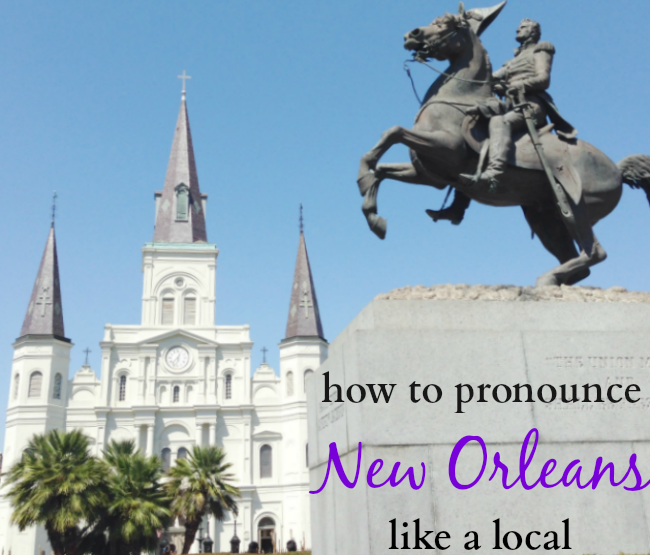
Beyond its culinary and musical prowess, New Orleans is home to an impressive array of landmarks and attractions that tell the story of its vibrant past and present. Dominating Jackson Square is the majestic St. Louis Cathedral, one of the oldest continuously active cathedrals in the United States, its triple steeples serving as an iconic symbol of the city. Strolling through Jackson Square itself, you’ll encounter local artists, street performers, and fortune tellers, all adding to the vibrant atmosphere.
For those interested in history, the National WWII Museum offers a deeply moving and comprehensive tribute to the American experience in World War II, consistently ranked as one of the top museums in the world. To experience the city from a different perspective, embark on a scenic ride aboard the historic Steamboat Natchez, cruising down the mighty Mississippi River while enjoying live Jazz and traditional Southern fare.
Another unique facet of New Orleans are its above-ground cemeteries. A guided tour of St. Louis Cemetery No. 1, the oldest and most famous, offers fascinating insights into the city’s burial practices, voodoo traditions, and intricate ironwork. Each tomb is a small architectural marvel, a poignant reminder of the lives lived and lost within this historic city. Other notable sites include the sprawling greenery of Audubon Park and City Park, offering serene escapes with ancient oak trees and picturesque lagoons. Walking or streetcar rides along Esplanade Avenue, Royal Street, Magazine Street, or St. Charles Avenue provide endless opportunities to admire architectural beauty and experience local life.
Where to Stay: Accommodation Options in New Orleans
When planning your visit to New Orleans, finding the perfect accommodation is key to enhancing your experience. The city offers an impressive array of hotels, suites, resorts, and guesthouses catering to every preference and budget, each promising a unique stay that complements the city’s charm.
For those seeking to be in the heart of the action, staying in the French Quarter is unparalleled. Here, you’ll find luxurious historic hotels like Hotel Monteleone or the Omni Royal Orleans Hotel, offering elegant rooms, opulent amenities, and immediate access to Bourbon Street, Jackson Square, and the Mississippi River. Boutique options such as Hotel Le Marais or the W New Orleans – French Quarter provide a more intimate and stylish atmosphere, often with charming courtyards and personalized service.
Just outside the French Quarter in the bustling Central Business District, you’ll discover a selection of upscale hotels perfect for both business and leisure travelers. The iconic The Roosevelt New Orleans, A Waldorf Astoria Hotel is a landmark in itself, known for its opulent Sazerac Bar and grand lobby. Other prominent choices include The Ritz-Carlton, New Orleans, Hilton New Orleans Riverside, and Harrah’s New Orleans, offering modern comforts and convenient access to attractions.
For a more serene and picturesque setting, consider the Garden District, where historic mansions have been lovingly converted into charming guesthouses and bed and breakfasts. Staying here, perhaps at a place like Soniat House, allows you to experience the residential elegance of New Orleans while still being a short streetcar ride away from the city’s main attractions. Other neighborhoods like Faubourg Marigny and Bywater offer more bohemian and artistic vibes with unique Airbnb rentals and quirky boutique stays, perfect for travelers seeking a local, authentic experience away from the tourist crowds.
Whether you’re looking for luxury, budget-friendly options, or a unique local immersion, New Orleans provides a diverse range of accommodation choices to ensure your stay is as comfortable and memorable as the city itself. Many properties offer amenities like pools, spas, and award-winning restaurants, ensuring a comprehensive travel experience. Always check booking reviews and compare options to find the perfect fit for your ideal New Orleans adventure.
Embracing the New Orleans Lifestyle: Tips for Travelers
To truly immerse yourself in the culture of New Orleans is to embrace its unique lifestyle, a blend of tradition, celebration, and laid-back charm. While the city’s reputation for revelry is well-earned, there’s a profound depth to its character that rewards those who look beyond the obvious.
When to Visit: The timing of your trip can significantly impact your New Orleans experience. The shoulder seasons (fall and spring) offer pleasant weather, ideal for exploring on foot. Of course, the iconic Mardi Gras season (February or March) is an unparalleled spectacle of parades, costumes, and joyous celebration, though accommodation prices surge and crowds are immense. Similarly, the New Orleans Jazz & Heritage Festival, affectionately known as “Jazz Fest,” in late April and early May, is a world-class event for music lovers, but also draws large crowds and higher prices. If you prefer a quieter visit, consider summer or early winter, but be prepared for heat and humidity in the warmer months.
Getting Around: New Orleans is a very walkable city, especially the French Quarter and adjacent areas. The historic streetcar lines, particularly the St. Charles Avenue line, offer a charming and inexpensive way to explore neighborhoods like the Garden District, Uptown, and Riverbend. Taxis, ride-sharing services, and public buses are also readily available. For those venturing further afield or requiring more flexibility, car rentals are an option, but parking in central areas can be challenging.
Respecting Local Culture: Part of embracing the New Orleans lifestyle means respecting its unique cultural fabric. This includes its diverse heritage, its profound musical traditions, and its deep sense of community. While the city is famous for its open container laws and lively nightlife, remember to always be mindful of your surroundings and the local residents. Participate in local traditions, enjoy the street performances, and engage with the friendly locals. A smile and a “hello” go a long way. Support local businesses, from small eateries to independent art galleries, to truly give back to the community that makes the city so special.
Budget vs. Luxury Travel: New Orleans caters to all types of travelers. Budget-conscious visitors can find affordable guesthouses, enjoy delicious street food, and take advantage of free attractions like strolling through parks or listening to street musicians. For those seeking luxury, the city boasts world-class hotels, fine dining experiences, and exclusive tours. Many long-term stay options are also available, particularly in neighborhoods like the Bywater or Faubourg Marigny, for those wishing to dive deeper into the local rhythm. Whatever your budget or travel style, New Orleans promises a fulfilling and enriching experience tailored to your desires.
In conclusion, understanding how to pronounce “New Orleans” is just the beginning of a magnificent journey into one of America’s most captivating cities. Whether you say “New Or-lee-uns” or eventually find yourself comfortably slipping into “N’awlins,” what truly matters is your willingness to open your heart to its music, taste its flavors, explore its history, and embrace its unparalleled zest for life. New Orleans is a city that lingers in the soul long after you’ve left, a place where every visit uncovers a new layer of charm and wonder, inviting you to return again and again to its enchanting embrace.
LifeOutOfTheBox is a participant in the Amazon Services LLC Associates Program, an affiliate advertising program designed to provide a means for sites to earn advertising fees by advertising and linking to Amazon.com. Amazon, the Amazon logo, AmazonSupply, and the AmazonSupply logo are trademarks of Amazon.com, Inc. or its affiliates. As an Amazon Associate we earn affiliate commissions from qualifying purchases.