
Establishing residency in California is a critical step for anyone planning a long-term stay, whether for work, education, or simply making the Golden State their permanent home. Unlike a short-term visit, proving residency involves demonstrating a clear intent to remain in California and establishing a physical presence that is more than temporary. This process is fundamental for accessing numerous state benefits, services, and opportunities typically reserved for permanent residents, impacting everything from your driver’s license to educational costs and even civic participation. Understanding the criteria and gathering the necessary documentation is paramount to a smooth transition and integration into your new California life.
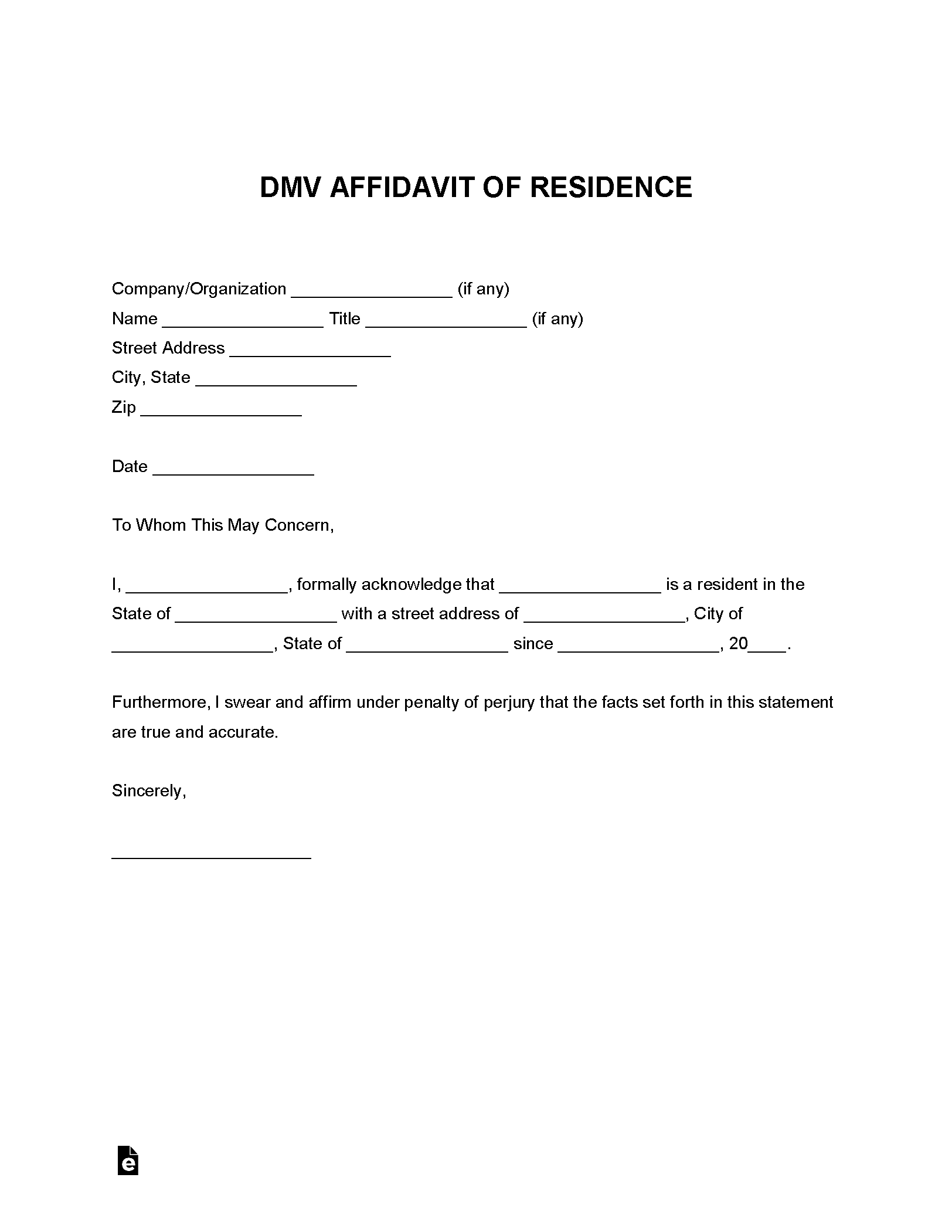
Understanding California Residency: What It Means and Why It Matters
Residency in California is not merely about physically being within state borders; it signifies a legal and intentional connection to the state as one’s primary domicile. The concept revolves around two key elements: physical presence and intent. Physical presence refers to the actual time spent living in California, while intent refers to the individual’s genuine desire to make California their permanent home. These two elements must often be demonstrated concurrently and consistently over a period, typically a year and a day for many official purposes.
The reasons for proving residency are extensive and crucial for individuals seeking to integrate fully into California society and benefit from its resources. For instance, obtaining a California driver’s license or ID card is a primary requirement for driving and serves as a fundamental form of identification. For students, establishing residency is vital for qualifying for in-state tuition rates at the prestigious University of California (UC) and California State University (CSU) systems, which can result in significant financial savings. Beyond education, residency impacts eligibility for state-funded healthcare programs, social services, and even the right to vote in local and state elections. Tax purposes also hinge on residency status, determining where one files state income taxes and which state’s tax laws apply to their income. Essentially, proving California residency is a gateway to fully participating in the state’s civic, economic, and social life, enabling individuals to firmly plant roots and experience the full spectrum of what long-term living in California offers.
Foundational Documents for Establishing Intent and Presence
Building a robust case for California residency requires a collection of documents that collectively demonstrate both your physical presence and your intent to make the state your permanent home. No single document is usually sufficient; rather, authorities look for a pattern of evidence.
Housing & Utilities
One of the strongest indicators of residency is a stable living situation. A formal rental agreement or lease for an apartment, house, or other long-term accommodation in California is essential. This document proves you have a fixed address within the state. If you have purchased property, a copy of the property deed or mortgage statements serves the same purpose. Complementing these are utility bills in your name, such as electricity (from providers like Pacific Gas and Electric or Southern California Edison), gas, water, internet, or trash services. These bills show ongoing usage at your California address and demonstrate a commitment to maintaining a household there.
Financial & Employment Records
Financial documents play a significant role in proving your intent to reside permanently. Filing California state income tax returns is a powerful piece of evidence, as it indicates you are declaring your income to the state and fulfilling your tax obligations as a resident. Pay stubs from an employer based in California further confirm your economic ties to the state. Additionally, opening a bank account with a California branch and receiving statements at your California address helps establish financial presence. Evidence of transferring funds from out-of-state accounts to a new [California](https://lifeoutofthebox.com/california] account can also be supportive.
Government-Issued Identification & Registrations
Updating your official identifications and registrations is a clear step towards establishing residency. Obtaining a California driver’s license or state ID card is often one of the first and most crucial steps. This not only serves as primary identification but also signifies your official connection to the state. Registering your vehicle(s) in California with the California Department of Motor Vehicles (DMV) is another strong indicator. Furthermore, registering to vote in California and updating your voter registration to your California address clearly demonstrates an intent to participate in the state’s civic life. If applicable, professional licenses issued by a California state board for your occupation also serve as powerful evidence of your long-term plans. Each of these documents contributes to a comprehensive picture of your residency, showcasing a consistent pattern of intent and presence.
Specific Scenarios Requiring Proof of Residency

The need to prove California residency arises in several key situations, each with its own specific requirements and implications for individuals embarking on a long-term stay. Understanding these scenarios is crucial for a smooth transition.
California Driver’s License or ID Card
For anyone living long-term in California, obtaining a California driver’s license or identification card is fundamental. The California Department of Motor Vehicles (DMV) requires applicants to provide at least two proofs of residency in California. These documents typically include utility bills, rental agreements, mortgage statements, bank statements, or official government mail (e.g., from the Internal Revenue Service or other state agencies) showing your California address. This license serves not only as a legal authorization to drive but also as a primary form of identification accepted across the state, facilitating various transactions from banking to healthcare. It’s often the first administrative hurdle for new residents and a cornerstone of establishing a long-term presence.
In-State Tuition for California Public Universities
One of the most significant financial benefits of proving California residency for students is qualifying for in-state tuition rates at institutions like the University of California and California State University systems. The requirements are generally more stringent than for a driver’s license, often demanding a physical presence in California for more than one year and one day, coupled with a demonstrated intent to make [California](https://lifeoutofthebox.com/california] your permanent home. Proof of intent for adult students typically involves financial independence (being self-supporting), registering to vote in California, obtaining a California driver’s license, paying California income taxes, and maintaining a California residential address. For dependent students, the residency of their parents or legal guardians is usually considered. The difference between in-state and out-of-state tuition can amount to tens of thousands of dollars annually, making this a critical area for prospective long-term student residents.
Voting and Civic Engagement
Registering to vote is a hallmark of civic participation and requires proof of residency. To register, individuals must be U.S. citizens, at least 18 years old by election day, and residents of California. The process typically involves providing a California driver’s license or ID card number, or the last four digits of your Social Security number. Once registered, individuals gain the right to vote in local, state, and federal elections, directly influencing the governance of their long-term home. This act further solidifies an individual’s intent to reside permanently in California, demonstrating a commitment beyond mere physical presence.
Accessing State Benefits and Services
California offers a range of state benefits and services, including various healthcare programs, social assistance, and unemployment benefits, many of which are contingent upon establishing legal residency. While specific requirements may vary by program, they generally demand proof of a sustained physical presence in California and an intent to reside permanently. Documents like a valid California ID, utility bills, rental agreements, and proof of income are commonly requested. For individuals relying on these programs, successfully demonstrating residency is a fundamental step toward receiving necessary support and integrating into the state’s social safety net, underscoring the vital role residency plays in the practicality of a long-term stay.

Best Practices for Documenting Your California Residency
Effectively proving your residency in California is an ongoing process that benefits from foresight and meticulous record-keeping. By adopting best practices from the moment you consider making California your long-term home, you can streamline future applications and avoid unnecessary complications.
Firstly, start early by gathering documents from day one of your arrival or intent to move. Do not wait until you need to apply for a driver’s license or university admission to begin collecting evidence. Begin by changing your mailing address, opening local bank accounts, and ensuring your name is on utility bills at your California residence.
Consistency is key across all your documentation. Ensure that your name and California address are identical on every official document you submit. Discrepancies, even minor ones, can raise questions and delay processing. If you move within [California](https://lifeoutofthebox.com/california], update your address promptly with all relevant agencies, including the DMV, your bank, and the U.S. Postal Service.
Maintain comprehensive records by keeping both physical and digital copies of all official documents related to your residency. This includes leases, utility bills, bank statements, tax returns, and any government correspondence. Organize these records chronologically for easy retrieval. A dedicated folder or digital archive can save significant time and stress when an agency requests proof of residency.
Furthermore, understand specific requirements for each agency or institution you interact with. While there’s a general framework for proving residency, the California Department of Motor Vehicles, the University of California system, and state benefits programs may each have nuanced or additional criteria. Always consult their official websites or contact them directly for the most accurate and up-to-date information regarding their specific documentation requirements. This proactive approach ensures you meet the exact standards for each situation, paving the way for a successful and integrated long-term stay in California.
LifeOutOfTheBox is a participant in the Amazon Services LLC Associates Program, an affiliate advertising program designed to provide a means for sites to earn advertising fees by advertising and linking to Amazon.com. Amazon, the Amazon logo, AmazonSupply, and the AmazonSupply logo are trademarks of Amazon.com, Inc. or its affiliates. As an Amazon Associate we earn affiliate commissions from qualifying purchases.