
The dream of crossing the finish line in Grant Park at the Bank of America Chicago Marathon is a powerful motivator for runners worldwide. As one of the prestigious World Marathon Majors, the Chicago Marathon offers a flat, fast course through diverse and vibrant neighborhoods, drawing over 45,000 participants and millions of spectators annually. For many, it’s not just a race; it’s a destination event, a culmination of months, sometimes years, of dedicated training and strategic planning. Securing a spot in this iconic race requires understanding its unique entry system. This comprehensive guide will navigate you through the various qualification pathways, helping you chart your course from aspiration to the starting line in the heart of Chicago.

Understanding the Road to Grant Park
The journey to the Chicago Marathon is multifaceted, reflecting the global appeal and immense demand for participation in this premier event. Unlike smaller, local races, major marathons like Chicago employ specific entry criteria designed to manage numbers, recognize athletic achievement, and support philanthropic efforts.
The Allure of the Bank of America Chicago Marathon
Part of the elite World Marathon Majors series alongside the Boston Marathon, New York City Marathon, London Marathon, Berlin Marathon, and Tokyo Marathon, the Chicago Marathon is renowned for its incredible atmosphere and potential for personal bests. Its largely flat course winds through 29 of Chicago’s diverse neighborhoods, offering a unique tour of the city’s architecture, culture, and spirit. For many, running Chicago is not merely a race; it’s an immersive travel experience, combining athletic endeavor with urban exploration. The prestige and unforgettable experience make securing entry a highly competitive process, necessitating careful planning.
Primary Entry Methods Overview
Before diving into the specifics, it’s crucial to understand the main avenues for entry. The Chicago Marathon typically offers three primary ways to gain a bib:
- Guaranteed Entry: This category includes time qualifiers, legacy finishers, participants through international tour groups, and runners who defer entry from a previous year.
- Non-Guaranteed Entry: The most common pathway, this involves entering a random lottery drawing.
- Charity Program: Securing a spot by committing to fundraise for an official charity partner.
Each method has its own timeline, requirements, and level of certainty. Your strategy for qualification will depend on your running ability, your willingness to fundraise, and a dash of luck.
The Time Qualifier Advantage: Earning Your Spot
For many serious runners, achieving a time qualification (QT) is the most coveted path to the Chicago Marathon. It’s a direct testament to your speed and dedication, offering a guaranteed entry without the uncertainty of a lottery.
Chicago Marathon Qualification Standards (QTs) Explained
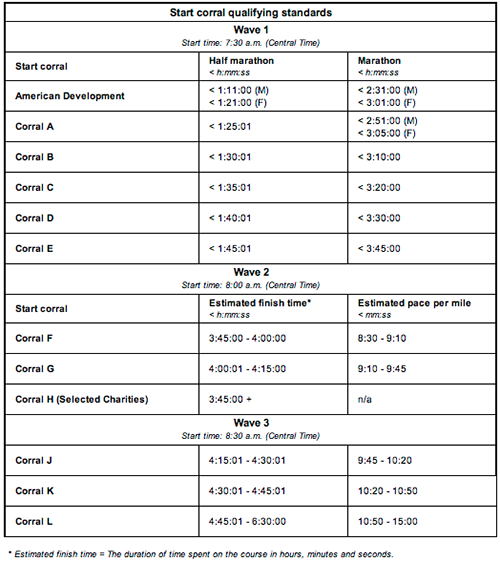
The Chicago Marathon sets specific time standards based on age and gender. These standards are rigorously applied, and they represent times that generally place a runner in the top percentile of their age group. The exact standards are updated annually, so always refer to the official Bank of America Chicago Marathon website for the most current information. Typically, the standards are quite challenging, for example, a male runner aged 16-29 might need a sub-3:05:00 marathon, while a female in the same age group might require a sub-3:35:00. These times get slightly more generous with increasing age groups.
Meeting these standards means proving your ability to run a fast marathon, which often translates into a well-structured training plan and strategic race selection. For those aiming for a QT, the marathon becomes a tangible goal around which all training and travel plans revolve.
Validating Your Time: Which Races Count?
Not just any marathon time will do. To be accepted as a time qualifier for the Chicago Marathon, your qualifying race must meet specific criteria:
- Certification: The race must be certified by USA Track & Field (USATF) or an equivalent national governing body for road racing in its respective country. This ensures the course distance and measurement are accurate.
- Timing: Your official finish time must be recorded by the race’s timing system. Chip time is generally accepted, but race officials will confirm.
- Race Period: The qualifying race must have been run within a specific timeframe, usually the 18-24 months prior to the Chicago Marathon application period opening. Always check the specific dates for your target race year.
- Full Marathon Distance: Only a full 26.2-mile (42.195 km) marathon time will be accepted. Half-marathon times or other distances do not count towards time qualification.
Choosing a certified, well-organized race with reliable timing is paramount. Many runners opt for a fall marathon in the year prior to their target Chicago race, or an early spring marathon in the same year, to ensure their time is recent and within the qualifying window.
Strategic Race Planning for Time Qualification
Achieving a time qualifier is an ambitious goal that requires careful planning beyond just training. Consider these points:
- Course Selection: Choose a qualifying race known for being flat and fast. Avoiding overly hilly or technical courses will increase your chances of hitting your target time. Weather conditions are also a factor; seek out races with historically favorable temperatures.
- Pacing Strategy: Practice your goal pace consistently in training. On race day, stick to your plan, resisting the urge to start too fast. A consistent pace is key to a strong finish.
- Travel Logistics: If your qualifying race is in another city, factor in travel time, accommodation, and pre-race nutrition. Treat your qualifying race like a dress rehearsal for your eventual Chicago Marathon experience, minimizing stress and optimizing performance.
- Recovery: After achieving your QT, ensure adequate recovery before beginning your training cycle for Chicago. Overtraining or insufficient recovery can lead to injury and burnout.
Navigating the Drawing & Charity Pathways
For those who may not meet the stringent time qualification standards, or prefer a different route, the Chicago Marathon offers two other significant pathways: the general entry drawing and the official charity program.
The General Entry Drawing: A Game of Chance
The non-guaranteed entry drawing is the most common method for many participants. It’s essentially a lottery where thousands of hopeful runners apply for a limited number of spots.
- Application Period: The application window for the drawing typically opens in October of the year prior to the race and closes in late November or early December.
- Notification: Applicants are usually notified of their status (accepted or not accepted) in mid-December.
- No Time Requirement: This method does not require a specific qualifying time, making it accessible to runners of all paces.
- The Odds: Due to the immense popularity of the Chicago Marathon, the odds of being selected in the general entry drawing can be low. Many runners apply for several years before getting in.
While it’s a game of chance, applying for the drawing is simple and cost-effective (you’re only charged if selected). For many, it’s the first step in their multi-year strategy to run Chicago.
Running for a Cause: The Charity Program

For those who want to guarantee their entry and give back, the Official Charity Program is an excellent option. This path allows runners to gain entry by committing to raise a minimum amount of money for one of the marathon’s designated charity partners.
- Guaranteed Entry: This is a guaranteed entry method, bypassing both time qualification and the lottery.
- Fundraising Minimum: Each charity partner sets its own fundraising minimum, typically ranging from $1,250 to over $2,000. This amount must be raised and submitted by a specific deadline before race day.
- Charity Selection: Choose a charity whose mission resonates with you. Running for a cause can be incredibly motivating and add a deeper meaning to your marathon journey.
- Support System: Many charities offer support systems, training advice, and group events, fostering a sense of community among their runners.
The charity program not only secures your bib but also aligns your athletic endeavors with a greater purpose, transforming your personal challenge into a collective effort for good. This is also a popular route for international travelers who want to combine a major race experience with a philanthropic mission.
International Tour Partners: Your Global Gateway
For runners living outside the United States, or those who prefer a comprehensive travel package, the Chicago Marathon partners with official International Tour Operators (ITOs).
- Guaranteed Entry & Travel Packages: ITOs offer guaranteed entry into the marathon as part of a travel package that typically includes flights, accommodation, and sometimes pre-race activities or tours of Chicago.
- Convenience: This option streamlines the travel and race registration process, making it ideal for international runners who might find individual booking and race entry more challenging.
- Premium Cost: While convenient, these packages often come at a premium price compared to self-organizing entry and travel.
- Reputable Operators: Ensure you book only through official tour partners listed on the Bank of America Chicago Marathon website to avoid scams.
Using an ITO can transform the logistical headache of an international marathon into a seamless and enjoyable travel experience, allowing you to focus purely on your training and race day.
Beyond the Basics: Other Avenues for Entry
While time qualification, the lottery, and charity programs are the main routes, a few other specific categories offer guaranteed entry for select groups of runners.
Legacy Finishers: Loyalty Rewarded
The Chicago Marathon recognizes loyal participants through its Legacy Finisher program.
- “Ten-Time Finisher” Program: Runners who have completed the Chicago Marathon ten or more times within the specified timeframe (and are not consecutive finishers qualifying for guaranteed entry through that route) can apply for guaranteed entry.
- Perpetual Program: This is a very specific category, usually for those who have completed certain previous editions of the marathon, ensuring their continued participation.
These programs are a nod to the enduring spirit of the marathon community and reward the dedication of long-time participants.
The American Development Program (ADP)
For elite and sub-elite American runners, the American Development Program (ADP) offers another pathway to guaranteed entry and provides support to foster top domestic talent.
- Performance-Based: Entry through the ADP is highly competitive and based on recent verifiable marathon or half-marathon performances that are significantly faster than the general time qualification standards.
- Benefits: Beyond guaranteed entry, ADP athletes may receive amenities such as complimentary race entry, pre-race accommodation, and access to an elite athlete hospitality area.
This program is designed to attract and support the fastest American runners, enhancing the competitive field of the Chicago Marathon.
Preparing for Your Chicago Marathon Experience
Once you’ve secured your coveted spot, the focus shifts entirely to preparation – both physical and logistical. Running the Chicago Marathon is a journey that culminates in a memorable travel experience.
Training Principles for Success
Regardless of how you qualify, effective training is non-negotiable.
- Structured Plan: Follow a well-structured training plan, typically 16-20 weeks long, that includes a mix of long runs, tempo runs, speed work, and recovery.
- Listen to Your Body: Prioritize rest, nutrition, and injury prevention. Don’t be afraid to adjust your plan based on how you feel.
- Race Simulation: Incorporate practice runs that simulate race day conditions, including early morning starts, fueling strategies, and wearing your planned race day attire.
- Mental Toughness: Train your mind as much as your body. Visualize success, practice positive self-talk, and prepare for moments of challenge.
Logistics and Travel Planning
Your race entry is just the beginning of your Chicago travel adventure.
- Accommodation: Book your accommodation well in advance. Hotels near Grant Park or along the ‘L’ train lines offer convenient access to the start/finish area and expo. Expect higher prices around race weekend.
- Flights: If flying, book your tickets early for better rates and availability. Consider arriving a few days before the race to acclimate and minimize travel stress.
- Transportation: Familiarize yourself with Chicago’s public transportation system. The ‘L’ train and buses are efficient ways to get around during race week.
- Pre-Race Activities: Plan to visit the Abbott Health & Fitness Expo to pick up your bib and explore vendors. This is also an opportunity to soak in the pre-race excitement.
Embracing the Race Weekend Atmosphere
The Chicago Marathon is more than just 26.2 miles; it’s a vibrant festival of running.
- Explore the City: Take time to enjoy Chicago’s incredible attractions, from world-class museums to iconic architecture and diverse culinary scenes. Balance sightseeing with adequate rest.
- Connect with Fellow Runners: The marathon weekend is a fantastic opportunity to connect with runners from all corners of the globe, sharing stories and camaraderie.
- Savor the Moment: On race day, absorb the energy of the crowds, the cheers of the spectators, and the beauty of Chicago’s neighborhoods. Every mile is a moment to be cherished.
Qualifying for the Bank of America Chicago Marathon is a significant achievement and the gateway to an unforgettable travel and running experience. Whether you earn your spot with speed, luck, or philanthropy, the journey to Grant Park promises challenge, excitement, and the immense satisfaction of achieving a truly world-class goal. Start planning your path today, and prepare to be part of marathon history in the Windy City.
LifeOutOfTheBox is a participant in the Amazon Services LLC Associates Program, an affiliate advertising program designed to provide a means for sites to earn advertising fees by advertising and linking to Amazon.com. Amazon, the Amazon logo, AmazonSupply, and the AmazonSupply logo are trademarks of Amazon.com, Inc. or its affiliates. As an Amazon Associate we earn affiliate commissions from qualifying purchases.