
The allure of a trans-Pacific journey, bridging the vibrant shores of California with the ancient yet futuristic landscape of Japan, captivates countless travelers. More than just a geographical query, “How far is California to Japan?” unlocks a realm of travel planning, logistical considerations, and the promise of an unforgettable cultural immersion. This journey is a testament to modern aviation, transforming a vast oceanic expanse into an accessible pathway for exploration and discovery. Understanding the distances, flight dynamics, and preparation involved is paramount for anyone contemplating this epic voyage.
Bridging Continents: The Geographical Distance
At first glance, the stretch of the Pacific Ocean between California and Japan appears immense, a formidable barrier. However, modern travel has rendered this distance not just surmountable but a standard route for millions annually. The precise measurement varies slightly depending on the specific departure and arrival cities, but the general scope remains consistent.

Measuring the Pacific Expanse
To give a concrete answer, the average great-circle distance (the shortest distance between two points on the surface of a sphere, like Earth) between major cities in California and Japan is approximately:
- From Los Angeles to Tokyo: Roughly 5,477 miles (8,814 kilometers or 4,760 nautical miles).
- From San Francisco to Tokyo: Approximately 5,147 miles (8,284 kilometers or 4,473 nautical miles).
These figures represent the straight-line distance, but actual flight paths often deviate slightly for optimal wind conditions, air traffic control, and fuel efficiency. Nonetheless, they paint a clear picture of the substantial journey that awaits. The vastness of the Pacific Ocean underscores the marvel of contemporary air travel, compressing what was once a months-long sea voyage into a matter of hours.
Flight Paths and Air Travel Realities
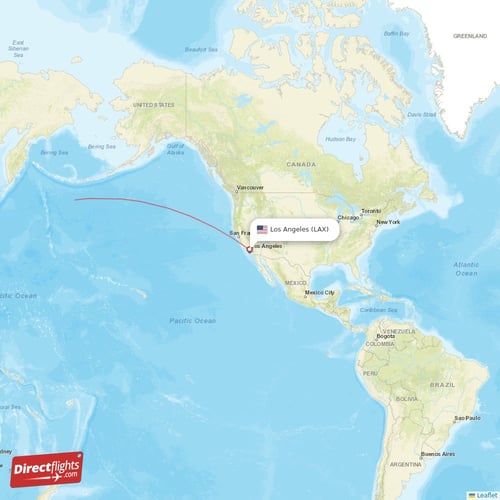
Direct flights are the preferred method for most travelers making this long-haul trip. These routes typically fly over the northern Pacific Ocean, sometimes tracing a great-circle route that arches slightly northward towards Alaska or the Aleutian Islands before descending towards Japan. This routing leverages the Earth’s curvature to minimize distance and often takes advantage of favorable jet stream winds, which can significantly reduce flight time on eastbound journeys (from Japan to California). Westbound flights (from California to Japan) generally experience longer durations due to flying against these same winds.
The Journey Itself: What to Expect When Traveling Between California and Japan
Beyond the sheer distance, understanding the practicalities of the journey is crucial for a smooth and enjoyable travel experience. This includes navigating flight durations, time zone changes, and selecting appropriate travel hubs and airlines.
Navigating Flight Durations and Time Zones
A direct flight from California to Japan typically ranges from 9.5 to 11.5 hours when traveling westbound. The return journey (eastbound) often shaves off an hour or two due to the prevailing winds, clocking in at around 8.5 to 10.5 hours. These durations are significant, making comfortable seating, in-flight entertainment, and proper preparation essential.
The time difference is another major factor. Japan observes Japan Standard Time (JST), which is 16 hours ahead of Pacific Standard Time (PST) in California. When California switches to Daylight Saving Time (PDT), the difference narrows to 15 hours. This substantial time leap means travelers essentially “lose” a day when flying westward and “gain” a day when flying eastward across the International Date Line. Managing jet lag becomes a key element of the travel experience, often requiring a few days for adjustment upon arrival.
Major Departure and Arrival Hubs
Travelers departing from California typically utilize major international airports:
- Los Angeles International Airport (LAX): One of the busiest airports in the world, offering numerous direct flights to Japan.
- San Francisco International Airport (SFO): Another major gateway with extensive service to Japan.
- San Diego International Airport (SAN): While fewer direct flights, it can serve as a connection point for travelers from Southern California.
Upon arrival in Japan, the primary international airports are:
- Narita International Airport (NRT): Historically Tokyo’s main international hub, located a bit further from the city center but well-connected by express trains.
- Haneda Airport (HND): Closer to central Tokyo and increasingly handling more international long-haul flights, offering excellent convenience.
- Kansai International Airport (KIX): Serving the Osaka and Kyoto region, ideal for travelers whose itinerary focuses on western Japan.
Major Airlines Servicing the Route
A variety of reputable airlines operate direct flights between California and Japan, offering different levels of service and amenities. Key carriers include:
- Japan Airlines (JAL): Known for excellent service and Japanese hospitality.
- All Nippon Airways (ANA): Consistently ranked among the world’s best airlines for comfort and service.
- United Airlines: A major US carrier with extensive routes across the Pacific Ocean.
- Delta Air Lines: Another prominent US airline offering numerous connections.
- American Airlines: Also provides direct services from California hubs.
Choosing an airline often comes down to loyalty programs, preferred cabin class, and specific departure/arrival times.

Planning Your Trans-Pacific Adventure
A journey of this magnitude requires thoughtful planning to ensure a seamless and enriching experience. From selecting the best time to visit to understanding essential pre-trip requirements and budgeting, every detail contributes to the overall success of the adventure.
Optimal Travel Times and Seasons
Japan is a country of distinct seasons, each offering unique attractions:
- Spring (March to May): Famous for cherry blossoms (sakura), vibrant festivals, and pleasant weather. This is peak travel season, so expect larger crowds and higher prices.
- Autumn (September to November): Features stunning autumn foliage (koyo), comfortable temperatures, and fewer crowds than spring. Another highly recommended time to visit.
- Summer (June to August): Hot and humid, especially in the major cities, but ideal for exploring the northern regions like Hokkaido or enjoying beach destinations. Also popular for festivals like Gion Matsuri.
- Winter (December to February): Colder temperatures, but excellent for skiing and snowboarding in areas like Niseko and experiencing traditional hot springs (onsen). Cities like Tokyo and Kyoto are less crowded and can be beautiful with occasional snowfall.
Consider your priorities—cherry blossoms, autumn leaves, winter sports, or avoiding crowds—when deciding your travel dates.
Essential Pre-Trip Considerations
- Visa Requirements: For US citizens traveling to Japan for tourism, a visa is generally not required for stays of up to 90 days. However, always check the latest regulations with the Japanese embassy or consulate well in advance, as rules can change.
- Passport Validity: Ensure your passport is valid for at least six months beyond your intended departure date from Japan.
- Customs and Immigration: Be prepared for standard customs and immigration procedures upon arrival. Japan has strict rules regarding certain items, especially food products and medications.
- Currency: The official currency is the Japanese Yen (JPY). It’s advisable to have some yen upon arrival, though credit cards are widely accepted in urban areas, and ATMs are readily available.
- Connectivity: Consider purchasing a local SIM card or renting a pocket Wi-Fi device for seamless internet access during your trip.
- Travel Insurance: Given the long journey and international travel, comprehensive travel insurance is highly recommended to cover unforeseen circumstances like flight delays, medical emergencies, or lost luggage.
Budgeting for the Long-Haul
The cost of a trip from California to Japan can vary widely based on seasonality, booking in advance, and chosen travel style.
- Flights: Airfare is typically the largest single expense. Round-trip economy tickets can range from $800 to $1,500 USD or more, depending on the time of year and how far in advance you book. Peak seasons (cherry blossom and autumn) will see higher prices. Business or first-class tickets can be significantly more.
- Accommodation: Japan offers a spectrum of accommodation, from budget-friendly hostels and business hotels to luxurious ryokans (traditional inns) and international chains. Average costs can range from $50 to $300+ per night.
- Transportation within Japan: The Shinkansen (bullet train) network is efficient but can be expensive. A Japan Rail Pass can offer significant savings if you plan extensive travel across the country. Local trains and subways are also excellent.
- Food and Activities: Food can be relatively affordable, especially at local eateries, but fine dining can be costly. Entrance fees for temples, museums, and attractions should also be factored in.
It’s advisable to create a detailed budget, accounting for flights, accommodation, transportation, food, activities, and a contingency fund.
Maximizing Your Experience: From West Coast to the Land of the Rising Sun
The journey to Japan is an experience in itself, but the true reward lies in the exploration and cultural immersion that awaits. Strategic planning for the flight and a readiness to embrace the destination will enhance your adventure.
Conquering Jet Lag and Maximizing Comfort
A long-haul flight across multiple time zones demands proactive measures to combat jet lag:
- Adjust Before You Fly: Gradually shift your sleep schedule a few days before departure to align closer to Japan’s time zone.
- Hydrate: Drink plenty of water throughout the flight and avoid excessive alcohol or caffeine, which can exacerbate dehydration.
- Move Around: Stand up, stretch, and walk the aisles periodically to promote circulation.
- Sleep on the Plane (if possible): If it’s nighttime at your destination, try to sleep. Use an eye mask, earplugs, and a neck pillow to aid comfort.
- Embrace the New Time Zone Immediately: Once you land, try to adapt to the local time, even if it means staying awake until evening or waking up early. Get some sunlight exposure to help reset your body clock.
For comfort during the flight, wear loose clothing, bring a refillable water bottle, and pack essentials like headphones, a book, and any necessary medications in your carry-on.
Exploring Key Destinations: A Glimpse
Upon arrival, Japan unfolds as a tapestry of ancient traditions and futuristic marvels.
- Tokyo: The bustling capital offers everything from the neon-lit Shibuya Crossing and vibrant Harajuku district to tranquil gardens, historic temples, and world-class museums. Don’t miss the panoramic views from the Tokyo Skytree or a serene moment at the Meiji Jingu Shrine.
- Kyoto: The cultural heart of Japan, renowned for its exquisite temples (like Kinkaku-ji and Fushimi Inari-taisha), traditional geisha districts like Gion, and stunning bamboo forests.
- Osaka: Known for its vibrant food scene, historic Osaka Castle, and lively entertainment districts like Dotonbori.
- Mount Fuji and Hakone: Iconic natural beauty. Mount Fuji is accessible for hiking in summer, while the nearby Hakone region offers picturesque views, hot springs, and a scenic lake cruise.
Conversely, for those preparing for the return journey, California presents an equally diverse range of experiences, from the beaches of Santa Monica and the Hollywood glamour of Los Angeles to the iconic Golden Gate Bridge in San Francisco and the natural wonders of Yosemite National Park.
Cultural Immersion: Embracing the Destination
Beyond the famous landmarks, the true essence of travel between California and Japan lies in cultural exchange. In Japan, this means embracing the politeness and respect ingrained in Japanese society, savoring authentic cuisine from street food to kaiseki, participating in a tea ceremony, or experiencing a traditional ryokan stay. In California, it might involve exploring diverse neighborhoods, engaging with the vibrant arts scene, or enjoying the laid-back coastal lifestyle. The distance between these two incredible destinations is merely a measure, but the journey itself is a gateway to profound cultural experiences.
LifeOutOfTheBox is a participant in the Amazon Services LLC Associates Program, an affiliate advertising program designed to provide a means for sites to earn advertising fees by advertising and linking to Amazon.com. Amazon, the Amazon logo, AmazonSupply, and the AmazonSupply logo are trademarks of Amazon.com, Inc. or its affiliates. As an Amazon Associate we earn affiliate commissions from qualifying purchases.