
Setting Sail in the Sunshine State: Why Register Your Vessel?
Florida, famously known as the Sunshine State, is a boater’s paradise. With thousands of miles of coastline, countless inland lakes, rivers, and springs, and an abundance of marine life, it offers unparalleled opportunities for water-based recreation. From leisurely cruises along the Intracoastal Waterway, exhilarating fishing trips in the Gulf of Mexico or Atlantic Ocean, to exploring the unique ecosystems of the Everglades or the Florida Keys, boating is an integral part of the Florida tourism experience. However, before you can embark on these aquatic adventures, understanding and completing the boat registration process is paramount. It’s not merely a bureaucratic hurdle; it’s a necessary step to ensure compliance, safety, and the seamless enjoyment of Florida’s beautiful waterways.
Embracing Florida’s Aquatic Lifestyle
Registering your boat is the key to unlocking the full potential of Florida’s diverse aquatic offerings. Whether you’re a long-term resident or considering an extended stay to enjoy the coastal lifestyle, proper registration ensures you can legally operate your vessel. This allows you to explore the numerous state parks with boat ramps, access prime fishing spots, and partake in local events and regattas. It’s about becoming a part of the vibrant boating community that defines much of Florida’s recreational identity. Without registration, your ability to participate in these enriching tourist activities is severely limited, risking fines and legal complications.
Navigating Legal Waters: Compliance and Safety
Beyond access to recreational opportunities, boat registration serves crucial legal and safety functions. The registration process ensures that your vessel is properly identified, which is vital in emergency situations or if the boat is lost or stolen. It contributes to the state’s ability to manage its waterways, enforce boating laws, and fund conservation efforts that protect the very environments we seek to enjoy. Florida law mandates that all motorized vessels, regardless of length, and sailboats 16 feet or longer, must be registered and titled with the state. Compliance helps maintain order on the water, ensures safety for all navigators, and supports the efforts of the Florida Fish and Wildlife Conservation Commission (FWC) in preserving Florida’s invaluable marine resources for future generations of boaters and tourists.
Your Registration Checklist: Documents and Details
Preparing for boat registration in Florida is akin to preparing for any significant travel endeavor: it requires organization and attention to detail. Having all the necessary documents and information ready beforehand will streamline the process, allowing you to get out on the water much faster. The general principle is to provide clear proof of ownership, personal identification, and detailed information about the vessel itself.
Proving Ownership: Titles and Bills of Sale
The cornerstone of boat registration is proving you are the legal owner of the vessel. For new boats, you will typically need the Manufacturer’s Statement of Origin (MSO) or Manufacturer’s Certificate of Origin (MCO). If you are purchasing a used boat, the process often requires:
- Original Florida Title: If the boat was previously titled in Florida. The seller must sign over the title to you.
- Out-of-State Title or Registration: If the boat is coming from another state that issues titles, you’ll need the original out-of-state title. If the previous state only provides registration, that document will be necessary, along with a bill of sale.
- Bill of Sale: This document is critical, especially for vessels without a formal title (e.g., small boats from states that don’t title them). It should clearly state the buyer’s and seller’s names, addresses, date of sale, purchase price, and the vessel’s description (including Hull Identification Number – HIN).
Personal Verification and Vessel Specifics
You will also need to provide personal identification and comprehensive details about your boat:
- Photo Identification: A valid driver’s license, state ID card, or passport.
- Vessel Information: Be prepared to provide the boat’s year, make, model, length, hull identification number (HIN), type of propulsion (inboard, outboard, sail), fuel type, and primary usage (e.g., pleasure, rental, commercial fishing).
- Engine Information: If the engine is purchased separately or if there are multiple engines, details such as make, horsepower, and serial numbers may be required.
Understanding Liens
If there is a lienholder (e.g., a bank or financial institution that financed the boat purchase), their information will need to be included on the title application. They will typically hold the original title until the loan is satisfied. This is a standard part of vehicle and vessel titling and ensures that all parties with a legal interest in the boat are properly documented.
The Registration Journey: A Step-by-Step Guide
Once you’ve gathered all your documents, navigating the actual registration process in Florida is relatively straightforward. The system is designed to be accessible, allowing both residents and future visitors to prepare their vessels for the state’s fantastic waterways.
Locating Your Registration Authority
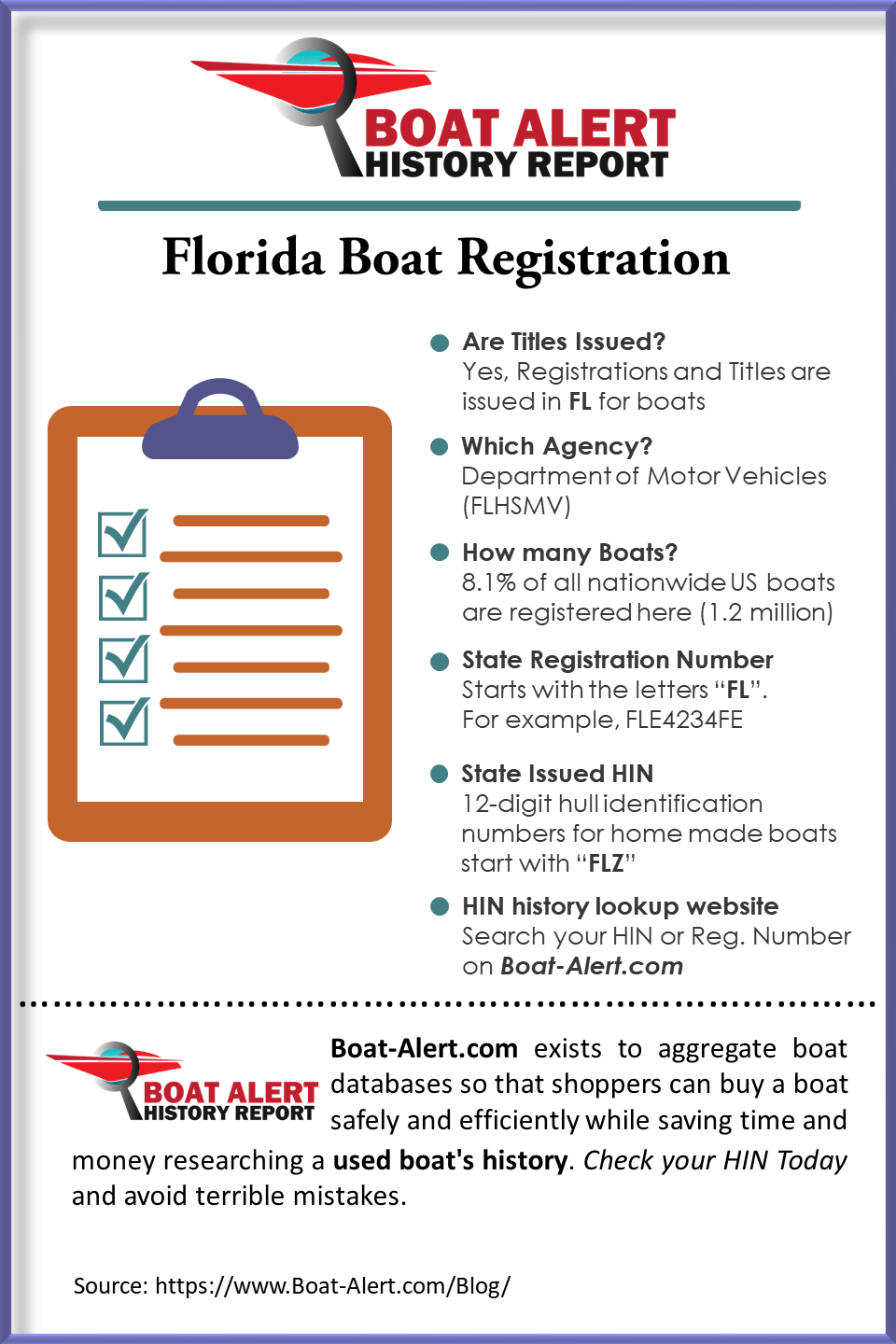
In Florida, boat titling and registration are handled through the county Tax Collector’s Office or a private tag agency. While the process is standardized statewide, it’s always advisable to check the specific requirements and operating hours of your local county’s office before visiting, as minor procedural differences or required forms can sometimes vary. These offices are distributed across the state, making it convenient no matter where your Florida adventure begins.
Completing the Application
You will need to complete an Application for Certificate of Title With/Without Registration (Form HSMV 82040). This form will ask for all the details you’ve prepared, including owner information, vessel specifics, and any lienholder details. Double-check all entries for accuracy to avoid delays. If you’re physically present at the Tax Collector’s Office, staff can often assist with any questions about filling out the form.
The Cost of Adventure: Fees and Sales Tax
Several fees are associated with boat registration in Florida:
- Title Fee: A flat fee for issuing the certificate of title.
- Registration Fee: Varies based on the length of the vessel. Generally, smaller boats have lower fees. These fees are typically renewed annually or biennially.
- Sales Tax: If you purchased the boat in Florida, you will be required to pay Florida sales tax (currently 6%) on the purchase price, up to a maximum of $18,000 on boats. If you paid sales tax in another state, you might receive a credit, but you will still owe the difference if Florida’s tax rate is higher.
- Lien Fee: If there’s a lienholder, an additional fee applies.
- Delinquency Fees: Avoid penalties by registering your boat within 30 days of purchase or bringing it into the state.
These fees directly contribute to the state’s ability to maintain public access points, enforce safety regulations, and protect the very waters that make Florida such a desirable destination for water sports and activities.
Receiving Your Official Documents
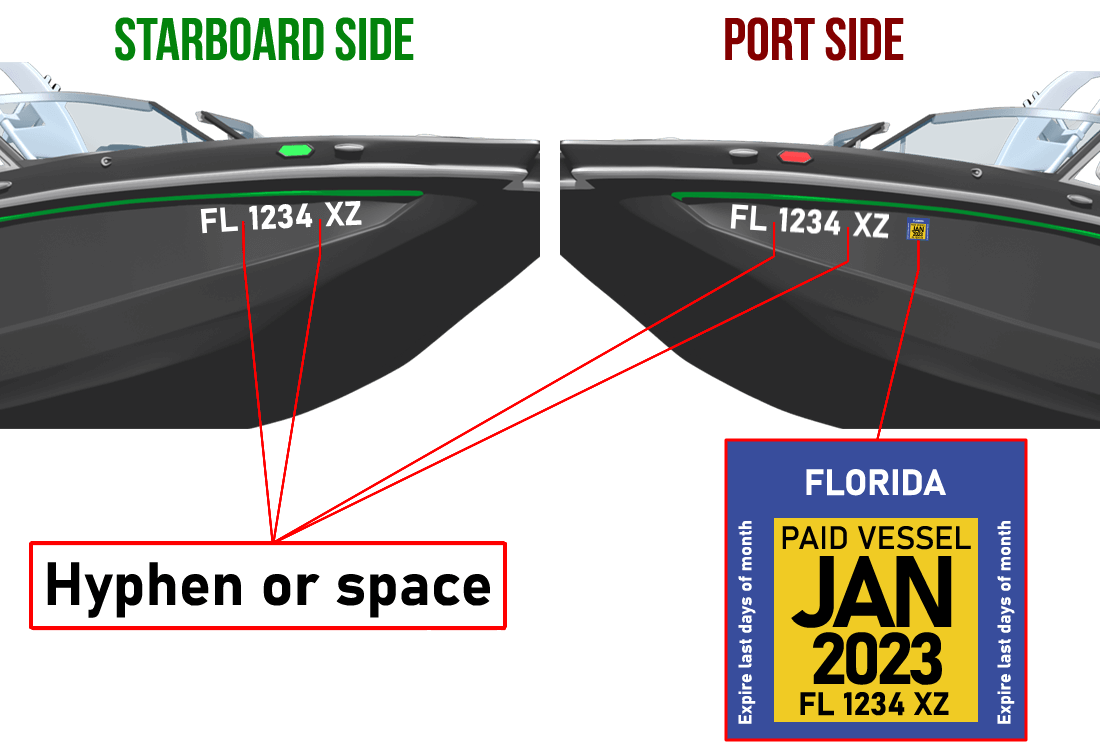
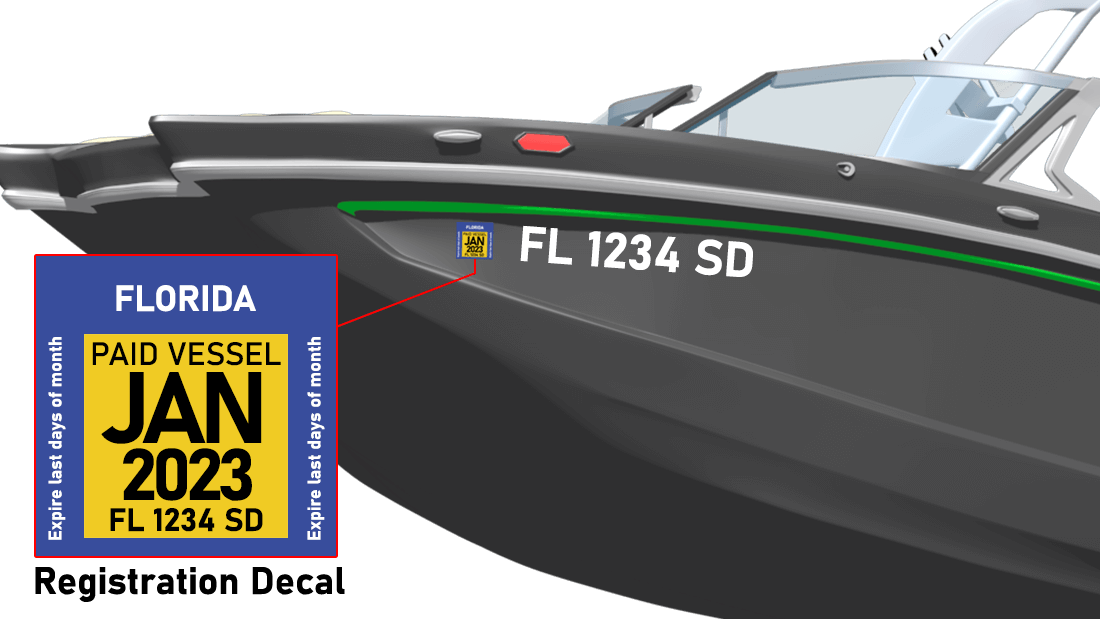
Once your application is processed and fees are paid, you will typically receive a temporary registration at the Tax Collector’s Office. The official Certificate of Title and permanent registration decal will be mailed to you by the Florida Department of Highway Safety and Motor Vehicles (DHSMV) within a few weeks. The registration decal must be prominently displayed on the port side of your boat, and you must carry your registration certificate onboard whenever the boat is in operation.
Beyond Registration: Important Considerations for Florida Boaters
Registering your boat is the first critical step, but maintaining compliance and ensuring safety requires ongoing attention. For those drawn to Florida for its boating opportunities, understanding these additional points will enhance your overall experience.
Special Rules for Out-of-State Visitors and New Residents
- Non-Residents: If your boat is registered in another state and you are visiting Florida for less than 90 consecutive days, you typically do not need to register your boat in Florida. However, your vessel must remain legally registered in your home state.
- New Residents: If you move to Florida and bring your boat, you must register and title it in Florida within 30 days of establishing residency. This is crucial for seamless integration into the state’s boating regulations and to avoid penalties.
When Registration Isn’t Required: Exemptions
While most vessels require registration, some are exempt:
- Non-motorized vessels (canoes, kayaks, paddleboards, rowboats) not used for commercial purposes.
- Vessels documented with the U.S. Coast Guard. These vessels have a federal registration but must still obtain a Florida decal.
- Vessels used exclusively on private lakes or ponds.
- Federally recognized fishing vessels.
Always verify your vessel’s status to ensure you’re in compliance.
Prioritizing Safety: Boating Education
Florida strongly encourages and in many cases requires formal boating safety education. Anyone born on or after January 1, 1988, who operates a motorboat with 10 horsepower or more must pass an approved boating safety course and carry a boater safety identification card. This initiative is vital for ensuring that all individuals enjoying Florida’s waters are equipped with the knowledge and skills to navigate safely, protect themselves and others, and preserve the marine environment. Numerous online and in-person courses are available, many offered by organizations like the U.S. Coast Guard Auxiliary and United States Power Squadrons.
Keeping Your Registration Current
Florida boat registrations are typically valid for one or two years, depending on the fee paid. You will receive a renewal notice before your registration expires. Renewals can often be completed online, by mail, or in person at a Tax Collector’s Office. Staying current with your registration is a simple yet vital responsibility that ensures continuous legal access to all of Florida’s waterways, allowing for uninterrupted enjoyment of the state’s world-class tourism opportunities.
Maximizing Your Florida Boating Experience
Successfully registering your boat is your official invitation to immerse yourself in the unparalleled aquatic experiences that Florida offers. From the vibrant coral reefs of the Florida Keys to the serene freshwater springs of Central Florida, and the bustling urban waterways of Miami and Fort Lauderdale, every trip becomes an opportunity for discovery and adventure. By following these steps and understanding the nuances of Florida boating regulations, you not only fulfill your legal obligations but also contribute to a safe, enjoyable, and sustainable boating environment for everyone. Get ready to drop anchor, explore hidden coves, cast a line, or simply soak in the sun from the deck of your legally registered vessel in the beautiful waters of Florida.
LifeOutOfTheBox is a participant in the Amazon Services LLC Associates Program, an affiliate advertising program designed to provide a means for sites to earn advertising fees by advertising and linking to Amazon.com. Amazon, the Amazon logo, AmazonSupply, and the AmazonSupply logo are trademarks of Amazon.com, Inc. or its affiliates. As an Amazon Associate we earn affiliate commissions from qualifying purchases.