
Establishing a long-term presence in the Sunshine State often involves navigating various administrative processes, and registering your vehicle is one of the most crucial. Whether you’re relocating from another state, purchasing a new car, or are a seasonal resident planning an extended stay, understanding the specific requirements and procedures set forth by the state of Florida is essential. This comprehensive guide aims to demystify the vehicle registration process, ensuring a smooth transition for anyone settling into their new Florida lifestyle.
Understanding Florida Vehicle Registration Requirements
Before you even step foot into a County Tax Collector’s Office, it’s important to understand who needs to register a vehicle in Florida and what fundamental documents you’ll need to gather. Being prepared can save significant time and potential frustration.

Who Needs to Register a Vehicle?
Generally, if you are moving to Florida and intend to establish residency, you are required to register your vehicle(s) within ten days of becoming a resident or obtaining employment. This includes individuals who:
- Move to Florida and plan to live here for more than 90 days.
- Enroll children in public school.
- Obtain a Florida driver’s license.
- Register to vote in Florida.
- File for a homestead exemption.
Even if you maintain residency in another state, but plan an extended stay in Florida lasting more than 90 days, you might be required to register your vehicle. This ensures all vehicles operating on Florida roads meet state safety and insurance standards.
Key Documents You’ll Need
Gathering the correct documentation beforehand is paramount. Missing even one item can result in delays. Here’s a checklist of what you’ll typically need:
- Proof of Ownership:
- Certificate of Title: If your vehicle is currently titled in another state, you must surrender that title. If you have a lienholder, you’ll need the lienholder’s name and address so Florida can request the title. For new vehicles purchased in Florida, the dealer usually handles the title application.
- Manufacturer’s Certificate of Origin (MCO): For brand-new vehicles that have never been titled before.
- Proof of Florida Insurance: You must have valid personal injury protection (PIP) and property damage liability (PDL) coverage from an insurance company licensed to do business in Florida. The minimum requirements are $10,000 PIP and $10,000 PDL.
- Vehicle Identification Number (VIN) Verification: This is required for all used vehicles previously titled out-of-state. It can be completed by:
- Any law enforcement officer from Florida or another state.
- Florida Department of Highway Safety and Motor Vehicles (DHSMV) personnel.
- A dealer.
- A notary public.
- Out-of-state motor vehicle dealer.
- The verification is done on DHSMV Form HSMV 82042.
- Odometer Disclosure Statement: For vehicles less than 10 years old, an odometer reading is required at the time of title transfer. This is usually part of the title certificate or a separate form.
- Identification: A valid Florida driver’s license or ID card is preferred, but out-of-state licenses may be accepted for the initial registration if you are simultaneously applying for a Florida license.
- Lien Information: If your vehicle has a lien, you’ll need the lienholder’s name and address.
- Application for Certificate of Title With/Without Registration: Form HSMV 82040.
The Step-by-Step Registration Process
Once you have all your documents in order, the actual process of registering your vehicle in Florida is fairly straightforward. Most transactions are handled at your local County Tax Collector’s Office.
Title Transfer and Application
The first critical step, especially for out-of-state vehicles, is the title transfer. You will surrender your out-of-state title (or the Manufacturer’s Certificate of Origin for new vehicles) to the County Tax Collector’s Office. If your out-of-state title is held by a lienholder, you’ll complete a form (often HSMV 82139) authorizing Florida to request the title from them. Be prepared for this to add some processing time.
For vehicles purchased from a Florida dealership, they typically submit all necessary paperwork on your behalf, including the title application and initial registration, simplifying the process for you.
Proof of Florida Insurance
You must present proof of active Florida auto insurance at the time of registration. Your out-of-state policy will not suffice. Contact an insurance provider licensed in Florida to obtain the required PIP and PDL coverage before visiting the tax collector’s office. Electronic proof or a physical insurance card will be accepted.
Vehicle Identification Number (VIN) Verification
As mentioned, if you’re bringing an out-of-state used vehicle, it requires a VIN verification. This ensures the vehicle’s identity matches its documentation and that it hasn’t been tampered with. The verification form, HSMV 82042, must be completed and signed by one of the authorized parties. Many tax collector offices offer on-site VIN verification services for a small fee, or you can have a local law enforcement officer complete it prior to your visit.
Paying Fees and Obtaining Your Plate
Once all documents are reviewed and approved, you will pay the applicable fees. These typically include:
- Initial Registration Fee (New Resident Fee): A one-time fee of $225 for private passenger vehicles or trucks weighing under 5,000 pounds when first registered in Florida and not previously titled in your name in Florida.
- Title Fee: A standard fee for issuing a new Florida title.
- License Plate Fee: The cost of your physical license plate.
- Registration Tax/Annual Renewal Fee: This depends on the vehicle’s weight and type.
- Other applicable fees: Such as lien fees, service charges, or sales tax if not already paid (e.g., on a private sale).
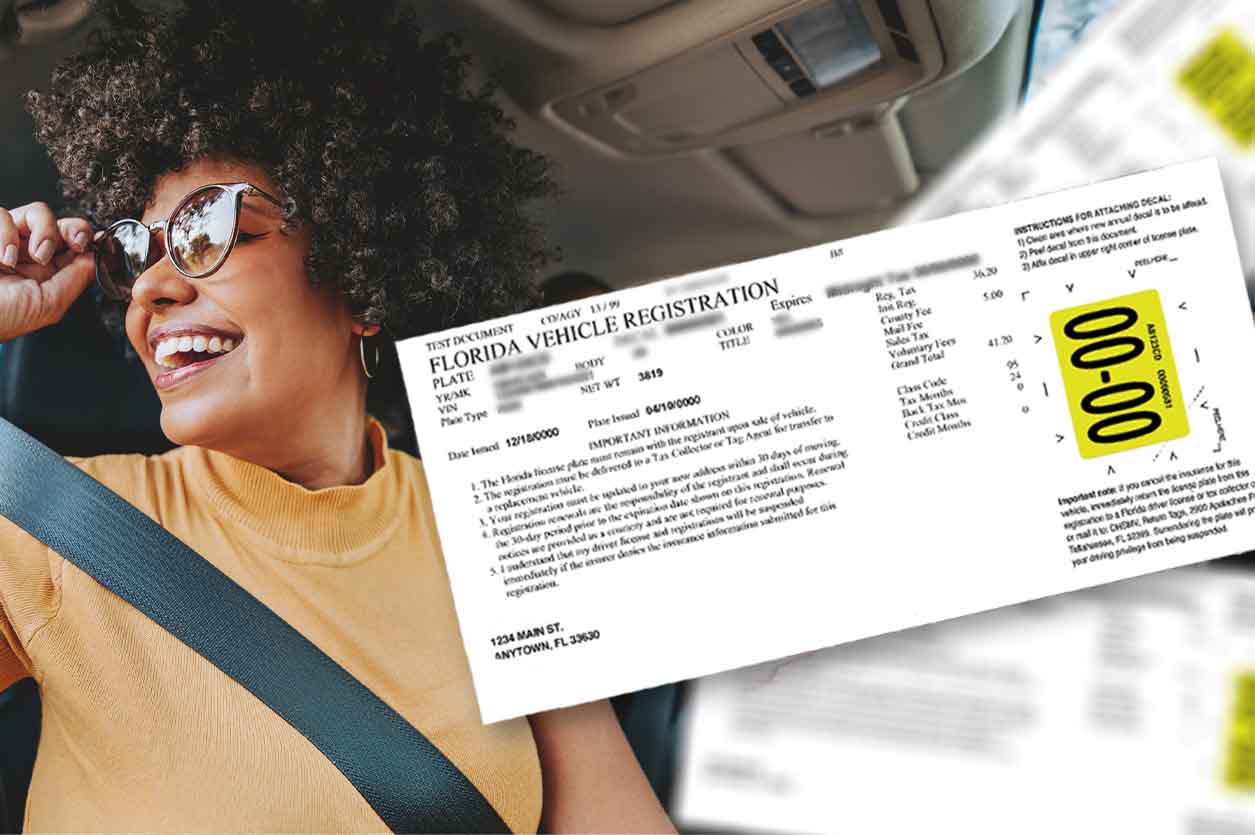
After payment, you will immediately receive your new Florida license plate and registration decal. The title certificate will be mailed to you (or your lienholder) at a later date, typically within a few weeks.
Specific Scenarios and Considerations
While the general process applies to most, certain situations have unique requirements.
Out-of-State Vehicles vs. New Purchases
- Out-of-State Vehicles: Focus on obtaining the out-of-state title, VIN verification (Form HSMV 82042), and proof of Florida insurance. The $225 initial registration fee usually applies.
- New Purchases (from a Florida Dealership): Dealers handle most of the paperwork. Ensure you get temporary tags and confirm that all fees (including sales tax, title, and registration) are included in your purchase agreement.
- Private Sales in Florida: You and the seller must complete the title transfer, usually at a County Tax Collector’s Office. You’ll pay sales tax on the purchase price unless exempt, in addition to title and registration fees.
Leased Vehicles
Registering a leased vehicle in Florida requires a few extra steps because the leasing company holds the title. You’ll need:
- A power of attorney from the leasing company, authorizing you to register the vehicle on their behalf.
- The original lease agreement.
- Proof of Florida insurance.
- A completed VIN verification (if out-of-state).
- Your Florida driver’s license.
It’s advisable to contact your leasing company well in advance to obtain the necessary documents and ensure a smooth process.
Military Personnel and Non-Residents
- Military Personnel: If you are active military stationed in Florida, you may be exempt from certain fees or the requirement to transfer your registration, provided your home state registration is current. However, if you establish Florida residency (e.g., getting a Florida driver’s license, registering to vote), you will likely need to register your vehicle in Florida. Always consult the DHSMV for the most current military exemptions.
- Non-Residents/Seasonal Residents: If you maintain your primary residence elsewhere but spend an extended period in Florida (typically more than 90 days in a calendar year), you may be required to register your vehicle. This is to ensure all vehicles operating for extended periods contribute to state road maintenance and meet insurance standards.
Commercial Vehicles and Special Plates
Registering commercial vehicles involves additional requirements, often including proof of U.S. Department of Transportation numbers, weight certifications, and potentially International Registration Plan (IRP) plates. Similarly, obtaining specialized license plates (e.g., collegiate, environmental, military veteran plates) will incur additional annual fees, but the core registration process remains similar. These plates often support specific causes or organizations.
Maintaining Your Registration and Avoiding Pitfalls
Once your vehicle is registered, the responsibility shifts to maintaining its compliance with Florida law.
Renewing Your Registration
Vehicle registrations in Florida are typically valid for one or two years. You will receive a renewal notice in the mail or via email (if you opt for electronic notifications) prior to your expiration date. Renewals can be completed:
- Online: Through the GoRenew.com portal.
- By Mail: Following the instructions on your renewal notice.
- In Person: At a County Tax Collector’s Office or an authorized agent.
You will need proof of Florida insurance to renew. Proactively renewing ensures you avoid late fees and potential citations.
Addressing Common Issues
- Lost or Stolen Plates/Decals: Report immediately to law enforcement and apply for replacements at a tax collector’s office using Form HSMV 83146.
- Change of Address: Update your address with the DHSMV promptly. This ensures you receive renewal notices and other important correspondence.
- Expired Insurance: Driving without valid Florida insurance is illegal and can lead to license suspension and fines. Ensure your policy is always current.
- Emissions Testing: Unlike many other states, Florida currently does not require vehicle emissions testing for registration.
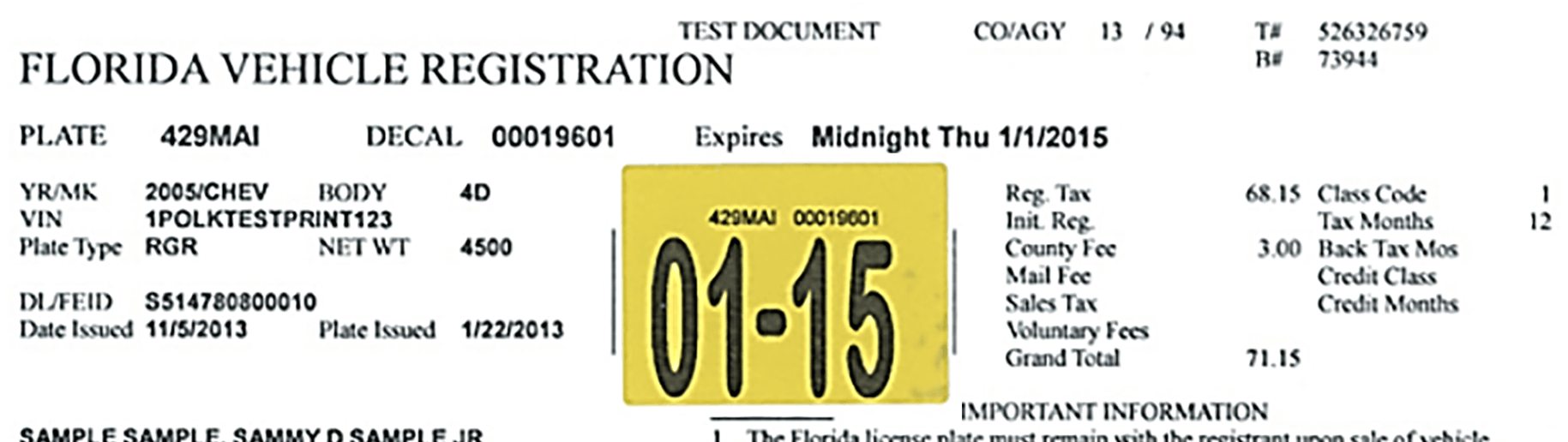
Important Florida Department of Highway Safety and Motor Vehicles (DHSMV) Information
The DHSMV is the primary state agency responsible for vehicle titles, registrations, and driver licenses. While the day-to-day transactions are often handled by local County Tax Collector’s Offices, the DHSMV website (flhsmv.gov) is an invaluable resource for forms, fees, and detailed explanations of policies. It’s always a good practice to check the official DHSMV site or call your local tax collector’s office for the most up-to-date information, as regulations can occasionally change. Being well-informed is your best tool for navigating the vehicle registration process in Florida successfully.
LifeOutOfTheBox is a participant in the Amazon Services LLC Associates Program, an affiliate advertising program designed to provide a means for sites to earn advertising fees by advertising and linking to Amazon.com. Amazon, the Amazon logo, AmazonSupply, and the AmazonSupply logo are trademarks of Amazon.com, Inc. or its affiliates. As an Amazon Associate we earn affiliate commissions from qualifying purchases.