
Embarking on a new adventure in the vast and scenic landscapes of Montana, or simply looking to ensure your vehicle is legally compliant while exploring its breathtaking beauty, requires a clear understanding of the state’s car registration process. Montana, known as the “Treasure State,” offers unparalleled opportunities for outdoor enthusiasts, from the majestic peaks of Glacier National Park to the geothermal wonders of Yellowstone National Park. Having your vehicle properly registered is not just a legal necessity; it’s your ticket to freely discover hidden gems, picturesque small towns, and expansive wilderness areas.

This comprehensive guide will demystify vehicle registration in Montana, providing a step-by-step walkthrough for new residents, those transferring ownership, and even those with unique vehicle circumstances. We’ll delve into the necessary documentation, important deadlines, and the distinct characteristics that make Montana’s registration system a bit different from other states. Our aim is to ensure your transition, whether it’s a permanent move to Bozeman or a long-term stay near Flathead Lake, is as smooth as a drive along the Going-to-the-Sun Road on a clear summer day.
Understanding Montana’s Vehicle Registration Landscape
Navigating the administrative landscape of vehicle registration can often feel like a complex journey, but with the right information, it becomes a straightforward process. Montana has a unique system, especially concerning vehicle plates and renewal, which is important for every car owner to understand. This section lays the groundwork, helping you identify if you need to register, where to go, and what to expect from the state’s specific regulations.
Who Needs to Register a Vehicle in Montana?
The requirement to register a vehicle in Montana generally applies to several categories of individuals and vehicles. If you fall into any of these, you’ll need to initiate the registration process:
- New Residents: If you’ve recently made Montana your home, you are required to register your vehicle(s) within a specific timeframe – typically 60 days of establishing residency. This applies whether you’re moving from a neighboring state like Idaho or from across the country. Establishing residency can involve obtaining a Montana driver’s license, registering to vote, or occupying a dwelling in the state.
- Vehicles Purchased in Montana: Any vehicle (new or used) purchased from a dealership or private seller within Montana must be registered in the buyer’s name. This ensures proper ownership transfer and legal operation.
- Vehicles with Transferred Ownership: If you’ve been gifted a vehicle or acquired it through a private sale, even if it was previously registered in Montana, the ownership must be officially transferred and the vehicle registered in your name.
- Vehicles Operating on Montana Roads: Any vehicle primarily operated on public roads within Montana by a Montana resident must be registered. This excludes temporary visitors with out-of-state plates.
Understanding these foundational requirements will help you determine your immediate next steps in the registration journey.
Key Agencies and Departments
When it comes to vehicle registration in Montana, you’ll primarily interact with two key governmental entities. While the processes are intertwined, knowing which agency handles what aspect will streamline your experience:
- County Treasurer’s Office: This is where the rubber meets the road for most vehicle registrations. Each of Montana’s 56 counties has a County Treasurer’s Office responsible for collecting vehicle registration fees, issuing license plates, and processing title transfers. You will typically visit your local County Treasurer’s Office in person to complete the registration. For instance, if you reside in Missoula, you’ll head to the Missoula County Treasurer’s Office.
- Motor Vehicle Division (MVD) of the Montana Department of Justice: While the County Treasurer’s Office handles the transactional aspect of registration, the Motor Vehicle Division (MVD) oversees vehicle titling, driver licensing, and overall vehicle records for the state. You might interact with the MVD indirectly through their forms and regulations, or directly if there are complex titling issues or if you need a Montana driver’s license. The MVD is part of the larger Department of Justice for Montana.
Unique Aspects of Montana Registration
Montana stands out with a few distinct features in its vehicle registration process that differentiate it from many other states:
- Permanent Plates (for some vehicles): One of the most significant differences is the option for “Permanent Plates” for passenger vehicles and light trucks (under 1 ton) that are 11 years old or older. Instead of annual renewals, you pay a one-time registration fee for these vehicles, and the plate remains valid for as long as you own the vehicle. This is a considerable convenience and cost-saver for owners of older vehicles, eliminating the need for yearly renewal notices and payments. Newer vehicles, however, still require annual registration renewal.
- No State Sales Tax on Vehicles: Montana is one of the few states that does not impose a statewide sales tax on vehicle purchases. This can result in significant savings compared to buying a vehicle in states like Wyoming or Idaho, which is a definite lifestyle benefit for residents. However, registration fees still apply.
- Vehicle Weight and Age-Based Fees: Registration fees in Montana are typically calculated based on the vehicle’s age and weight, rather than its value (as is common in some states with personal property taxes on vehicles). This can lead to predictable costs, especially for older vehicles.
Understanding these unique facets will help you better prepare for your registration appointment and appreciate the distinct approach Montana takes.
Step-by-Step Guide to Registering Your Vehicle
Now that you have a foundational understanding of Montana’s vehicle registration system, let’s dive into the practical steps. Proper preparation is key to a smooth and efficient process, ensuring you can get back to planning your next adventure, perhaps a drive along the Missouri River or a visit to the Lewis and Clark National Historic Trail.
Gathering Essential Documents
Before you head to the County Treasurer’s Office, having all your paperwork in order is crucial. Missing even a single document can result in delays, requiring multiple trips. Here’s a checklist of what you’ll typically need:
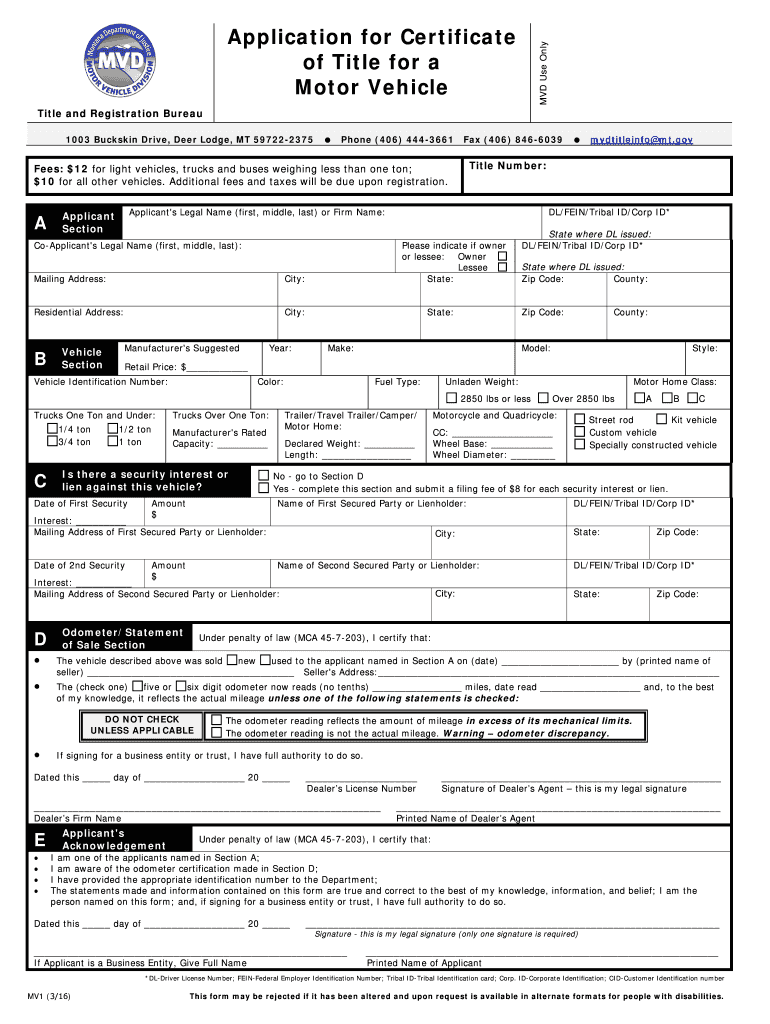
- Vehicle Title or Manufacturer’s Certificate of Origin (MCO): This is the most important document, proving ownership.
- For a new vehicle: You’ll need the MCO from the dealership.
- For a used vehicle purchased from a private party: The seller must sign over the title to you. Ensure all sections are properly filled out, including the odometer disclosure and any lien releases.
- For an out-of-state vehicle: You’ll need your out-of-state title. If your vehicle has a lien (you’re still paying off a loan), you’ll need to provide the lienholder’s name and address, as they will likely hold the physical title. The County Treasurer can help request it from the lienholder.
- Proof of Montana Auto Insurance: You must have valid car insurance that meets Montana’s minimum liability requirements. Bring your insurance card or policy declaration page.
- Valid Photo Identification: A current Montana driver’s license or state ID is ideal. If you’re a new resident and haven’t obtained one yet, your out-of-state driver’s license along with proof of Montana residency (e.g., utility bill, lease agreement) may be accepted.
- Bill of Sale (if applicable): While not always mandatory, a bill of sale can be very helpful, especially for private party purchases, as it clearly states the purchase price and date, which can impact fees.
- Odometer Disclosure Statement: This is often part of the title itself for vehicles under a certain age (typically less than 10 years old). It certifies the vehicle’s mileage at the time of sale.
- Vehicle Identification Number (VIN) Inspection (for out-of-state vehicles): If you’re bringing a vehicle into Montana from another state, you might need a VIN inspection. This is often performed by a County Sheriff’s Deputy, Highway Patrol Officer, or certain authorized businesses to verify the VIN matches the title and that the vehicle is not stolen. It’s advisable to call your local Sheriff’s office or County Treasurer’s office to confirm if and where this inspection is required for your specific situation.
Navigating the Registration Process
With your documents in hand, the next step is to physically complete the registration.
- Locate Your County Treasurer’s Office: As mentioned, vehicle registration is handled at the county level. Use the Montana government website to find the exact location and operating hours of the County Treasurer’s Office for your specific county (e.g., in Helena it would be Lewis and Clark County Treasurer).
- Visit In Person: Most vehicle registrations must be completed in person. Be prepared for potential wait times, especially during peak hours. Some offices may offer appointments, so it’s worth checking their website or calling ahead.
- Submit Documents and Pay Fees: Present all your prepared documents to the clerk. They will review everything, process the title transfer (if applicable), and calculate the registration fees. You’ll then pay these fees. Accepted payment methods vary by county, but generally include cash, check, or credit/debit card (often with a convenience fee for cards).
- Receive Plates and Registration: Once payment is processed, you will typically be issued your new Montana license plates, a registration receipt, and a temporary registration sticker. The permanent registration sticker will often be mailed to you later. For older vehicles qualifying for permanent plates, you’ll receive the plates and a permanent registration card.
Understanding Fees and Taxes
While Montana doesn’t have a state sales tax on vehicles, there are still various fees associated with registration. These fees contribute to state and local services, including road maintenance and law enforcement.
- Registration Fees: These are the primary costs. For vehicles 10 years old or newer, these are annual fees based on the vehicle’s age and weight. For vehicles 11 years old or older, you have the option for permanent registration (a one-time fee).
- Title Fees: A separate fee is charged for processing the vehicle title transfer.
- Administrative Fees: Small fees may be added for processing, county services, and other administrative tasks.
- Optional Fees: You may have the option to purchase personalized license plates or contribute to specific state programs (e.g., wildlife conservation plates), each incurring additional costs.
The exact total will depend on your specific vehicle type, age, and whether it’s a new or renewal registration. The County Treasurer’s Office will provide a detailed breakdown of all applicable charges.
Special Considerations for Montana Car Registration
While the general process applies to most, certain situations may require additional steps or unique considerations. Being aware of these can save you time and frustration, ensuring your transition to the Montana lifestyle is smooth.
Out-of-State Vehicles and New Residents
New residents bringing their vehicles from another state face specific requirements:
- Timelines: As mentioned, you generally have 60 days from establishing residency to register your out-of-state vehicle. Failure to do so can result in penalties.
- VIN Inspection: This is often the most critical additional step. A VIN inspection confirms the vehicle’s identity and ensures it’s not reported stolen. Contact your local Sheriff’s Office or County Treasurer’s Office for guidance on where and how to get this done in your county (e.g., in Billings, you’d contact Yellowstone County Sheriff’s Office). Some counties may have designated locations or times for these inspections.
- Lienholder Process: If your vehicle is financed and your bank (lienholder) holds the title, the County Treasurer’s Office will assist you in requesting the title from your lienholder. This can add some processing time, so it’s wise to start this early.
Electric and Hybrid Vehicles
Montana recognizes the growing popularity of electric (EV) and hybrid vehicles. While there isn’t a direct sales tax benefit on these vehicles, the state may implement special registration fees for them to offset the gas tax revenue lost from fewer fuel purchases. This is a common practice in many states to ensure fair contribution to road maintenance. Always check the current Motor Vehicle Division regulations for any specific EV/hybrid fees or incentives that might be in place.
Commercial Vehicles and RVs
- Commercial Vehicles: Registering commercial vehicles, especially those used for interstate commerce or exceeding certain weight thresholds, involves more complex regulations. These often fall under the Montana Department of Transportation’s Motor Carrier Services and may require IRP (International Registration Plan) or IFTA (International Fuel Tax Agreement) registrations. Businesses should consult the MDT website for detailed information.
- RVs and Trailers: Recreational Vehicles (RVs) and trailers also have their own registration categories and fee structures, typically based on weight. Like passenger vehicles, older RVs and trailers might also qualify for permanent plates, which is a great benefit for those planning extended stays at stunning Montana campgrounds or traveling through the scenic areas near Lake Koocanusa or Bighorn Canyon National Recreation Area.
What to Do After Registration
Once you’ve successfully registered your vehicle:
- Affix Plates and Stickers: Properly attach your new Montana license plates to the front and rear of your vehicle (unless it’s a motorcycle or trailer requiring only one plate). Place the temporary sticker on your windshield as instructed, and replace it with the permanent sticker when it arrives in the mail.
- Keep Documents Safe: Store your registration receipt and proof of insurance in your vehicle, readily accessible for law enforcement if requested. It’s also wise to keep copies of important documents elsewhere.
- Mark Renewal Dates: If your vehicle requires annual renewal, make a note of the expiration date to avoid late fees. Many counties send out renewal reminders, but it’s always best to have your own system.
Exploring Montana by Car: Life Beyond Registration
With your vehicle officially registered in Montana, the real adventure begins. This state is a paradise for road-trippers and explorers, offering a diverse range of landscapes, activities, and cultural experiences. Your newly registered car is your key to unlocking the freedom to roam, from the thriving city centers to the most remote wilderness trails.
Must-Visit Destinations and Road Trip Ideas
Montana’s vastness means a car is indispensable for truly experiencing its wonders. Consider these road trip ideas that highlight the state’s natural beauty and attractions:
- The Crown of the Continent Loop: This iconic journey takes you through and around Glacier National Park, including the famous Going-to-the-Sun Road. You’ll witness alpine meadows, pristine lakes, and cascading waterfalls. Extend your trip to explore nearby towns like Kalispell and Whitefish, offering charming accommodations and local eateries.
- Yellowstone Country Exploration: While Yellowstone National Park is primarily in Wyoming, its north and west entrances are in Montana. Base yourself in West Yellowstone or Gardiner to explore the park’s geysers and wildlife. Don’t miss Bozeman for its vibrant university town atmosphere, craft breweries, and the renowned Museum of the Rockies, home to an impressive dinosaur fossil collection. Further west, the Grizzly and Wolf Discovery Center in West Yellowstone offers an up-close look at native wildlife.
- Big Sky and the Crazies: Head to Big Sky Resort for world-class skiing in winter and incredible hiking and mountain biking in summer. Explore the Crazy Mountains for a more rugged backcountry experience, known for their dramatic peaks and solitude.
- Eastern Montana’s Dinosaur Trail: For history buffs and families, a drive through Eastern Montana reveals a rich paleontological heritage. Visit museums in Billings, Great Falls, and beyond to uncover dinosaur fossils and learn about ancient life in the region.
Accommodation and Travel Tips for Montana Road Trippers
Your car registration facilitates seamless travel, but choosing the right accommodation enhances your Montana experience.
- Diverse Accommodation Options: From luxury resorts like The Resort at Paws Up near Greenough or Big Sky Resort to charming boutique hotels in Missoula and Helena, Montana offers a range of stays. For those on a budget or seeking a more immersive nature experience, consider cabins, vacation rentals, or camping in state and national parks.
- Booking in Advance: Especially during peak summer season or around popular events, accommodations, particularly near Glacier National Park and Yellowstone National Park, can book up months in advance. Plan your itinerary and secure your stays early.
- Road Safety: Montana’s roads can be challenging, particularly in winter. Always check weather and road conditions before heading out, especially on mountain passes. Be aware of wildlife, as deer, elk, and even bears can be present on roads, especially at dawn and dusk. Keep your vehicle well-maintained and stocked with emergency supplies.
Embracing the Montana Lifestyle
Having your car registered isn’t just about legality; it’s about fully embracing the Montana lifestyle. The ability to drive freely to hiking trails, fishing spots on the Yellowstone River, skiing areas, or local farmers’ markets in small towns across the state is fundamental to enjoying what makes Montana unique.
From the vibrant arts scene in Missoula to the agricultural heartland near Great Falls, and the outdoor adventures that beckon from every corner, Montana is a state that rewards exploration. Your registered vehicle is your trusted companion on this journey, enabling you to discover the local culture, taste regional delicacies, and participate in activities that define the spirit of the Last Best Place.
In conclusion, while the process of registering a car in Montana involves a few specific steps and documents, it’s a manageable task that opens up a world of opportunities. With your vehicle legally ready for the road, you are now free to explore the grandeur of this incredible state, creating unforgettable memories from its boundless plains to its towering mountain ranges. Enjoy the ride!
LifeOutOfTheBox is a participant in the Amazon Services LLC Associates Program, an affiliate advertising program designed to provide a means for sites to earn advertising fees by advertising and linking to Amazon.com. Amazon, the Amazon logo, AmazonSupply, and the AmazonSupply logo are trademarks of Amazon.com, Inc. or its affiliates. As an Amazon Associate we earn affiliate commissions from qualifying purchases.