
Embracing Responsible Vehicle Ownership in the Californian Lifestyle
Living in California offers a diverse array of lifestyles, from urban sophistication to laid-back coastal living, adventurous mountain excursions, and serene desert retreats. For many residents, vehicle ownership is an essential component of this lifestyle, providing freedom and flexibility. However, circumstances often arise where a vehicle may not be driven for an extended period. Perhaps you’re a classic car enthusiast with a project vehicle, a seasonal resident who stores a car for several months, an avid traveler embarking on a long overseas journey, or simply someone with a spare vehicle that’s temporarily out of commission. In such scenarios, responsibly managing your vehicle’s registration status becomes a crucial aspect of a well-organized and financially prudent California lifestyle. Registering a vehicle as non-operational prevents unnecessary fees and penalties while maintaining compliance with state regulations. Understanding this process is not merely a bureaucratic task; it’s a strategic move for effective asset management and peace of mind within your personal finances.

Understanding Non-Operational Status: The Planned Non-Operation (PNO)
In California, a vehicle that will not be driven, towed, stored, or parked on any public roads or highways for an entire registration year can be declared as non-operational. This is formally known as filing a Planned Non-Operation (PNO) with the California Department of Motor Vehicles (DMV). The PNO status essentially informs the state that your vehicle will be off the road, thereby exempting it from requiring current registration tags, insurance, and smog certification for that period. It’s a testament to responsible ownership, acknowledging that while your vehicle is an asset, its active use is temporarily paused. This foresight can save significant financial burden, avoiding late penalties for lapsed registration and unnecessary insurance costs on a vehicle that isn’t being used. It’s an intelligent choice for individuals whose lifestyles dictate periods of vehicle inactivity.
Benefits for the California Resident
Opting for PNO status offers several compelling benefits that align with a smart California lifestyle. Primarily, it’s a financial safeguard. Without a PNO, if you allow your registration to expire, you would be liable for renewal fees, potential late penalties, and possibly even fees for failing to provide proof of insurance, even if the vehicle was never driven. A PNO filing, on the other hand, typically incurs a much smaller fee, effectively pausing the clock on your registration obligations. This is particularly valuable for classic car collectors who might spend years restoring a vehicle, or for those who own recreational vehicles (RVs) that are only used seasonally. Furthermore, for those who travel extensively or have a secondary residence, the PNO ensures their California-registered vehicle remains compliant without continuous overhead. It embodies a proactive approach to managing personal assets, preventing minor oversights from escalating into costly issues.
Navigating the California Department of Motor Vehicles (DMV) Process
The process of filing a PNO with the California Department of Motor Vehicles is designed to be straightforward, yet precise attention to detail and timing is paramount. This administrative step is critical for anyone aiming to seamlessly manage their vehicle’s legal status without incurring unexpected costs. Understanding each stage ensures a smooth interaction with the DMV and reinforces a stress-free approach to vehicle management.
The PNO Application: What You Need
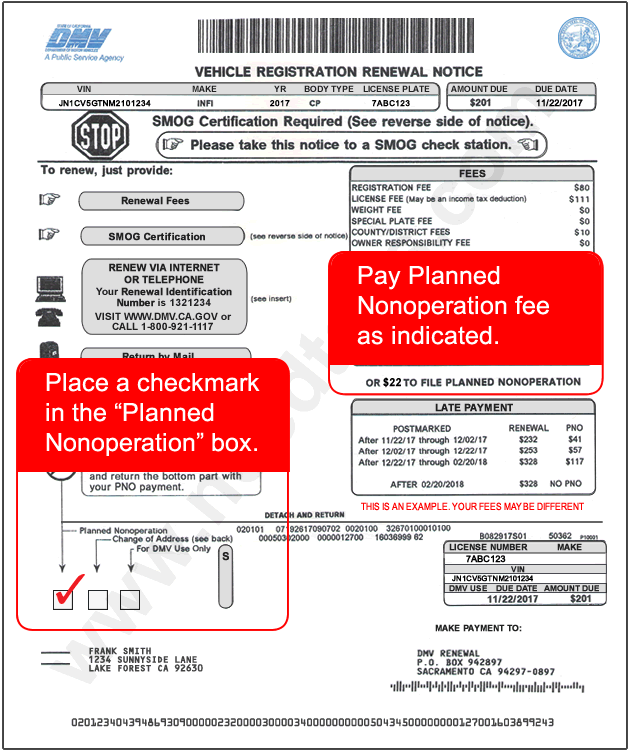
To file a PNO, you generally need your vehicle’s license plate number and the last five digits of your Vehicle Identification Number (VIN). The process involves notifying the DMV of your intention to declare the vehicle non-operational. It’s important to remember that a PNO declares that the vehicle will not be operated at all for the entire registration year. This means it cannot be driven to a smog station, parked on a public street, or even towed on public roads without current registration. The vehicle must be stored on private property. This declaration is a key component of the agreement you make with the state, impacting subsequent interactions with law enforcement or when reinstating the vehicle’s operational status.
Timelines and Avoiding Penalties
Timing is crucial when filing a PNO. The optimal window for filing is before your current registration expires. You can file a PNO up to 90 days before your registration expiration date. If you miss this window, you still have the option to file up to 90 days after your registration expires. However, if you file after the expiration date, a late filing penalty will apply, which, while smaller than a full registration late penalty, still adds an unnecessary expense. The objective of PNO is to avoid penalties entirely, making proactive planning a vital part of your financial lifestyle. Mark your calendar for registration renewal dates and set reminders; this simple act can save you money and hassle.
Online vs. Mail vs. In-Person Options
The California Department of Motor Vehicles offers multiple convenient methods for filing a PNO, catering to different preferences and busy schedules.
- Online: For many, the online portal is the most convenient option. It allows you to complete the process from the comfort of your home or office, often with immediate confirmation. This digital approach aligns well with a modern, efficient lifestyle.
- Mail: You can also submit a PNO form via mail. This method requires careful completion of the necessary forms and ensuring they are postmarked within the required timeframe. Allow for mail delivery times to avoid missing deadlines.
- In-Person: While less common for PNO filings due to its simplicity, you can visit a California Department of Motor Vehicles office in person. This might be preferred by individuals who need direct assistance or have complex questions. Remember that wait times can vary, so consider scheduling an appointment.
Choosing the method that best fits your lifestyle and timeline is key to a seamless experience.
When Your Vehicle Becomes Operational Again
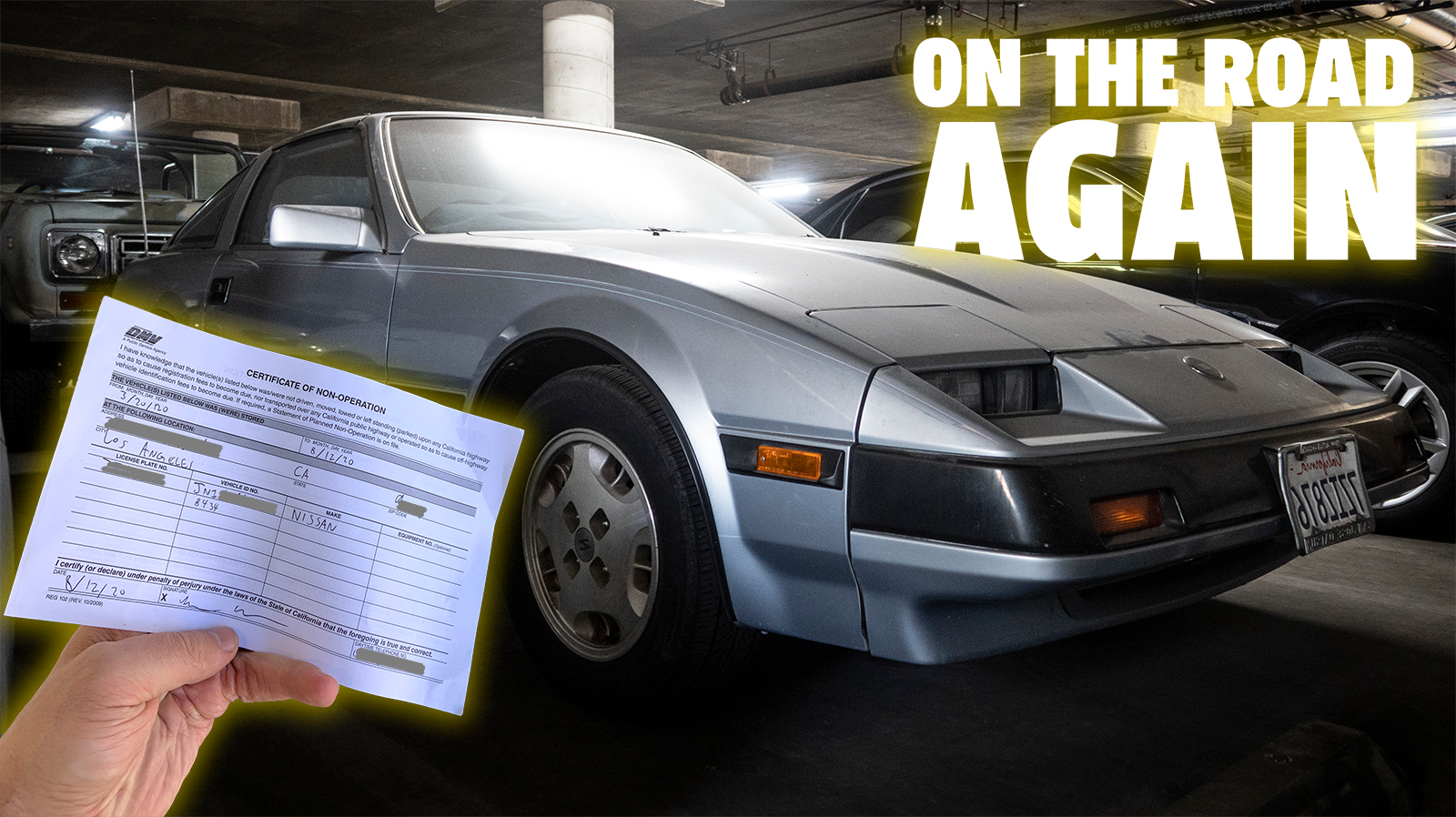
Lifestyles evolve, and a vehicle declared non-operational may eventually need to return to active service. Perhaps your classic car restoration is complete, you’ve returned from a long trip, or you simply need your spare vehicle again. Bringing a PNO vehicle back into operational status requires specific steps to ensure it is road-legal and compliant with California regulations.
Reinstating Registration
To reinstate your vehicle’s registration and remove its PNO status, you will need to pay the full annual registration renewal fees for the current year. This includes any vehicle license fees, registration fees, and other applicable charges that were waived while the vehicle was non-operational. It is crucial to pay these fees before operating the vehicle on public roads. Failure to do so can result in citations, fines, and even impoundment, which would severely disrupt your lifestyle and financial planning.
Smog Checks and Inspections
For most vehicles, a smog check will be required when reinstating registration. California’s strict emissions standards mean that most vehicles older than eight model years, and newer than a specific exemption (typically gasoline-powered vehicles 1976 and newer, and diesel-powered vehicles 1998 and newer with a Gross Vehicle Weight Rating of 14,000 lbs or less), need to pass a smog inspection every two years and upon transfer of ownership. When reinstating from a PNO, the DMV will typically require a current smog certificate unless your vehicle is exempt. Plan for this by scheduling an inspection at a certified smog station before attempting to renew your registration. Remember that you cannot drive your PNO vehicle to the smog station; it must be towed or transported without being driven on public roads unless you obtain a temporary operating permit, which requires a valid smog certificate already in many cases. It’s a delicate balance that requires forethought.
Fees and Calculations
When renewing an operational vehicle, the total fees encompass various components: the vehicle license fee (based on the vehicle’s value), registration fee, California Highway Patrol fee, and potentially county transportation fees or air quality fees. If your vehicle was previously on PNO, these will all become due. The California Department of Motor Vehicles provides an online fee calculator that can help estimate the total cost, allowing you to budget accordingly. This proactive financial planning is another cornerstone of a well-managed lifestyle in California. Be prepared for the full cost, as it will likely be higher than a standard renewal if there are any accumulated fees or penalties from past periods.
Common Pitfalls and Smart Lifestyle Choices
Even with a clear understanding of the PNO process, certain oversights can lead to avoidable complications. Integrating this knowledge into your lifestyle ensures smooth vehicle management and sustained financial well-being.
Avoiding Late Fees
The single most common pitfall is missing the PNO filing deadline. As mentioned, filing more than 90 days after your registration expires incurs a late penalty. Additionally, if you forget to file a PNO entirely and let your registration lapse, you will face significantly higher penalties, including late registration fees and potential insurance penalties, which can quickly accumulate. A disciplined approach to managing your vehicle’s administrative dates, perhaps using digital calendars or reminders, is a simple yet effective lifestyle hack to avoid these unnecessary costs. Just as you manage other important deadlines, treating your vehicle registration with similar diligence will serve you well.
Out-of-State Considerations
For California residents who frequently travel or temporarily relocate, understanding how a PNO interacts with out-of-state vehicle storage is important. A PNO only affects your vehicle’s registration status in California. If you move the vehicle to another state and plan to operate it there, you will need to comply with that state’s registration laws. Conversely, if you bring an out-of-state vehicle into California and do not plan to operate it immediately, you might consider filing a PNO (after establishing California residency and registering it) to temporarily avoid fees, though initial registration usually requires operational status first. These nuanced situations require careful consideration of both states’ regulations to maintain a compliant and adaptable lifestyle.
Leveraging DMV Resources for Peace of Mind
The California Department of Motor Vehicles website is an invaluable resource for current forms, fee schedules, and detailed instructions. Regularly consulting the official DMV website or subscribing to their email updates can provide timely information and prevent reliance on outdated advice. For complex situations, a direct call to the DMV or an in-person visit might be necessary. Integrating these proactive information-gathering habits into your lifestyle is a hallmark of responsible vehicle ownership in California, ensuring that your journey, whether on the road or in temporary storage, is always smooth and penalty-free. By making informed decisions about your vehicle’s registration, you contribute to a more organized, less stressful, and financially sound California lifestyle.
LifeOutOfTheBox is a participant in the Amazon Services LLC Associates Program, an affiliate advertising program designed to provide a means for sites to earn advertising fees by advertising and linking to Amazon.com. Amazon, the Amazon logo, AmazonSupply, and the AmazonSupply logo are trademarks of Amazon.com, Inc. or its affiliates. As an Amazon Associate we earn affiliate commissions from qualifying purchases.