
Embarking on a road trip through the picturesque landscapes of Maine can be an incredibly rewarding experience. Whether you’re planning a leisurely tour of its stunning coastline, exploring its charming small towns, or venturing into the vast wilderness for some adventure, a trailer can significantly enhance your journey. However, before you hit the open road with your trailer in tow, it’s crucial to ensure it’s properly registered. This guide will walk you through the essential steps and considerations for registering a trailer in Maine, ensuring your travels are both enjoyable and compliant with state regulations.
The allure of Maine extends far beyond its well-known attractions. From the rugged beauty of Acadia National Park to the historic lighthouses dotting its shore, the state offers a diverse range of experiences for every type of traveler. Imagine waking up to the sound of waves at a secluded beach resort, exploring the culinary delights of Portland’s vibrant food scene, or delving into the rich history of a colonial settlement. A trailer can be your mobile basecamp, allowing for flexible accommodations and the freedom to explore off-the-beaten-path destinations. However, to legally transport your trailer within Maine and other states, registration is a mandatory prerequisite. This process ensures that your trailer is accounted for, contributes to road maintenance funds through taxes and fees, and is properly identified in case of any incidents.
Understanding Trailer Registration Requirements in Maine
Registering a trailer in Maine involves a few key steps, primarily handled by the Bureau of Motor Vehicles (BMV). The specific requirements can vary slightly depending on the type of trailer you are registering, such as whether it’s a utility trailer, a camper, or a larger recreational vehicle. Understanding these nuances upfront will streamline the process and prevent potential delays.
Types of Trailers and Their Registration
Generally, most types of trailers that are towed behind a vehicle require registration in Maine. This includes, but is not limited to:
- Utility Trailers: These are common for hauling goods, equipment, or recreational gear. Even small utility trailers often need to be registered.
- Campers and Travel Trailers: These are designed for overnight stays and come in various sizes, from pop-up campers to large fifth-wheel trailers. These are typically subject to specific registration and titling requirements.
- Boats Trailers: Trailers used to transport boats also need to be registered.
- Horse Trailers: If you plan to travel with livestock, your horse trailer will require registration.
- Motorcycle Trailers: Trailers specifically designed to carry motorcycles are also subject to registration.
There are usually exemptions for very small trailers that have a gross vehicle weight rating (GVWR) below a certain threshold, or trailers that are only used for specific purposes like agricultural use on private property. However, for general road use, registration is almost always necessary. It’s always best to check the latest regulations with the Maine BMV to confirm if your specific trailer type requires registration.
The process of registration serves several vital purposes. Firstly, it ensures that trailers are legally allowed on public roads. Secondly, it helps in identifying ownership. Thirdly, it contributes to state revenue through registration fees and potential excise taxes, which are then used for road maintenance and infrastructure improvements. When you’re planning a trip to a popular destination like Acadia National Park or a charming town like Kennebunkport, having a properly registered trailer means you can focus on enjoying the scenery and experiences without worrying about legal entanglements.
The Registration Process: Step-by-Step
Registering a trailer in Maine is a straightforward process, provided you have the necessary documentation. The primary point of contact for registration is the Maine BMV, which has various branch offices throughout the state.
Gathering Necessary Documentation
Before you visit the BMV, it’s essential to gather all the required documents. The specific documents needed may vary slightly based on whether the trailer is new or used, and whether you are the first owner. However, common requirements include:
- Proof of Ownership: This is typically the trailer’s title. If you purchased the trailer new from a dealership, the dealer will often handle the initial titling and registration process. If you purchased it privately, you will need the seller’s signed-off title. For older trailers that may not have a title, a bill of sale with proper identification of the seller and buyer, along with the trailer’s Vehicle Identification Number (VIN), may suffice, but it’s crucial to verify this with the BMV.
- Proof of Identity: A valid driver’s license or other government-issued identification is required for the applicant.
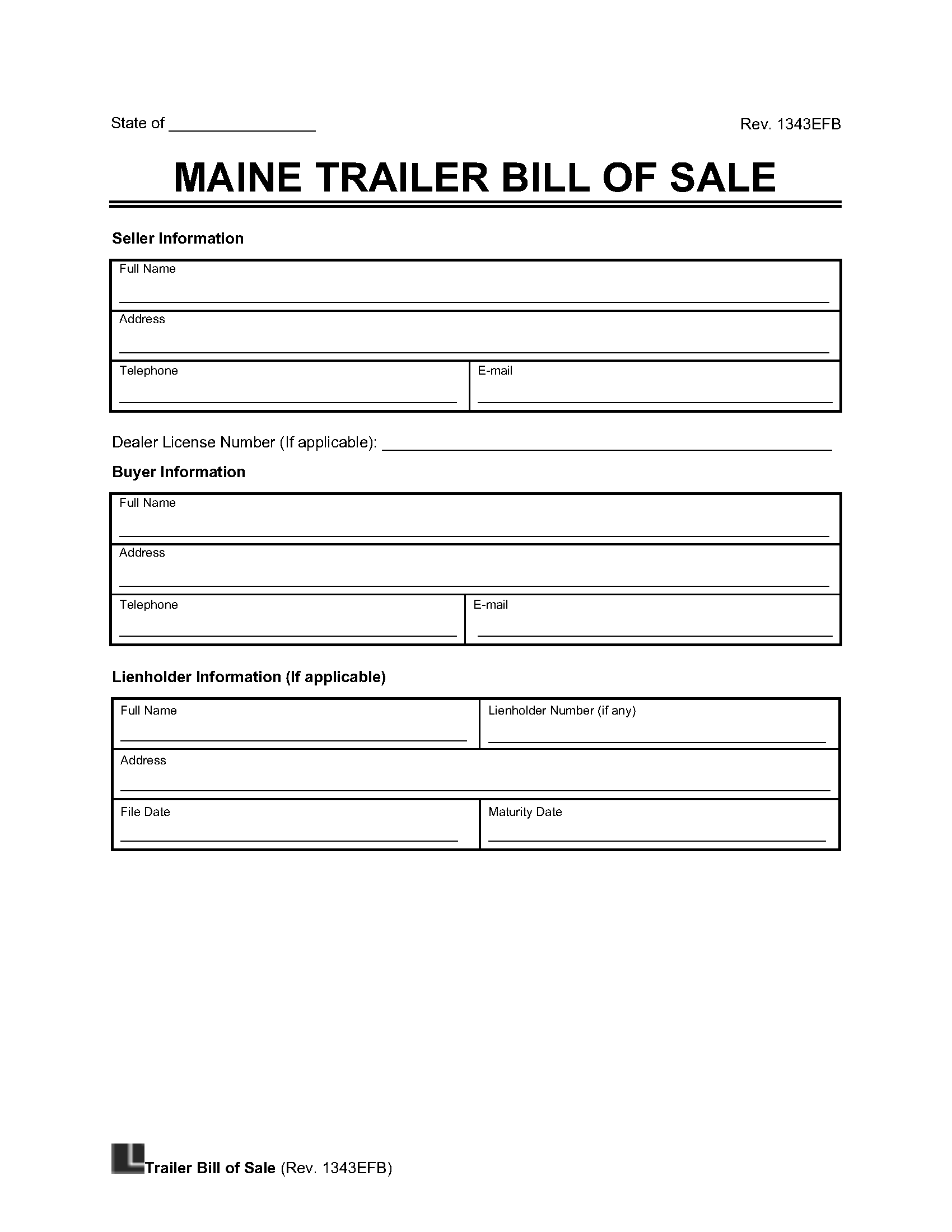
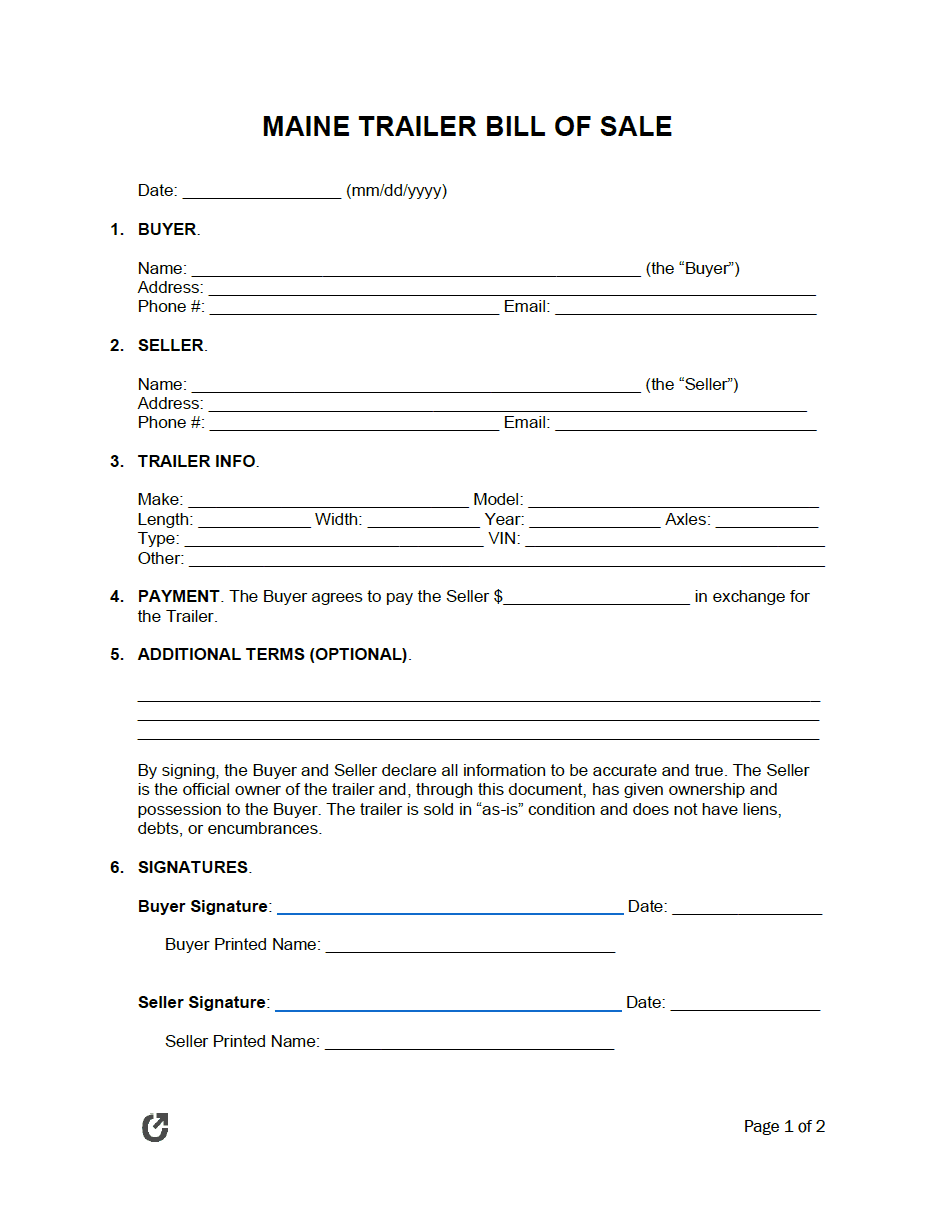
- Bill of Sale: If you purchased the trailer from an individual, a notarized bill of sale is often required. This document should include the trailer’s VIN, the names and addresses of the buyer and seller, the purchase price, and the date of sale.
- Weight Certificate: For certain types of trailers, especially utility trailers, a weight certificate from a certified scale may be required to determine the trailer’s GVWR, which can influence registration fees and plate type.
- Proof of Maine Insurance: While not always mandated for all types of trailers, some larger or heavier trailers may require proof of insurance. It’s advisable to check with your insurance provider and the BMV regarding specific insurance requirements.
- Application Form: You will need to complete a trailer registration application form, which can often be downloaded from the Maine BMV website or obtained at the branch office.
The Titling vs. Registration Distinction
It’s important to understand that in Maine, a title is a document that proves ownership, while registration is the process of legally allowing the trailer to be used on public roads. For trailers with a GVWR of 3,000 pounds or more, titling is mandatory. For trailers below this weight, registration may still be required, but a title might not be. The BMV is the authority to clarify these distinctions.
Fees and Taxes
When you register your trailer, you will be responsible for paying various fees and taxes. These typically include:
- Registration Fee: This fee is usually based on the trailer’s GVWR and the type of registration plate you choose.
- Excise Tax: Maine levies an excise tax on registered vehicles, including trailers. The amount of the excise tax is generally calculated based on the trailer’s age and its original purchase price, or its current market value. This tax is often collected at the time of registration.
- Title Fee: If a title is required for your trailer, there will be a separate fee for obtaining it.
The exact amounts for these fees and taxes can change, so it’s recommended to visit the Maine BMV website or contact them directly for the most up-to-date fee schedule. Planning for these costs is an integral part of the registration process.
Completing the Registration
Once you have all your documentation, you can proceed to your local Maine BMV branch. You will present your documents to a clerk, who will review them for accuracy and completeness. If everything is in order, you will pay the required fees and taxes. Upon successful processing, you will be issued your registration certificate and license plates. The license plates must be attached to the trailer in the designated location, usually the rear.
For those who enjoy the luxury travel aspect of exploring Maine with a well-equipped trailer, perhaps near a resort like The Balsams, or those planning budget-friendly family trips exploring lighthouses, having the trailer legally registered ensures peace of mind.
Special Considerations and Ongoing Compliance
Registering a trailer is not a one-time event. There are ongoing responsibilities to maintain compliance with Maine laws. Understanding these aspects will help you avoid issues down the line and keep your trailer road-ready for all your adventures, whether it’s a trip to explore the natural beauty of Baxter State Park or a culinary tour of Portland.
Renewal of Registration
Trailer registrations in Maine typically need to be renewed annually. The BMV usually sends out renewal notices prior to the expiration date. It is your responsibility to ensure that the registration is renewed on time to avoid penalties or fines. Renewal can often be done online, by mail, or in person at a BMV branch. The renewal fees will be similar to the initial registration fees, though they may be adjusted based on inflation or other state factors. Keeping track of your renewal date is crucial for uninterrupted travel.
Transferring Ownership
If you sell your trailer, you will need to transfer the ownership and registration to the new owner. This typically involves both the buyer and seller completing specific sections of the title and/or bill of sale and submitting the necessary paperwork to the BMV. The new owner will then be responsible for registering the trailer in their name. Similarly, if you purchase a used trailer, you will need to go through the process of transferring the title and registering it to yourself as the new owner. Proper transfer procedures protect both the buyer and seller.
VIN Inspection
In some cases, especially if you are bringing a trailer into Maine from another state, or if the trailer’s VIN is damaged or unclear, a VIN inspection may be required. This inspection is conducted to verify the trailer’s identification number against its documentation. The BMV can provide information on where and how to get a VIN inspection if it’s necessary for your situation.
Using Your Trailer Out of State
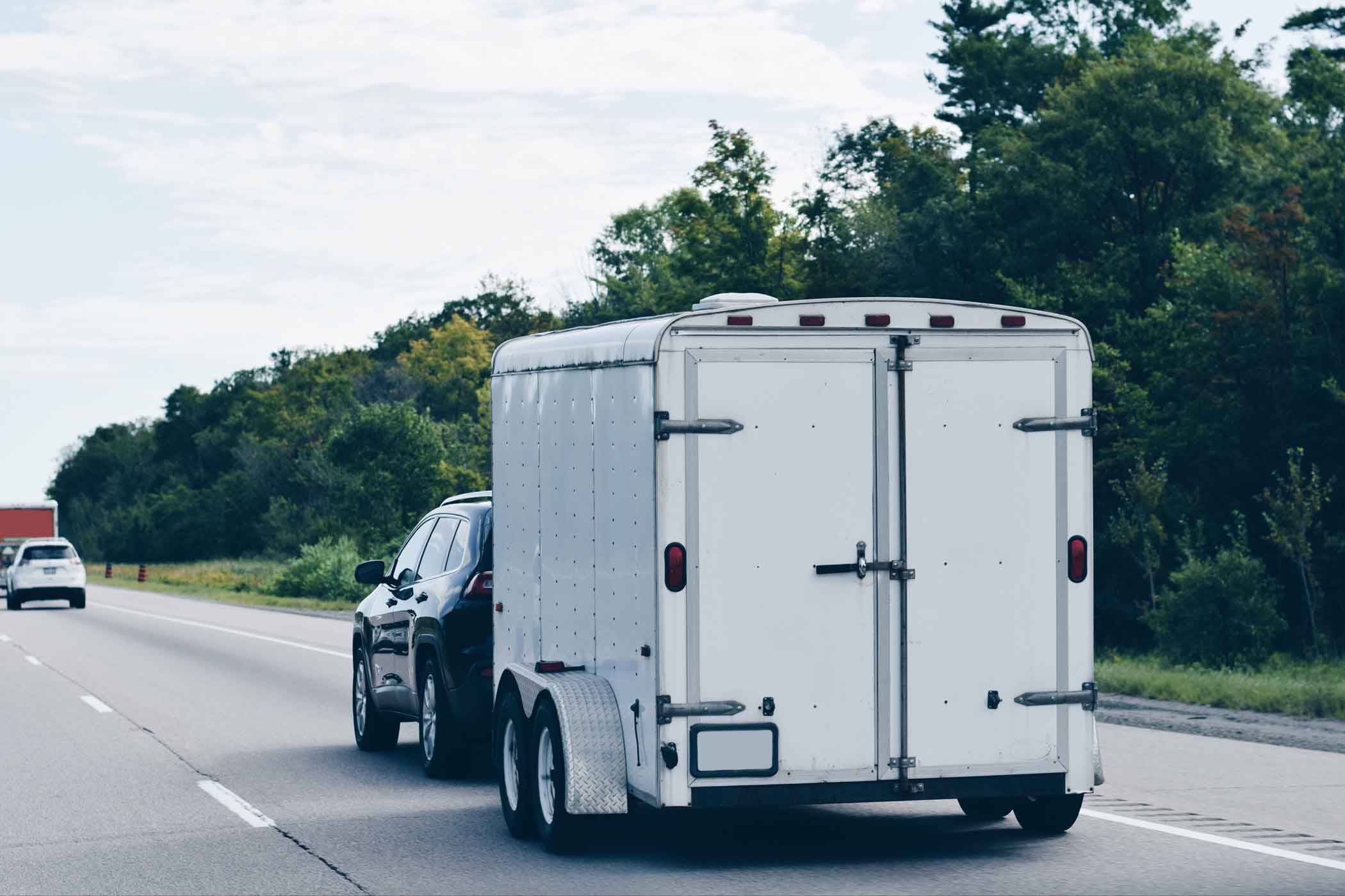
Once your trailer is registered in Maine, it is generally legal to tow it in other states. However, it’s always a good practice to be aware of the registration and towing laws of any state you plan to travel through. Most states have reciprocity agreements for trailer registrations, meaning they will recognize a valid registration from another state. But, if you plan to become a resident of another state, you will eventually need to register your trailer in that state.
By following these guidelines, you can ensure your trailer is legally registered and ready for all the exciting journeys Maine and beyond has to offer. Whether your interest lies in exploring the historic architecture of Portland’s Old Port or finding the perfect accommodation near a secluded lake, a registered trailer is your key to unlocking the full potential of your travel experiences.
LifeOutOfTheBox is a participant in the Amazon Services LLC Associates Program, an affiliate advertising program designed to provide a means for sites to earn advertising fees by advertising and linking to Amazon.com. Amazon, the Amazon logo, AmazonSupply, and the AmazonSupply logo are trademarks of Amazon.com, Inc. or its affiliates. As an Amazon Associate we earn affiliate commissions from qualifying purchases.