
Nestled in the heart of the San Francisco Bay Area, Contra Costa California stands as a vibrant county often overlooked by travelers rushing to more famous Golden State destinations. This expansive region, stretching from the East Bay hills to the Sacramento-San Joaquin River Delta, offers a compelling mix of natural beauty, dynamic urban centers, and a rich historical tapestry. For those wondering about its precise whereabouts and what makes it a noteworthy travel destination, Contra Costa presents itself as an accessible, diverse, and engaging corner of Northern California, promising a wealth of experiences for every type of explorer.

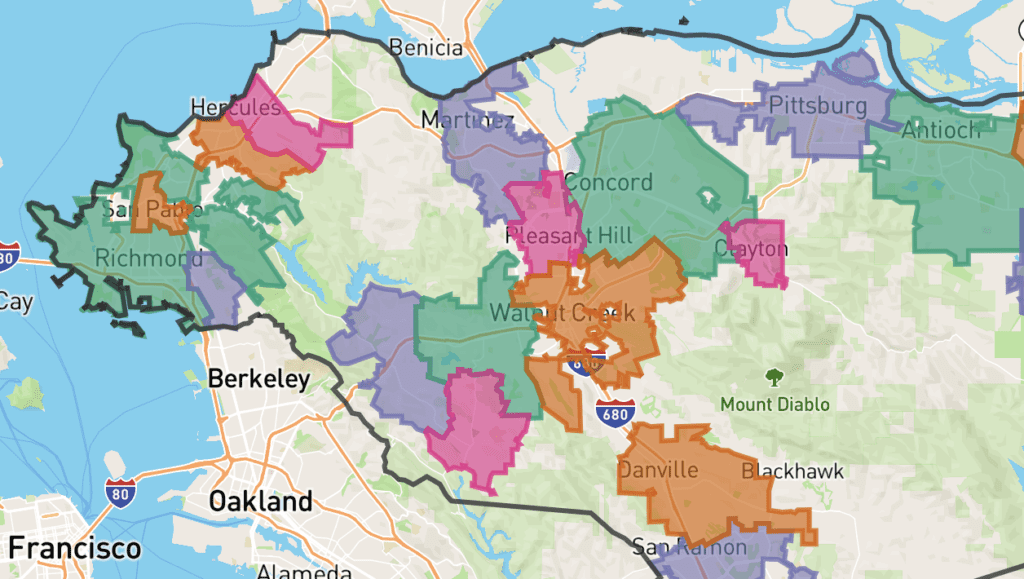
Geographically, Contra Costa County forms a significant part of the East Bay, bordering Alameda County to the south, Solano County to the north across the Carquinez Strait and Suisun Bay, and extending eastward towards the Central Valley. Its strategic location provides residents and visitors alike with unparalleled access to metropolitan hubs like San Francisco and Oakland, as well as natural wonders and premier wine regions. Far from being merely a commuter corridor, Contra Costa has cultivated its own distinct identity, inviting discovery and offering a travel experience that balances urban amenities with serene natural landscapes.
Unveiling Contra Costa County’s Prime Location
Contra Costa County is a geographically diverse region, strategically positioned within the greater San Francisco Bay Area. Its location provides a unique advantage, offering both proximity to major urban centers and an escape into nature. Understanding its precise placement and how to navigate it is key to appreciating its appeal as a travel destination.
Geographic Overview and Proximity to Major Hubs
Contra Costa occupies a substantial portion of the East Bay, with its western reaches bordering the dense urban landscapes of Oakland and Berkeley in Alameda County. To its north, the county is defined by the expansive waters of the Carquinez Strait and Suisun Bay, a critical navigable waterway connecting the Sacramento-San Joaquin River Delta to San Francisco Bay. This aquatic boundary also places it adjacent to Solano County, home to cities like Vallejo and Fairfield. To the east, Contra Costa gradually transitions from rolling hills to the flat, fertile lands of the Sacramento-San Joaquin River Delta, providing a gateway to the broader Central Valley, including the state capital, Sacramento, just over an hour’s drive away.
The county’s central location within the Bay Area means that iconic attractions like the Golden Gate Bridge, Alcatraz Island, and the vibrant neighborhoods of San Francisco are often less than an hour’s drive from its major cities. This allows travelers to base themselves in Contra Costa, enjoying a more relaxed pace and often more affordable accommodations, while still having world-class urban experiences within easy reach.
Key Cities and Their Unique Charms
Contra Costa County is dotted with numerous cities, each possessing its own character and attractions.
- Walnut Creek: Often considered the county’s vibrant urban core, Walnut Creek is renowned for its upscale shopping, exemplified by Broadway Plaza, its diverse dining scene, and its thriving arts community centered around the Lesher Center for the Arts. It serves as a central hub for entertainment and cultural activities.
- Concord: The largest city in Contra Costa, Concord boasts a family-friendly atmosphere with highlights such as Todos Santos Plaza, a vibrant public square hosting farmers’ markets, concerts, and community events. It’s also known for its diverse culinary offerings and proximity to outdoor recreational areas.
- San Ramon: Located in the southern part of the county, San Ramon is a modern, affluent city known for its corporate campuses, excellent schools, and beautiful residential areas. It offers access to numerous parks and trails, embodying a suburban yet sophisticated lifestyle.
- Lafayette and Orinda: These charming East Bay suburbs are characterized by their picturesque landscapes, excellent schools, and strong community focus. They offer a quieter, more upscale experience with boutique shops and fine dining, nestled among rolling hills.
- Martinez: As the county seat, Martinez offers a glimpse into Contra Costa’s historical roots. Its downtown boasts charming Victorian architecture, a historic courthouse, and a waterfront park on the Carquinez Strait.
Accessibility and Transportation
Traveling to and within Contra Costa is remarkably convenient. Major interstate freeways, including I-680, I-80, SR-4, and SR-24, crisscross the county, providing direct routes to San Francisco, Oakland, Sacramento, and beyond.
For those preferring public transport, the Bay Area Rapid Transit (BART) system is a game-changer. BART extends deep into Contra Costa, with stations in cities like Orinda, Lafayette, Walnut Creek, Concord, and Antioch, offering a seamless, traffic-free connection to downtown San Francisco, Oakland International Airport (OAK), and San Francisco International Airport (SFO). This extensive public transport network makes it feasible to explore the region without a car, particularly for day trips into the city.
A Tapestry of Natural Beauty and Outdoor Escapes
Beyond its urban centers, Contra Costa California truly shines with its abundant natural landscapes, offering a diverse array of outdoor activities for every season. The county is a haven for nature enthusiasts, hikers, cyclists, and water sports aficionados.
Majestic Regional Parks and Open Spaces
The dramatic silhouette of Mount Diablo dominates the skyline of central Contra Costa. Mount Diablo State Park is an absolute must-visit, offering panoramic views that on a clear day can stretch for hundreds of miles, encompassing parts of the Sierra Nevada, Mount Lassen, and Mount Shasta. The park provides challenging hiking and biking trails, rock climbing opportunities, and scenic drives.
Beyond Mount Diablo, the East Bay Regional Park District manages an impressive network of parks within the county. Briones Regional Park, with its rolling golden hills and expansive vistas, is perfect for hiking, horseback riding, and picnicking. Las Trampas Regional Wilderness offers rugged trails and stunning views, while Shell Ridge Open Space provides a natural escape right on the edge of Walnut Creek. These parks collectively preserve critical wildlife habitats and provide invaluable recreational opportunities for locals and visitors alike.
Waterways and Waterfront Recreation
Contra Costa’s northern boundary, formed by the Carquinez Strait and Suisun Bay, opens up a world of aquatic adventures. The eastern part of the county extends into the intricate network of channels and islands of the Sacramento-San Joaquin River Delta, an ecological wonderland.
Marinas and public access points along these waterways cater to boating, sailing, kayaking, and paddleboarding enthusiasts. Fishing is a popular pastime, with opportunities to catch striped bass, sturgeon, and salmon. The waterfront towns like Martinez and Pittsburg offer charming promenades and parks where visitors can enjoy the serene views and watch ships pass by. For a unique experience, exploring the Delta’s tranquil sloughs and islands offers a different perspective on California’s natural beauty.
Scenic Trails and Biking Routes

The county is crisscrossed with an extensive network of multi-use trails, making it a paradise for cyclists and walkers. The Iron Horse Regional Trail is a prime example, a 32-mile paved pathway that follows a historic railroad corridor, connecting the cities of Concord, Walnut Creek, San Ramon, and beyond. It’s perfect for a leisurely bike ride, a brisk walk, or a run, with numerous access points and amenities along the way.
Other notable trails include the Delta De Anza Regional Trail, which winds through the eastern part of the county, and various routes within the regional parks that offer more challenging terrain for mountain bikers and experienced hikers. These trails provide an excellent way to experience the county’s varied landscapes, from oak woodlands to open grasslands, all while enjoying fresh air and exercise.
Exploring Vibrant Communities and Cultural Riches
Beyond its stunning natural beauty, Contra Costa California boasts a vibrant cultural scene, rich history, and diverse communities that offer a dynamic travel experience. From upscale shopping districts to historical memorials, the county presents a range of attractions for those seeking to immerse themselves in local life.
Downtown Delights: Dining, Shopping, and Entertainment
The cities of Contra Costa provide an array of urban pleasures. Walnut Creek’s downtown is a bustling hub, often compared to a mini-San Francisco for its sophisticated appeal. Broadway Plaza is an open-air shopping center featuring high-end retailers and popular brands, complemented by a plethora of restaurants ranging from casual eateries to fine dining establishments. In the evenings, the area comes alive with theaters and live music venues.
Concord’s Todos Santos Plaza serves as the city’s lively heart, hosting free summer concerts, a popular farmers’ market, and numerous community events throughout the year. The surrounding streets offer diverse dining options, reflecting the city’s multicultural population. Similarly, towns like Lafayette and Martinez offer charming downtown areas with local boutiques, cozy cafes, and unique culinary experiences that provide a more intimate local flavor.
Arts, History, and Local Heritage
Contra Costa is not just about scenic views; it also has a significant cultural and historical footprint. The Lesher Center for the Arts in Walnut Creek is a premier venue for performing arts, hosting Broadway shows, orchestral performances, dance, and local theater productions, attracting audiences from across the Bay Area. Art galleries and public art installations can be found throughout the county, particularly in Walnut Creek and Lafayette.
History enthusiasts will find compelling sites such as the Port Chicago Naval Magazine National Memorial near Concord. This site commemorates the largest home-front disaster of World War II, a tragic explosion that highlighted issues of racial discrimination in the military and led to a landmark mutiny trial. While access requires advance planning due to its location on an active military base, its historical significance is profound. Additionally, the John Muir National Historic Site in Martinez preserves the home of the renowned naturalist and “Father of the National Parks,” offering insights into his life and work.
Family-Friendly Fun and Events
Families traveling to Contra Costa will find an abundance of activities to keep everyone entertained. Throughout the year, various cities host festivals, fairs, and community gatherings. The Contra Costa County Fair in Antioch is a popular annual event featuring rides, agricultural exhibits, and live entertainment. Many parks offer playgrounds, picnic areas, and open spaces for children to play.
Educational and engaging experiences include visiting the Lindsay Wildlife Experience in Walnut Creek, a unique animal rehabilitation center where visitors can see native California wildlife up close. Local libraries often have children’s programs, and community pools provide refreshing escapes during warmer months. The vibrant farmers’ markets in cities like Walnut Creek, Concord, and Lafayette offer not only fresh produce but also a lively atmosphere, often with live music and activities, making them perfect family outings.
Planning Your Visit to Contra Costa
To make the most of your travel experience in Contra Costa California, a little planning goes a long way. Understanding the best times to visit and how to navigate the region will enhance your journey through this dynamic county.
Best Time to Visit
Contra Costa enjoys a Mediterranean climate, characterized by warm, dry summers and mild, wet winters.
- Spring (March to May): This is arguably one of the best times to visit. The weather is pleasant and mild, with wildflowers blooming across the hills, particularly in Mount Diablo State Park and other regional parks. Temperatures are comfortable for outdoor activities, and the tourist crowds are generally smaller than in summer.
- Summer (June to August): Summers are warm to hot, especially in the eastern parts of the county, with temperatures often reaching into the 80s and 90s Fahrenheit. This is peak season for community events, outdoor concerts, and water-based activities in the Delta. While popular, it can be quite warm for strenuous hiking.
- Fall (September to November): Fall brings beautiful weather, often with warm days and cool evenings. The vineyards in the nearby Livermore Valley Wine Country are active with harvest, and the changing foliage adds scenic beauty. It’s an excellent time for hiking and enjoying outdoor festivals.
- Winter (December to February): Winters are mild, with occasional rain. While not ideal for extensive hiking, the cooler temperatures are perfect for visiting museums, enjoying indoor entertainment, and exploring the culinary scene. The hills turn a vibrant green after the rains, offering a different kind of beauty.
Accommodation Options
While this article focuses on travel destinations, it’s worth noting that Contra Costa offers a range of accommodation choices to suit various budgets and preferences. From well-known hotel chains in cities like Walnut Creek and Concord to charming boutique hotels and vacation rentals, visitors can find comfortable lodging. Staying within the county often provides a more spacious and value-driven experience compared to the denser, pricier options in San Francisco itself, while still maintaining excellent accessibility to all Bay Area attractions.
Getting Around
For ultimate flexibility, renting a car is highly recommended, especially if you plan to explore the regional parks, the Delta, or venture into nearby wine regions. The county’s extensive freeway system makes driving straightforward.
However, as mentioned, BART provides an excellent alternative for reaching key cities within Contra Costa and connecting to the wider Bay Area. Local bus services, such as County Connection, complement the BART system, offering intra-city and inter-city routes. For cyclists, the network of dedicated trails and bike lanes makes cycling a viable and enjoyable way to explore local areas. Ride-sharing services are also readily available throughout the more populated areas of the county.
In conclusion, Contra Costa California is far more than just a dot on the map; it’s a destination brimming with diverse attractions, from the soaring peaks of Mount Diablo to the bustling streets of Walnut Creek. Its prime location, coupled with its rich blend of natural beauty, cultural experiences, and easy accessibility, makes it an ideal choice for travelers seeking a comprehensive Northern California adventure. Whether you’re drawn to outdoor pursuits, urban exploration, or a deep dive into local history and culture, Contra Costa promises an insightful and engaging journey.
LifeOutOfTheBox is a participant in the Amazon Services LLC Associates Program, an affiliate advertising program designed to provide a means for sites to earn advertising fees by advertising and linking to Amazon.com. Amazon, the Amazon logo, AmazonSupply, and the AmazonSupply logo are trademarks of Amazon.com, Inc. or its affiliates. As an Amazon Associate we earn affiliate commissions from qualifying purchases.