
Navigating the process of registering a vehicle in Texas is a crucial step for any new resident or anyone acquiring a new-to-them vehicle within the Lone Star State. Whether you’re embarking on a grand road trip across the vast landscapes of Texas, planning a family vacation to the Alamo, or settling in for a long-term stay in a charming Texas town, having your vehicle legally registered is paramount. This guide aims to demystify the Texas vehicle registration process, ensuring you can hit the road with confidence and peace of mind, whether you’re headed to the bustling streets of Dallas or the serene beauty of the Texas Hill Country.
The Texas Department of Motor Vehicles (TxDMV) oversees vehicle registration, and while the process is designed to be straightforward, understanding the requirements and steps involved can save you time and potential headaches. This guide will cover everything from initial requirements to renewal, helping you integrate seamlessly into the Texas lifestyle, which often revolves around the freedom and flexibility that a registered vehicle provides. Imagine cruising down Route 66 in Amarillo, exploring the vibrant music scene in Austin, or enjoying the coastal breeze in Galveston – all made possible with proper registration.
Understanding the Essentials: What You Need Before You Register
Before you even consider visiting a county tax assessor-collector’s office or navigating the online portal, it’s vital to ensure you have all the necessary documentation and meet the prerequisites. This initial preparation is key to a smooth registration experience, much like packing the right essentials for a memorable vacation to a Texas resort.
Proof of Ownership and Identity
The cornerstone of vehicle registration is proving you legally own the vehicle and are who you say you are. This typically involves several key documents:
- Texas Title: This is the official document proving ownership of the vehicle. If you purchased the vehicle new in Texas, you would have received this from the dealership. If you purchased it from a private seller, the seller must sign over the title to you. If you financed the vehicle, the title may be held by your lender, in which case you’ll need to work with them to obtain the necessary documentation for registration.
- Proof of Texas Vehicle Insurance: Texas law mandates that all registered vehicles must carry liability insurance. You will need to provide proof of this insurance, typically in the form of an insurance card or policy declaration page, showing that it meets the state’s minimum coverage requirements. This is non-negotiable and a common requirement for any travel, whether it’s a short drive to a local Texas attraction or an extended road trip.
- Valid Texas Driver’s License or Identification Card: You will need to present a valid form of identification that proves your residency in Texas. This is akin to needing your passport for international travel; it establishes your identity and legal standing within the state.
- Proof of Texas Residency: While your driver’s license often serves this purpose, additional documentation might be requested to confirm your Texas address, especially if you’re a new resident. This could include utility bills, lease agreements, or other official mail.
Vehicle Inspection
Another critical requirement for vehicle registration in Texas is a successful vehicle inspection. This safety and emissions inspection ensures that your vehicle meets the state’s standards for roadworthiness.
- State Vehicle Inspection: Texas has a “two-step” inspection program. First, your vehicle must pass a safety inspection at an authorized inspection station. Second, for vehicles in eligible counties, an emissions test is also required. Once your vehicle passes both, you’ll receive a Vehicle Inspection Report (VIR). This is a crucial document that you’ll need to present during the registration process. It’s similar to getting a health certificate before embarking on a long journey; it ensures you’re ready for the road ahead. You can find authorized inspection stations through the Texas Department of Public Safety (DPS) website.
Fees and Taxes
Be prepared to pay various fees and taxes associated with vehicle registration. These contribute to the upkeep of Texas roadways and other state services.
- Registration Fee: This is the primary fee for registering your vehicle, and it varies based on the vehicle type and age.
- County and State Fees: Additional small fees are often collected at the county level.
- Vehicle Sales Tax (if applicable): If you purchased the vehicle and did not pay sales tax at the time of sale (e.g., private sale), you will likely need to pay Texas sales tax when you register the vehicle. This is a significant consideration when budgeting for your new vehicle, much like budgeting for a luxury travel experience.
The Registration Process: Step-by-Step Guide
Once you have gathered all the necessary documents and ensured your vehicle has passed inspection, you are ready to proceed with the actual registration. Texas offers a few convenient options for completing this process.
Option 1: In-Person at a County Tax Assessor-Collector’s Office
This is the most traditional method and allows you to interact directly with county officials who can answer your questions in real-time. It’s a good option if you prefer face-to-face assistance, much like booking a hotel suite with a concierge.
- Locate Your County Tax Office: Find the Texas Tax Assessor-Collector’s office in your county of residence. Most counties have multiple locations, and you can typically find this information on your county government’s website.
- Gather Your Documents: Bring all the required documents with you: your Texas Title, proof of insurance, driver’s license, proof of residency, and your Vehicle Inspection Report (VIR).
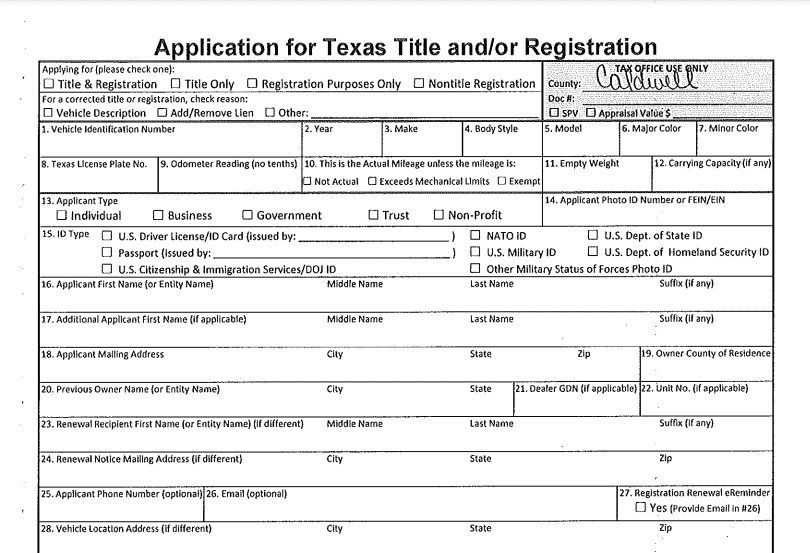
- Submit Your Application and Documents: At the office, you will fill out a Vehicle Registration Application (Form 130-U). The clerk will review your documents and application.
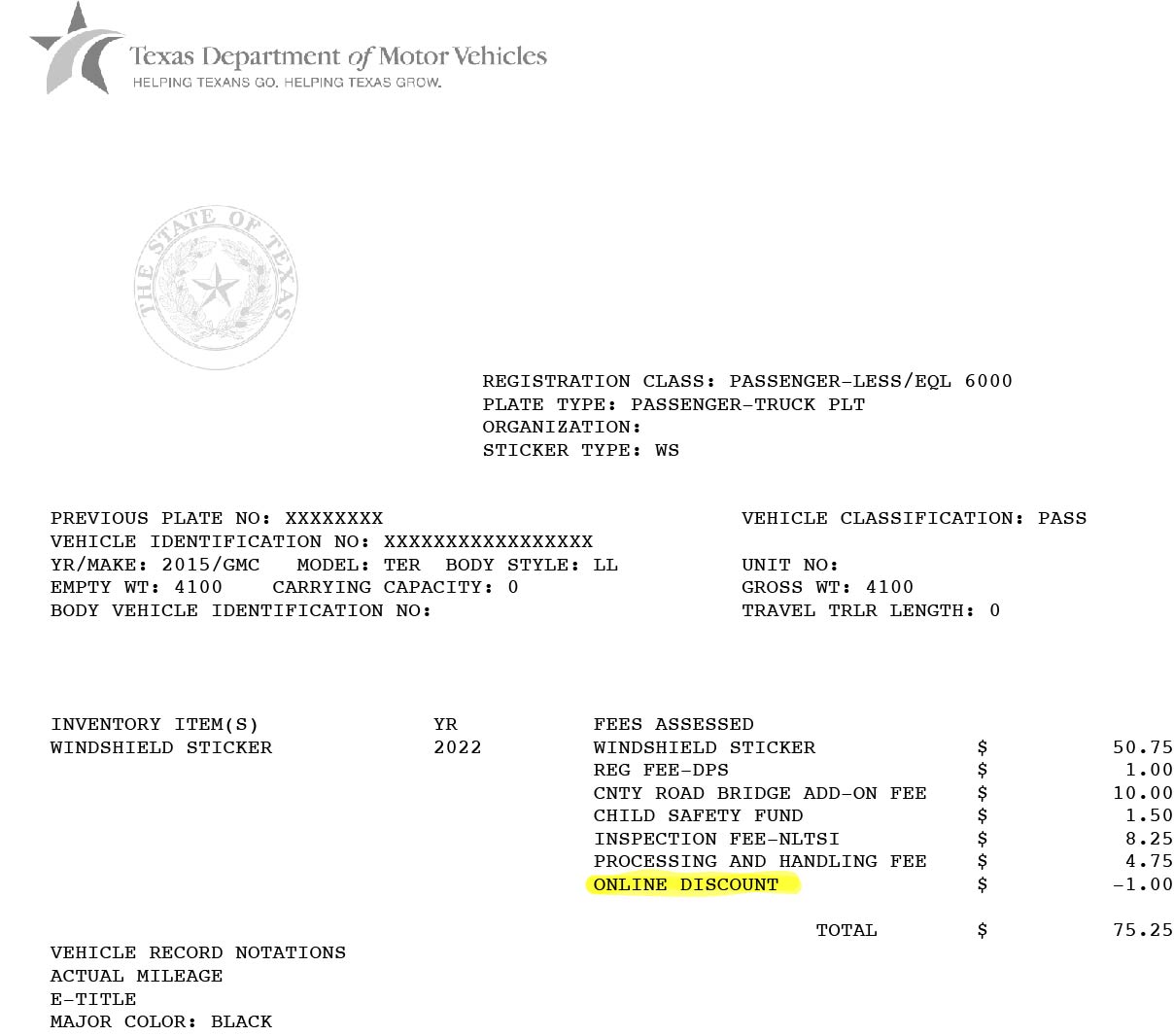
- Pay Fees and Taxes: You will be required to pay all applicable registration fees, county fees, and any outstanding sales tax.
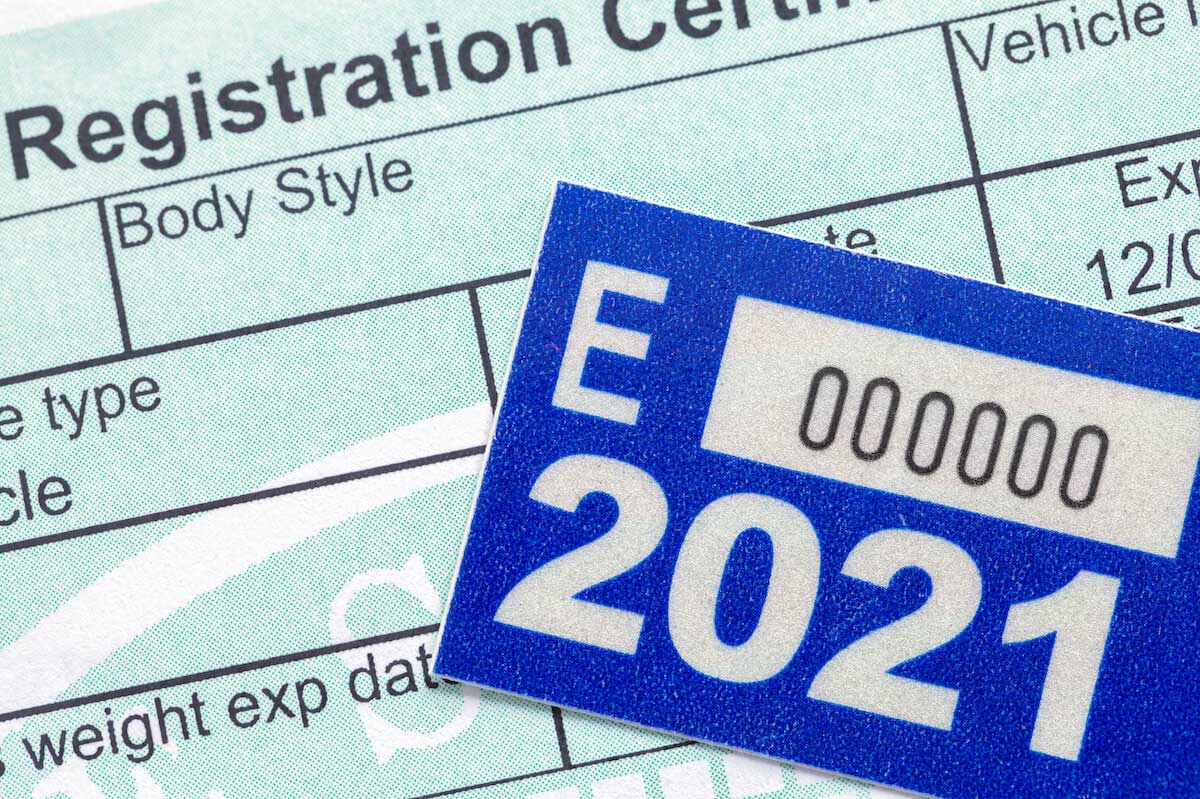
- Receive Your Registration Sticker and Plates: Upon successful completion, you will receive your new Texas vehicle registration sticker to place on your license plate and your updated registration receipt. If you are registering a vehicle for the first time in Texas, you will also receive your license plates.
Option 2: Online Registration Renewal
While initial registration typically requires an in-person visit, Texas offers online renewal for existing registrations, providing a convenient way to keep your vehicle up-to-date, especially if you’re planning a quick getaway or a business stay in another Texas city.
- Eligibility: You can renew your registration online if your vehicle has a current inspection and you have your license plate number and Renewal Notice. You must also be renewing for a vehicle that is already registered in Texas.
- TxDMV Website: Visit the official Texas Department of Motor Vehicles website or the state’s Go-Renew portal.
- Follow the Prompts: You’ll be guided through a secure online process to enter your vehicle information, confirm your insurance, and make payment.
- Receive Sticker by Mail: Your new registration sticker will be mailed to you within a few business days.
Important Considerations and Renewals
Understanding the registration process extends beyond the initial registration. Staying compliant with renewal deadlines and understanding any special circumstances is vital for uninterrupted travel and avoiding penalties. This is as important as knowing the check-out times for your villa or resort.
Vehicle Registration Renewal
Your Texas vehicle registration is valid for one year. You will receive a Renewal Notice in the mail approximately 30-60 days before your registration expires.
- Expiration Date: The expiration date is typically based on your birthday month for personal vehicles, or a set month for commercial vehicles.
- Renewal Options: As mentioned, you can renew online, by mail, or in person at your county tax assessor-collector’s office.
- Late Renewal Penalties: Texas imposes penalties for late registration renewal. It is advisable to renew your registration before it expires to avoid these extra costs. This is similar to avoiding last-minute booking fees for popular attractions.
Special Circumstances
- New Texas Residents: If you are moving to Texas from another state, you have a limited time (typically 30 days from establishing residency) to transfer your out-of-state title and register your vehicle in Texas. You will need to obtain a Texas title, register your vehicle, and get Texas license plates. You will also need to obtain a Texas driver’s license.
- Gifted Vehicles or Inherited Vehicles: The process for transferring ownership of a gifted or inherited vehicle may have specific requirements, often involving an Affidavit of Gifting or other probate documents. Consult with your county tax office for the exact procedures.
- Salvage or Rebuilt Vehicles: Vehicles with a salvage title require additional inspections and documentation before they can be registered in Texas.
Registering your vehicle in Texas is an essential part of becoming a full-fledged resident and enjoying all that the state has to offer, from its diverse local culture and culinary delights to its breathtaking natural landmarks. By following these steps and staying informed, you can ensure your vehicle is always road-ready, allowing you to explore the vast opportunities for travel, experiences, and lifestyle that Texas presents. Whether your adventures take you to the historic missions of San Antonio, the scientific wonders of the Space Center Houston, or the quiet charm of a small Texas town, a properly registered vehicle is your ticket to freedom and discovery.
LifeOutOfTheBox is a participant in the Amazon Services LLC Associates Program, an affiliate advertising program designed to provide a means for sites to earn advertising fees by advertising and linking to Amazon.com. Amazon, the Amazon logo, AmazonSupply, and the AmazonSupply logo are trademarks of Amazon.com, Inc. or its affiliates. As an Amazon Associate we earn affiliate commissions from qualifying purchases.