
Florida, often lauded for its sunny beaches, vibrant cities, and diverse attractions, beckons millions of people each year—not just for vacation, but also for relocation. Whether you’re moving for a new job, retiring to a warmer climate, or simply seeking a change of scenery, establishing your life in the Sunshine State involves a series of practical steps. Among the most crucial for anyone planning to drive is understanding how to register your car. This guide is designed to demystify the process, offering a professional, insightful, and engaging roadmap to ensure a smooth transition and full compliance with Florida vehicle laws, making your Florida lifestyle seamless from the moment you hit the road.
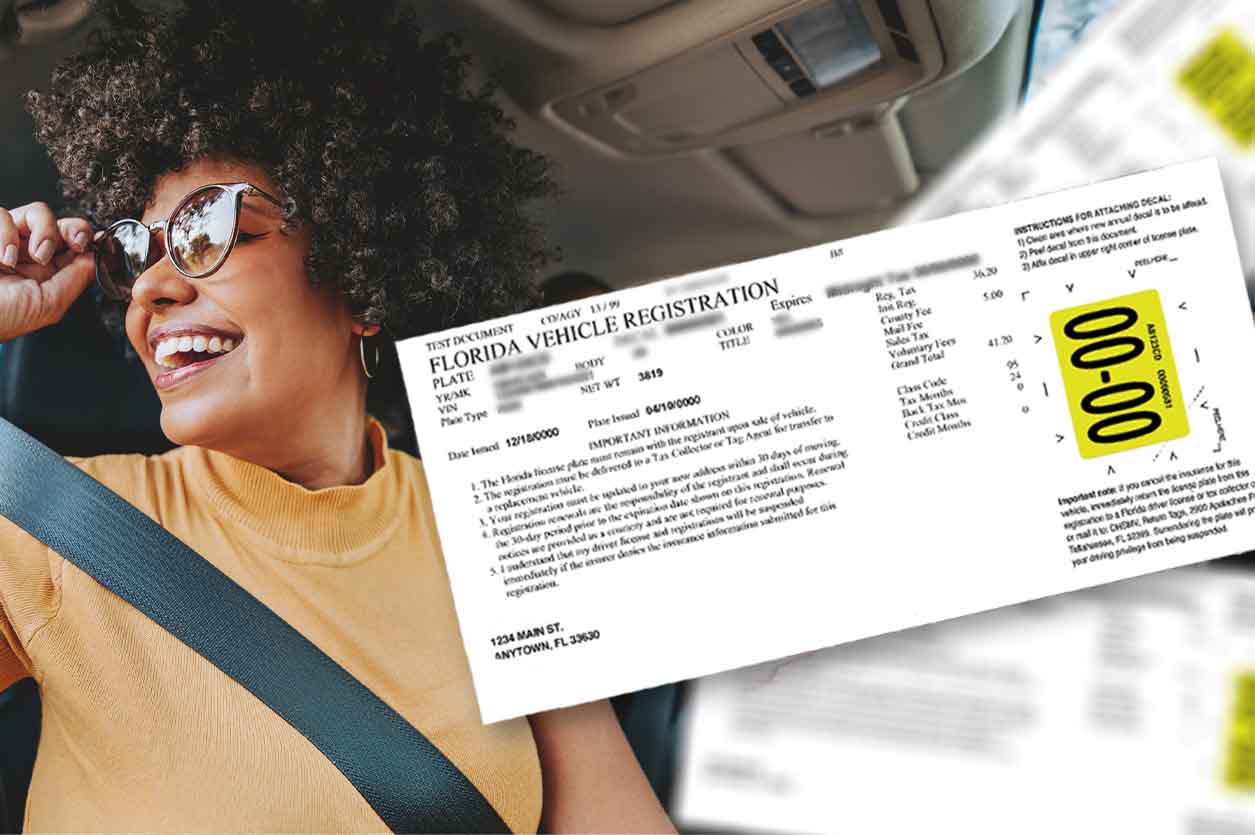
Understanding Florida’s Vehicle Registration Landscape
Navigating the administrative requirements of a new state can often feel daunting, but understanding the basics of Florida’s vehicle registration system is the first step toward a hassle-free experience. The state operates a decentralized system, meaning that while the rules are set at the state level, much of the actual processing happens at the county level, often through your local Tax Collector’s Office. This structure is designed to make services more accessible to residents across the state. Knowing who needs to register and which agencies are involved will significantly streamline your journey.
Who Needs to Register a Vehicle in Florida?
The rules around vehicle registration in Florida are relatively straightforward, primarily designed to ensure that all vehicles operating on public roads within the state are properly documented and insured. If you are a new resident, you are generally required to register your vehicle(s) within 10 days of establishing residency or obtaining employment in Florida. This applies whether you’ve just purchased a vehicle in Florida or are bringing one from another state. Similarly, if you purchase a new or used vehicle from a private seller or dealership within Florida, you must register it in your name. Even seasonal residents, or “snowbirds,” who spend more than 90 consecutive days in Florida may be subject to registration requirements, particularly if they engage in employment or enroll children in public school during their stay. Compliance is not just a legal obligation; it’s a vital part of integrating into the Florida community and ensuring your right to drive.
Key Agencies and Departments
The primary state agency overseeing vehicle registration and driver licensing in Florida is the Florida Department of Highway Safety and Motor Vehicles (DHSMV). However, residents typically interact with their local County Tax Collector’s Office for most vehicle-related transactions, including initial registration, renewals, and obtaining license plates. Each county has its own Tax Collector, and these offices serve as the front line for processing these critical services. While the DHSMV sets the statewide policies and provides oversight, the Tax Collector’s Office is where you will physically complete the necessary paperwork, pay fees, and receive your registration and license plate. It’s advisable to visit your specific county’s Tax Collector website to check office hours, required documents, and any county-specific procedures before your visit, as wait times and service availability can vary. This localized approach aims to provide convenient access to essential services for residents across the state, making the administrative aspects of your Florida lifestyle more manageable.
The Essential Documents and Requirements
Preparing the correct documentation before you visit the Tax Collector’s Office is paramount to a successful and efficient vehicle registration process. Missing even a single required item can lead to significant delays and multiple trips, which can be particularly frustrating when you’re trying to settle into a new environment. Think of this preparation as laying the groundwork for your seamless Florida experience; the better prepared you are, the smoother your integration into the local lifestyle will be. The requirements vary slightly depending on whether you’re bringing a vehicle from out-of-state or registering a newly purchased Florida vehicle, but certain core documents are universally necessary.
Proof of Identity and Residency
To register a vehicle, you must prove both your identity and your Florida residency. For proof of identity, a valid government-issued photo ID, such as a Florida Driver’s License or ID card, is typically required. If you’ve just moved to Florida and haven’t yet obtained a Florida license, your out-of-state driver’s license will usually suffice for identification purposes, though you will eventually need to convert it. Proving Florida residency requires at least two documents that show your name and Florida address. Acceptable documents include a utility bill, a lease agreement or deed, a bank statement, or a voter registration card. These documents confirm that you are a legitimate resident of the state, fulfilling a fundamental requirement for vehicle registration and fully embracing your new Florida lifestyle.
Vehicle Ownership Documentation
Proof of ownership is perhaps the most critical document for vehicle registration. If you’re registering a vehicle you already own and are bringing into Florida from another state, you will need the original vehicle title. It’s crucial that the title is in your name and is free of any liens, or that you have the necessary lien satisfaction documentation if applicable. If a lienholder currently holds your out-of-state title, you will need to provide a copy of your current out-of-state registration along with the lienholder’s name and address so Florida can request the title. For vehicles purchased in Florida, you’ll need the Manufacturer’s Certificate of Origin (MCO) for new vehicles, or the original Florida title, signed over to you, for used vehicles. Additionally, a bill of sale is often required, especially for private party transactions, to verify the purchase price and calculate sales tax. Ensuring your ownership documents are complete and accurate will significantly speed up the registration process.
Florida Auto Insurance Policy
Unlike many other states, Florida has specific requirements for auto insurance that must be met before you can register a vehicle. Florida is a no-fault state, meaning your own insurance covers your injuries in an accident, regardless of who is at fault. Therefore, you must carry a minimum of $10,000 in Personal Injury Protection (PIP) and $10,000 in Property Damage Liability (PDL) coverage. Proof of this Florida-compliant auto insurance policy is mandatory at the time of registration. Your insurance company will typically provide you with an insurance card or declaration page that satisfies this requirement. It’s important to note that out-of-state insurance policies are generally not accepted for Florida vehicle registration; you must obtain a policy from an insurer licensed to do business in Florida that meets the state’s minimum coverage requirements. This ensures financial responsibility on the road and protects your new Florida lifestyle from unexpected liabilities.
Out-of-State Vehicle Specifics (VIN Verification, Odometer Disclosure)
If you are bringing a vehicle into Florida from another state, there are a couple of additional steps to be aware of. The most common is the Vehicle Identification Number (VIN) verification. This verification confirms that the VIN on your vehicle matches the VIN on your title and that the vehicle has not been reported stolen. This can be performed by any Florida law enforcement officer, a notary public, a licensed car dealer, or by a designated employee at a local Tax Collector’s Office. Form HSMV 82042, “Vehicle Identification Number and Odometer Verification,” must be completed. Additionally, for vehicles less than 10 years old, an odometer disclosure statement is required. This ensures the mileage reported is accurate and prevents fraud. These specific steps are crucial for vehicles transitioning from out-of-state and are designed to protect both the consumer and the state’s records, solidifying your car’s legal status within your new Florida lifestyle.
Navigating the Registration Process

With your documents in hand, the actual registration process becomes a series of well-defined steps. While it might seem complex initially, breaking it down into manageable phases makes it far more approachable. Whether you’re registering an out-of-state vehicle or a brand-new purchase within Florida, the core procedures are similar, though specific forms and fees may vary. The ultimate goal is to obtain your Florida license plate and registration certificate, officially marking your vehicle’s compliance and readiness to fully integrate into the Florida landscape. This part of the guide will walk you through what to expect at the Tax Collector’s Office and outline the financial aspects.
Step-by-Step Guide for New Residents
For new residents moving to Florida with an out-of-state vehicle, the process generally involves:
- Gather All Required Documents: As detailed above, ensure you have your proof of identity and residency, original out-of-state title (or lienholder information), Florida auto insurance, and the completed VIN verification (Form HSMV 82042).
- Visit Your Local Tax Collector’s Office: Find the office for your specific county. It’s often advisable to check their website for current hours, appointment requirements, and any specific forms they recommend printing beforehand.
- Submit Paperwork and Pay Fees: A representative will review your documents. If everything is in order, you will pay the required fees, which include initial registration fees, license plate fees, and potentially sales tax if you haven’t paid it in a reciprocal state or if your vehicle was purchased less than six months prior to establishing Florida residency.
- Receive Your License Plate and Registration: Once processed, you will be issued a new Florida license plate, a registration decal to be affixed to the plate, and a registration certificate.
This process ensures that your vehicle is legally recognized, allowing you to seamlessly continue your daily routines as part of your new Florida lifestyle.
Registering a Newly Purchased Vehicle
If you’ve purchased a vehicle in Florida, the registration steps are slightly different, particularly regarding the title transfer:
- Dealership Purchase: If you bought your car from a licensed Florida dealership, they often handle the title transfer, sales tax collection, and initial registration paperwork on your behalf. They will typically issue a temporary tag, and your permanent registration and plate will be mailed to you.
- Private Sale: For a private sale, you are responsible for the entire process.
- Obtain the Signed Title: Ensure the seller properly signs and dates the “Transfer of Title” section on the original Florida title, including the odometer disclosure (if applicable).
- Bill of Sale: Obtain a bill of sale detailing the purchase price, as this is used to calculate sales tax.
- Proof of Insurance: Get your Florida auto insurance in place.
- Visit the Tax Collector’s Office: Bring the signed title, bill of sale, proof of insurance, and your ID to the Tax Collector’s Office within 30 days of purchase to transfer the title into your name and register the vehicle.
- Pay Taxes and Fees: You will pay sales tax (if not already paid), title transfer fees, initial registration fees, and license plate fees.
Regardless of where you bought the vehicle, completing these steps promptly is crucial to avoid penalties and enjoy your new ride within your Florida lifestyle.
Understanding Fees and Taxes
The cost of registering a vehicle in Florida can vary based on several factors, including the type of vehicle, its weight, and whether it’s an initial registration or a renewal.
- Initial Registration Fee: For new residents or those registering a vehicle for the first time in Florida, there’s a first-time registration fee of $225. This “new-to-state” fee helps cover administrative costs and ensures vehicles are properly integrated into the state’s system.
- License Plate Fees: The standard fee for a new license plate is approximately $28, plus an annual renewal fee. Florida offers numerous specialty license plates, which come with additional annual fees that often support specific causes or organizations.
- Title Fees: A title transfer fee (typically around $75.25 for an electronic title) is applied when changing ownership.
- Sales Tax: Florida levies a 6% sales tax on the purchase price of vehicles. If you paid sales tax in another state, you might receive a credit if that state has a reciprocal agreement with Florida, or if the tax was paid within six months of establishing residency. However, if the tax paid out-of-state was less than Florida’s 6%, you would owe the difference.
- Registration Renewal: After the initial registration, vehicles must be renewed annually or biannually, with fees typically ranging from $20 to $100+ depending on the vehicle type and weight. These fees are vital for maintaining Florida’s infrastructure and administrative services, all of which contribute to the quality of your Florida lifestyle.
Important Considerations and Common Pitfalls
While the process of registering your car in Florida is designed to be straightforward, being aware of specific nuances and potential pitfalls can save you time, money, and unnecessary stress. Many states have unique regulations, and Florida is no exception. Understanding these specifics, such as the state’s approach to emissions testing, how renewals work, and strategies for avoiding delays, is part of becoming a savvy resident and fully embracing your new Florida lifestyle.
Emissions Testing (or lack thereof in Florida)
One significant difference between Florida and many other states is the absence of a statewide emissions testing program. This means that unlike in some regions where vehicles must pass an annual emissions inspection to be registered, Florida does not require your car to undergo an emissions test before you can register or renew its registration. This simplifies the process considerably for vehicle owners, removing an extra step and associated cost. While there’s no state-mandated emissions testing, it’s still crucial to ensure your vehicle is in good working order and meets basic safety standards. This lack of emissions testing reflects a legislative choice to streamline vehicle ownership while still promoting environmental responsibility through other means, contributing to the overall convenience of the Florida lifestyle.
Renewal Procedures
Once your vehicle is successfully registered, you’ll need to renew your registration periodically, typically annually or biannually, depending on the vehicle type and your preference. The DHSMV (or your local Tax Collector’s Office) will usually send a renewal notice to your address on file before your registration expires.
Renewal can often be done conveniently online through the DHSMV GoRenew portal, by mail, or in person at a Tax Collector’s Office or authorized tag agency. To renew, you’ll need:
- Your license plate number or vehicle information.
- Proof of valid Florida auto insurance.
- Payment for the renewal fees.
If renewing online or by mail, your new registration decal will be sent to you to affix to your license plate. It’s important to renew on time to avoid late fees and potential penalties. Staying on top of your renewals is a simple yet essential aspect of responsible vehicle ownership and maintaining your seamless Florida lifestyle.

Avoiding Delays and Penalties
To ensure a smooth registration process and avoid unnecessary headaches, several proactive measures can be taken. Firstly, always double-check all documents for accuracy and completeness before heading to the Tax Collector’s Office. Ensure names, addresses, and VINs match exactly across all papers. Secondly, address any liens or title issues proactively; a clear title is essential. If you have a lienholder, be prepared with their contact information for Florida to request the title. Thirdly, secure your Florida insurance policy before attempting to register. Without it, your application will be rejected. Lastly, be mindful of deadlines, especially the 10-day window for new residents to register their vehicles and the 30-day window for title transfer after a private sale. Failing to meet these deadlines can result in fines and other penalties. By taking these precautions, you can navigate the registration process efficiently, avoiding common pitfalls and integrating your vehicle seamlessly into your new Florida lifestyle with confidence and ease.
Registering your car in Florida is a fundamental step toward fully embracing your new lifestyle in the Sunshine State. While it involves a series of administrative tasks, approaching the process with preparation and knowledge will ensure a smooth and successful outcome. By understanding the requirements, gathering your documents diligently, and knowing where to go, you can quickly get your vehicle on the road and begin enjoying all that Florida has to offer, from scenic drives along the coast to convenient commutes within its vibrant communities. Welcome to the Florida lifestyle—where the journey is just as enjoyable as the destination.
LifeOutOfTheBox is a participant in the Amazon Services LLC Associates Program, an affiliate advertising program designed to provide a means for sites to earn advertising fees by advertising and linking to Amazon.com. Amazon, the Amazon logo, AmazonSupply, and the AmazonSupply logo are trademarks of Amazon.com, Inc. or its affiliates. As an Amazon Associate we earn affiliate commissions from qualifying purchases.