
Navigating the complexities of divorce is one of life’s most challenging transitions. For those residing in Louisiana, understanding the specific legal framework is paramount to ensuring a process that is as smooth and fair as possible. This guide offers an insightful, professional overview of how to initiate and manage a divorce in the Pelican State, helping individuals prepare for this significant lifestyle change with clarity and confidence.
Divorce, often referred to as dissolution of marriage, marks a pivotal moment, signaling the end of one life chapter and the beginning of another. It’s a journey that touches every facet of one’s existence – from living arrangements and financial stability to emotional well-being and future aspirations. Approaching this process with informed decision-making is crucial for building a new, sustainable lifestyle post-divorce.
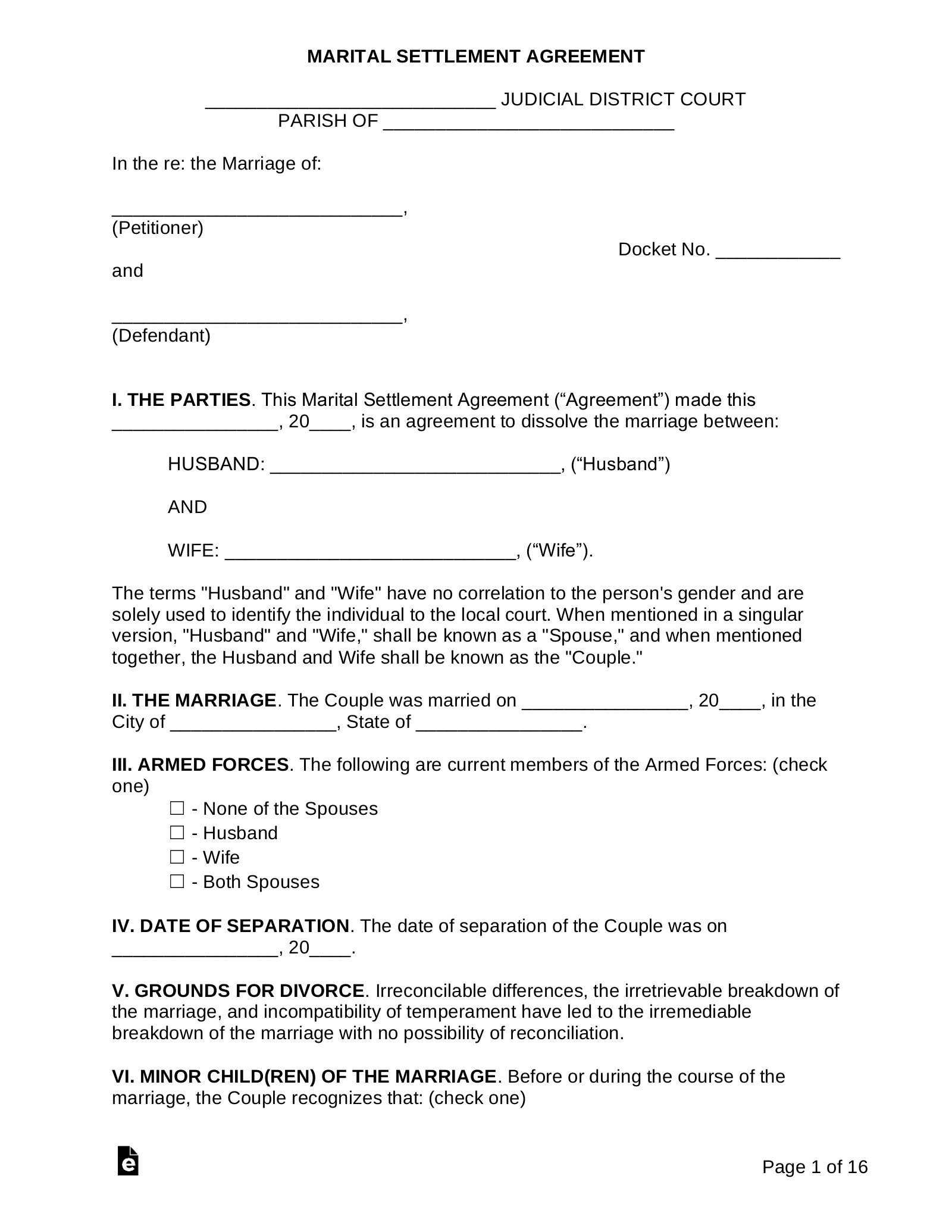
Understanding Louisiana’s Divorce Landscape
Before embarking on the divorce process, it’s essential to grasp the fundamental legal principles that govern divorce in Louisiana. The state operates under a unique legal system, blending elements of common law with civil law traditions, which significantly impacts family law matters. Understanding these foundational aspects is the first step toward effectively managing this substantial life shift.
Grounds for Divorce: Covenant vs. Non-Covenant Marriages
Louisiana recognizes two primary types of marriages: standard (non-covenant) and covenant. The type of marriage determines the grounds available for divorce.
For non-covenant marriages, the most common ground for divorce is living separate and apart for a specified period. This period is typically:
- 180 days if there are no minor children of the marriage or if the parties have minor children and paternity was disputed, or if there was a history of domestic violence or sexual abuse against the spouse or a child.
- 365 days if there are minor children born of the marriage.
Other grounds, though less common for initial filings, can include adultery or felony conviction for certain offenses. The emphasis in Louisiana is on no-fault divorce, meaning one spouse does not necessarily need to prove the other’s wrongdoing; living separate and apart is sufficient.
Covenant marriages, a unique option in Louisiana, require more stringent grounds for divorce, reflecting a commitment to more robust marital counseling and reconciliation efforts. Grounds for divorcing a covenant marriage include:
- Adultery by the other spouse.
- Felony conviction of the other spouse resulting in death or imprisonment.
- Abandonment for one year.
- Physical or sexual abuse of the spouse or a child.
- Living separate and apart for specific durations (e.g., two years, or one year after a judgment of separation).
Most marriages in Louisiana are non-covenant, making the “living separate and apart” period the most frequently utilized pathway to divorce. This legal framework reflects a practical approach to dissolving marriages, recognizing that the breakdown of a relationship often doesn’t require assigning blame.
Residency Requirements
To file for divorce in Louisiana, at least one spouse must meet the state’s residency requirements. Specifically, one of the parties must have been domiciled in Louisiana for at least six months immediately prior to filing the petition for divorce. This ensures that Louisiana has proper jurisdiction over the case. Typically, the divorce will be filed in the parish where either spouse is domiciled. For instance, if one spouse lives in Orleans Parish and the other in Jefferson Parish, the petition can be filed in either. This requirement is crucial for establishing the court’s authority to make decisions regarding the marriage and its dissolution.
Navigating the Initial Steps: Petition and Service
Once the grounds and residency requirements are understood, the practical process of filing begins. This involves drafting and submitting legal documents to the court and formally notifying your spouse of the impending proceedings. These initial steps set the legal wheels in motion for your new lifestyle trajectory.
Filing the Petition for Divorce
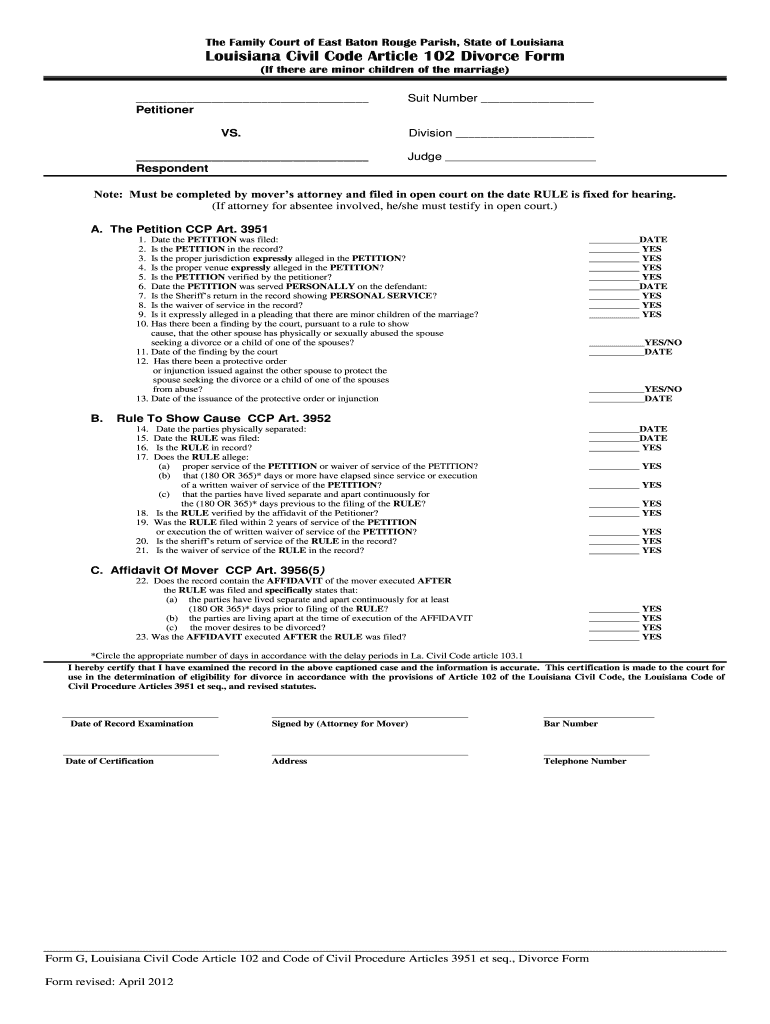
The divorce process officially commences when one spouse, known as the “Petitioner,” files a “Petition for Divorce” with the appropriate district court in Louisiana. This document outlines the basic information about the marriage, identifies the parties, states that the residency requirements are met, and articulates the grounds for divorce (e.g., that the parties have lived separate and apart for the requisite period).
The petition typically requests the court to:
- Grant a divorce.
- Make determinations regarding child custody, visitation, and support (if applicable).
- Divide community property.
- Address spousal support (alimony).
- Grant any other relief the court deems appropriate.
Filing the petition involves paying court fees, which can vary by parish. If a party cannot afford these fees, they may file a motion for “in forma pauperis” (pauper’s oath) to have the fees waived. This initial filing is a critical moment, formalizing the intent to dissolve the marriage and initiating the legal framework for a new independent lifestyle.
Serving Your Spouse
After the petition is filed, the Petitioner must formally notify the other spouse, known as the “Respondent,” that a divorce action has been initiated. This process is called “service of process.” Proper service is legally required to ensure the Respondent has due process and an opportunity to respond to the petition.
Common methods of service include:
- Personal Service: A sheriff’s deputy or a private process server personally delivers the petition and summons to the Respondent. This is the most common and preferred method.
- Domiciliary Service: If the Respondent is not personally available, the documents can be left with a person of suitable age and discretion at their domicile (home).
- Service by Mail: In some circumstances, if personal or domiciliary service is impractical, the court may allow service by certified mail.
- Service by Publication: This is a last resort, typically used when the Respondent’s whereabouts are unknown, and court approval is required.
Once served, the Respondent typically has 15 days (or 30 days if served out of state) to file an “Answer” to the petition, responding to the allegations and stating their own requests to the court. Failure to respond can result in a default judgment, where the court grants the Petitioner’s requests without the Respondent’s input. Proper service ensures both parties are engaged in reshaping their new lifestyle and legal standing.
Key Considerations: Children, Property, and Support
Divorce often involves more than just dissolving the marital bond; it necessitates a comprehensive unbundling of a shared life. This includes critical decisions regarding children, joint assets, and financial support, all of which will profoundly shape the post-divorce lifestyle of both parties.
Child Custody and Support
For divorcing couples with minor children, decisions regarding custody and support are often the most contentious and emotionally charged. Louisiana courts prioritize the “best interest of the child” in all custody determinations. This typically means encouraging both parents to maintain a continuing relationship with their children through joint custody arrangements.
- Custody: Joint custody is presumed to be in the child’s best interest, where both parents share rights and responsibilities. However, one parent may be designated as the “domiciliary parent” (the primary residence), and the other will have a visitation schedule. Sole custody is possible in cases of parental unfitness or danger to the child.
- Child Support: Louisiana uses a statutory guideline formula to calculate child support, primarily based on the parents’ combined adjusted gross income and the number of children. The non-domiciliary parent typically pays support to the domiciliary parent. Deviations from the guidelines are possible but require strong justification.
These arrangements are not just legal mandates; they fundamentally restructure family life and individual lifestyles. Crafting a stable and supportive environment for children during and after divorce is paramount.
Community Property Division
Louisiana is a community property state. This means that assets and debts acquired by either spouse during the marriage are generally presumed to be “community property” and are owned equally by both spouses. Property owned before the marriage or acquired by gift or inheritance during the marriage is typically “separate property” and not subject to division.
Dividing community property involves:
- Identification: Listing all assets (real estate, bank accounts, investments, retirement funds, businesses, vehicles, household items) and debts (mortgages, loans, credit card debt) acquired during the marriage.
- Valuation: Determining the fair market value of each asset and debt.
- Partition: Distributing the assets and debts equally between the spouses. This can be done by mutual agreement (community property settlement agreement) or, if agreement cannot be reached, by court order (judicial partition).
The equitable division of assets and liabilities is a cornerstone for each spouse to establish a new, financially independent lifestyle. It often requires detailed financial analysis and negotiation to ensure a fair outcome.
Spousal Support (Alimony)
Spousal support, often called alimony, is financial assistance paid by one spouse to the other after divorce. Louisiana recognizes two types:
- Interim Spousal Support: Awarded during the divorce proceedings, primarily to maintain the economic status quo until a final divorce judgment is rendered. It considers the needs of the requesting spouse and the ability of the other spouse to pay.
- Final Periodic Spousal Support: Awarded after the final divorce. To receive this, the requesting spouse must demonstrate both a need for support and that they are “free from fault” in the dissolution of the marriage. The amount and duration are determined by various factors, including the earning capacity of each spouse, the duration of the marriage, and the standard of living enjoyed during the marriage.
Spousal support can be crucial for a spouse to adjust their lifestyle and achieve financial self-sufficiency, especially if there’s a significant disparity in earning potential or if one spouse sacrificed their career for the marriage.
The Divorce Process: Uncontested vs. Contested
The trajectory of a divorce can vary significantly depending on the level of agreement between the spouses. Understanding the difference between uncontested and contested divorces is vital for managing expectations and preparing for the procedural journey ahead, which will deeply influence the transition to a new lifestyle.
Uncontested Divorce: A Streamlined Path
An uncontested divorce occurs when both spouses agree on all the key issues related to their divorce, including child custody, child support, spousal support, and the division of community property. This amicable approach is generally the quickest, least expensive, and least stressful way to dissolve a marriage.
In an uncontested divorce:
- The parties typically draft and sign a comprehensive “Community Property Settlement Agreement” and “Consent Judgment” that addresses all their agreements.
- These documents are then submitted to the court, often along with a “Consent Judgment” for divorce (once the separation period is met).
- A judge reviews the agreements to ensure they are fair and in the best interest of any minor children.
- Once approved, the judge issues the final divorce decree based on these agreements.
An uncontested divorce allows both parties to maintain more control over the outcome and design a post-divorce lifestyle that works for them, rather than having a judge impose decisions. It fosters cooperation and can lead to a more positive long-term co-parenting relationship, if applicable.
Contested Divorce: Preparing for Litigation
A contested divorce arises when spouses cannot agree on one or more significant issues. In such cases, the divorce process becomes more adversarial and involves legal proceedings where a judge (or sometimes a jury for specific issues, though rare in family law) ultimately decides the disputed matters.
The process for a contested divorce typically involves:
- Discovery: Each side gathers information from the other through interrogatories (written questions), requests for production of documents, and depositions (out-of-court sworn testimony).
- Motions and Hearings: Parties may file various motions requesting court intervention on temporary issues (e.g., temporary custody, temporary support) before the final trial.
- Mediation: Courts often require or encourage mediation, where a neutral third party helps the spouses negotiate and reach a settlement.
- Trial: If no settlement is reached, the case proceeds to trial, where both parties present evidence and arguments to a judge, who then makes a final ruling on all outstanding issues.
Contested divorces are typically more time-consuming, expensive, and emotionally draining. They require more extensive involvement of attorneys and can delay the ability of both parties to fully embrace and define their new, independent lifestyles.
Finalizing Your Divorce and Moving Forward
Reaching the final judgment of divorce marks the official legal end of a marriage and the beginning of a new chapter. This culmination of the divorce process is not just a legal formality; it’s a profound transition point, allowing individuals to actively reconstruct their lives and forge a distinct personal lifestyle.
The Final Judgment
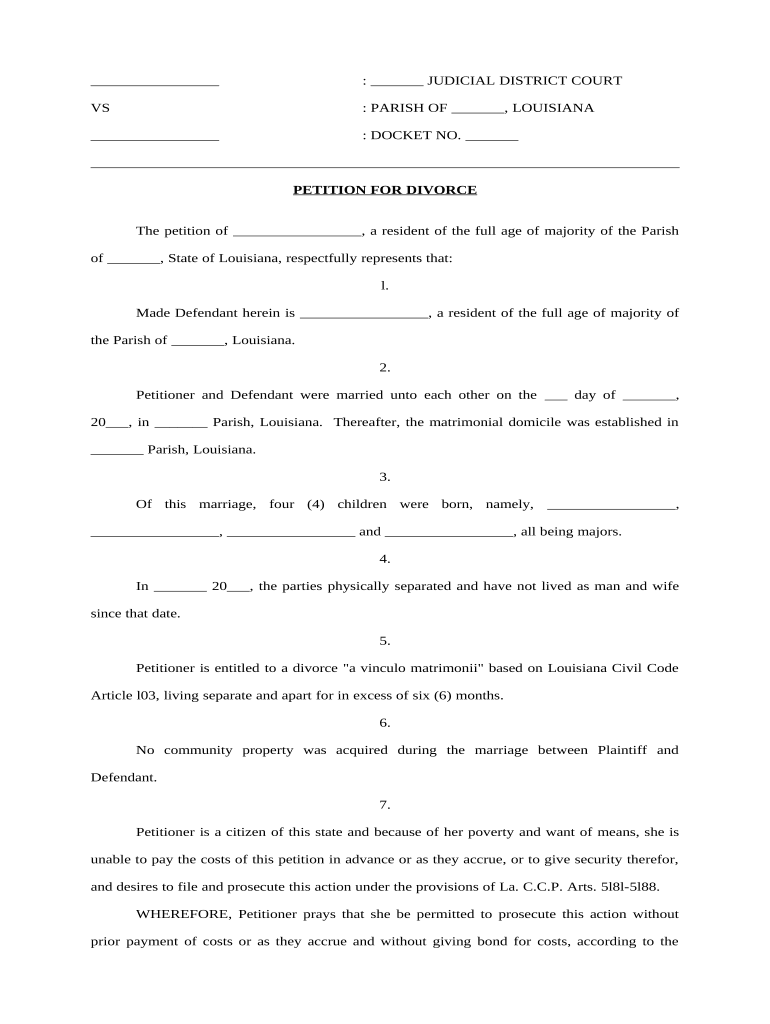
The “Final Judgment of Divorce” is the court order that legally terminates the marriage. It incorporates all the court’s decisions regarding custody, support, and property division, or formalizes the agreements reached by the parties in an uncontested divorce. This document is crucial as it legally empowers individuals to move forward. Once signed by the judge and filed with the clerk of court, the marital status of the parties officially changes to single. It’s imperative to obtain certified copies of the final judgment for various post-divorce administrative tasks, such as changing names on legal documents, updating wills, and revising beneficiaries on insurance policies or retirement accounts. This legal document is the blueprint for your new life structure.
Rebuilding Your Lifestyle Post-Divorce
The period following a divorce is a time for significant personal growth and adaptation. It’s an opportunity to consciously rebuild and reshape one’s lifestyle, focusing on individual well-being and future aspirations.
Key aspects of rebuilding include:
- Financial Reorganization: Establishing separate bank accounts, updating credit profiles, creating new budgets, and potentially seeking financial planning advice to secure long-term stability. This is foundational to an independent lifestyle.
- Housing and Living Arrangements: Deciding on new living situations that align with personal needs, financial capabilities, and, if applicable, child custody schedules.
- Emotional Well-being: Seeking support through therapy, support groups, or trusted friends and family to process the emotional impact of divorce and build resilience. This is crucial for mental and emotional lifestyle adjustments.
- Social Life and Relationships: Redefining social circles, engaging in new activities, and forming new connections that support a positive and fulfilling lifestyle.
- Personal Growth: Focusing on personal hobbies, education, career advancement, or self-care practices that contribute to individual happiness and independence.
Filing for divorce in Louisiana is more than a legal procedure; it’s a journey through a significant life transition. By understanding the process, embracing the necessary legal steps, and proactively planning for the future, individuals can navigate this challenging period with greater control, ultimately emerging ready to build a fulfilling and independent lifestyle.
LifeOutOfTheBox is a participant in the Amazon Services LLC Associates Program, an affiliate advertising program designed to provide a means for sites to earn advertising fees by advertising and linking to Amazon.com. Amazon, the Amazon logo, AmazonSupply, and the AmazonSupply logo are trademarks of Amazon.com, Inc. or its affiliates. As an Amazon Associate we earn affiliate commissions from qualifying purchases.