
Navigating the administrative requirements of a new state can be a significant part of establishing your lifestyle, especially when it comes to essential tasks like vehicle registration. For those moving to or residing in Alabama, understanding the nuances of car registration is crucial for legal compliance and smooth daily operation. This guide provides a comprehensive overview of the process, ensuring you have all the necessary information to register your vehicle correctly and efficiently within the Heart of Dixie.
Understanding Alabama’s Vehicle Registration Process
Registering a car in Alabama involves a multi-step process managed primarily at the county level. While the state’s Department of Revenue (DOR) sets the overarching guidelines, the actual registration is handled by local officials. This decentralized approach means that while the core requirements are uniform, specific procedures or accepted payment methods might vary slightly from one county to another.
Who Needs to Register?
Any resident of Alabama operating a motor vehicle on public roads must have their vehicle properly registered and tagged. This applies to:
- New residents: If you’ve recently moved to Alabama from another state, you are generally required to register your vehicle within 30 days of establishing residency.
- New vehicle purchases: Whether buying from a dealership or a private seller, new vehicles (or newly acquired used vehicles) must be registered in the buyer’s name.
- Existing residents with expiring registrations: Vehicle registrations in Alabama must be renewed annually.
Failure to register your vehicle or renew your registration can result in fines, penalties, and even impoundment of your vehicle.
Key Departments Involved
The primary entities responsible for vehicle registration in Alabama are:
- Alabama Department of Revenue (DOR), Motor Vehicle Division: This state agency establishes the rules and regulations for vehicle titling and registration. While they don’t directly handle public registration, their website is an invaluable resource for forms, guidelines, and fee schedules.
- Your Local County Probate Office or County License Plate Issuing Official: These are the offices where you will physically go to complete your vehicle registration. In most counties, this function is performed by the Probate Judge or the License Commissioner. It’s always advisable to check your specific county’s website for their exact location, hours of operation, and any unique local requirements. For example, residents in Jefferson County, Mobile County, or Montgomery County would consult their respective county offices.
Essential Documents Required
Before visiting your local county office, gathering all necessary documents is paramount. Having everything in order will significantly expedite your registration process. While requirements can vary slightly depending on whether your vehicle is new, used, or from out of state, the following are generally required:
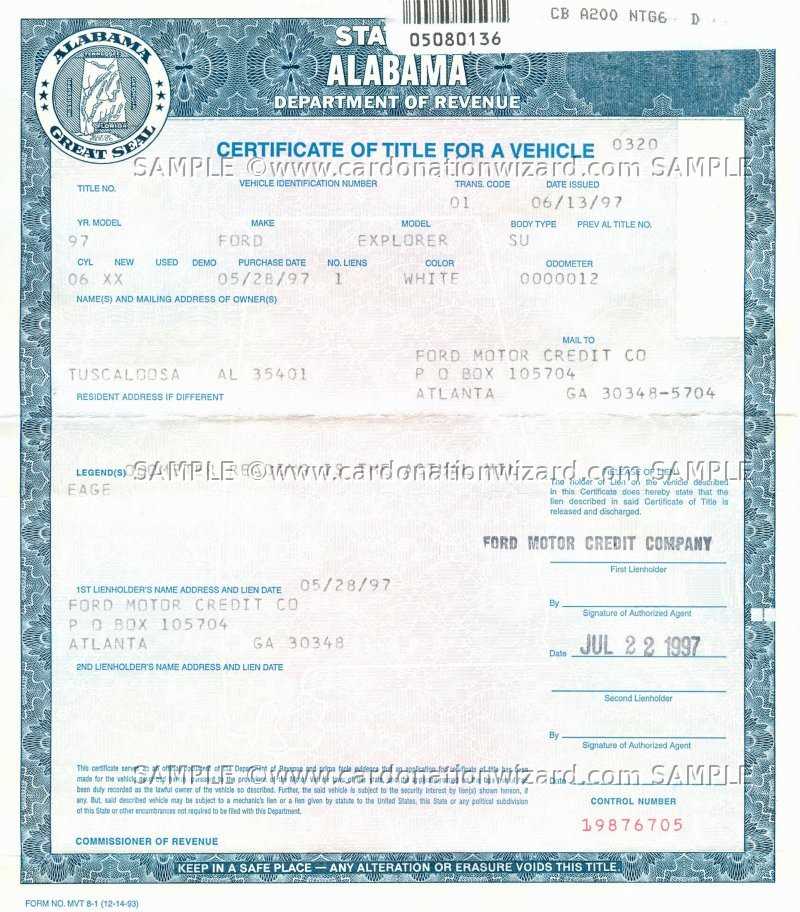
Proof of Ownership (Title, Bill of Sale)
This is the most critical document.
- For new vehicles purchased from a dealership: You will typically need the Manufacturer’s Statement of Origin (MSO) or Manufacturer’s Certificate of Origin (MCO), along with the Bill of Sale. The dealership often handles the initial titling paperwork.
- For used vehicles purchased from a private seller: You must present the properly assigned certificate of title from the previous owner. Ensure the title is signed by the seller(s) and that your name appears as the buyer. A Bill of Sale is also highly recommended, detailing the purchase price, date, and signatures of both parties.
- For vehicles from out of state: You will need your out-of-state title. If your vehicle is financed and the lienholder holds the title, you will need to provide your out-of-state registration certificate and the lienholder’s name and address. Your Alabama county office will then initiate the process to obtain the title from your lienholder.
- For lienholders/leases: If there is a lienholder on your vehicle, their information will be recorded on the title. If you are leasing a vehicle, you will need to provide the lease agreement and a Power of Attorney from the leasing company authorizing you to register the vehicle.
Proof of Insurance
Alabama’s Mandatory Liability Insurance Law requires all vehicles to carry at least minimum liability insurance. You must provide proof of current liability insurance for your vehicle at the time of registration. This can be your insurance card, a copy of your policy, or a digital verification.
Identification and Residency Verification
You will need a valid form of identification, typically an Alabama driver’s license or state-issued ID. For new residents, proof of Alabama residency may also be required, such as a utility bill, lease agreement, or mortgage statement.
Other Potential Documents
- Odometer Disclosure Statement: Often required for vehicles less than 10 years old, this document verifies the vehicle’s mileage at the time of sale. It’s frequently incorporated into the title document or Bill of Sale.
- Vehicle Inspection: While Alabama does not have statewide vehicle safety or emissions inspections, some counties may require a physical inspection of the Vehicle Identification Number (VIN) for out-of-state vehicles to verify its authenticity. Check with your local county office beforehand.
- Current Registration (for renewals or transfers from out-of-state): Your expired Alabama registration or your current out-of-state registration.
Step-by-Step Registration Guide
Once you have gathered all your documentation, the registration process in Alabama generally follows these steps:
Gather Your Documents
As detailed above, ensure you have your title (or MSO/MCO), Bill of Sale, proof of insurance, and valid identification readily available. Making copies of all documents for your records is also a good practice.
Visit Your Local County Office
Head to your county’s County Probate Office or County License Plate Issuing Official. Many counties offer online appointment scheduling, which can save you significant waiting time. Be prepared for potentially long queues during peak hours.
Upon arrival, you will present your documents to a clerk. They will review your paperwork, verify your identity, and process the application for your Alabama title and registration. If your vehicle is from out-of-state, they may conduct a VIN verification or instruct you on how to get one.
Pay Fees and Taxes
You will be required to pay several fees and taxes during the registration process:
- Registration Fee: This annual fee varies slightly depending on the type of vehicle (passenger car, truck, motorcycle, etc.).
- Plate Fee: A fee for the physical license plate.
- Ad Valorem Tax: This is a property tax assessed on your vehicle. The amount is based on the vehicle’s value and varies by county. You will typically pay this upfront for the current year. New residents might pay a pro-rated amount.
- Issuance Fee: A small fee for the administrative service.
- Title Fee: If a new title is being issued (e.g., for new residents or newly purchased vehicles), there will be a separate title application fee.
Payment methods vary by county; most accept cash, checks, and major credit/debit cards, but it’s wise to confirm beforehand.
Receive Your License Plate and Decal
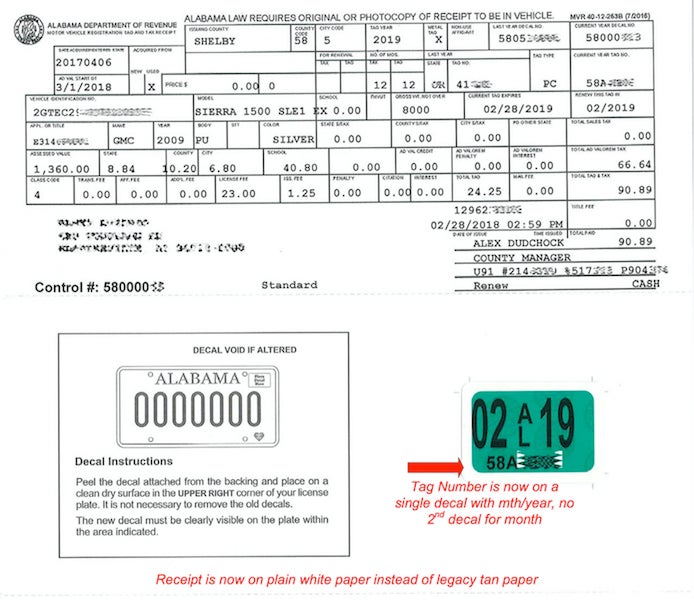
Once all documents are verified and fees are paid, you will be issued a new Alabama license plate and a registration decal. The decal must be affixed to your license plate in the designated area. Your registration receipt will serve as temporary proof of registration until your official title certificate is mailed to you (if applicable). Keep your registration receipt and insurance card in your vehicle at all times.
Special Considerations for New Residents
Moving to Alabama brings specific requirements beyond just registering your car. Integrating your vehicle into your new lifestyle seamlessly requires attention to these details.
Out-of-State Titles
If your vehicle has an out-of-state title that is held by a lienholder, the county office will initiate a request for the title to be sent to Alabama. This process can take several weeks, but you will typically be issued a temporary tag or a standard plate with the understanding that the title transfer is in progress. Ensure you provide accurate lienholder information.
Driver’s License Requirements
While not strictly part of car registration, obtaining an Alabama driver’s license is a co-requisite for new residents. You generally have 30 days after establishing residency to obtain an Alabama driver’s license. You will need to present proof of identity, social security number, and two proofs of residency. Some offices may require your Alabama driver’s license before processing your vehicle registration.
Time Limits for Registration
As a new resident, you are expected to register your vehicle within 30 days of establishing residency in Alabama. This timeframe ensures you are compliant with state laws and avoid potential penalties. It’s advisable to prioritize this task shortly after moving.
Maintaining Your Vehicle Registration
Registration isn’t a one-time event; it’s an ongoing responsibility that’s a part of responsible vehicle ownership in Alabama.
Annual Renewals
Alabama vehicle registrations are renewed annually. The renewal month is determined by the first letter of the registered owner’s last name (or company name for businesses). You will typically receive a renewal reminder notice by mail. Renewals can often be completed online, by mail, or in person at your county’s license plate issuing office. Always ensure your insurance is current before renewing.
Title Transfers and Changes
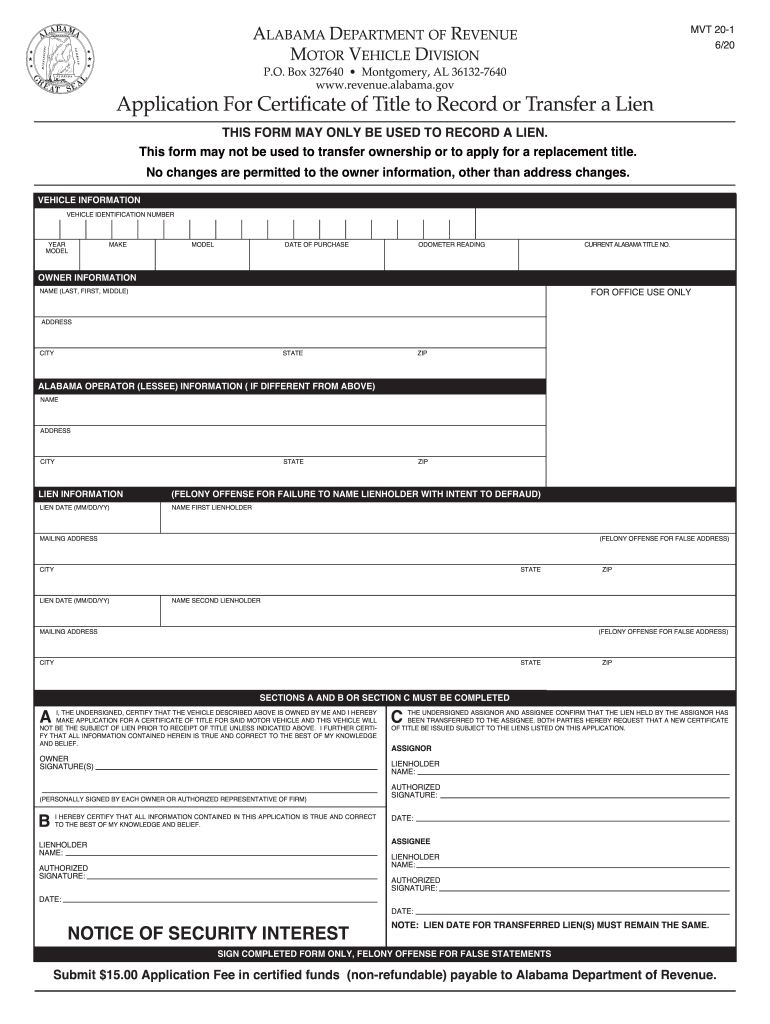
If you sell your vehicle, move to a different county within Alabama, or have changes to your vehicle’s ownership (e.g., adding or removing a lienholder), you will need to update your vehicle’s title and/or registration. These processes generally involve similar documentation and visits to your local county office.
Penalties for Non-Compliance
Operating an unregistered vehicle, or one with an expired registration, carries penalties. These can range from fines and fees to traffic citations and, in some cases, your vehicle being impounded. Additionally, driving without valid insurance, a direct requirement for registration, can lead to severe penalties, including license suspension. Staying organized and proactive with your vehicle registration ensures you remain a compliant and responsible resident of Alabama.
LifeOutOfTheBox is a participant in the Amazon Services LLC Associates Program, an affiliate advertising program designed to provide a means for sites to earn advertising fees by advertising and linking to Amazon.com. Amazon, the Amazon logo, AmazonSupply, and the AmazonSupply logo are trademarks of Amazon.com, Inc. or its affiliates. As an Amazon Associate we earn affiliate commissions from qualifying purchases.