
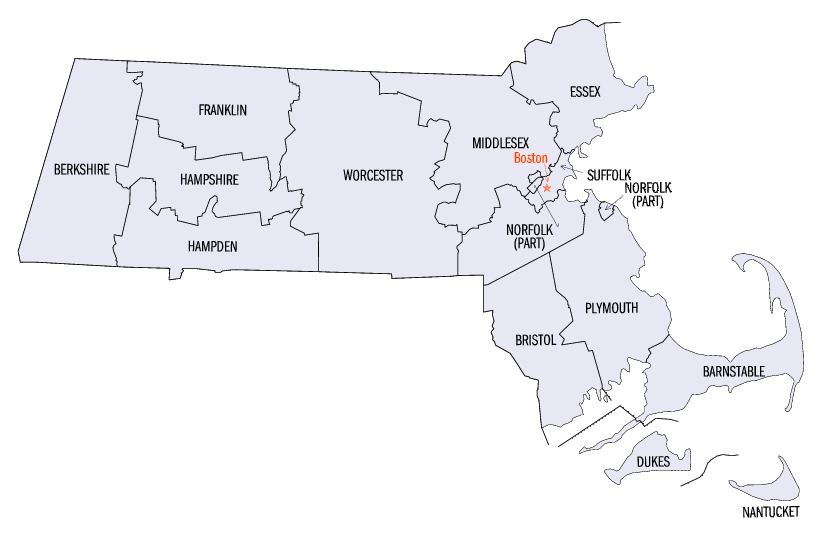
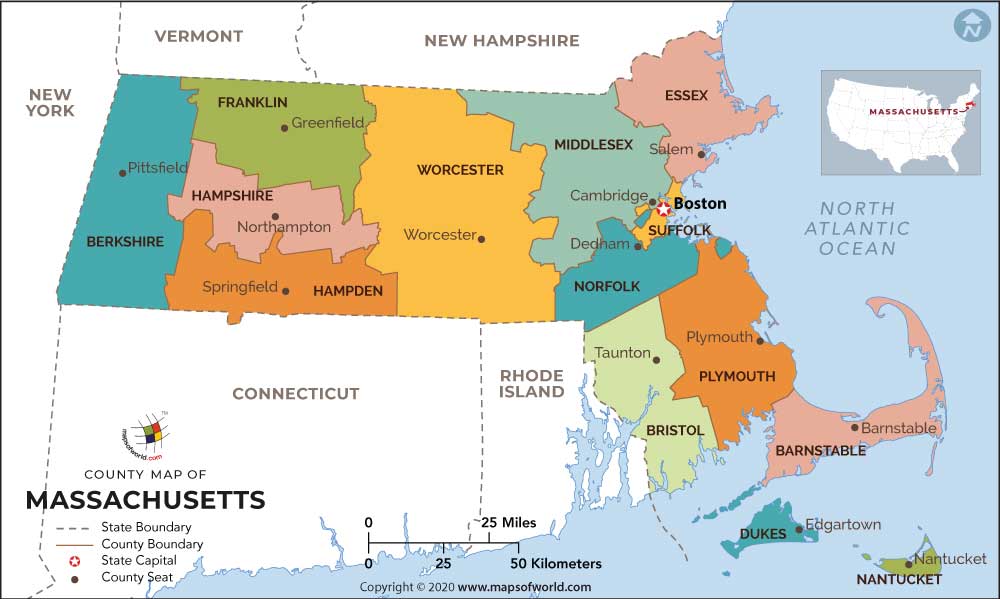
For any traveler planning a visit to the historic and vibrant city of Boston, understanding its geographical context is key to unlocking a richer and more informed exploration. The answer to “Which county is Boston in?” is definitive and central to its identity: Boston is the county seat of Suffolk County, Massachusetts. This seemingly simple fact carries profound implications for navigating the city, discovering its hidden gems, and appreciating its unique blend of history, culture, and modernity.
Unveiling Boston’s Geographical Heart: Suffolk County
Suffolk County is not only home to Boston but also encompasses the cities of Chelsea, Revere, and the town of Winthrop. While Boston undoubtedly dominates the county’s reputation, the proximity of these smaller municipalities offers additional layers to the traveler’s experience, often revealing local flavors and perspectives distinct from the bustling urban core. Understanding the boundaries of Suffolk County helps visitors grasp the extent of the metropolitan area and how interconnected these communities truly are.
Why Location Matters for Travelers
Knowing that Boston resides within Suffolk County is more than just a piece of trivia; it’s a practical guidepost for travel planning. For instance, when searching for accommodations, specific events, or local services, understanding the county can help narrow down searches and ensure relevance. Furthermore, transportation networks, local governance, and even certain cultural initiatives are often structured along county lines. For those flying into the region, Logan International Airport, a major gateway, is conveniently located within Suffolk County, offering seamless access to downtown Boston and its immediate surroundings. This means less time commuting from outside the primary travel zone and more time immersing oneself in the destination.
The Historical Significance of Suffolk County
Suffolk County is steeped in American history, its very formation intertwined with the early colonial period. Established in 1643, it is one of the original four counties of the Massachusetts Bay Colony. Its historical significance is palpable in Boston’s streetscapes, from the cobblestone paths of the North End to the grand federalist architecture of Beacon Hill. Much of the Freedom Trail, an iconic walking tour of revolutionary sites, is contained within Suffolk County, allowing travelers to literally walk in the footsteps of history. This deep historical roots mean that the county is not just a geographical designation but a living museum, offering countless opportunities for educational and immersive travel experiences centered around key moments in American history.
Exploring Beyond Downtown: Attractions Within Suffolk County
While Boston’s downtown core and its famous neighborhoods like Back Bay and the North End are undeniably primary draws, Suffolk County itself is a treasure trove of attractions. A focused exploration within the county boundaries reveals a diverse tapestry of historical sites, cultural institutions, and recreational spaces.
Iconic Landmarks and Cultural Hubs
Within Suffolk County, travelers will find an unparalleled concentration of landmarks. The Freedom Trail, for instance, weaves through downtown Boston, guiding visitors to 16 historically significant sites, including the Paul Revere House, Old North Church, and Faneuil Hall. Nearby, Quincy Market offers a vibrant culinary experience. For art enthusiasts, the Museum of Fine Arts and the Isabella Stewart Gardner Museum, both world-class institutions, are easily accessible. The New England Aquarium, a leading center for marine exploration and conservation, is also situated within Suffolk County’s coastal expanse. Beyond Boston proper, the city of Chelsea, though smaller, has its own emerging arts scene and historical architecture, offering a glimpse into a different facet of urban Suffolk County life.
Green Spaces and Waterfront Wonders

Despite its urban density, Suffolk County boasts remarkable green spaces and picturesque waterfronts. Boston Common and the adjacent Public Garden form the green heart of Boston, offering serene escapes, swan boat rides, and ample space for relaxation. The Emerald Necklace, a chain of parks designed by Frederick Law Olmsted, extends into Suffolk County, providing miles of walking and biking trails. The revitalized Boston Harborwalk stretches along the waterfront, connecting various neighborhoods and offering stunning views of the harbor and cityscape. From the Seaport District, visitors can embark on ferry trips to the Boston Harbor Islands National and State Park, an incredible natural escape just a short boat ride away. Even in Revere, Revere Beach offers a classic seaside experience as America’s first public beach, proving that diverse natural attractions exist throughout the county.
Navigating Boston and Suffolk County: A Traveler’s Guide
Understanding the geography of Suffolk County also facilitates efficient travel within and around Boston. The compact nature of the county, combined with its robust transportation infrastructure, makes exploration remarkably convenient for visitors.
Public Transportation and Accessibility
The Massachusetts Bay Transportation Authority, affectionately known as the MBTA or “the T,” provides extensive subway, bus, and commuter rail services that cover not just Boston but also reach into Chelsea, Revere, and Winthrop. This integrated system makes it easy to move between attractions within Suffolk County without needing a car, allowing travelers to save on parking and experience the city like a local. Walking is also highly encouraged, especially in historic neighborhoods, while ride-sharing services and taxis are readily available. For those arriving by air, the short distance from Logan International Airport to downtown Boston means travelers can be exploring within minutes of landing, with options ranging from airport shuttles to water taxis.
Day Trips and Nearby Explorations
While Suffolk County offers more than enough to fill any itinerary, its central location in eastern Massachusetts also makes it an ideal base for day trips to other iconic destinations. Just across the Charles River lies Cambridge, home to Harvard University and MIT, a city bursting with academic charm and intellectual vibrancy. Historical towns like Salem, known for its witch trials history, or Plymouth, site of the Pilgrims’ landing, are easily reachable by car or commuter rail. Even longer excursions to Cape Cod are feasible, demonstrating Boston’s strategic position as a hub for exploring the broader New England region.
Embracing the Local Experience: Events and Culture
The cultural pulse of Suffolk County is incredibly strong, offering visitors countless opportunities to immerse themselves in local life, from world-class sporting events to diverse culinary scenes. The county’s historical depth and contemporary vibrancy combine to create a dynamic travel experience.
Seasonal Festivities and Sporting Events
Throughout the year, Suffolk County hosts a myriad of events that captivate both residents and visitors. Spring brings the Boston Marathon, a globally recognized athletic event. Summer is vibrant with outdoor concerts, festivals, and the Fourth of July celebrations on the Charles River Esplanade. Fall ushers in spectacular foliage and harvest festivals, while winter brings holiday markets and ice skating on the Frog Pond in Boston Common. Sports fans will find themselves in a mecca, with teams like the Boston Red Sox playing at historic Fenway Park, the Boston Celtics and Boston Bruins at the TD Garden. These events provide a fantastic opportunity to experience the passionate local culture firsthand.
Culinary Adventures and Neighborhood Charms
Suffolk County’s culinary landscape is as diverse as its history. The North End offers an authentic Italian experience, with generations-old bakeries, trattorias, and cafes. The Seaport District is renowned for its upscale dining and fresh seafood, while Chinatown boasts an array of Asian cuisines. Beyond Boston, Chelsea has a growing reputation for its Latin American food scene, offering a taste of its diverse community. Each neighborhood within Suffolk County has its own distinct charm and character, from the historic brownstones of Beacon Hill to the artistic enclaves of the South End. Exploring these areas provides a deeper understanding of the local fabric and allows travelers to discover unique shops, galleries, and community spaces. The specific location of Boston within Suffolk County is thus not merely a geographical detail, but a foundational element that shapes every aspect of a visitor’s journey through this remarkable corner of New England.
LifeOutOfTheBox is a participant in the Amazon Services LLC Associates Program, an affiliate advertising program designed to provide a means for sites to earn advertising fees by advertising and linking to Amazon.com. Amazon, the Amazon logo, AmazonSupply, and the AmazonSupply logo are trademarks of Amazon.com, Inc. or its affiliates. As an Amazon Associate we earn affiliate commissions from qualifying purchases.