
The open road, a symbol of freedom and endless possibilities, is an integral part of the Californian dream. From cruising along the scenic Pacific Coast Highway to exploring the vibrant cityscapes of Los Angeles and San Francisco, a driver’s license in California is more than just a piece of plastic; it’s a gateway to experiences, livelihoods, and the independent lifestyle many cherish. However, that freedom can abruptly come to a halt if your license is suspended. A suspended license in the Golden State isn’t just an inconvenience; it can derail travel plans, complicate daily life, and severely impact your overall lifestyle. Understanding the nuances of license suspension and, crucially, the path to reinstatement, is vital for anyone living in or frequently visiting this beautiful state. This comprehensive guide will walk you through the process, helping you navigate the complexities and get back behind the wheel, ready for your next adventure.
Understanding License Suspension: The Roadblock to Your California Adventures
A suspended license can feel like an abrupt stop sign on the highway of life, particularly in a state as car-centric as California. The implications extend far beyond simply not being able to drive; they touch upon your independence, your ability to access amenities, and significantly impact how you experience travel and even daily living. Before delving into the reinstatement process, it’s crucial to understand why a license might be suspended and the ripple effect this can have on your personal and professional life.
Common Causes: Why Your License Might Be Suspended
Several infractions and administrative issues can lead to a license suspension in California. While driving under the influence (DUI) offenses are perhaps the most well-known cause, they are far from the only reason. Other common culprits include:
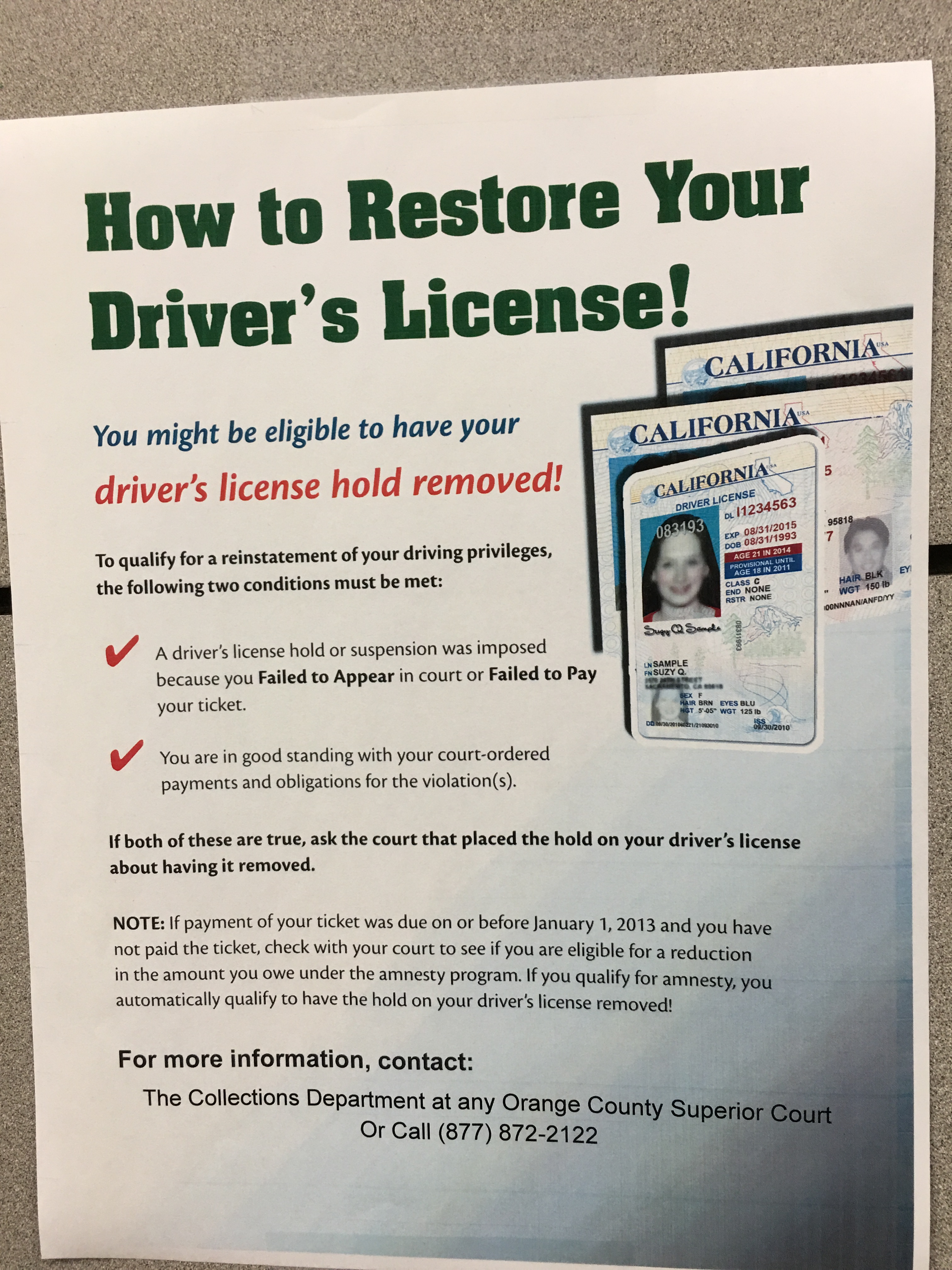
- Failure to Appear in Court or Pay Fines: If you receive a traffic ticket and fail to appear in court on the designated date or neglect to pay the associated fines, the court can notify the Department of Motor Vehicles (DMV), leading to an automatic suspension of your driving privileges. This is often an oversight that snowballs into a larger problem.
- Failure to Maintain Auto Insurance (SR-22 Requirement): California law mandates that all drivers maintain minimum liability insurance. If your insurance lapses or you are caught driving without proof of insurance, your license can be suspended. Furthermore, for certain violations (like DUIs or serious accidents), you may be required to obtain an SR-22 certificate of insurance, which proves you have high-risk coverage. Failure to maintain SR-22 can also result in suspension.
- Driving Under the Influence (DUI): This is one of the most serious offenses, resulting in both administrative per se suspensions (by the DMV, even before a court conviction) and court-ordered suspensions. The length of suspension varies based on prior offenses and the severity of the incident.
- Accumulation of Traffic Points: The California DMV operates on a point system. If you accumulate too many points within a specific timeframe (e.g., 4 points in 12 months, 6 points in 24 months, or 8 points in 36 months), your license may be suspended or revoked under the “negligent operator” designation. These points are typically accrued from moving violations like speeding, reckless driving, or at-fault accidents.
- Unpaid Child Support: In some cases, if you are delinquent on child support payments, the courts can request the DMV to suspend your license until the arrears are paid or a payment plan is established.
- Medical Conditions: If the DMV receives notification from a physician or law enforcement that you have a medical condition that could impair your ability to drive safely, your license may be suspended pending a medical review.
Understanding the specific reason for your suspension is the critical first step toward reinstatement. The process and requirements will vary significantly depending on the nature of the offense.
The Far-Reaching Impact on Your Lifestyle and Travel Plans
A suspended license in California impacts nearly every facet of your life, from the mundane commute to grand travel aspirations. Imagine planning a spontaneous weekend getaway to Lake Tahoe or a wine-tasting tour through Napa Valley – suddenly, those plans become incredibly complicated or even impossible without a vehicle.
- Daily Commute and Work: For many, driving is essential for commuting to work, especially outside of major metropolitan areas with extensive public transportation. A suspension can lead to job loss, difficulty finding new employment, or a significant increase in commuting time and cost if relying on ride-sharing services, taxis, or friends. This directly affects your financial stability and long-term lifestyle.
- Travel and Exploration: California is a state built for road trips, with iconic destinations like Yosemite National Park, Big Sur, and Death Valley National Park often only accessible by car. A suspended license means postponing or entirely canceling these dream trips. Even within cities like San Diego or Sacramento, getting to specific landmarks such as the Gaslamp Quarter or Old Sacramento becomes a logistical puzzle. Your ability to enjoy local culture, explore diverse cuisines, or visit distant relatives is severely hampered.
- Accommodation Choices: When planning a trip, proximity to public transport often isn’t the primary consideration for drivers. With a suspended license, however, your choice of hotel, resort, or vacation rental becomes heavily dictated by accessibility. Booking a charming villa in a remote area of Malibu might be out of the question, as you’d be entirely isolated. Instead, you might opt for accommodations near major transit hubs or those offering shuttle services, which can limit your options and potentially increase costs.
- Social Life and Independence: Running errands, picking up groceries, attending social events, or simply enjoying the freedom of a spontaneous drive becomes a challenge. This loss of independence can be frustrating and isolating, affecting your mental well-being and overall quality of life.
The financial toll can also be significant, factoring in fines, increased insurance premiums, public transport costs, and potential loss of income. Reinstating your license isn’t just about adhering to the law; it’s about reclaiming your freedom and resuming the lifestyle you desire.
Navigating the Reinstatement Process: Your Map Back to Mobility
The idea of reinstating a suspended license can seem daunting, but it is a clear, step-by-step process. Each type of suspension has specific requirements, and understanding these is your roadmap back to legal driving. Proactive engagement with the California DMV and relevant courts is key to minimizing delays and restoring your driving privileges as quickly as possible.
Step-by-Step Guide to Clearing Your Suspension
While the exact steps vary based on the reason for suspension, a general outline for reinstatement typically includes:
- Identify the Cause and Duration of Suspension: This is your first and most critical step. Contact the California DMV by phone, online, or in person at a local office. Request your driving record and detailed information regarding your suspension. This will tell you why your license was suspended, the specific requirements for reinstatement, and the length of the suspension period. You’ll need to know if it’s a court-ordered suspension, a DMV administrative suspension, or both.
- Satisfy All Outstanding Requirements: This is where the specific details of your suspension come into play.
- For unpaid fines/failure to appear: You will need to contact the relevant court to clear any outstanding tickets, pay fines, or resolve any warrants. The court will then notify the DMV that your “hold” has been lifted.
- For DUI-related suspensions: This typically involves completing a court-ordered alcohol or drug education program, paying fines, and serving the full suspension period. You may also be required to install an Ignition Interlock Device (IID) in your vehicle for a specified period.
- For negligent operator suspensions (point accumulation): You might need to serve the full suspension period and potentially attend traffic school.
- For insurance lapses: You will need to obtain valid liability insurance and provide proof to the DMV. If an SR-22 was required, you must file that with the DMV.
- Pay Reinstatement Fees: The DMV charges a fee to reinstate your license. This fee can vary, and there might be additional fees depending on the specific violations. Be prepared for this financial commitment.
- Complete a Driver License Reinstatement Form (DL 165): While not always a standalone requirement for every suspension type, it’s good practice to ensure all necessary forms are completed and submitted. The DMV will guide you on which forms are pertinent to your case.
- Reapply for Your License (if necessary): In some cases, particularly after longer suspensions or revocations, you may need to reapply for a new driver’s license. This might involve retaking the written knowledge test and the driving skills test. The DMV will inform you if this is required.
- Receive Your Reinstated License: Once all requirements are met and fees paid, the DMV will process your reinstatement. You will typically receive an official notice or a new license in the mail. It’s crucial not to drive until you have confirmed your license is officially reinstated and you have physical proof.
Throughout this process, maintaining clear communication with both the DMV and any relevant court is paramount. Keep detailed records of all correspondence, payments, and completed programs.
Essential Documentation and Fees for Reinstatement
Preparing the necessary documents and understanding the associated fees can streamline the reinstatement process. Being organized will save you time and frustration.
- Proof of Identity and Residency: You’ll likely need your California ID card or passport, and documents proving your California residency (utility bills, rental agreements).
- Proof of Insurance: Valid liability insurance is a must. If an SR-22 is required, ensure you have the correct certificate from your insurance provider.
- Court Clearance Documentation: If your suspension originated from a court issue (e.g., unpaid fines, DUI conviction), you’ll need official documentation from the court confirming that you have satisfied their requirements.
- Proof of Program Completion: Certificates or official letters verifying the completion of traffic school, DUI education programs, or other mandated courses.
- DMV Correspondence: Any letters or notices you received from the DMV regarding your suspension are vital as they contain specific information about your case.
- Reinstatement Fees: As of my last update, the standard DMV reinstatement fee is usually around $55, but this can change and additional fees may apply depending on the specific violation (e.g., higher fees for DUI-related reinstatements, which can be several hundred dollars). It is crucial to verify the exact amount with the DMV directly to avoid delays. Payment methods usually include cash, check, money order, or credit/debit card.
Always double-check the current fee schedule on the official California DMV website or by calling their customer service line, as these amounts can be updated periodically.
The Role of SR-22 Insurance and Traffic School
Two common requirements for license reinstatement, particularly after serious infractions, are SR-22 insurance and traffic school.
- SR-22 Insurance: This is not a type of insurance policy but rather a certificate filed by your insurance company with the DMV. It certifies that you have met the state’s minimum liability insurance requirements. SR-22 is typically required for drivers convicted of DUIs, reckless driving, or those involved in accidents while uninsured. It signals to the state that you are a high-risk driver and are legally insured. You’ll usually need to maintain SR-22 for a specific period, often three years. If you let your SR-22 lapse during this period, your license will be suspended again.
- Traffic School: For certain moving violations, attending traffic school (either in-person or online) can prevent points from accumulating on your driving record, which in turn helps avoid a negligent operator suspension. It also may be mandated by a court as part of your sentence for a violation. Completing an approved traffic school program provides education on safe driving practices and demonstrates your commitment to being a more responsible driver. Ensure that any traffic school you choose is approved by the California DMV.
Meeting these specific requirements diligently is crucial for a smooth reinstatement process. They are not merely bureaucratic hurdles but integral components designed to ensure public safety on the roads.
Reclaiming Your Freedom: Travel, Accommodation, and the Open Road
Once your license is successfully reinstated, the feeling of reclaiming your independence is unparalleled. The open road beckons, and with it, the freedom to explore [California](https://lifeoutofthebox.com/california]’s incredible diversity, plan exciting trips, and live life on your own terms once again. This renewed mobility not only affects your daily routine but dramatically enhances your potential for travel and improves your overall lifestyle.
Planning Your Post-Reinstatement California Getaways
With your license back in hand, a world of travel opportunities reopens. California is a treasure trove of destinations, from the bustling energy of San Francisco with its iconic Golden Gate Bridge and historic Alcatraz Island, to the glamorous allure of Hollywood and Universal Studios Hollywood in Los Angeles. Here’s how to think about planning your triumphant return to travel:
- Road Trip Revival: Revisit those deferred dreams of driving the scenic Pacific Coast Highway, venturing through the majestic redwoods, or taking a desert escape to Palm Springs. Consider multi-day itineraries that allow you to fully immerse yourself in the journey, stopping at charming coastal towns like Santa Monica, famous for its Santa Monica Pier and vibrant atmosphere.
- Theme Park Adventures: For family trips or thrill-seekers, a reinstated license means easy access to world-class attractions like Disneyland in Anaheim or Six Flags Magic Mountain in Valencia. The convenience of driving directly to the park and having your own transportation after a long day makes these experiences far more enjoyable.
- Hidden Gems: Beyond the famous landmarks, California is rich with unique experiences, from artisanal food tours in diverse neighborhoods to exploring lesser-known state parks. Your car is now your ticket to these authentic, off-the-beaten-path adventures, allowing you to discover local culture and create unforgettable memories.
- Accommodation Flexibility: With driving privileges restored, you’re no longer limited to accommodations near public transport. You can now choose a cozy mountain cabin in the Sierras, a remote desert bungalow, or a sprawling suite at a luxury resort in Big Sur without logistical worries. This expands your travel horizons dramatically, allowing you to select lodging based purely on preference, amenities, and desired experience rather than necessity.
Practical Tips for Stress-Free Travel and Accommodation Booking
To make the most of your regained mobility and ensure future travel remains stress-free, consider these tips:
- Verify License Status Before Every Trip: Even after reinstatement, it’s wise to periodically check your license status with the DMV, especially before embarking on a long trip or flying and needing an ID. This minor step can prevent major headaches down the line.
- Review Your Insurance Policy: With your license reinstated, especially if you had an SR-22 requirement, ensure your insurance policy is up to date and covers your travel needs. Some policies might have restrictions or different coverages when driving out of state or in certain rental situations.
- Plan Routes Carefully: While the freedom to drive anywhere is exhilarating, always plan your routes, especially for long distances. Use GPS navigation, check for traffic conditions, and account for rest stops.
- Accommodation Booking: When booking hotels, apartments, or villas, you now have the luxury of choice. Look for places with free parking, easy access to major highways, or proximity to specific attractions you plan to visit. Compare options not just on price but also on location convenience for a driver.
- Rental Car Considerations: If you plan to rent a car for specific trips (e.g., a one-way trip to a destination, or to avoid putting miles on your personal vehicle), always confirm rental company policies. While your license is reinstated, some companies might have extra requirements or fees for drivers with recent suspension history, though this is less common once fully reinstated.

Embracing Responsible Driving for Future Journeys
The experience of having a suspended license can be a powerful lesson. As you hit the road again, it’s an opportunity to embrace even greater responsibility and diligence behind the wheel.
- Practice Defensive Driving: Always be aware of your surroundings, anticipate potential hazards, and drive defensively. This not only keeps you safe but also helps avoid future infractions.
- Adhere to Traffic Laws: Strictly observe speed limits, traffic signals, and road signs. Minor violations can quickly accumulate points or lead to fines that disrupt your financial and travel plans.
- Maintain Vehicle Safely: Ensure your car is in good working order. Regular maintenance, tire checks, and fluid top-ups are crucial for safe travel and can prevent breakdowns that cause delays or put you at risk.
- Stay Insured: Never let your car insurance lapse. Continuous coverage is a legal requirement and protects you financially in case of an accident. If you are still under an SR-22 requirement, be especially vigilant about maintaining coverage.
- Avoid Distractions: Put away your phone, avoid eating or drinking excessively, and minimize other distractions while driving. Your full attention is required on the road.
Reinstating your suspended license in California is more than just a bureaucratic task; it’s an investment in your freedom, your lifestyle, and your ability to explore the world around you. By understanding the process, diligently meeting all requirements, and committing to responsible driving, you can confidently reclaim your spot on California’s scenic roads and embark on countless new adventures. The journey might have had a detour, but the open road awaits.