
Relocating to Hawaii is a dream shared by many who have felt the warm embrace of the trade winds or witnessed a sunset over the Pacific Ocean. However, transitioning from a visitor to a resident of the United States’ only island state requires more than just a love for the beach. It demands a significant lifestyle shift, meticulous planning, and a deep respect for the unique cultural fabric of the islands. This guide explores the multifaceted process of moving to Hawaii, focusing on how to navigate the logistical, financial, and social changes necessary to make the Aloha State your permanent home.

Choosing Your Island: A Guide to Local Micro-Climates and Vibes
The first step in relocating is deciding which island aligns best with your professional needs and personal lifestyle. Each island in the Hawaiian Archipelago offers a distinct environment, from bustling metropolitan centers to secluded rural escapes.
Oahu: The Pulse of the Islands
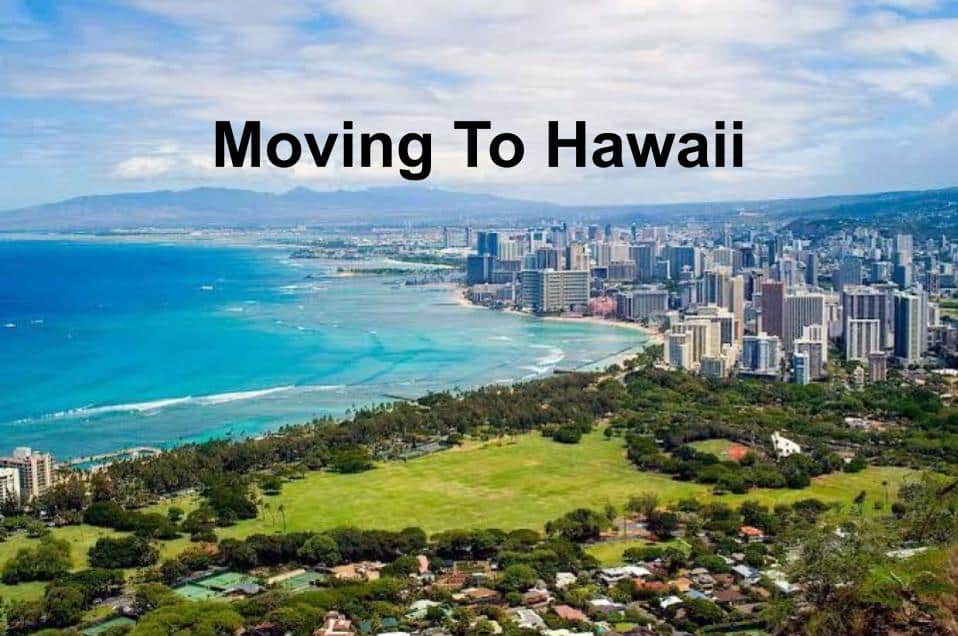
For most people relocating from the Mainland United States, Oahu is the most logical starting point. Home to the state capital, Honolulu, this island offers the most robust job market and urban amenities. If your lifestyle involves a high-paced career, fine dining, and proximity to major medical facilities, Oahu is likely your destination. Neighborhoods range from the high-rises of Kakaako to the suburban sprawl of Kapolei and the world-famous North Shore. Living here means balancing the convenience of city life with iconic landmarks like Diamond Head and Pearl Harbor just a short drive away.
Maui: The Valley Isle’s Sophisticated Charm
Maui offers a blend of luxury and natural beauty. It is often the choice for those who want a slower pace than Honolulu but still require high-end shopping and world-class golf courses. From the tech-friendly hubs in Kihei to the lush, elevated landscapes of Kula, Maui provides a diverse range of living environments. Relocating here often involves a focus on outdoor recreation, with Haleakala National Park providing endless hiking opportunities.
Kauai: The Garden Isle for Remote Workers
Kauai is the oldest and arguably the most beautiful of the main islands. It is a haven for those who prioritize nature and tranquility above all else. With strict building height limits and a smaller population, life on Kauai revolves around the sunrise and sunset. Towns like Lihue serve as the administrative center, while Poipu and Hanalei offer coastal living. It is an ideal location for remote workers who can trade city infrastructure for the dramatic views of the Na Pali Coast.
The Big Island: Vastness and Diversity
Hawaii Island, commonly known as the Big Island, is the largest and most affordable option for many. It contains 8 of the 13 climate zones found on Earth. You can live in the sunny, dry climate of Kona or the lush, rainy environment of Hilo. Because of its size, the Big Island offers more land for those interested in sustainable living or farming, though it requires a willingness to live further from major commercial hubs.
Financial Realities and The Paradise Tax
Relocating to Hawaii requires a sober assessment of finances. The “Paradise Tax” is a real phenomenon, referring to the significantly higher cost of living compared to most areas of North America.
Housing Markets and Rental Strategies
Housing is the largest expense for Hawaii residents. Whether you are looking at a condo in Waikiki or a plantation-style home in Kauai, prices are high. Most experts recommend renting for at least six months to a year before purchasing property. This allows you to understand the “micro-climates” of different neighborhoods—one street may be sunny while the next is perpetually rainy. Long-term rentals are often found through local property management sites rather than major national platforms, and competition is fierce.
Daily Expenses and Logistics
Almost everything in Hawaii is imported, which reflects in the price of groceries and fuel. Residents often utilize Costco or Target to manage costs, as local supermarkets can be expensive. Utility costs are also higher than the national average, primarily due to the cost of electricity. Many homeowners invest in solar energy systems to mitigate these monthly expenses. When planning your budget, it is advisable to have at least six months of living expenses saved specifically to cover the transition period.
The Logistics of Relocating to the Middle of the Pacific
Moving your belongings to an island chain 2,500 miles from the nearest continent is a significant undertaking. The logistics involve shipping companies, strict agricultural laws, and vehicle transportation.
Shipping Your Life Across the Ocean
Most people moving to Hawaii choose between shipping a full container or selling their belongings and starting over. Shipping companies like Matson and Pasha Hawaii are the primary carriers for household goods and vehicles. Shipping a car from California to the port of Honolulu typically takes about two weeks and costs between $1,500 and $2,500. It is often more cost-effective to sell heavy furniture on the mainland and purchase new or used items once you arrive at Daniel K Inouye International Airport.
The Strict Pet Importation Laws
Hawaii is the only state in the United States that is rabies-free, and the Hawaii Department of Agriculture works hard to keep it that way. If you are moving with pets, you must start the process months in advance. The “Direct Airport Release” or “Five-Day-Or-Less” program requires specific vaccinations, blood tests (FAVN), and a waiting period. Failure to follow these steps precisely can result in your pet being quarantined for up to 120 days upon arrival, which is both expensive and stressful for the animal.
Adapting to the Hawaiian Lifestyle and Community
Perhaps the most important aspect of relocating to Hawaii is the psychological and social transition. The culture of Hawaii is deeply rooted in Native Hawaiian traditions and a history of immigration from Japan, China, and the Philippines.
Understanding the Spirit of Aloha
The “Aloha Spirit” is not just a marketing slogan; it is a law in the State of Hawaii. It dictates a lifestyle of kindness, patience, and community. New residents who arrive with an aggressive, fast-paced mainland attitude often struggle to integrate. Successful relocation involves listening more than talking and respecting the local customs. This includes practical things like removing shoes before entering a home and understanding the concept of “Malama Aina” (caring for the land).
Employment and Networking in a Small Community
The job market in Hawaii is often about “who you know.” Networking is vital. The economy is heavily reliant on tourism, the military, and agriculture. However, there is a growing presence of technology and renewable energy sectors. If you are looking for work, reaching out to organizations like the Chamber of Commerce Hawaii or attending local industry meetups in Honolulu can be beneficial. For those in academia or specialized research, the University of Hawaii is a major employer across the islands.
Island Fever and the Reality of Isolation
“Island Fever” is a psychological state where residents feel trapped by the surrounding ocean. While the scenery is stunning, the reality of being thousands of miles from other states can be daunting. To combat this, successful residents embrace the lifestyle fully—learning to surf at Waikiki Beach, hiking the ridges of the Koolau Range, or volunteering with local community groups. Building a local “Ohana” (family) of friends is the best way to ensure your move to Hawaii is a permanent success rather than a temporary retreat.
Relocating to Hawaii is an exercise in adaptation. It requires trading certain mainland conveniences for a lifestyle defined by natural beauty and community connection. By carefully choosing your island, budgeting for the “Paradise Tax,” and approaching the local culture with humility, you can successfully navigate the complexities of making the Pacific your home. Whether you are drawn by the luxury of Kapalua or the rugged charm of Hilo, the transition is a journey toward a more intentional and balanced way of life.
LifeOutOfTheBox is a participant in the Amazon Services LLC Associates Program, an affiliate advertising program designed to provide a means for sites to earn advertising fees by advertising and linking to Amazon.com. Amazon, the Amazon logo, AmazonSupply, and the AmazonSupply logo are trademarks of Amazon.com, Inc. or its affiliates. As an Amazon Associate we earn affiliate commissions from qualifying purchases.