
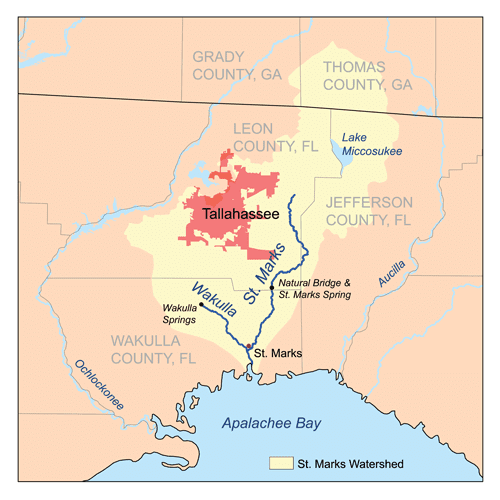
To find the historic town of St. Marks, one must look toward the northern reaches of Florida, specifically within the geographical notch known as the Big Bend. Situated in Wakulla County, this small but culturally significant community sits approximately 20 miles south of Tallahassee, the state capital. It is a place where the terrestrial world of the Panhandle dissolves into the aquatic expanses of the Gulf of Mexico, serving as a primary maritime gateway for centuries.
The Geographic Gateway to the Big Bend
The location of St. Marks is defined by its relationship with water. It is positioned at the confluence of two major blackwater rivers: the St. Marks River and the Wakulla River. This junction forms the head of the St. Marks River estuary, which eventually empties into Apalachee Bay. Geographically, this area is part of the Gulf Coastal Plain, characterized by low-lying wetlands, limestone outcroppings, and expansive salt marshes that have remained largely unchanged since the first European explorers arrived.
Confluence of Rivers and the Apalachee Bay
The meeting point of the St. Marks River and the Wakulla River has dictated the town’s importance as a landmark for navigation. The Wakulla River, famous for its crystal-clear spring-fed waters originating from Wakulla Springs, merges with the darker, tannin-stained St. Marks River to create a unique ecological and hydrological landmark. This convergence was the primary reason for the establishment of early settlements, as it provided a deep-water port capable of supporting maritime trade long before modern infrastructure reached the interior of the United States.
The Karst Topography of North Florida
The land around St. Marks is built upon a foundation of Floridan Aquifer limestone. This karst topography is responsible for the numerous sinkholes, springs, and subterranean rivers that define the region’s physical geography. As a landmark, the St. Marks area represents one of the most stable geological points along the coastline, which allowed for the construction of permanent stone fortifications and lighthouses that have withstood the test of time and tropical weather.
The St. Marks Lighthouse: A Beacon of History
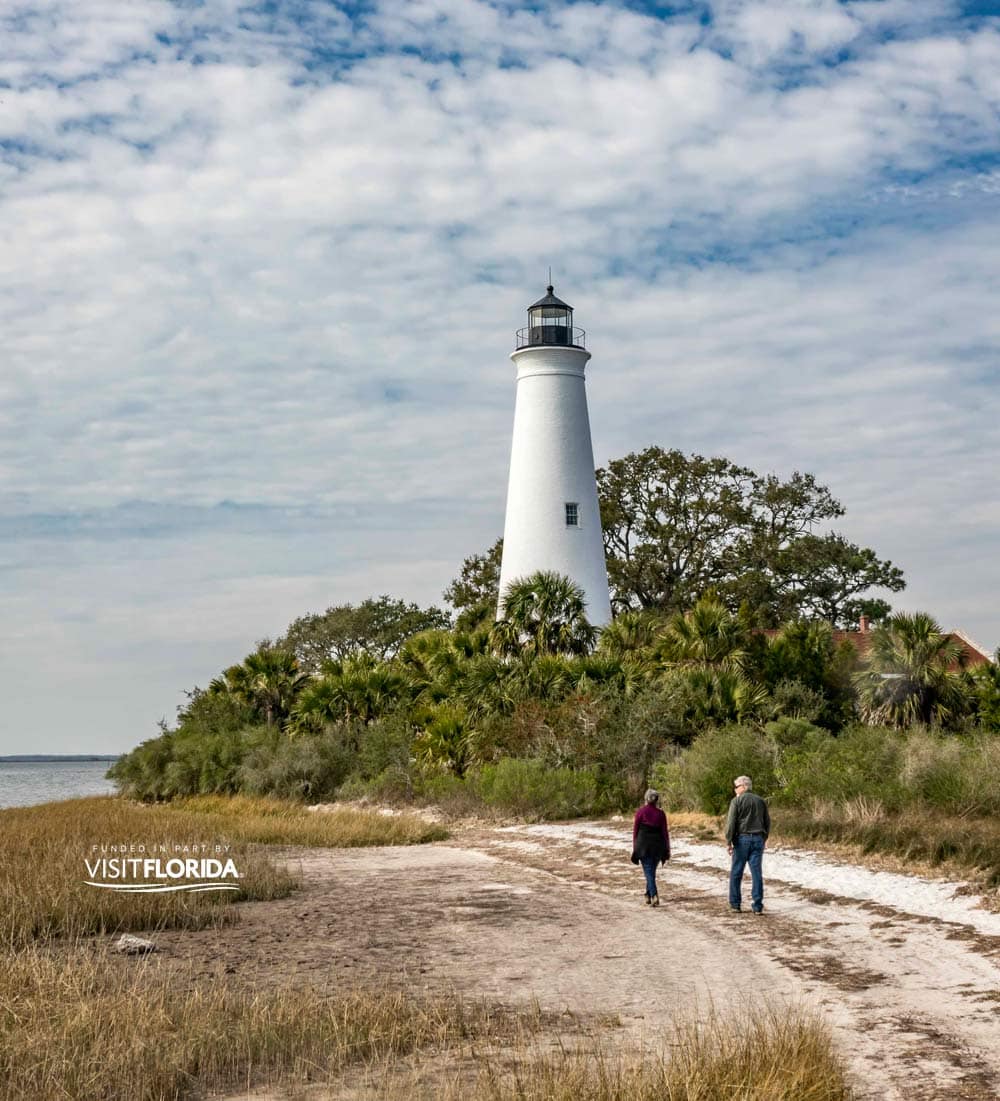
Perhaps the most recognizable landmark in the region is the St. Marks Lighthouse. Located within the St. Marks National Wildlife Refuge, this structure stands as the second-oldest lighthouse in Florida. Its presence at the mouth of the St. Marks River is not merely a functional guide for sailors but an architectural monument to the resilience of coastal engineering in the early 19th century.
Architectural Design and Enduring Structure
The current St. Marks Lighthouse was completed in 1831, though it underwent significant reconstruction and relocation in its early years due to erosion and the threat of storms. The tower stands 88 feet tall and features a conical design typical of the era. What makes this landmark unique is its construction material; the walls are five feet thick at the base, built with limestone blocks salvaged from the ruins of the nearby Fort San Marcos de Apalache. This recycling of stone links the maritime history of the lighthouse directly to the colonial military history of the region.
The lighthouse originally utilized a Fresnel lens, a masterpiece of glass engineering that allowed a small flame to be visible for miles across the Gulf of Mexico. While the lens has been moved for preservation, the tower remains an iconic silhouette against the horizon of Apalachee Bay, representing the transition from manual maritime signaling to modern navigation.
Historical Significance During the Civil War
The St. Marks Lighthouse is not only an architectural landmark but also a silent witness to the American Civil War. In 1865, the lighthouse and its surrounding marshes were the site of strategic maneuvering. Union forces attempted to move up the St. Marks River to capture Tallahassee. The light was extinguished by Confederate forces to hinder enemy navigation, and the structure itself narrowly escaped destruction during the conflict. Today, it stands as a landmark of peace, overlooking the very waters where naval skirmishes once decided the fate of the Florida Panhandle.
San Marcos de Apalache: The Archaeological Heart
Directly within the town limits of St. Marks lies the San Marcos de Apalache Historic State Park. This site is one of the most important archaeological and historical landmarks in the Southeastern United States. It marks the location of several successive forts built by various nations vying for control over the New World.
The Layers of Colonial Fortifications
The history of San Marcos de Apalache is a complex timeline of occupation. The site was first used by the Apalachee people before Spain recognized its strategic value in the 17th century. The first wooden fort was established in 1679 to protect the Spanish missions in the interior. Over the next two centuries, the site would change hands between the Spanish Empire, the British Empire, and eventually the United States.
The landmark as it exists today contains the ruins of the stone fort begun by the Spanish in 1739. The massive stone walls, partially reconstructed, provide a glimpse into the architectural challenges of building a fortress in a swampy, coastal environment. The site also includes the remains of a Confederate hospital and earthworks from the mid-19th century, illustrating how the same geographic point remained a landmark of military necessity for hundreds of years.
Andrew Jackson and the Florida Territory
A pivotal moment for this landmark occurred in 1818 when General Andrew Jackson seized the fort during the First Seminole War. This action was a major catalyst for the eventual cession of Florida from Spain to the United States. The museum located at the state park preserves artifacts from this era, including weaponry, tools, and personal items that tell the story of the soldiers and settlers who called this rugged outpost home.
St. Marks National Wildlife Refuge: A Landmark of Biodiversity
While many landmarks are man-made, the St. Marks National Wildlife Refuge serves as a sprawling natural landmark of global importance. Established in 1931, it is one of the oldest wildlife refuges in the United States, encompassing over 80,000 acres of coastal territory.
The Preservation of the Florida Panhandle Ecosystem
The refuge acts as a living landmark, preserving the pristine condition of the Florida coastline as it appeared before the onset of modern development. Its landscape is a mosaic of pine flatwoods, sawgrass marshes, and cabbage palm hammocks. The area is a critical stopover for migratory birds following the Atlantic Flyway. During the autumn months, the refuge becomes a landmark for naturalists who come to witness the migration of Monarch Butterflies, which gather in the thousands before crossing the Gulf of Mexico.
The Florida Trail and the Wilderness Experience
The St. Marks National Wildlife Refuge is also a significant landmark for hikers, as it contains a major segment of the Florida Trail. This National Scenic Trail winds through the refuge, offering a rare opportunity to experience the remote wilderness of the Big Bend. The trail leads past prehistoric shell mounds and through dense forests, marking the path of ancient indigenous routes and early colonial tracks. The refuge represents a landmark not just of physical space, but of conservation philosophy, ensuring that the natural heritage of Florida remains intact for future generations.

Preserving the Legacy of the Panhandle
The town of St. Marks and its surrounding landmarks provide a concentrated look at the history of North America. From the architectural endurance of the St. Marks Lighthouse to the archaeological depth of San Marcos de Apalache, the area serves as a physical record of human ambition and natural beauty.
As a landmark, St. Marks reminds us that geography often dictates destiny. Its position at the end of the St. Marks River made it a target for conquest, a hub for trade, and eventually, a sanctuary for nature. Whether viewing the limestone ruins of a colonial fort or the sweeping vistas of the Gulf of Mexico from the base of a 19th-century lighthouse, visitors to this corner of Florida are standing in a place where history and the environment are inextricably linked. The preservation of these sites ensures that the story of St. Marks—a story of resilience, light, and wilderness—will continue to be told.
LifeOutOfTheBox is a participant in the Amazon Services LLC Associates Program, an affiliate advertising program designed to provide a means for sites to earn advertising fees by advertising and linking to Amazon.com. Amazon, the Amazon logo, AmazonSupply, and the AmazonSupply logo are trademarks of Amazon.com, Inc. or its affiliates. As an Amazon Associate we earn affiliate commissions from qualifying purchases.