
A clean driving record is more than just a regulatory compliance; it’s a cornerstone of a free and flexible lifestyle, especially in a state as expansive and diverse as California. For individuals who value seamless travel, unhindered business opportunities, or simply the peace of mind that comes with unrestricted mobility, understanding how to manage and remove violations from your driving record is an essential life skill. Navigating the Golden State’s intricate traffic laws and bureaucratic processes can seem daunting, but proactive steps can significantly impact your personal and professional freedoms, ensuring your lifestyle remains vibrant and untethered.
Understanding Your California Driving Record: A Lifestyle Imperative
Your driving record in California is a comprehensive history of your interactions with traffic laws, encompassing everything from minor infractions to serious offenses. This record, maintained by the California Department of Motor Vehicles (DMV), carries significant weight, influencing various aspects of your life. For the individual committed to a dynamic lifestyle, whether it involves frequent road trips, professional driving, or simply the convenience of personal transportation, maintaining a clean record is paramount.
The Impact on Your Mobility and Travel Plans
Imagine planning a spontaneous getaway to Big Sur, a business trip to Silicon Valley, or a family vacation to Disneyland. These quintessential California experiences often rely on the freedom of driving. A blemished record can introduce unexpected hurdles, from difficulty renting a car for that scenic drive along the Pacific Coast Highway to increased scrutiny at borders if your license is suspended. For professionals, a poor driving record can impede career advancement, especially in roles requiring company vehicle use or extensive travel. Your ability to move freely and without hindrance is directly linked to the health of your driving history, making its management a critical component of a flexible lifestyle.
Points, Insurance, and Rental Car Eligibility
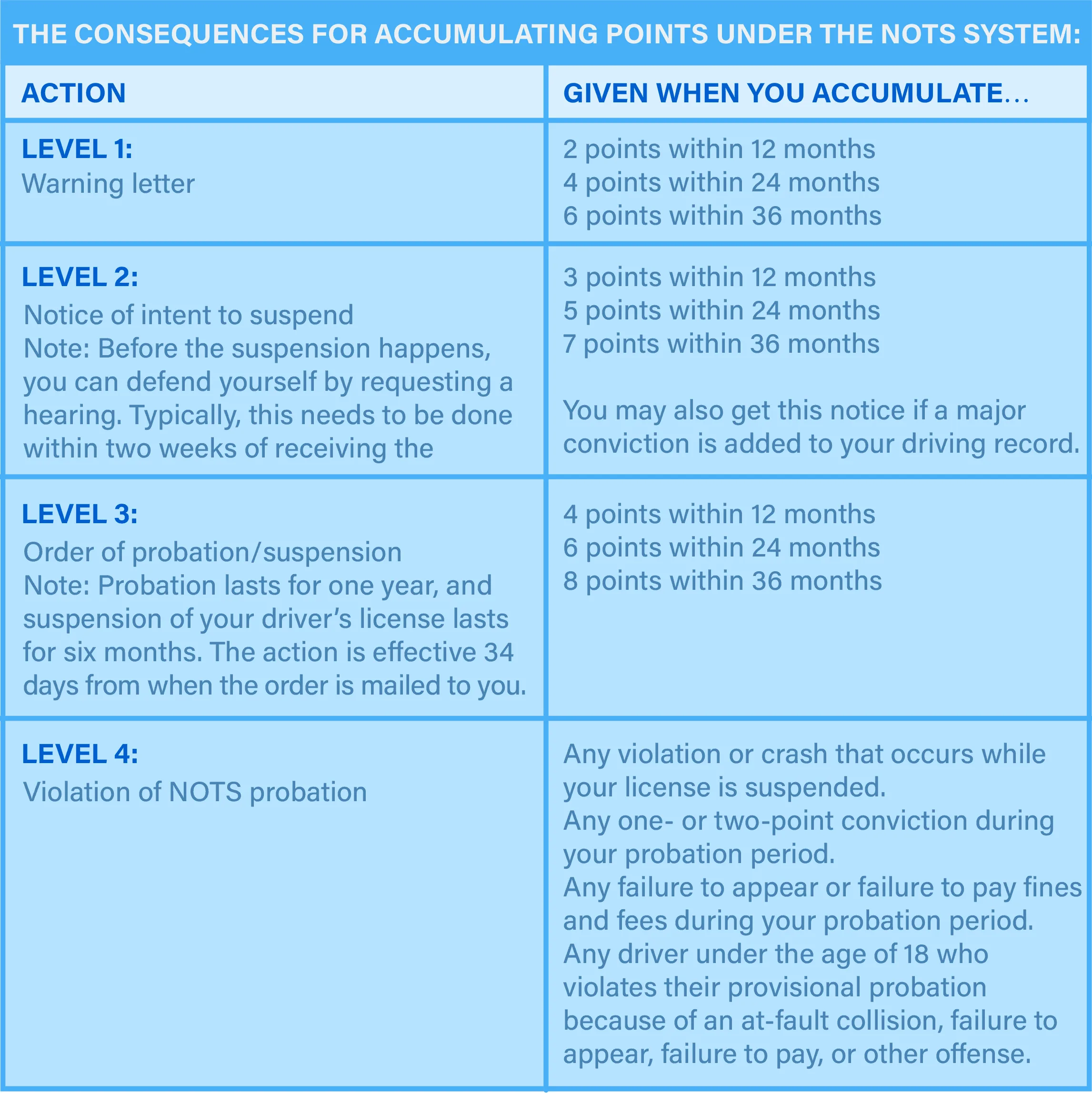
California’s point system is a primary mechanism for tracking driving behavior. Most traffic violations, from speeding to improper turns, result in one or more points being added to your record. Accumulating too many points within specific timeframes can lead to license suspension or revocation, severely impacting your mobility. Beyond license status, these points have a direct and often significant financial impact. Insurance companies view drivers with points as higher risk, leading to substantially increased premiums that can drain your budget and limit your financial flexibility. Furthermore, many car rental agencies conduct background checks, and a poor driving record can make you ineligible to rent a vehicle, even if your license is active. This can be particularly frustrating for travelers or those relying on rentals for temporary transport, directly disrupting travel plans and business engagements. Understanding these repercussions underscores why actively seeking to remove violations is not just about avoiding penalties, but about preserving your lifestyle choices.
Strategies for Violation Removal: Paving the Way for a Smooth California Lifestyle
While receiving a traffic ticket can be disheartening, it’s not always a permanent stain on your record. California offers several avenues for addressing and potentially removing violations, each with its own set of rules and eligibility requirements. Taking proactive steps to clear your record is a strategic move for anyone prioritizing a worry-free and mobile lifestyle.
Traffic School: A Common Path to Point Reduction
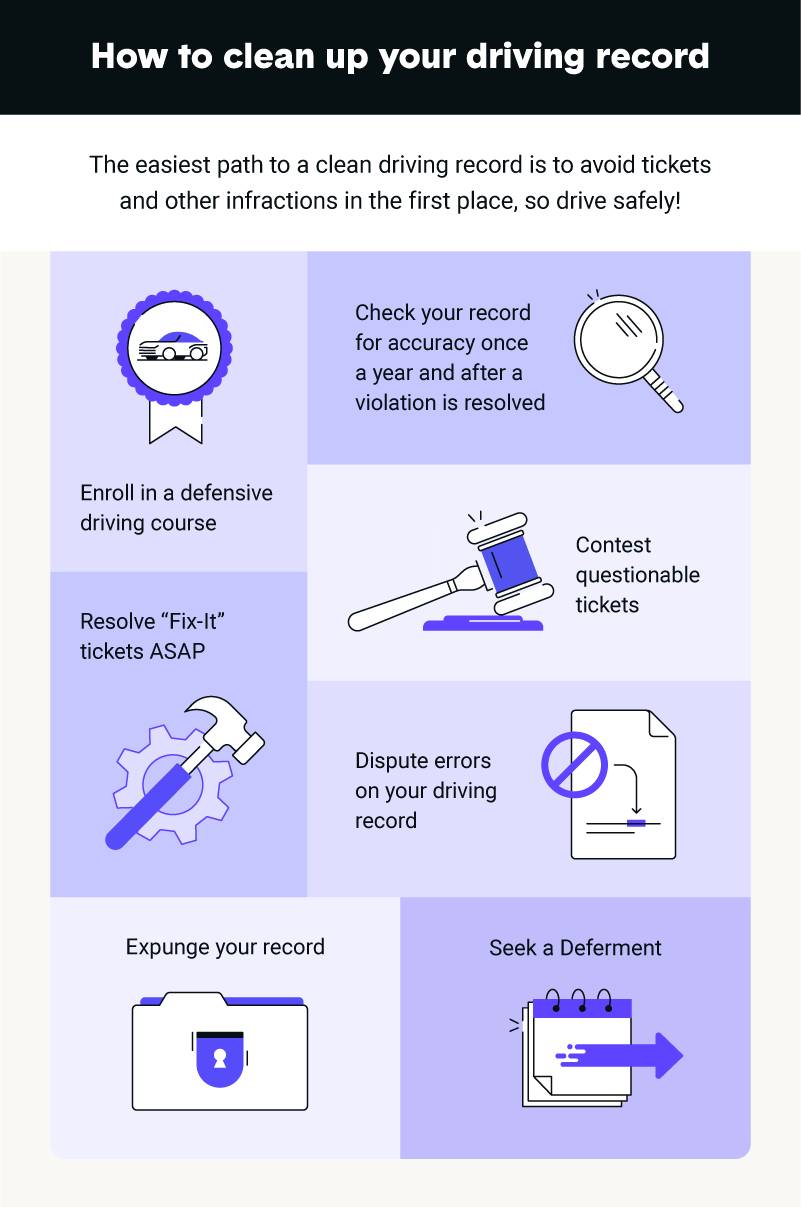
For many minor moving violations, attending traffic school is the most straightforward and common method to prevent points from appearing on your record. If eligible and successfully completed, traffic school allows you to mask the conviction from your public driving record, meaning insurance companies won’t see the violation and your premiums won’t increase. Eligibility typically requires that the offense is a one-point violation, you haven’t attended traffic school for another violation within the past 18 months, and the ticket does not involve alcohol or drugs. Online traffic school options offer flexibility, allowing you to fit the course into your busy schedule, minimizing disruption to your lifestyle while actively working towards a cleaner record. It’s a pragmatic approach for maintaining financial stability and preserving your eligibility for various driving-related privileges.
Contesting a Ticket: When and How to Fight Back
Sometimes, a ticket is issued in error, or the circumstances surrounding it make a strong case for dismissal. Contesting a ticket in court is a viable option for those who believe they were unjustly cited or have compelling evidence to present. This approach requires more effort and preparation, including gathering evidence, understanding relevant traffic laws, and presenting your case before a judge. While it can be time-consuming, a successful contest results in the violation being dismissed entirely, meaning no points, no fines, and no impact on your insurance or driving record. This method is particularly relevant for those whose professional or personal lifestyle hinges on maintaining an impeccable record, as it provides an opportunity to completely negate the violation’s effects. Consulting with a traffic attorney can significantly improve your chances of success, providing expertise in legal procedures and effective argumentation.
Dismissals and Expungements: Longer-Term Solutions
Beyond immediate solutions like traffic school or contesting tickets, there are sometimes options for having convictions dismissed or “expunged” from your record, especially for certain misdemeanor offenses. While traffic tickets aren’t typically “expunged” in the same way criminal convictions are, specific legal processes can result in the conviction being set aside or having a lesser impact. For example, some convictions might be eligible for a “motion to vacate,” where a judgment is essentially undone if there were procedural errors or new evidence. Furthermore, points for violations generally remain on your DMV record for a period of 3, 7, or 10 years, depending on the severity of the offense. Understanding these timeframes is crucial for long-term planning related to your driving record and lifestyle aspirations. Serious offenses, such as DUI (driving under the influence), have more complex and stringent removal processes, often requiring legal intervention and specific rehabilitation programs. Addressing these serious violations effectively is critical for regaining full driving privileges and restoring normalcy to your lifestyle.
Navigating the California DMV System: Resources for the Discerning Driver
The California DMV is the primary authority for all matters concerning driving records and licensing. Effectively navigating this system requires understanding how to access your information, knowing when to seek professional legal help, and being aware of the state’s specific regulations. For anyone committed to a seamless lifestyle in California, being informed is your greatest asset.
Accessing Your Driving Record
The first step in managing your driving record is knowing what’s on it. You can obtain an official copy of your California driving record (also known as a Driver Record Request) directly from the DMV. This can typically be done online, by mail, or in person at a DMV office located in cities like Sacramento, Los Angeles, or San Francisco. Reviewing your record regularly allows you to check for accuracy, identify any outstanding violations, and understand when points are scheduled to be removed. This proactive approach ensures you are always aware of your standing, enabling timely action if a violation needs to be addressed or if an error needs correction. A transparent understanding of your record is vital for making informed decisions about your driving future and maintaining your lifestyle.
The Role of Legal Counsel in Complex Cases
While minor infractions can often be handled independently, serious violations or complex cases warrant the expertise of legal counsel. A traffic attorney specializing in California traffic law can provide invaluable assistance. They can assess the specifics of your case, advise on the best course of action (e.g., whether to contest, negotiate, or pursue dismissal), represent you in court, and navigate the intricacies of the DMV system. For individuals facing license suspension, DUI charges, or multiple accumulated points, legal representation is not just beneficial but often essential to protect your driving privileges and prevent long-term lifestyle disruptions. Investing in legal expertise can save you significant time, stress, and potential long-term costs associated with a severely impacted driving record.
Understanding California’s Statute of Limitations
It’s important to understand that there isn’t a single “statute of limitations” for removing violations in the sense that they simply disappear after a fixed period without action. Instead, points for violations remain on your driving record for specific durations:
- 3 years: Most minor violations like speeding tickets, failing to stop, or unsafe lane changes.
- 7 years: Certain serious violations like DUI convictions or hit-and-run offenses for insurance purposes.
- 10 years: For severe convictions like DUI for licensing purposes, affecting your ability to obtain certain commercial licenses.
While points expire after these periods, the original conviction may still show on an abstract of your record, though its impact diminishes over time. Knowing these timeframes helps in managing expectations and strategizing your approach to maintaining a clean record. It informs when a violation will naturally “fall off” for point-count purposes, and when more active intervention might be necessary to shorten its impact.
Proactive Measures for a Clean Record: Maintaining Your California Lifestyle Freedom
While addressing existing violations is crucial, cultivating a proactive approach to driving is the most effective long-term strategy for maintaining a clean record and ensuring an unencumbered lifestyle in [California](https://lifeoutofthebox. Prevention is always better than cure, especially when your mobility and financial well-being are at stake.
Defensive Driving Practices
Adopting defensive driving habits is the simplest yet most impactful way to avoid future violations. This involves consistently adhering to speed limits, maintaining safe following distances, signaling turns correctly, avoiding distractions like mobile phones, and being aware of your surroundings. Many insurance companies offer discounts for completing defensive driving courses, which not only refresh your skills but also demonstrate a commitment to safe driving. These courses often cover crucial topics like navigating adverse weather conditions, understanding traffic dynamics, and anticipating potential hazards on California’s diverse roadways, from bustling city streets in San Diego to winding mountain passes. By integrating these practices into your daily routine, you significantly reduce the likelihood of receiving tickets, protecting your record and your lifestyle.
Staying Informed on California Traffic Laws
Traffic laws are dynamic and can change. Periodically reviewing the California Vehicle Code and staying updated on new regulations or amendments is a smart practice. Ignorance of the law is not a valid defense, and even minor changes can lead to unexpected violations. Subscribing to DMV newsletters, consulting official DMV resources online, or checking legal updates can help you remain compliant. This vigilance ensures that your driving habits align with current legal requirements, preventing unforeseen issues that could impact your record and lifestyle.

The Long-Term Benefits of a Clear Record
The benefits of a clear driving record extend far beyond avoiding fines and points. It translates into consistently lower insurance premiums, saving you thousands of dollars over time that can be better allocated to travel, experiences, or personal investments. It ensures unrestricted access to rental vehicles, simplifying business trips and leisure travel. A clean record also reflects positively on your character, which can be advantageous in certain professional fields where trust and responsibility are highly valued. Most importantly, it grants you the peace of mind and freedom to explore California and beyond without the shadow of past violations. Maintaining a pristine driving history is an investment in your personal freedom and a testament to a well-managed, flexible, and fulfilling lifestyle.
LifeOutOfTheBox is a participant in the Amazon Services LLC Associates Program, an affiliate advertising program designed to provide a means for sites to earn advertising fees by advertising and linking to Amazon.com. Amazon, the Amazon logo, AmazonSupply, and the AmazonSupply logo are trademarks of Amazon.com, Inc. or its affiliates. As an Amazon Associate we earn affiliate commissions from qualifying purchases.