
Navigating the process of renewing a handicap placard in Texas can seem like a bureaucratic maze, but understanding the steps involved can streamline the experience. For individuals with disabilities, a valid handicap placard is an essential tool, offering convenient parking access to facilitate their participation in daily life, from essential errands to leisure activities. This guide aims to demystify the renewal process, providing clear instructions and helpful tips for Texas residents. Whether you are renewing an existing placard or helping a loved one, this information will equip you with the knowledge needed to ensure uninterrupted access to accessible parking.

Understanding Handicap Placard Renewal in Texas
In Texas, handicap placards, also known as disabled parking placards, are issued by the Texas Department of Motor Vehicles (DMV). These placards allow eligible individuals to park in designated accessible parking spaces. The renewal process is designed to ensure that the medical conditions justifying the need for such accommodations are still present. It is crucial to be aware of the expiration dates of your current placard and to initiate the renewal process well in advance to avoid any lapse in its validity. Failure to renew on time could result in citations for parking in accessible spaces without a valid placard.
Eligibility and Documentation Requirements
To renew a handicap placard in Texas, you must continue to meet the eligibility criteria established by state law. Generally, this involves having a qualifying disability that significantly limits mobility, making it difficult to walk long distances or requiring the use of a wheelchair, walker, or other assistive device. The primary document required for renewal is a completed application form, which includes a section that must be certified by a qualified medical professional.
Medical Professional Certification
The cornerstone of the renewal process is the certification by a licensed physician, including medical doctors (MD), osteopathic physicians (DO), podiatrists (DPM), optometrists (OD) for visual impairments, or chiropractors (DC) for certain mobility impairments. This medical professional must attest to the applicant’s continued eligibility based on their current medical condition. The certification on the application form confirms that the disability persists and necessitates continued access to accessible parking. It is important to schedule an appointment with your doctor to have this section completed accurately and promptly.
Application Form
The official application for a disabled parking placard can be obtained from the Texas DMV website or at any county tax assessor-collector’s office. The form, typically titled “Application for Disabled Parking Placard,” requires detailed information about the applicant, including their name, address, date of birth, and driver’s license or ID number. It is vital to fill out all sections of the application accurately and legibly to prevent any delays in processing.
Types of Placards and Their Validity
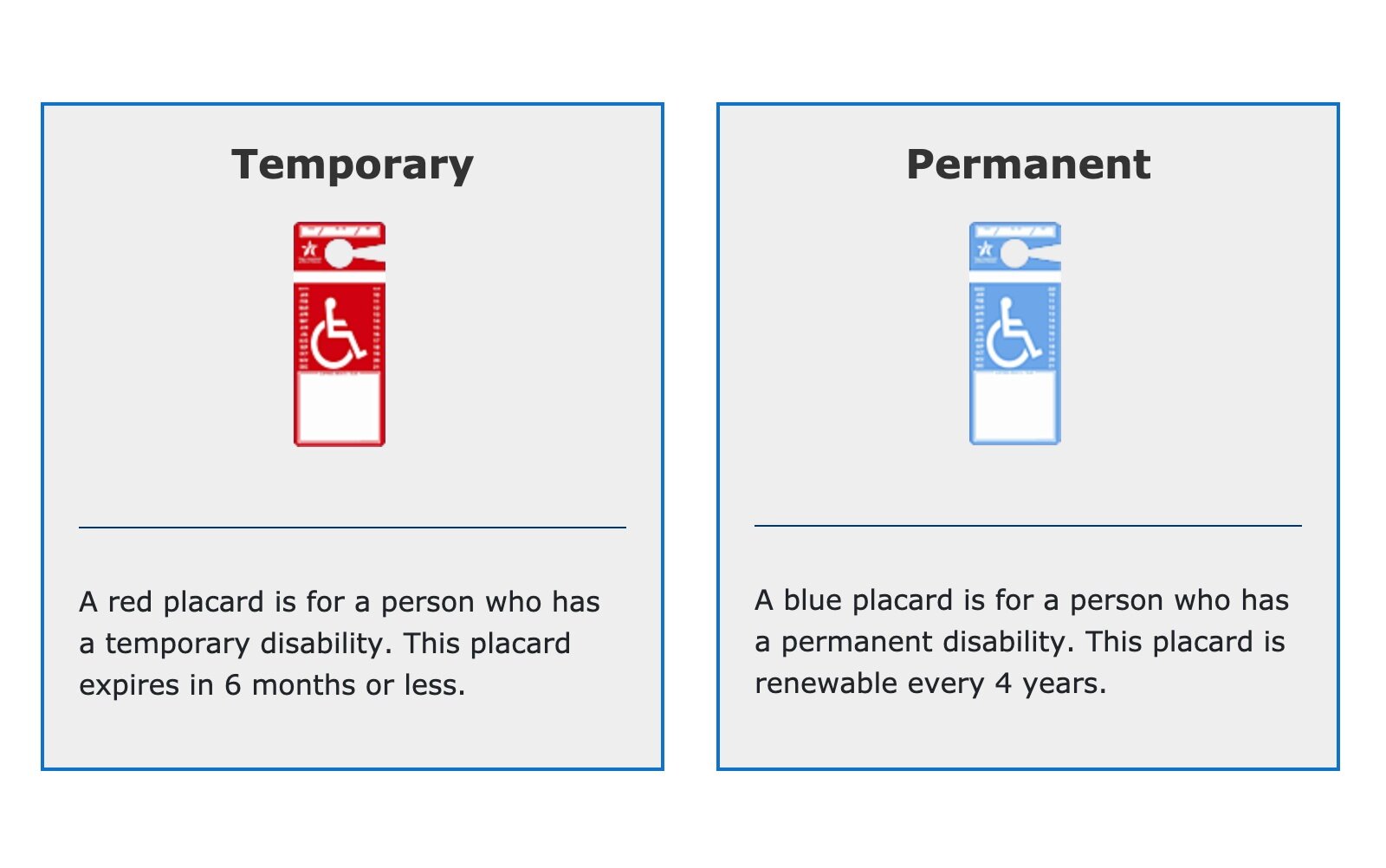
Texas issues two types of permanent disabled parking placards: a set of two temporary placards, valid for up to six months, and a permanent placard, valid for five years. The renewal process described here primarily pertains to the permanent placards, which require a renewal application every five years. Temporary placards, due to their shorter validity period, cannot be renewed and require a new application and medical certification for each subsequent need.
Permanent Placards
Permanent placards are designed for individuals with long-term disabilities. These placards are valid for five years. When your permanent placard is nearing its expiration date, you will need to submit a renewal application. The renewal process for a permanent placard is generally more straightforward than the initial application, as it often does not require new medical certification unless there are changes in the medical condition or if the DMV requests it. However, it is always best practice to have your physician review your condition and complete the certification section of the renewal form to ensure continued eligibility.
Temporary Placards
Temporary placards are issued for individuals with temporary disabilities, such as those recovering from surgery or a serious injury. These placards are typically valid for a maximum of six months. If the disability persists beyond this period, a new application with updated medical certification will be required to obtain a new temporary placard. Temporary placards cannot be renewed; they must be re-applied for.
The Renewal Process: Step-by-Step
Renewing your handicap placard in Texas involves several straightforward steps. By carefully following this procedure, you can ensure a smooth and efficient renewal.
Step 1: Obtain the Renewal Application
The first step is to acquire the correct application form. You can download the “Application for Disabled Parking Placard” from the Texas Department of Motor Vehicles (DMV) website. Alternatively, you can visit your local county tax assessor-collector’s office. It is important to ensure you are using the most current version of the form, as these are updated periodically.
Step 2: Complete the Applicant Information Section
Fill out all the required personal information for the applicant. This includes your full name, mailing address, date of birth, and your Texas driver’s license or identification card number. Double-check that all information is accurate and matches your official identification.
Step 3: Medical Certification
This is a critical step. You will need to schedule an appointment with your physician. The physician must review your current medical condition and then complete and sign the “Medical Certification” section of the application. This section requires the doctor to specify the nature of the disability and confirm that it meets the criteria for a disabled parking placard. Without this certification, your renewal application will not be processed.
Step 4: Submit the Application
Once the application is fully completed and signed by both you and your medical provider, it needs to be submitted. You have a few options for submission:
- In Person: You can take the completed application to your local county tax assessor-collector’s office. This is often the quickest way to ensure all paperwork is correct and to receive your new placard promptly.
- By Mail: You can mail the completed application to the address specified on the form, which is usually the Texas Department of Motor Vehicles. Ensure you use the correct mailing address to avoid delays.
Step 5: Receiving Your New Placard
After submitting your application, the Texas DMV will process it. If approved, your new handicap placard will be mailed to your address on file. The processing time can vary, so it is advisable to submit your renewal application at least 30 days before your current placard expires. In some cases, particularly when submitting in person at a county tax office, you might receive your new placard on the same day.
Frequently Asked Questions About Handicap Placard Renewal
The renewal process can bring about several questions. Addressing common concerns can further simplify the experience for Texas residents.
How long is a handicap placard valid in Texas?
A permanent handicap placard in Texas is valid for five years. Temporary placards are valid for up to six months.
What if my placard expires before I receive the new one?
If your current placard expires while your renewal application is being processed, it is advisable to keep a copy of your submitted application and the dated receipt from the Texas DMV or county tax office with you. Some jurisdictions may offer a grace period, but it is best to avoid using an expired placard to prevent potential citations.
Can I renew my handicap placard online?
As of the latest information, Texas does not offer an online renewal option for handicap placards. The process requires a physical application to be submitted, with a doctor’s certification.
What happens if I lose my placard?
If you lose your handicap placard, you will need to apply for a replacement. This typically involves submitting a new application form and paying a small fee, along with a statement indicating that the original placard was lost or stolen.
What are the requirements for a medical professional to certify my disability?
The medical professional must be licensed in Texas and be a physician (MD/DO), podiatrist (DPM), optometrist (OD), or chiropractor (DC). They must certify that your disability significantly limits your ability to walk and that this condition is expected to last for at least 12 months or is permanent.
Can a family member or caregiver renew the placard on my behalf?
While a family member or caregiver can assist in filling out the application and submitting it, the medical certification section must be completed and signed by the applicant’s physician. The applicant’s signature is also required on the application form.
Tips for a Smooth Renewal Process
To ensure your handicap placard renewal in Texas is as seamless as possible, consider these helpful tips:
Start Early
Do not wait until the last minute to begin the renewal process. Mark the expiration date on your calendar and start gathering the necessary documents and scheduling your doctor’s appointment at least a month or two in advance. This buffer will prevent last-minute rushes and potential issues.
Keep Copies of Everything
When you submit your renewal application, always make and keep copies of all completed forms, your old placard (if required to be surrendered), and any receipts or confirmation documents. This documentation can be invaluable if any questions or discrepancies arise during the processing period.
Verify Contact Information
Ensure that the Texas DMV has your most current mailing address on file. If you have moved, update your address with the DMV to ensure your new placard is sent to the correct location.
Understand the Medical Criteria
Familiarize yourself with the specific medical conditions that qualify for a disabled parking placard in Texas. This will help you communicate effectively with your physician about your needs and ensure they can accurately complete the certification. The Texas DMV website provides detailed information on these criteria.

Seek Assistance When Needed
If you encounter difficulties or have specific questions about the renewal process, do not hesitate to contact your local county tax assessor-collector’s office or the Texas DMV directly. They are equipped to provide guidance and clarify any uncertainties. Resources like the Texas Department of Licensing and Regulation website may also offer valuable information regarding disability accommodations and rights.
LifeOutOfTheBox is a participant in the Amazon Services LLC Associates Program, an affiliate advertising program designed to provide a means for sites to earn advertising fees by advertising and linking to Amazon.com. Amazon, the Amazon logo, AmazonSupply, and the AmazonSupply logo are trademarks of Amazon.com, Inc. or its affiliates. As an Amazon Associate we earn affiliate commissions from qualifying purchases.