
As a pivotal hub of culture, commerce, and ceaseless energy, New York, New York beckons millions of visitors annually. Understanding the prevailing weather conditions is not merely a matter of comfort; it is fundamental to crafting an enriching and seamless travel experience. Whether you’re planning a visit to marvel at the iconic Statue of Liberty, explore the artistic treasures of the Metropolitan Museum of Art, or simply soak in the vibrant atmosphere of Times Square, knowing the temperature and anticipated weather patterns will significantly enhance your itinerary. This guide delves into the nuances of New York City weather, offering insights to help you pack appropriately, plan your outdoor excursions, and make the most of your adventure in the Empire State.
Understanding New York City’s Climate
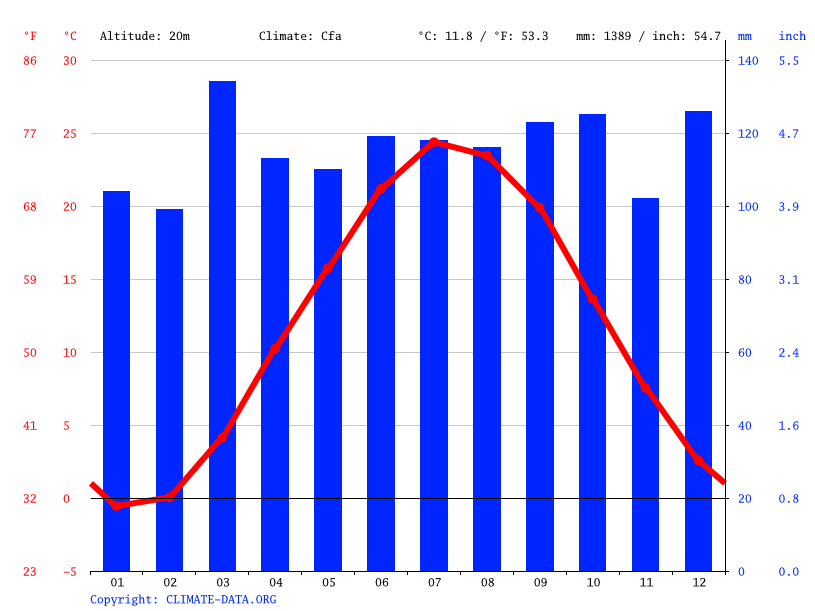
New York City experiences a humid subtropical climate, characterized by four distinct seasons, each offering a unique ambiance and set of activities. The city’s location on the Atlantic coast, coupled with its inland continental influences, contributes to a wide range of temperatures and weather phenomena throughout the year. From sweltering summer days to brisk, snow-dusted winter mornings, the temperature in New York can fluctuate dramatically. Being aware of these seasonal shifts is paramount for any traveler aiming to enjoy the city’s diverse offerings without being hampered by unfavorable weather.
Seasonal Temperature Overview
The average annual temperature in New York City hovers around 55 degrees Fahrenheit (13 degrees Celsius). However, this average masks the significant variations experienced across the seasons.
-
Spring (March – May): This season marks a gentle transition from the chill of winter to the warmth of summer. Average temperatures begin in the low 40s F (around 5 C) in March and climb steadily into the low 70s F (around 22 C) by May. While mornings and evenings can still be cool, daytime temperatures are often pleasant, making it an ideal time for exploring the city’s parks, such as Central Park, or enjoying outdoor dining. Rainfall is moderate, and occasional spring showers are to be expected.
-
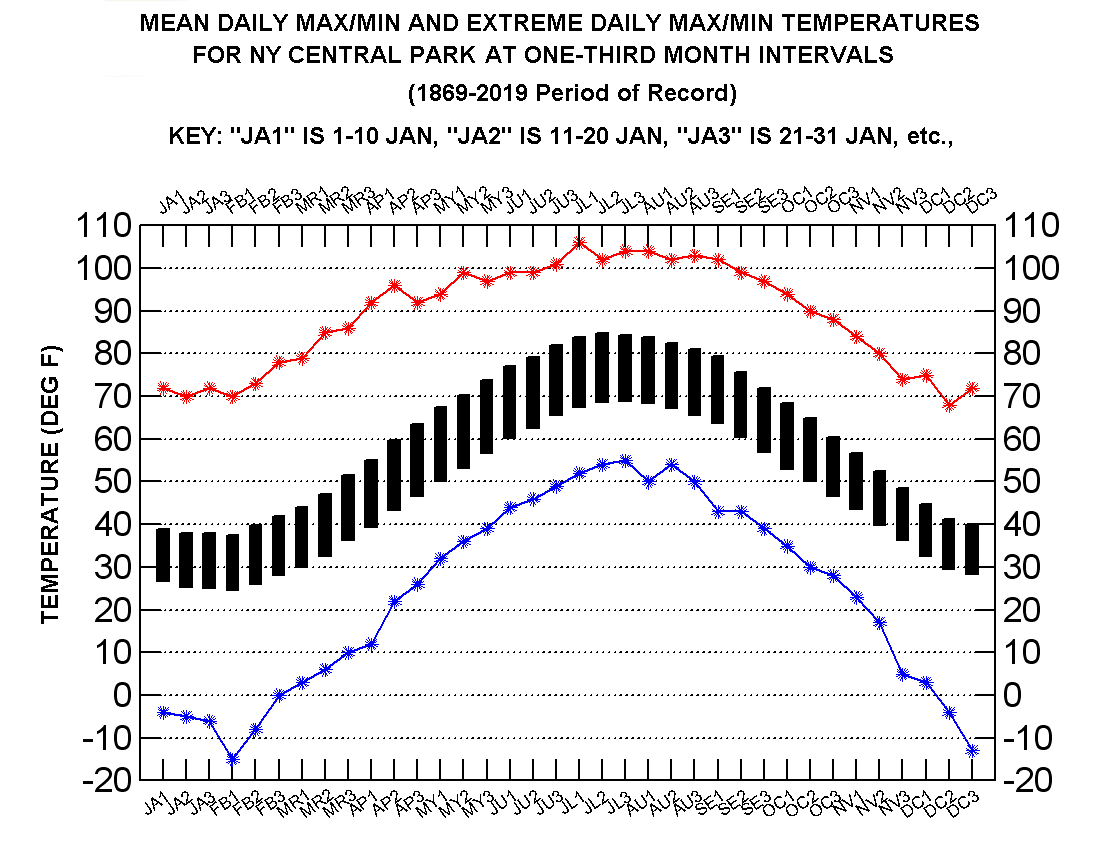
Summer (June – August): Summer in New York is typically hot and humid. Average daily temperatures range from the high 70s F (around 26 C) to the low 80s F (around 28 C), with heat waves pushing temperatures into the 90s F (above 32 C) and even 100s F (above 38 C). Humidity can make these temperatures feel more intense. This is a prime time for rooftop bars, walking tours, and enjoying outdoor performances, but visitors should be prepared for the heat with light clothing, hydration, and seeking air-conditioned indoor spaces like the American Museum of Natural History. Thunderstorms are also common during this period.
-
Autumn (September – November): Autumn is often considered the most picturesque season in New York City. Temperatures are generally mild and comfortable, starting in the 70s F (around 22 C) in September and gradually descending into the 40s F (around 5 C) by November. The crisp air and the vibrant foliage in parks and along the Hudson River create a stunning backdrop for sightseeing. This is an excellent period for exploring neighborhoods, visiting iconic landmarks, and enjoying events like the Macy’s Thanksgiving Day Parade.
-
Winter (December – February): Winters in New York are cold, with average temperatures ranging from the low 30s F (around 0 C) to the mid-40s F (around 7 C). Snowfall is common, transforming the city into a winter wonderland, particularly around the holiday season. Temperatures can drop well below freezing, especially at night. While outdoor activities might be limited, winter offers opportunities for ice skating at Rockefeller Center, exploring museums, and enjoying the festive holiday decorations. Proper layering of warm clothing is essential for comfort during this season.
Planning Your Visit Based on Temperature
The prevailing temperature in New York is a critical factor in deciding when to visit and what to pack. A well-timed trip can ensure you experience the city at its most enjoyable.
Optimal Travel Times
While New York City is a year-round destination, certain periods offer particularly favorable weather for exploration.
-
Spring (April-May): The shoulder months of spring, particularly April and May, often present the most pleasant temperatures for extended outdoor exploration. The city awakens from winter, flowers bloom in parks, and the crisp air is invigorating for walking tours or enjoying a stroll across the Brooklyn Bridge.
-
Autumn (September-October): Similar to spring, September and October provide ideal conditions. The humidity of summer dissipates, leaving behind comfortable, often sunny days. The changing leaves add a spectacular visual element to the urban landscape, making it a favorite time for many visitors.
Navigating Extreme Temperatures
When visiting during the peak of summer or the depths of winter, it is crucial to adjust your plans and expectations to accommodate the temperature extremes.
-
Summer Travel: Visitors during July and August should prioritize early morning or late evening outdoor activities. Midday can be intensely hot and humid. Plan for frequent breaks in air-conditioned establishments, such as department stores on Fifth Avenue, art galleries, or movie theaters. Staying hydrated is paramount. Consider visiting attractions that are primarily indoors, like the 9/11 Memorial & Museum or the numerous Broadway theaters.
-
Winter Travel: If your visit coincides with winter, embrace the season. Dress in layers: thermal base layers, a warm sweater or fleece, and a waterproof and windproof outer coat are essential. A warm hat, gloves, and scarf are indispensable. Many indoor attractions are at their most enchanting during winter, with holiday decorations adding to the festive atmosphere. Ice skating at Bryant Park or enjoying a warm beverage in a cozy café can be delightful experiences, even with frigid temperatures outside.
Preparing Your Wardrobe for New York Weather
The key to comfortable travel in New York lies in intelligent wardrobe choices dictated by the prevailing temperature and anticipated weather conditions.

Essential Packing List by Season
-
Spring: Pack light to medium layers. Include long-sleeved shirts, sweaters, a light jacket or trench coat, and comfortable walking shoes. A compact umbrella is advisable for occasional spring showers.
-
Summer: Focus on lightweight, breathable fabrics like cotton and linen. Pack shorts, t-shirts, sundresses, and a light cardigan for cooler evenings or air-conditioned interiors. Don’t forget sunscreen, sunglasses, and a hat for sun protection. Comfortable sandals or walking shoes are a must.
-
Autumn: Layering is again key. Bring long-sleeved shirts, sweaters, a medium-weight jacket, and possibly a warmer coat as the season progresses. Jeans or comfortable trousers are suitable. Closed-toe shoes are recommended for longer walks.
-
Winter: Prioritize warmth. Pack thermal underwear, thick sweaters, a heavy, insulated, waterproof, and windproof coat. Bring warm trousers, waterproof boots with good traction, a warm hat, scarf, and gloves. Consider hand warmers for extra comfort.
Footwear: The Unsung Hero of Travel
New York City is a city best explored on foot. The right footwear is not just about comfort; it’s about being able to traverse its vast expanses without discomfort.
-
All Seasons: Comfortable walking shoes are non-negotiable. Sneakers, supportive walking shoes, or sturdy boots are ideal. Ensure they are well broken-in before your trip to avoid blisters.
-
Winter Specifics: Waterproof and insulated boots are crucial for winter travel. They will keep your feet warm and dry, and provide much-needed traction on icy or snowy sidewalks.
Adapting to Microclimates and Weather Changes
Even within a single day, the temperature in New York can shift, and different boroughs or even neighborhoods can experience slightly different conditions due to the urban heat island effect and proximity to the water. Always check the daily forecast before heading out and be prepared to add or remove layers as needed. A sudden downpour can occur even on a seemingly clear day, so carrying a compact umbrella or a packable rain jacket can be a lifesaver.
Real-Time Temperature and Weather Resources
Staying informed about the current temperature and the weather forecast is essential for navigating New York City effectively. Reliable resources can help you make last-minute adjustments to your plans.
Official Weather Forecasts
Utilizing official weather forecasting services provides the most accurate and up-to-date information.
-
National Weather Service (NWS): The NWS provides detailed forecasts, including hourly predictions, severe weather alerts, and climate data for the New York City metropolitan area.
-
Reputable Weather Apps and Websites: Numerous reputable weather apps and websites offer real-time temperature readings, hourly forecasts, radar maps, and extended outlooks. These are invaluable tools for any traveler.
Utilizing Technology for Your Trip
In today’s interconnected world, technology offers seamless ways to stay abreast of weather conditions.
-
Smartphone Applications: Most smartphones come with pre-installed weather applications, which can be customized for New York. Third-party apps often offer more advanced features, such as interactive maps and push notifications for weather alerts.
-
Online Travel Guides and City Websites: Many travel websites and official New York City tourism sites provide dedicated sections for weather information, often updated daily. These can also offer practical advice on what to do based on the current conditions.
By diligently monitoring the temperature and weather forecasts, you can ensure your visit to New York, New York is met with preparedness and an open mind, allowing you to fully immerse yourself in the unparalleled experiences this global metropolis has to offer.
LifeOutOfTheBox is a participant in the Amazon Services LLC Associates Program, an affiliate advertising program designed to provide a means for sites to earn advertising fees by advertising and linking to Amazon.com. Amazon, the Amazon logo, AmazonSupply, and the AmazonSupply logo are trademarks of Amazon.com, Inc. or its affiliates. As an Amazon Associate we earn affiliate commissions from qualifying purchases.