
For anyone with a zest for exploration, whether it’s a cross-country road trip, an international adventure, or simply navigating the vibrant streets of the Lone Star State, a valid driver’s license is more than just a permit to operate a vehicle. It’s an essential piece of identification, a key to renting cars in new destinations, and a fundamental requirement for numerous aspects of modern life and travel. For residents of Texas, ensuring your Texas driver’s license is current and compliant is paramount. This comprehensive guide will walk you through everything you need to know about renewing your driver’s license in Texas, framing it within the broader context of travel, accommodation, and a seamless lifestyle.
The Indispensable Role of a Valid Driver’s License in Travel and Lifestyle
Imagine planning a dream vacation to a quaint European village, or a luxurious stay at a resort on the coast, only to realize that your driver’s license has expired, jeopardizing your ability to rent a car and explore freely. Or perhaps you’re checking into a magnificent hotel in Austin or Dallas, and your primary form of identification isn’t up to date. These scenarios highlight why the seemingly mundane task of renewing a driver’s license is, in fact, a critical component of a fluid and enjoyable travel and lifestyle experience.
Why Your Texas Driver’s License Matters Beyond the Road
Beyond merely driving, your Texas driver’s license serves as your primary government-issued photo identification. This means it’s crucial for everything from boarding domestic flights (especially with the upcoming REAL ID requirements) to verifying your identity when checking into hotels or booking accommodations. For those who enjoy international travel, it’s often a necessary document when applying for an International Driving Permit, which allows you to drive legally in many foreign countries. Furthermore, many tourism activities, such as renting scooters in Miami or ATVs in a desert landscape, require a valid driver’s license. Even within Texas, visiting certain landmarks or participating in guided tours might require ID verification. Keeping your license current ensures uninterrupted access to these experiences, safeguarding your travel plans and maintaining your peace of mind.
Navigating the Renewal Process in the Lone Star State
The process for renewing your driver’s license in Texas is designed to be as straightforward as possible, with various options available depending on your eligibility. Understanding these options and requirements is the first step towards a hassle-free renewal.
Eligibility and Key Requirements
To be eligible for renewal, you generally must be a United States citizen or a lawful permanent resident. Most Texas driver’s licenses are valid for six years for individuals aged 18-84. You should receive a renewal notice in the mail or via email from the Texas Department of Public Safety (DPS) approximately six weeks before your license expires. This notice will indicate whether you are eligible to renew online, by mail, or if an in-person visit is required.
You are generally eligible to renew online or by mail if:
- You are between 18 and 79 years of age.
- Your license has not been expired for more than two years.
- You are a United States citizen.
- Your vision and physical condition have not changed since your last renewal (unless you have medical documentation).
- You have not changed your name or address since your last renewal (though some online services allow address updates).
- Your previous renewal was not completed online or by mail. (This typically applies if you have renewed in person at least once every other renewal cycle to update your photo).
- You have no outstanding warrants or unpaid traffic tickets.

If you are 79 years of age or older, or if you need to update your photo, name, or gender, an in-person visit to a DPS office will be necessary.
Choosing Your Renewal Method: Online, Mail, or In-Person
Texas offers flexibility when it comes to renewing your driver’s license, catering to different needs and circumstances.
-
Online Renewal: This is often the quickest and most convenient option for eligible individuals. You can renew your license through the Texas DPS online portal. You’ll need your audit number (found on your current license), your date of birth, and the last four digits of your Social Security Number. The system will guide you through the process, allowing you to pay the renewal fee electronically. Your new license will be mailed to your address. This method is ideal for those whose schedules involve frequent travel or who live far from a DPS office.
-
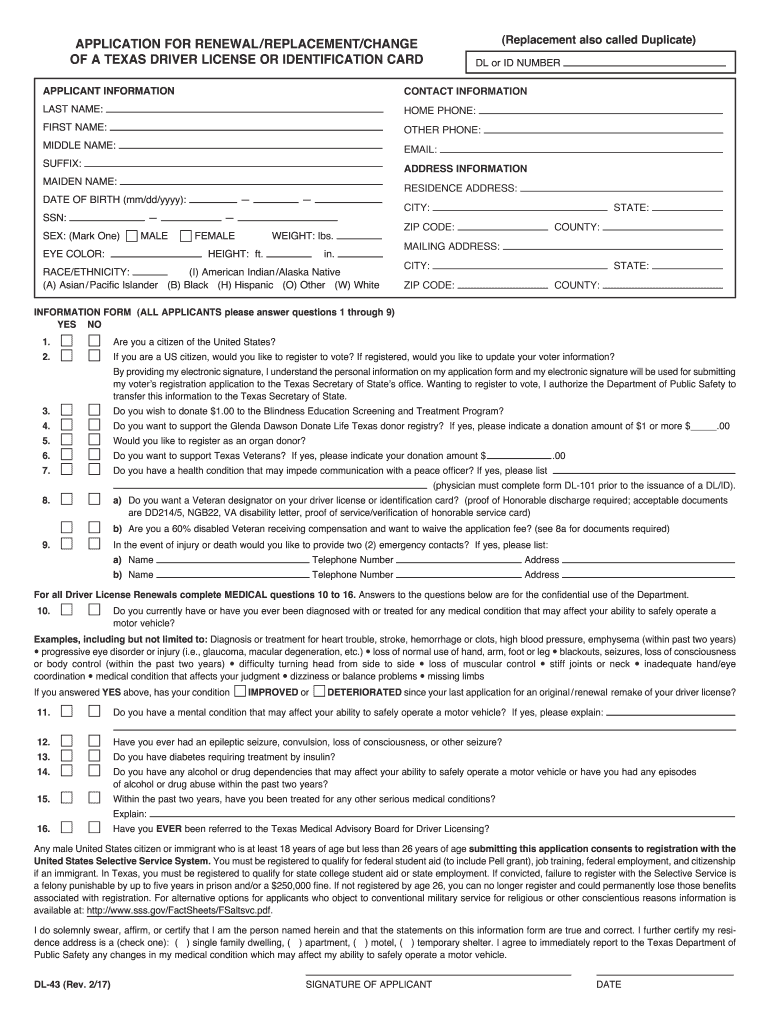
Mail Renewal: If you received a renewal notice that states you are eligible to renew by mail, simply follow the instructions provided. This usually involves completing a form, signing it, and mailing it back with your payment. This option is particularly useful for Texans who might be out-of-state or temporarily abroad, though it requires careful planning to ensure it arrives before expiration.
-
In-Person Renewal: For those who are not eligible for online or mail renewal, or who prefer face-to-face assistance, visiting a DPS driver license office is the way to go. This is mandatory if you need a new photo, if your license has been expired for more than two years, or if you are 79 or older. While waiting times can vary, many offices offer online appointment scheduling, which can significantly reduce your wait. This method also allows you to handle other services, such as changing your name or address, simultaneously. Be sure to gather all necessary documents before your visit.
Essential Documents and What to Bring
Regardless of your chosen method (especially for in-person renewal), having the correct documentation is critical. For an in-person renewal, you will typically need:
- Proof of Identity: Your current Texas driver’s license is often sufficient if it’s still valid. If not, you’ll need primary identification such as a U.S. passport, a U.S. birth certificate, or a permanent resident card.
- Proof of U.S. Citizenship or Lawful Presence: A U.S. birth certificate or passport, Certificate of Naturalization, or valid immigration documents issued by United States Citizenship and Immigration Services (USCIS) are acceptable.
- Proof of Social Security Number (SSN): Your Social Security Card or a document with your full SSN (e.g., a W-2 form, SSA-1099, or pay stub).
- Proof of Texas Residency: Two different documents showing your name and current Texas address. Examples include a utility bill, bank statement, mortgage statement, or lease agreement.
- Proof of Vehicle Registration (if applicable): If you own a vehicle.
- Proof of Insurance (if applicable): For your vehicle.
It’s always a good idea to check the official Texas DPS website for the most current and detailed list of required documents before proceeding with your renewal, as requirements can sometimes change.
Special Considerations for Texans on the Go
For individuals embracing a lifestyle that involves frequent travel or living temporarily outside of Texas, renewing a driver’s license can present unique challenges. However, the DPS has provisions to accommodate these situations.
Renewing While Out-of-State or Abroad
If you are a Texas resident but find yourself out-of-state or even out of the country when your license expires, you may still be able to renew by mail. The Texas DPS website provides forms specifically for out-of-state or out-of-country renewals (e.g., DL-16, DL-16N). You will need to complete the form, have your vision statement certified by an eye doctor in your current location, and mail it along with the required fee. It’s crucial to start this process well in advance of your license’s expiration date, as international mail can take time. For military personnel and their dependents stationed abroad, special extensions and mail-in options are also available, recognizing their commitment and the unique logistical hurdles they face. Having a valid license is especially critical for military families, as it’s often tied to base access and other essential services, both domestically and internationally.
REAL ID Compliance: Your Gateway to Air Travel
The REAL ID Act, passed by Congress in 2005, established minimum security standards for state-issued driver’s licenses and identification cards and prohibits federal agencies from accepting for certain purposes driver’s licenses and identification cards from states that do not meet these standards. As of May 7, 2025 (after several postponements), a REAL ID compliant driver’s license or another acceptable form of identification (like a U.S. passport) will be required to board domestic flights and access certain federal facilities.
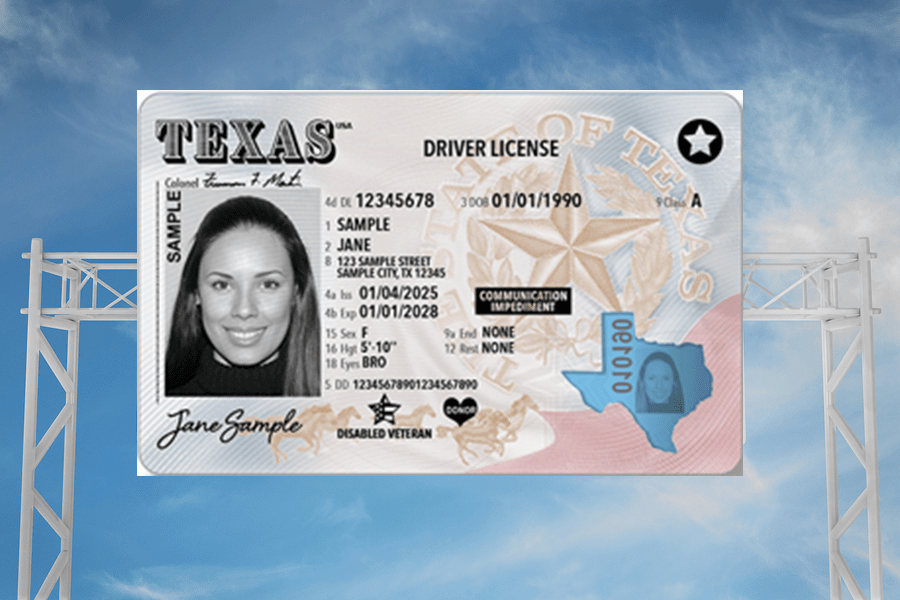
Most Texas driver’s licenses issued after October 2016 are already REAL ID compliant, indicated by a gold star in the upper right-hand corner. If your current Texas license does not have this star, you will need to renew it in person at a DPS office to ensure compliance. This is a vital consideration for anyone who enjoys domestic air travel, whether for leisure or business. Ensuring your license is REAL ID compliant means one less thing to worry about when packing your bags for a weekend getaway to New York City or a business trip to California.
Tips for a Smooth Renewal Experience
Renewing your driver’s license doesn’t have to be a chore. With a little planning and attention to detail, you can ensure a smooth and efficient process, allowing you to get back to planning your next adventure or simply enjoying the everyday conveniences of a valid ID.
Planning Ahead and Avoiding Common Pitfalls
The best advice for renewing your driver’s license is to start early. Don’t wait until the last minute. The Texas DPS sends out renewal notices well in advance for a reason. This gives you ample time to gather documents, schedule an appointment, or process a mail-in renewal.
Common pitfalls to avoid include:
- Expired too long: If your license has been expired for more than two years, you may be required to retake the written and driving tests.
- Incorrect documentation: Always double-check the DPS website for the exact documents required for your specific situation.
- Unpaid fees/tickets: Ensure you have no outstanding traffic violations or fees, as these can block your renewal.
- Not updating address: If you’ve moved, update your address promptly. While you can sometimes renew online with an address change, an in-person visit might be necessary if your official records are very outdated.
For those planning to embark on a long-term stay in another city or even an extended tour across several countries, making sure your driver’s license is valid for the entire duration of your trip is a fundamental step in pre-departure planning.
Fees and Payment Options
The fee for renewing a standard Class C non-commercial driver’s license in Texas is typically around $33 and is valid for six years. Fees for other license types (e.g., commercial driver’s license) or special endorsements may vary.
Payment options generally include:
- Online: Credit card or debit card.
- Mail: Check or money order.
- In-person: Cash, check, money order, or major credit/debit cards.
Always verify the current fees on the official Texas DPS website, as they are subject to change.
Your Texas Driver’s License: A Passport to Exploration
In the grand scheme of travel and lifestyle, your Texas driver’s license is more than just a piece of plastic; it’s a vital tool that facilitates freedom, convenience, and access to countless experiences. From renting a car to explore the scenic routes of Big Bend National Park, to checking into a boutique hotel in downtown Houston, or simply confirming your identity for a local cultural experience in San Antonio, an up-to-date license is indispensable. By understanding the renewal process, preparing your documents, and planning ahead, you can ensure that your Texas driver’s license remains a valid and reliable companion on all your journeys, both near and far. Make the renewal process a priority, and enjoy the open road and all the incredible destinations Texas and beyond have to offer.
LifeOutOfTheBox is a participant in the Amazon Services LLC Associates Program, an affiliate advertising program designed to provide a means for sites to earn advertising fees by advertising and linking to Amazon.com. Amazon, the Amazon logo, AmazonSupply, and the AmazonSupply logo are trademarks of Amazon.com, Inc. or its affiliates. As an Amazon Associate we earn affiliate commissions from qualifying purchases.