
Planning a trip to the enchanting city of Orlando, Florida, involves myriad details, from selecting the perfect accommodation to mapping out your adventures at world-renowned theme parks. Amidst the excitement of envisioning thrilling rides and magical moments, one fundamental piece of information often gets overlooked but is crucial for a smooth journey: understanding the local time zone. Knowing Orlando’s time zone isn’t just a matter of curiosity; it’s a practical necessity that impacts everything from flight schedules and hotel check-ins to dining reservations and managing jet lag. For anyone traveling to this vibrant destination, whether for leisure, business, or a family vacation, aligning your internal clock with the local rhythm ensures a seamless and stress-free experience from the moment you arrive.
This comprehensive guide will delve into Orlando’s time zone, explain the nuances of Daylight Saving Time, and provide invaluable tips for travelers to navigate time differences effectively. We’ll explore why this knowledge is paramount for planning your itinerary, maximizing your enjoyment of the city’s countless attractions, and ensuring that every aspect of your travel, accommodation, and lifestyle choices in Orlando is perfectly synchronized.
Understanding Orlando’s Time Zone: EST and EDT
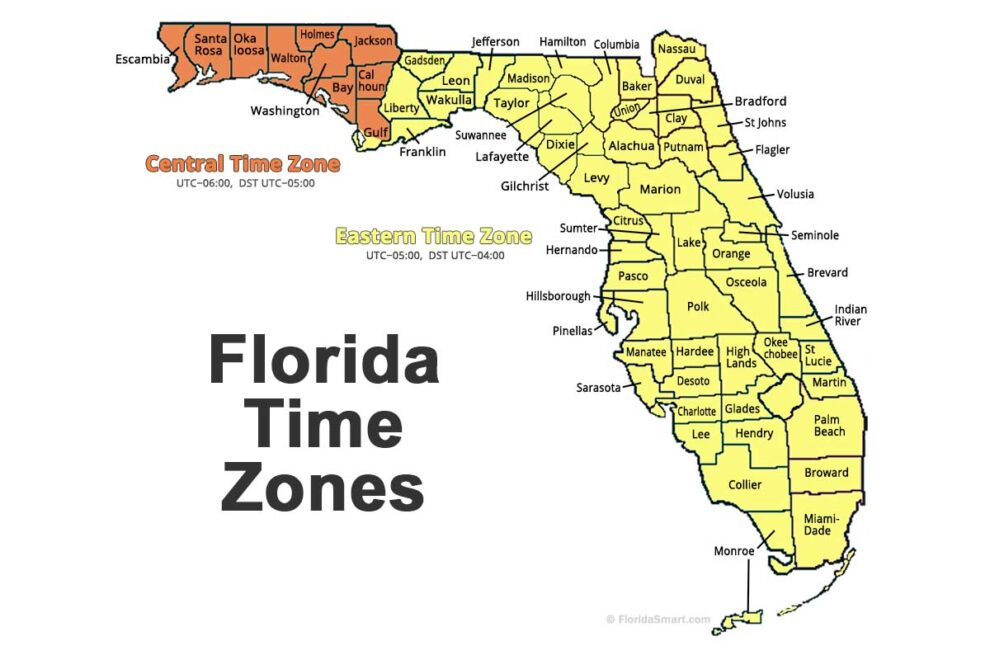
Orlando operates under the Eastern Time Zone, which encompasses a significant portion of the eastern United States and Canada. Specifically, this means that throughout the year, Orlando observes two distinct time designations: Eastern Standard Time (EST) and Eastern Daylight Time (EDT).
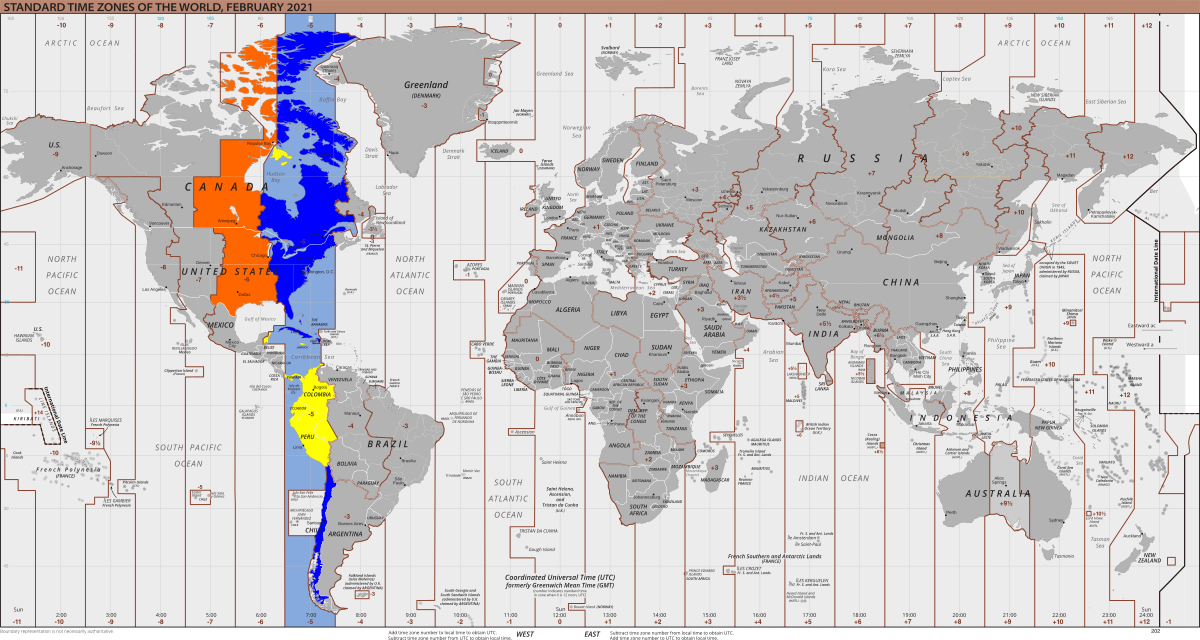
During the colder months, roughly from early November to mid-March, Orlando adheres to Eastern Standard Time (EST). This time zone is five hours behind Coordinated Universal Time (UTC) or Greenwich Mean Time (GMT), often expressed as UTC-5. This means that when it is 12:00 PM UTC, it is 7:00 AM in Orlando.
However, like most of the United States, Orlando observes Daylight Saving Time (DST). This annual shift typically begins on the second Sunday in March and concludes on the first Sunday in November. During DST, clocks are moved forward by one hour, switching the city to Eastern Daylight Time (EDT). EDT is four hours behind UTC (UTC-4). So, during these months, when it is 12:00 PM UTC, it is 8:00 AM in Orlando. This change allows for an extra hour of daylight in the evenings, a welcome bonus for tourists eager to extend their theme park visits or enjoy outdoor activities.
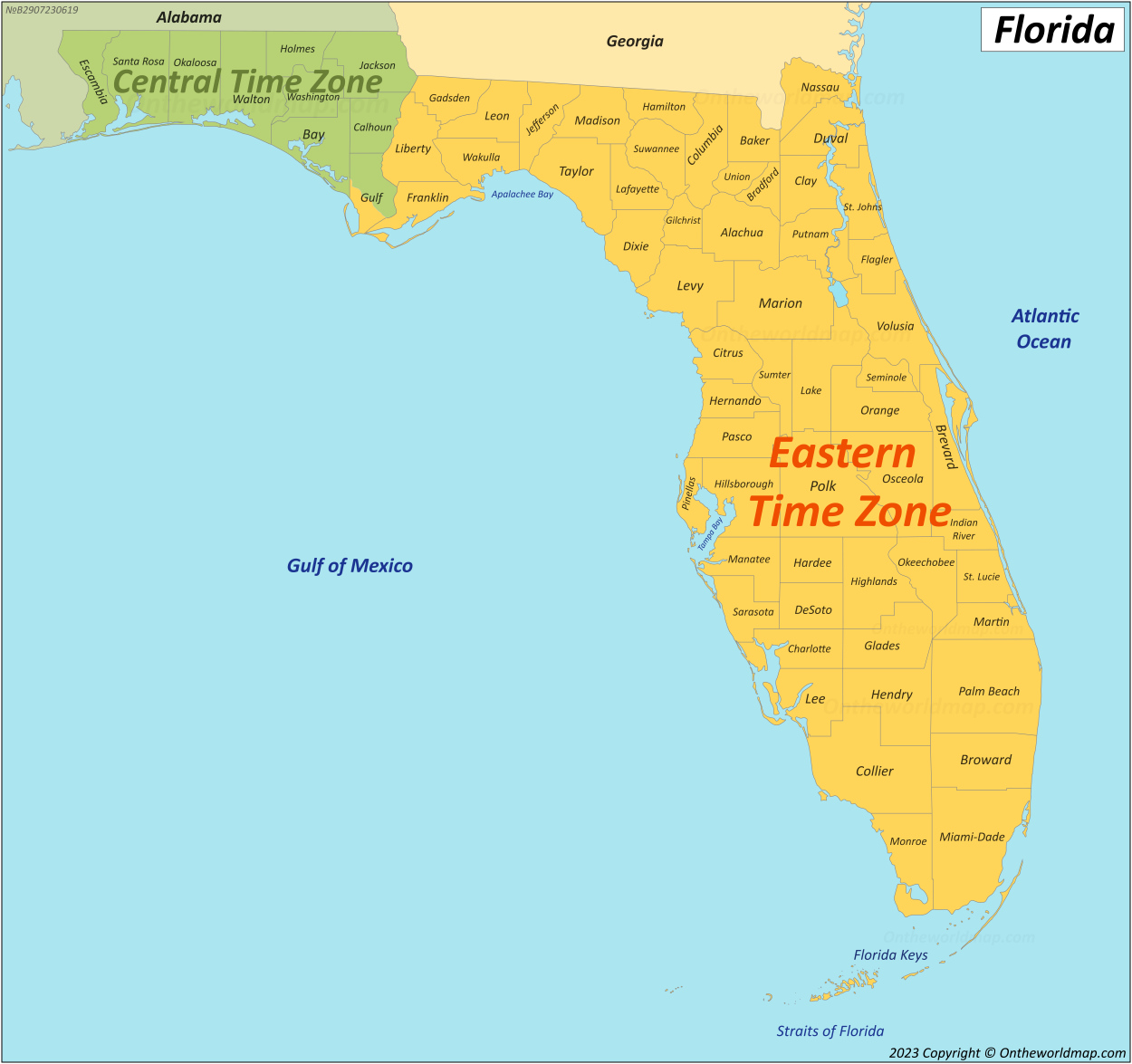
It’s important to note that the entire state of Florida primarily falls within the Eastern Time Zone, with the exception of a portion of the Florida Panhandle, which observes the Central Time Zone. However, for practical purposes concerning travel to Orlando and its immediate surroundings like Kissimmee and Lake Buena Vista, the Eastern Time Zone is the only one you need to consider.
Why Knowing the Time Zone Matters for Travelers
For visitors to Orlando, an understanding of its time zone, including the shift for Daylight Saving Time, is paramount for several reasons:
- Flight Schedules and Transportation: All flight arrival and departure times for Orlando International Airport (MCO) are listed in local Orlando time. Miscalculating the time difference could lead to missed flights or long waits. Similarly, scheduling shuttle services, ride-shares, or rental car pickups will depend on accurate timekeeping.
- Accommodation Check-ins and Check-outs: Hotels, resorts, and vacation rentals in Orlando adhere strictly to local check-in and check-out times. Arriving too early or too late without prior arrangement can impact your stay, especially if you have a tight schedule for park entry or other activities.
- Theme Park and Attraction Operating Hours: Orlando’s world-famous theme parks, such as Walt Disney World Resort and Universal Orlando Resort, meticulously publish their opening and closing times in local Orlando time. Early park entry benefits and dining reservations within the parks require precise timing.
- Dining Reservations and Shows: Many popular restaurants, particularly those offering unique character dining experiences or located within resorts, require advance reservations. These bookings are always in local time. The same applies to tickets for shows, concerts, or other entertainment venues around the city.
- Communication with Home: Staying in touch with family, friends, or colleagues back home becomes easier when you’re aware of the time difference. This helps avoid inconvenient calls in the middle of the night or during crucial work hours for those in different time zones.
- Managing Jet Lag: For international travelers or those crossing multiple time zones within the United States, understanding the exact time difference is the first step in preparing for and mitigating the effects of jet lag.
Navigating Time Differences: Tips for Travelers
Successfully managing time differences is key to enjoying your Orlando vacation from start to finish. A little preparation and awareness can make a significant difference, especially when crossing multiple time zones.
Before You Go: Planning Your Trip
- Consult a Time Zone Converter: Before your trip, use online time zone converters to understand the exact difference between your home location and Orlando, especially if traveling during the Daylight Saving Time transition periods.
- Review Flight Details Carefully: Double-check all flight itineraries for arrival and departure times, noting if they are listed in local time for each airport. Pay attention to any layovers and their respective time zones.
- Confirm Booking Times: Always confirm the local time for hotel check-ins, attraction entry, dining reservations, and any pre-booked tours or experiences. Having these times clearly noted in your itinerary will prevent confusion.
- Communicate with Your Party: If traveling with a group or meeting others in Orlando, ensure everyone is aware of and synced to the local time.
- Set Your Devices: Upon arrival or even before your flight, set all your electronic devices (phones, smartwatches) to Orlando’s local time. This simple step can prevent many small miscalculations. Consider a travel alarm clock if you prefer a traditional wake-up.
Adjusting to Orlando Time: Beating Jet Lag
Jet lag can significantly dampen the start of your vacation. However, with a few strategic adjustments, you can minimize its impact and quickly adapt to Orlando’s rhythm.
- Gradual Adjustment: If possible, start adjusting your sleep schedule a few days before your trip. Shift your bedtime and wake-up time by an hour or two each day to gradually align with Orlando time.
- Hydrate and Avoid Alcohol/Caffeine: Dehydration exacerbates jet lag. Drink plenty of water before, during, and after your flight. While tempting, excessive alcohol or caffeine can disrupt your sleep cycle, so consume them in moderation.
- Embrace Natural Light: Upon arrival in Orlando, try to expose yourself to natural sunlight as much as possible, especially in the morning. Sunlight helps reset your body’s internal clock. If arriving in the evening, try to stay awake until a reasonable local bedtime.
- Stay Active: Engage in light activities shortly after arrival, such as exploring your resort or taking a leisurely walk. Physical activity can help you feel more alert and tired enough for a good night’s sleep later.
- Mind Your Meals: Try to eat your meals according to Orlando’s local meal times. Eating can also signal to your body when it’s day or night.
- Power Naps (Short and Strategic): If you must nap, keep it short (20-30 minutes) and avoid napping too late in the afternoon, which could interfere with nighttime sleep.
- Be Patient: It takes time for your body to adjust. Don’t stress if you don’t feel 100% on day one. Give yourself grace and focus on enjoying the many wonders Orlando has to offer.
Orlando: A Hub of Attractions and Experiences
Orlando’s reputation as a global tourism powerhouse is well-earned, drawing millions of visitors each year with its unparalleled collection of theme parks, entertainment venues, and diverse leisure activities. Understanding the local time zone is not just about logistics; it’s about maximizing every precious moment in a city designed for unforgettable experiences. From the first rope drop at a theme park to a late-night show, precise timing ensures you don’t miss a beat.
Theme Park Adventures and Beyond
The heart of Orlando’s appeal lies in its iconic theme parks, each offering unique worlds of fantasy, adventure, and thrills:
- Walt Disney World Resort: Home to four enchanting theme parks – Magic Kingdom, Epcot, Hollywood Studios, and Animal Kingdom – along with two water parks, a shopping and dining district (Disney Springs), and dozens of themed resorts. Managing your schedule within Disney World is an art, with early park entry, Genie+ lightning lanes, and dining reservations all operating on a strict EST/EDT clock.
- Universal Orlando Resort: Comprising Universal Studios Florida, Universal’s Islands of Adventure (which includes The Wizarding World of Harry Potter), and Universal’s Volcano Bay water theme park. Like Disney, Universal also features hotels and an entertainment complex (Universal CityWalk). Timely arrival is crucial for popular rides and shows, especially during peak seasons.
- SeaWorld Orlando: Offering marine life encounters, thrilling roller coasters, and captivating shows. Its sister parks, Aquatica Orlando (a water park) and Discovery Cove (an all-inclusive day resort for animal interactions), also adhere to the same timekeeping.
- Other Noteworthy Attractions: Beyond the major parks, Orlando boasts a plethora of other attractions like ICON Park (home to The Wheel, Madame Tussauds Orlando, and SEA LIFE Orlando Aquarium), Gatorland, and even nearby attractions like the Kennedy Space Center Visitor Complex on Florida’s Space Coast, all operating on the Eastern Time Zone.
Accommodation and Dining in Orlando
Orlando’s diverse range of accommodations caters to every budget and lifestyle, from lavish five-star resorts and themed hotels to budget-friendly suites, spacious villas, and convenient apartments. The “Hotels” and “Accommodation” aspects of your trip are directly tied to the local time:
- Booking and Check-in: Understanding the local time facilitates smooth booking processes and ensures you arrive at your chosen resort (e.g., Four Seasons Resort Orlando at Walt Disney World Resort, Loews Portofino Bay Hotel at Universal Orlando Resort, or one of the many International Drive hotels) precisely when your room is ready. Early arrivals or late departures often require coordination with the front desk, and this communication is always based on local time.
- Resort Amenities and Activities: Most resorts offer a calendar of daily activities, kids’ club schedules, spa appointments, and pool operating hours, all published in Orlando time.
- Dining Experiences: Orlando is a culinary melting pot, offering everything from quick-service bites to gourmet dining. Securing reservations at popular establishments, especially during peak dinner hours or at highly sought-after restaurants within theme parks or luxury resorts, is critical and strictly time-dependent. Missing a reservation due to a time zone miscalculation can be a frustrating experience.
Orlando’s Influence on Travel and Tourism
Orlando’s consistent adherence to the Eastern Time Zone, with its predictable shift to Daylight Saving Time, plays a subtle yet significant role in its functionality as a global travel and tourism hub. For an international city that welcomes millions from various corners of the globe, this consistency simplifies complex logistics.
The presence of a major international gateway like Orlando International Airport (MCO) underscores the importance of clear time zone protocols. Airlines, ground transportation providers, and hospitality businesses rely on this uniformity to manage schedules, coordinate staff, and serve a diverse international clientele efficiently. Visitors arriving from Europe, South America, or other parts of North America can quickly ascertain the time difference, simplifying their travel preparations.
Moreover, Orlando’s position as a family-friendly destination means that a clear understanding of time is crucial for parents managing young children’s sleep schedules, mealtimes, and energy levels for a full day of park adventures. The “Lifestyle” aspect of travel here often revolves around meticulous planning to maximize fun and minimize stress, where time management is a core component. From luxury travel experiences where every detail is choreographed to budget-conscious trips where optimizing every moment is key, the local time zone acts as the universal rhythm by which all plans are set.
In essence, while the magic of Orlando captivates visitors with its fantasy and escapism, the practical realities of time zones underpin the smooth operation of this vast tourism ecosystem. It allows service providers to deliver seamless experiences and empowers travelers to make the most of their visit without the hindrance of avoidable delays or missed opportunities.
In conclusion, knowing that Orlando observes Eastern Standard Time (UTC-5) in winter and Eastern Daylight Time (UTC-4) in summer is more than just a piece of trivia. It’s fundamental knowledge for any traveler heading to the Theme Park Capital of the World. By being mindful of the time zone and making proactive adjustments, you can ensure your trip to Orlando is as magical and memorable as you’ve always dreamed, free from logistical worries and perfectly in sync with all the incredible experiences awaiting you.
LifeOutOfTheBox is a participant in the Amazon Services LLC Associates Program, an affiliate advertising program designed to provide a means for sites to earn advertising fees by advertising and linking to Amazon.com. Amazon, the Amazon logo, AmazonSupply, and the AmazonSupply logo are trademarks of Amazon.com, Inc. or its affiliates. As an Amazon Associate we earn affiliate commissions from qualifying purchases.