
Navigating the administrative tasks of vehicle ownership in a new state can feel like charting unfamiliar territory. For those who have recently relocated to the Sunshine State or are in the process of establishing residency, understanding the ins and outs of renewing your vehicle registration in Florida is crucial. This process, while seemingly straightforward, involves several key steps and considerations to ensure you remain compliant with state laws and can continue to drive your vehicle legally.
Renewing your Florida vehicle registration is a fundamental aspect of responsible car ownership. It’s not just about avoiding a ticket; it’s about ensuring your vehicle is properly documented, insured, and safe to operate on the roads. Whether you’re a snowbird settling in for the season or a permanent resident making Florida your home, this guide will walk you through everything you need to know to keep your registration current and your driving experience smooth.
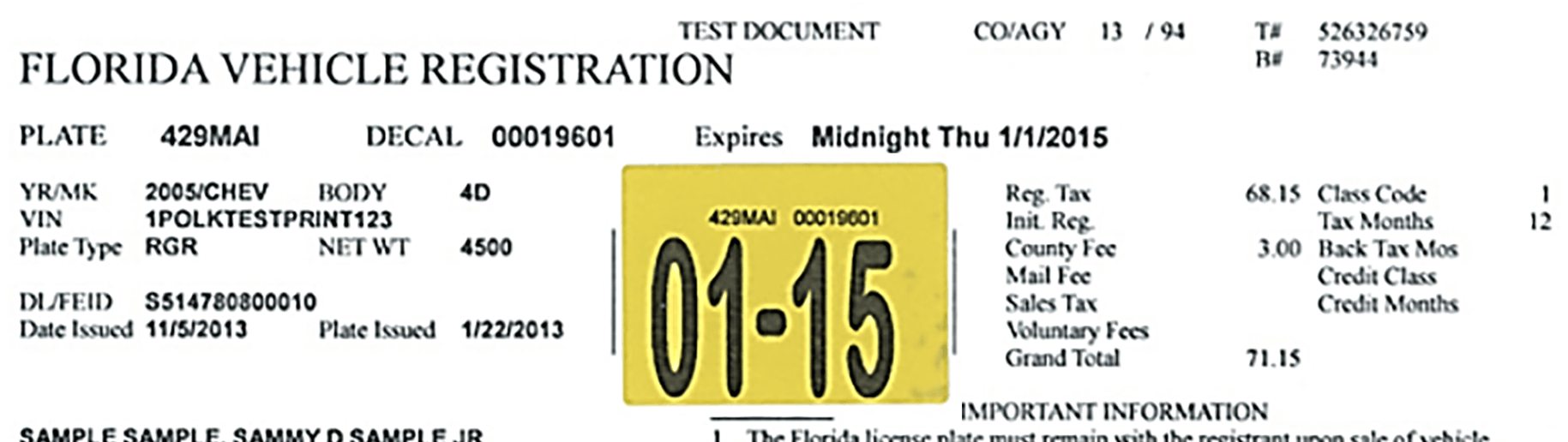
Understanding Your Florida Vehicle Registration Renewal
Before diving into the “how-to,” it’s essential to grasp the fundamental aspects of your Florida vehicle registration. This includes understanding when your registration expires, what documents you’ll need, and the various methods available for renewal. Florida uses a staggered renewal system, meaning that vehicle registrations do not all expire on the same day. Instead, they are distributed throughout the year, typically based on the first letter of the owner’s last name or the Florida business name. This system helps the Florida Department of Highway Safety and Motor Vehicles (FLHSMV) manage the workload and provides a more consistent flow of renewals.
Your registration renewal notice, usually mailed by the FLHSMV approximately 60 days before your expiration date, will clearly state your renewal deadline. It’s important to keep this notice in a safe place or make a note of the date. If you do not receive a renewal notice, it is still your responsibility to renew your registration on time. You can typically obtain renewal information through the FLHSMV website or by visiting a local county tax collector’s office.
Key Information for Renewal
- Expiration Date: This is the most critical piece of information. Your expiration date is usually the last day of your birth month, or the last day of the month in which your business is registered. The notice will clearly specify this date.
- Renewal Fee: The cost of registration renewal varies depending on the type of vehicle, its weight, and any applicable local fees. Your renewal notice will provide the exact amount due.
- Required Documentation: To renew your registration, you will generally need proof of Florida insurance. This typically includes an insurance identification card or policy declaration page showing valid Florida no-fault and property damage liability coverage. For certain types of vehicles or in specific situations, additional documentation might be required.
- Emissions Inspection (if applicable): In some counties within Florida, an emissions inspection may be required for certain vehicles. However, Florida has significantly reduced the number of counties requiring emissions tests in recent years. It’s best to check with your local tax collector’s office or the FLHSMV website to determine if your vehicle requires an emissions inspection in your specific county.
Understanding these core components will prepare you for the actual renewal process, whether you choose to renew online, by mail, or in person.
Methods for Renewing Your Florida Vehicle Registration
Florida offers several convenient options for renewing your vehicle registration, catering to different preferences and needs. The most common methods include online renewal, renewal by mail, and in-person renewal at a county tax collector’s office. Each method has its own set of advantages and requirements.
Online Renewal: The Fastest and Easiest Option
For many Florida residents, online renewal is the preferred method due to its speed, convenience, and accessibility. The FLHSMV provides a secure online portal that allows you to renew your registration from the comfort of your home or office, at any time of day.
Steps for Online Renewal:
- Visit the FLHSMV Website: Navigate to the official Florida Department of Highway Safety and Motor Vehicles website. Look for the section dedicated to motor vehicle services or online renewals.
- Enter Your Information: You will typically need your license plate number and the last four digits of your Vehicle Identification Number (VIN). Some systems may also ask for your current registration number or other identifying information to access your record.
- Verify Insurance Information: The online system will usually verify your Florida insurance status electronically. Ensure your insurance policy is current and accurately entered in the system.
- Review and Pay Fees: The portal will display the total renewal fees due. You can pay securely using a credit or debit card.
- Print Your Receipt and New Decal: Once your payment is processed, you will receive a confirmation of your renewal and a printable receipt. You will also be mailed a new registration decal to affix to your license plate. It’s important to print your receipt as temporary proof of renewal until your new decal arrives.
Online renewal is often the quickest way to complete the process, typically taking just a few minutes. It eliminates the need for waiting in line and allows for renewal 24/7.
Renewal by Mail: A Traditional Approach
If you prefer a more traditional approach or cannot access online services, renewing your registration by mail is still a viable option. This method requires you to mail the necessary documents and payment to your local county tax collector’s office.
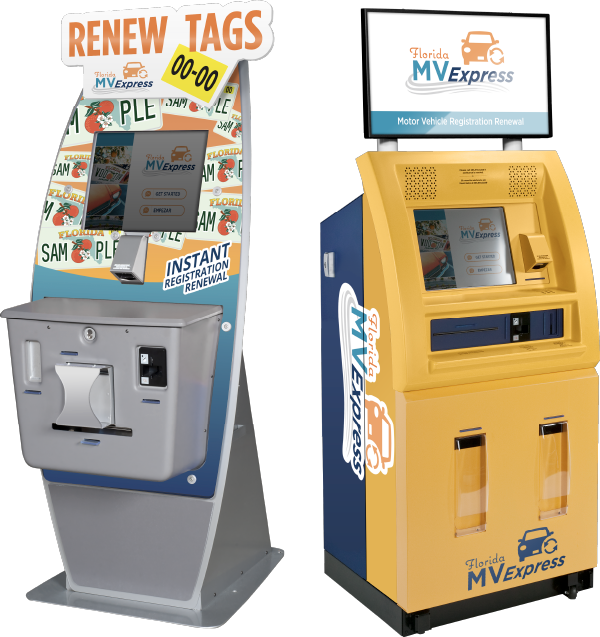
Steps for Renewal by Mail:
- Gather Necessary Documents: You will need your completed renewal notice (if you received one), proof of Florida insurance, and a check or money order for the exact renewal fee. Ensure your insurance card or policy declaration page clearly shows your Florida coverage.
- Complete the Renewal Form: If you received a renewal notice, fill out the required fields. If not, you may need to download a renewal form from your county tax collector’s website or the FLHSMV website.
- Send Payment: Make your check or money order payable to the specific county tax collector’s office. Do not send cash through the mail.
- Mail to Your County Tax Collector: Address the envelope to your local county tax collector’s office. It’s recommended to mail your renewal at least two weeks before your expiration date to allow for processing time and postal delivery. You can usually find the correct mailing address on your renewal notice or the county tax collector’s website.
Renewal by mail can take longer than online renewal, so it’s essential to plan ahead to avoid any lapse in your registration.
In-Person Renewal: Direct Assistance at Your Local Office
For those who prefer face-to-face assistance or have specific questions, renewing your registration in person at a county tax collector’s office is an excellent choice. These offices are equipped to handle all aspects of vehicle registration and can provide immediate service.
Steps for In-Person Renewal:
- Locate Your Local Tax Collector’s Office: Find the nearest Florida county tax collector’s office. Most counties have multiple locations. You can typically find a directory on the FLHSMV website or by searching online.
- Bring Required Documents: You will need your current registration, driver’s license, proof of Florida insurance, and payment for the renewal fees. Some offices may have specific requirements, so it’s a good idea to check their website or call ahead.
- Visit the Office: Go to the tax collector’s office during their business hours. Be prepared for potential wait times, especially during peak periods.
- Complete the Process: A customer service representative will assist you with renewing your registration. They will process your payment, verify your insurance, and issue your new registration and decal on the spot.
In-person renewal offers the benefit of immediate service and the opportunity to ask questions directly to knowledgeable staff. It’s particularly useful if you have a complex registration issue or need clarification on any aspect of the process.
Special Considerations for Florida Vehicle Registration Renewal
While the general process for renewing your Florida vehicle registration is consistent, there are a few special considerations that may apply to your situation. These can include renewals for specific vehicle types, managing multiple vehicles, or dealing with issues like lapsed insurance or expired registrations.
Renewing for Multiple Vehicles
If you own multiple vehicles in Florida, you can typically renew them all at once, either online or in person. When renewing online, you will likely need to enter the details for each vehicle individually. If you are renewing in person, the tax collector’s office can assist you with consolidating the renewals. It’s a good practice to keep track of all your vehicle registration deadlines to ensure none are missed.
Lapsed Insurance and Registration
Driving with an expired registration or without valid Florida insurance is a serious offense. If your registration has expired, you will still need to pay the renewal fees, and you may also be subject to late fees. The FLHSMV’s online system or your local tax collector’s office can inform you of any accumulated penalties.
If your Florida insurance has lapsed, you will need to obtain new insurance coverage before you can renew your registration. The FLHSMHV system electronically verifies insurance, so ensure your new policy is active and correctly reported to the state before attempting to renew. Driving without insurance can lead to significant penalties, including fines, license suspension, and vehicle impoundment.

Specific Vehicle Types and Requirements
Some vehicles may have specific renewal requirements. For instance, commercial vehicles, motorcycles, and vehicles with personalized license plates might have different fee structures or documentation needs. It’s always best to consult the FLHSMV website or your local tax collector’s office if you are unsure about the specific requirements for your vehicle type.
For example, if you’re planning a road trip across Florida, perhaps driving from the vibrant streets of Miami to the historic charm of St. Augustine, ensuring your vehicle registration is up-to-date is paramount. Even if your journey takes you past iconic landmarks like the Everglades National Park or the stunning beaches of Clearwater, a valid registration ensures you can enjoy the journey without interruption. This principle applies whether you’re staying in a luxurious suite at the Fontainebleau Miami Beach or a cozy villa near Orlando. The freedom to explore Florida’s diverse attractions, from the thrilling rides at Walt Disney World Resort to the serene beauty of Bok Tower Gardens, is directly tied to maintaining your vehicle’s legal status.
The convenience of Florida’s renewal options, whether it’s a quick online update before a flight from Fort Lauderdale-Hollywood International Airport or a planned visit to a tax collector’s office in Tampa, is designed to support the dynamic lifestyle of its residents and visitors alike. Understanding the renewal process is a small but essential part of embracing the Florida lifestyle, ensuring that every drive, whether it’s a short commute or a long-distance adventure, is conducted smoothly and legally. This proactive approach to vehicle registration not only keeps you compliant but also peace of mind as you explore everything the Sunshine State has to offer, from the artistic enclaves of Key West to the natural wonders surrounding Panama City Beach.
LifeOutOfTheBox is a participant in the Amazon Services LLC Associates Program, an affiliate advertising program designed to provide a means for sites to earn advertising fees by advertising and linking to Amazon.com. Amazon, the Amazon logo, AmazonSupply, and the AmazonSupply logo are trademarks of Amazon.com, Inc. or its affiliates. As an Amazon Associate we earn affiliate commissions from qualifying purchases.