
As the sun-drenched shores of Florida beckon travelers with promises of vibrant attractions, world-class resorts, and unforgettable experiences, a perennial concern lingers in the minds of both residents and visitors: the looming possibility of hurricanes. While the allure of theme parks, pristine beaches, and lively local culture remains strong, understanding the tropical weather patterns that can impact the Sunshine State is crucial for safe and enjoyable travel and lifestyle choices. This article delves into the current outlook for hurricane activity in Florida, offering insights relevant to your travel plans, accommodation bookings, and overall understanding of this dynamic region.

The Atlantic hurricane season officially runs from June 1st to November 30th, with the peak activity typically occurring between mid-August and mid-October. This period is characterized by warm ocean waters, atmospheric instability, and favorable wind patterns that can foster the development of tropical depressions, which can then intensify into tropical storms and, ultimately, hurricanes. Florida, with its extensive coastline bordering both the Atlantic Ocean and the Gulf of Mexico, is particularly susceptible to these powerful weather systems.
Understanding Hurricane Forecasting and Preparedness
The science behind predicting hurricane formation and track has advanced significantly over the years. Agencies like the National Hurricane Center in Miami, Florida, utilize a sophisticated network of satellites, weather buoys, reconnaissance aircraft, and computer models to monitor atmospheric conditions and forecast the potential development and movement of tropical cyclones. These forecasts are essential for public safety, allowing authorities and individuals to prepare for potential impacts.
The Role of Climate Patterns and Sea Surface Temperatures
Several factors influence the intensity and frequency of hurricane seasons. El Niño-Southern Oscillation (ENSO) cycles, particularly the warmer phase known as El Niño, can suppress Atlantic hurricane activity, while the cooler phase, La Niña, often correlates with a more active season. Additionally, anomalously warm sea surface temperatures in the Atlantic basin provide the necessary fuel for hurricanes to form and strengthen. When these waters are significantly warmer than average, it can lead to an increase in the number and intensity of storms. Forecasters closely monitor these global climate patterns and regional oceanographic conditions when issuing their seasonal outlooks. These outlooks, released by entities like the National Oceanic and Atmospheric Administration (NOAA), provide an early indication of the potential for an above-average, average, or below-average hurricane season.
Staying Informed: Reliable Sources for Hurricane Information
For anyone planning a trip to Florida or considering long-term stays during the hurricane season, staying informed about potential threats is paramount. The most reliable sources for real-time information and advisories include:
- The National Hurricane Center (NHC): This is the primary source for official hurricane forecasts, advisories, and warnings. Their website provides detailed track maps, intensity predictions, and storm surge probabilities.
- Local Emergency Management Agencies: Each county and city in Florida has its own emergency management agency that issues local evacuation orders and preparedness guidelines.
- Reputable News Outlets: Local and national news organizations that have established relationships with the NHC and emergency services can provide timely updates.
It’s important to rely on these official and reputable sources rather than unsubstantiated rumors or social media speculation, which can often lead to unnecessary alarm or complacency. Understanding the difference between a “watch” (conditions are possible within 48 hours) and a “warning” (conditions are expected within 36 hours) is critical for making timely decisions.
Planning Your Florida Trip Amidst Hurricane Season
The prospect of a hurricane can understandably cause anxiety for those planning travel to Florida. However, with careful planning and awareness, it is entirely possible to enjoy a wonderful vacation. The vast majority of hurricane season passes without significant disruption. Furthermore, many of Florida’s popular tourist destinations are well-equipped to handle the impacts of tropical weather, and robust emergency preparedness plans are in place.
Choosing Your Travel Dates and Destinations Wisely
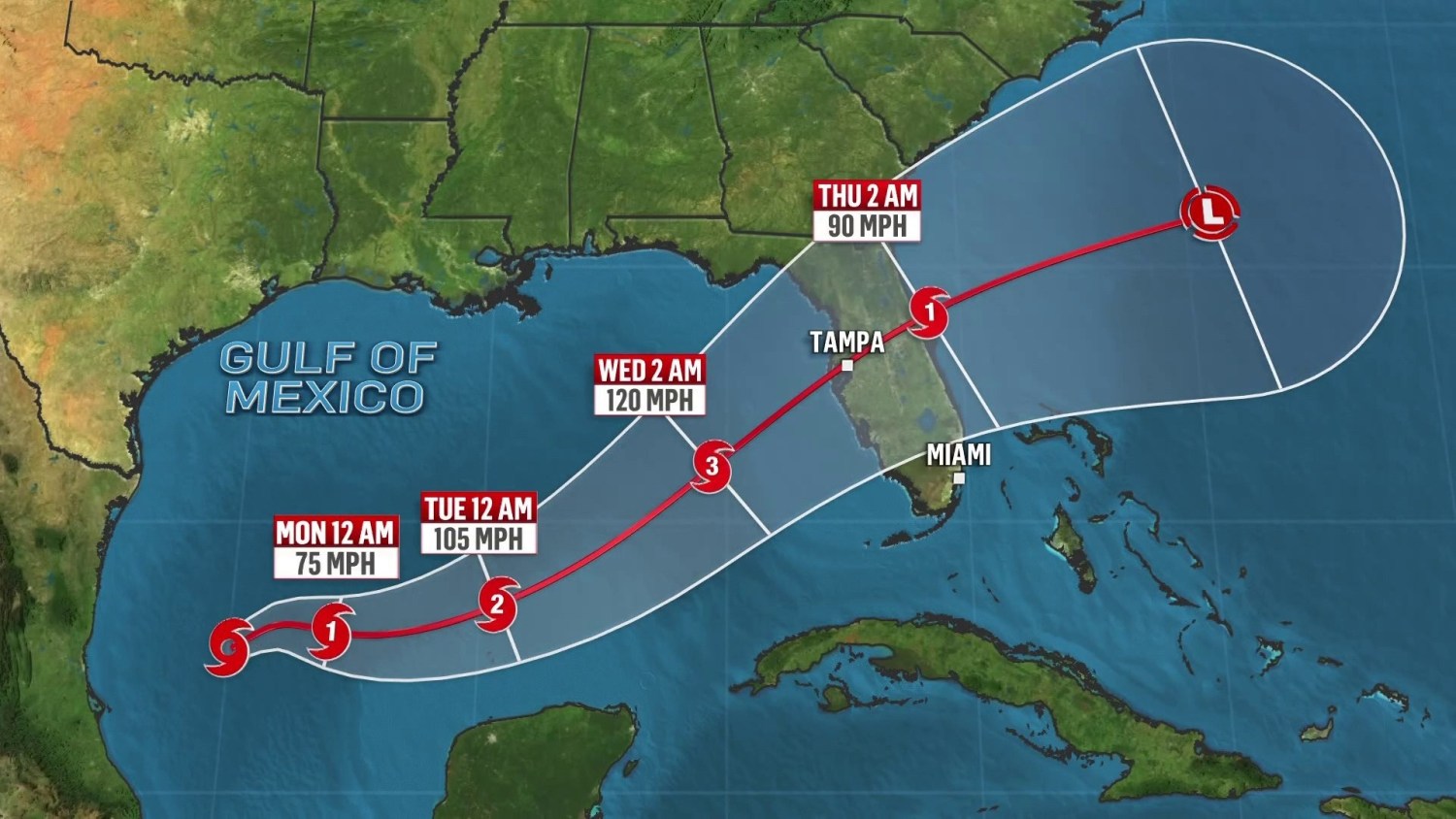
When booking flights and accommodation, consider the timing within the hurricane season. While the entire season poses a potential risk, the peak months (August, September, and October) generally see a higher likelihood of storm activity. If your travel dates are flexible, you might consider visiting earlier in June or May, or later in November, when the risk is statistically lower, although never zero.
When selecting your destination within Florida, consider the varying terrain and historical storm patterns. Coastal areas are more vulnerable to storm surge, while inland regions might experience significant rainfall and wind damage. Researching the specific history of hurricane impacts for your chosen city or region can be beneficial. For example, areas like the Florida Keys or the western coast of the Florida Panhandle have experienced notable impacts from past storms. However, it’s important to remember that hurricanes can affect any part of the state.
Accommodation and Travel Insurance: Essential Safeguards
Your choice of accommodation can significantly impact your safety and peace of mind. When booking hotels, resorts, or vacation rentals, inquire about their hurricane preparedness plans. Many establishments have policies in place for cancellations or rebookings due to severe weather. Look for properties that are not in designated flood zones or are built to withstand high winds. Familiarize yourself with the nearest hurricane shelters if you are staying in a particularly vulnerable area. Websites that offer booking, reviews, and comparison of accommodation often provide details about hotel policies and guest feedback regarding safety measures.
Purchasing travel insurance is a prudent step when traveling to Florida during hurricane season. Comprehensive travel insurance can protect you financially against unforeseen events, including trip cancellations, interruptions, medical emergencies, and lost luggage, especially those directly related to severe weather. Ensure your policy clearly outlines coverage for hurricane-related disruptions. This can provide invaluable security, allowing you to enjoy your trip with less worry about potential financial losses.
Navigating Florida’s Tourist Landscape During Potential Weather Events
Florida is celebrated for its diverse attractions, from the magical theme parks of Orlando to the historic charm of St. Augustine and the natural beauty of the Everglades National Park. While many of these landmarks and experiences can be enjoyed regardless of the season, potential hurricane threats can lead to temporary closures or altered operating hours.
Theme Parks, Attractions, and Landmarks: Staying Updated
Major tourist attractions, such as Walt Disney World Resort and Universal Orlando Resort, have well-established protocols for severe weather. They typically close in advance of a predicted hurricane and reopen once it is safe to do so. It is essential to check the official websites of these parks and other attractions for the most up-to-date information regarding operational status. Similarly, natural landmarks and historical sites may be temporarily closed for safety reasons. Being flexible with your itinerary and having backup plans can help mitigate disappointment.
Activities and Local Culture: Adapting Your Plans
Florida’s vibrant local culture offers a wealth of food and activities beyond the major tourist hubs. Exploring local farmers’ markets, enjoying fresh seafood, or visiting smaller museums can be rewarding experiences. However, during periods of heightened hurricane risk, it’s wise to confirm the operating hours of these establishments as well. Many restaurants and smaller businesses may close preemptively. Embracing indoor activities like visiting museums, art galleries, or enjoying a fine dining experience can be excellent alternatives if outdoor plans are disrupted. Understanding local tips for dealing with weather can also be invaluable. For instance, knowing where to find essential supplies or understanding local transportation alternatives is crucial.
Budget and Luxury Travel Considerations
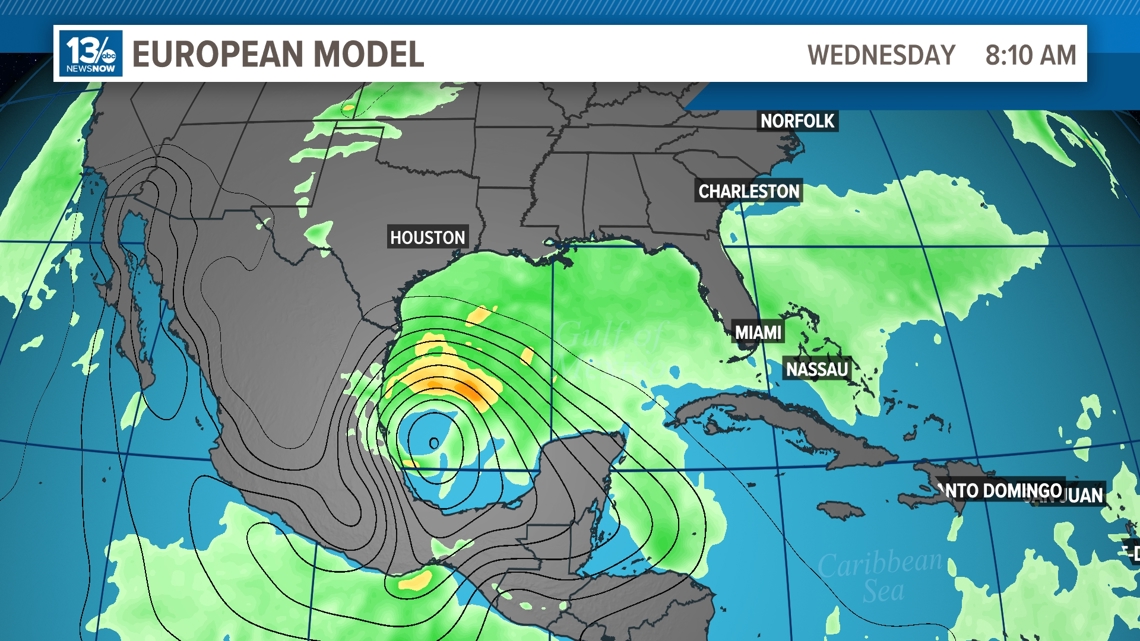
Whether you are planning a budget travel adventure or a luxury travel escape, hurricane season preparedness is relevant. For budget travelers, flexibility is key. Having a few affordable indoor options in mind, like free museum days or scenic drives (weather permitting), can help keep costs down. For those seeking luxury travel, high-end resorts often provide more robust amenities and services during challenging weather events, including generators and on-site dining. Regardless of your budget, ensuring you have a plan for communication with loved ones and access to essential information will enhance your safety and comfort.
In conclusion, while the question “Is There Another Hurricane Coming Towards Florida?” is a valid concern, it should not deter you from experiencing the wonders of this diverse state. By staying informed through reliable sources, planning your travel with weather patterns in mind, selecting appropriate accommodation, and remaining flexible with your itinerary, you can confidently navigate the hurricane season and enjoy all that Florida has to offer. The key lies in preparation, awareness, and a proactive approach to enjoying your journey.
LifeOutOfTheBox is a participant in the Amazon Services LLC Associates Program, an affiliate advertising program designed to provide a means for sites to earn advertising fees by advertising and linking to Amazon.com. Amazon, the Amazon logo, AmazonSupply, and the AmazonSupply logo are trademarks of Amazon.com, Inc. or its affiliates. As an Amazon Associate we earn affiliate commissions from qualifying purchases.