
Navigating the intricacies of vehicle ownership in the Sunshine State often involves understanding the practicalities of renewing your car registration. Whether you’re a long-time resident enjoying the vibrant lifestyle of Miami or a recent transplant drawn to the family-friendly attractions of Orlando, keeping your vehicle legally permitted to drive on Florida’s roads is a crucial responsibility. This guide will walk you through the entire process, from understanding your renewal notice to completing the transaction efficiently, ensuring you can continue to explore the state’s diverse destinations, from the pristine beaches of the Florida Keys to the historic charm of St. Augustine.
Renewing your car registration in Florida is a straightforward process designed to be accessible to all vehicle owners. The state’s Department of Highway Safety and Motor Vehicles (DHSMV) aims to make this an annual, or bi-annual, task that doesn’t detract from your enjoyment of the state’s rich tourism offerings, whether you’re planning a luxury travel escape or a budget-friendly family trip. This guide will cover everything you need to know, ensuring you can seamlessly update your vehicle’s status and get back to enjoying your adventures, be it a relaxing stay at a resort in Clearwater Beach or exploring the unique architecture of Coral Gables.
Understanding Your Florida Car Registration Renewal
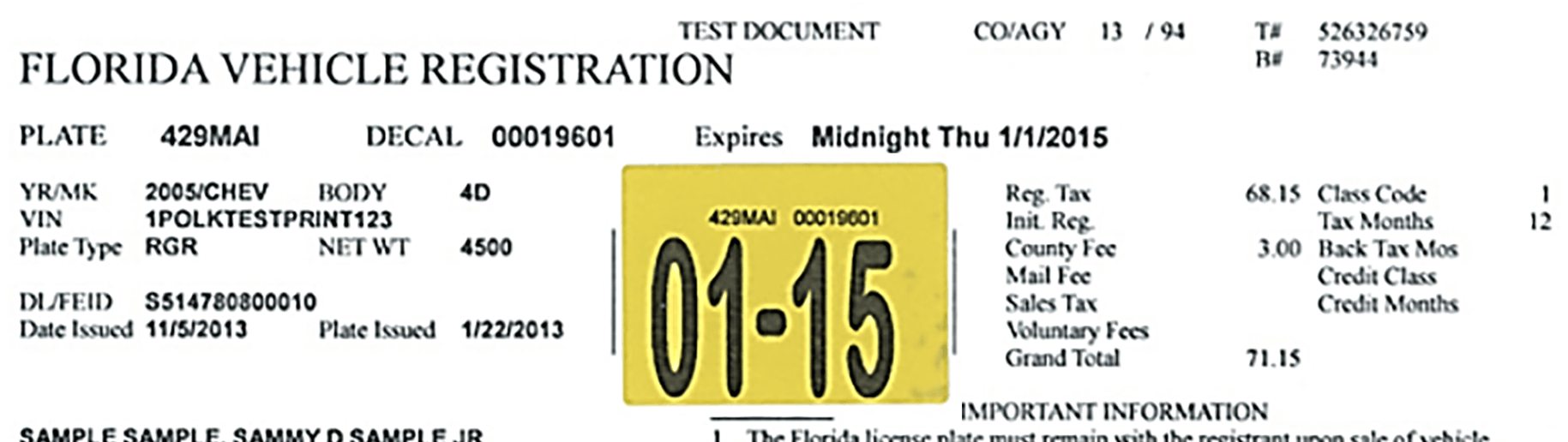
The journey to renewing your car registration in Florida begins with understanding the official notification you receive. Approximately 90 days before your current registration expires, the DHSMV will mail a renewal notice to the address they have on file. It is imperative to keep your mailing address updated with the DHSMV to ensure you receive this important document. This notice contains vital information, including your license plate number, Vehicle Identification Number (VIN), expiration date, and the total amount due for renewal. It will also indicate if any specific requirements, such as a passed emissions test or a completed inspection, are necessary for your particular vehicle.
The renewal notice serves as a crucial reminder, prompting you to take action within a specific timeframe. Ignoring this notice can lead to driving with an expired registration, which can result in significant fines, penalties, and even the impoundment of your vehicle. Understanding the contents of this notice is the first step in a successful renewal process. It’s a small piece of paper that holds the key to your legal ability to drive, whether you’re embarking on a road trip to see the famous landmarks of South Florida or simply commuting to work in Tampa.
Key Information on Your Renewal Notice
Your Florida car registration renewal notice is designed to be a comprehensive guide to your specific renewal requirements. Here are the key pieces of information you should look for:
- License Plate Number: This unique identifier for your vehicle is essential for all renewal transactions.
- Vehicle Identification Number (VIN): Another critical piece of information that confirms the identity of your vehicle.
- Expiration Date: This clearly states when your current registration expires. You should aim to renew well before this date to avoid any last-minute complications.
- Renewal Fee: The notice will itemize the total cost of your renewal, which may include various fees such as the registration fee, plate fee, and local taxes.
- Holidays and Weekends: While not directly on the notice, it’s important to note that if your expiration date falls on a weekend or a public holiday, your registration is typically valid through the next business day. However, it’s always best practice to renew in advance.
- Specific Requirements: Some vehicles may require additional steps before renewal. These could include:
- Emissions Testing: While Florida does not have mandatory statewide emissions testing for all vehicles, certain counties or specific vehicle types may have requirements. Your renewal notice will alert you if this is applicable.
- Vehicle Inspections: Similarly, Florida does not have general safety inspections for all vehicles. However, for certain situations like transferring a title from out of state or for specific types of vehicles, an inspection might be mandated. Again, your notice will specify if this is needed.
- Proof of Insurance: Maintaining continuous Florida liability insurance is a legal requirement. Your renewal notice will confirm that your insurance information is up-to-date in the DHSMV system. If it’s not, you’ll need to rectify this with your insurance provider before you can renew.
The renewal notice is your primary source of truth for what you need to do. It simplifies the process by presenting all necessary details in one place, allowing you to plan your renewal strategy, whether it’s a quick online transaction or a visit to a local service center. This ensures that your vehicle remains road-legal, supporting your travel plans across the state, from the bustling theme parks of Orlando to the tranquil beauty of the Everglades National Park.
Methods for Renewing Your Car Registration in Florida
Florida offers several convenient methods for renewing your vehicle registration, catering to different preferences and levels of technological comfort. The goal is to make this process as seamless as possible, allowing you to quickly get back to enjoying your lifestyle, whether it’s exploring the local food scene in Ybor City or booking a luxurious suite at a resort on the coast.
Online Renewal
The most popular and often the quickest method for renewing your car registration in Florida is through the state’s official online portal. The DHSMV’s website provides a secure and user-friendly platform where you can complete your renewal from the comfort of your home or even while on vacation, perhaps from your accommodation in the Florida Panhandle.
To renew online, you will typically need your license plate number and your vehicle identification number (VIN). You’ll also need a valid form of payment, such as a credit card or debit card. The online system will guide you through a series of steps, confirming your vehicle information, verifying your insurance status, and calculating your renewal fees. Once payment is processed, you can print a temporary registration receipt. Your official renewed registration stickers and updated registration card will be mailed to your address on file shortly thereafter.
Online Renewal Steps:
- Visit the Official DHSMV Website: Navigate to the Florida Department of Highway Safety and Motor Vehicles (DHSMV) website. Look for the “Online Services” or “Renew Registration” section.
- Enter Your Vehicle Information: You will be prompted to enter your license plate number and VIN.
- Verify Your Information: Review the pre-filled vehicle details to ensure accuracy.
- Confirm Insurance: The system will check for your current Florida insurance coverage.
- Review Fees and Pay: Your renewal fees will be displayed. You can then proceed to payment using a credit or debit card.
- Print Temporary Receipt: After successful payment, you can print a temporary registration.
- Receive Official Documents: Your new registration stickers and card will be mailed to your address.
Online renewal is an excellent option for those who value efficiency and prefer to manage their tasks digitally. It’s a perfect example of how technology can simplify everyday necessities, allowing more time for travel, leisure, and experiencing the unique tourism opportunities Florida has to offer, from exploring historic landmarks to enjoying the vibrant nightlife of cities like Fort Lauderdale.
Renewal by Mail
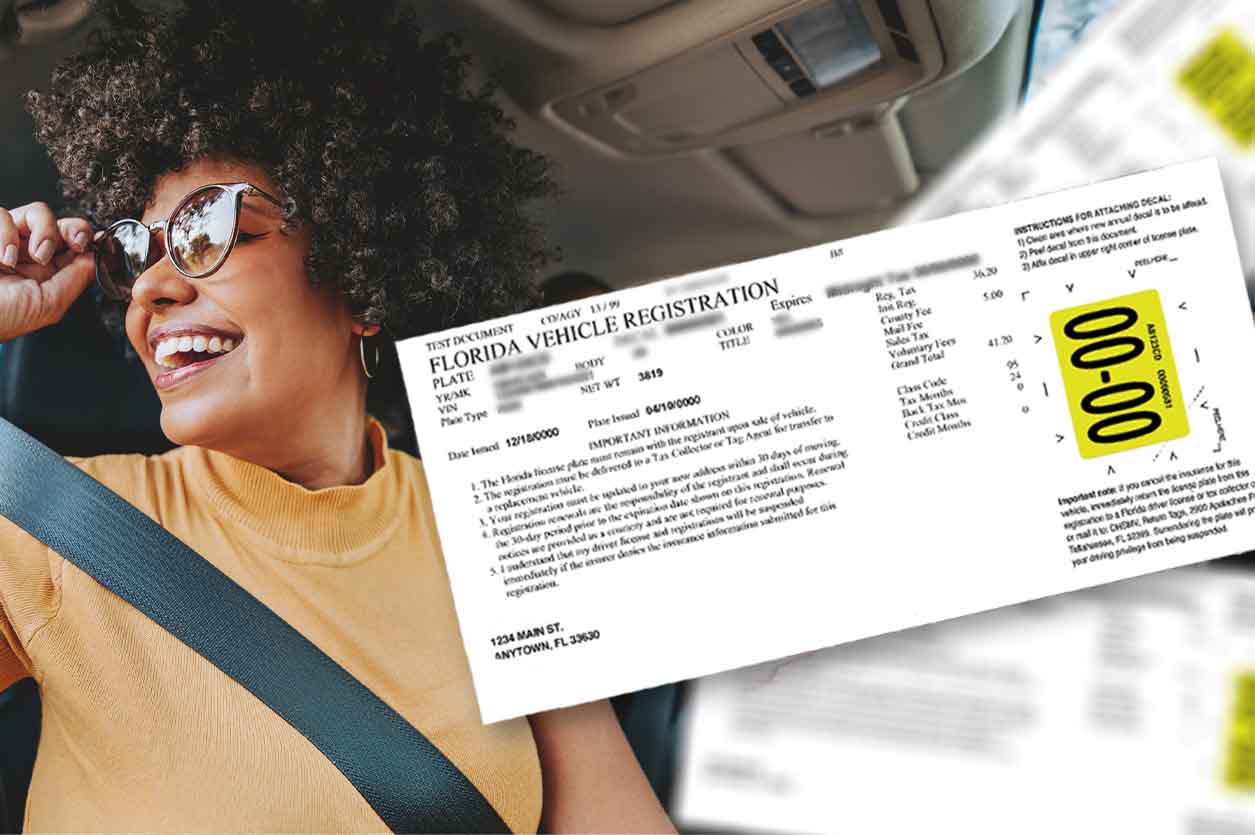
For those who prefer a traditional approach or face challenges with online access, renewing your car registration by mail is a viable option. This method requires you to complete and mail the renewal form provided with your official renewal notice.
Ensure you fill out the form completely and accurately, including your signature. You will need to include a check or money order for the full renewal fee payable to the DHSMV. It is highly recommended to send your renewal via certified mail to ensure you have proof of mailing and delivery. Allow ample time for mail processing and for your new registration to arrive, especially if your expiration date is approaching. This method, while slower, still allows you to fulfill your renewal obligations without needing to visit a physical location. It’s a good choice for those who may be temporarily out of state or prefer a more hands-off approach to administrative tasks.
Renewal In Person
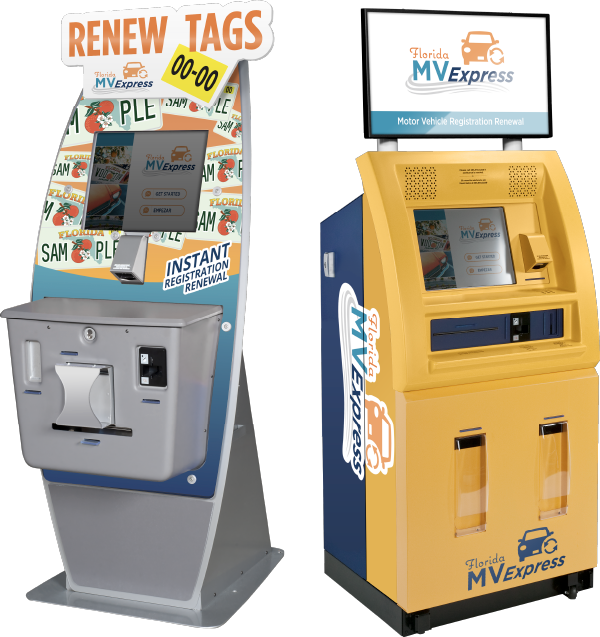
Visiting a Florida Department of Highway Safety and Motor Vehicles (DHSMV) or a county tax collector’s office that offers motor vehicle services is another way to renew your registration. This option is ideal if you have complex renewal questions, need immediate assistance, or prefer face-to-face interaction. You can also complete specific requirements, such as vehicle inspections, at these locations if necessary.
When renewing in person, bring your renewal notice, a valid driver’s license or identification card, proof of insurance, and your payment. Be prepared for potential wait times, especially during peak hours. However, the benefit of renewing in person is that you can often receive your new registration stickers and card immediately upon completion of the transaction. This method ensures that all your questions are answered and that you leave with the necessary documentation to remain compliant on the road, enabling uninterrupted travel to destinations like Naples or a serene villa rental.
Requirements for Renewing Your Florida Car Registration
Before embarking on the renewal process, it’s important to be aware of the specific requirements mandated by the state of Florida. These are in place to ensure all vehicles operating on public roads are safe, insured, and properly registered. Fulfilling these requirements ensures you can continue to enjoy all that Florida has to offer, from its stunning natural landscapes to its world-class resorts.
Proof of Insurance
Maintaining continuous liability insurance coverage is a fundamental requirement for all registered vehicles in Florida. You must have at least the minimum required coverage, which includes $10,000 in Personal Injury Protection (PIP) and $10,000 in Property Damage Liability (PDL). When you renew your registration, the DHSMV will electronically verify your insurance status.
If your insurance information is not up-to-date in their system, your renewal transaction will be blocked until you provide proof of valid coverage. This can be done by contacting your insurance provider and ensuring they have submitted the correct information to the state. Failure to maintain continuous insurance can lead to severe penalties, including suspension of your driver’s license and vehicle registration. This is a critical aspect of responsible vehicle ownership that allows you to travel safely and legally across the state, whether you’re exploring the art deco district in Miami Beach or enjoying a quiet weekend getaway.
Vehicle Inspections and Emissions Testing
As previously mentioned, Florida does not have a general statewide requirement for annual safety inspections or emissions testing for most passenger vehicles. This simplifies the renewal process for the majority of vehicle owners. However, there are specific circumstances where an inspection might be necessary. These typically include:
- Vehicles being registered for the first time in Florida with a salvaged title.
- Certain commercial vehicles or specialized vehicles.
- If you are transferring a title from another state and the vehicle has a specific issue or is of a type that requires scrutiny.
Your renewal notice will clearly indicate if any type of inspection is required for your vehicle. If you are unsure, it’s best to contact your local county tax collector’s office or the DHSMV for clarification. This ensures you are prepared for any unique requirements, allowing you to focus on your travel plans, whether it’s a business stay in Jacksonville or a family vacation exploring the attractions of the Florida Gulf Coast.
Payment of Fees
The renewal fees for your car registration in Florida are determined by several factors, including the type of vehicle, its weight, and its age. The renewal notice will provide a detailed breakdown of all applicable fees. Common fees include:
- Registration Fee: Based on vehicle weight.
- Plate Fee: For the license plate itself.
- Decal Fee: For the registration stickers.
- Local Option Taxes: These vary by county and are added to the renewal cost.
Accepted forms of payment typically include cash, checks, money orders, and major credit/debit cards. When renewing online, only credit and debit cards are accepted. If renewing by mail, a check or money order is required. For in-person renewals, most offices accept a wider range of payment methods. It is crucial to pay the correct amount to ensure your registration is processed without delay. This ensures your vehicle remains legally compliant, allowing you to freely explore the diverse landscapes and attractions of Florida, from the bustling streets of West Palm Beach to the tranquil shores of the Emerald Coast.
By understanding these requirements and utilizing the various renewal methods available, Florida residents can efficiently manage their car registration obligations, ensuring they remain legal on the road and free to enjoy all the state has to offer, from luxury travel experiences to budget-friendly adventures.
LifeOutOfTheBox is a participant in the Amazon Services LLC Associates Program, an affiliate advertising program designed to provide a means for sites to earn advertising fees by advertising and linking to Amazon.com. Amazon, the Amazon logo, AmazonSupply, and the AmazonSupply logo are trademarks of Amazon.com, Inc. or its affiliates. As an Amazon Associate we earn affiliate commissions from qualifying purchases.