
Moving to a new state, or even just visiting for an extended period, often comes with a checklist of administrative tasks. For those planning to drive in the Silver State, one of the most critical items on that list is registering your vehicle. Whether you’re relocating to Las Vegas for a taste of the vibrant lifestyle, settling into a quiet desert town, or planning an extended road trip through its diverse landscapes, ensuring your car is legally registered is paramount. This guide will demystify the process of registering your car in Nevada, helping you navigate the requirements smoothly and get back to enjoying all the state has to offer, from its world-class resorts to its breathtaking natural wonders.
The Nevada Department of Motor Vehicles (DMV) oversees vehicle registration, and understanding their requirements upfront can save you time and potential headaches. The process generally involves several key components: proof of identity, proof of Nevada residency, vehicle inspection, and payment of fees. For those who have recently moved to Nevada, particularly from out of state, the process might seem a bit different than what you’re accustomed to. This article aims to provide a comprehensive overview, ensuring you have all the necessary documentation and knowledge to complete your registration without a hitch.
Understanding the Core Requirements for Vehicle Registration
Registering your car in Nevada is a multi-step process designed to confirm your identity, establish your residency, and ensure your vehicle meets the state’s safety and emissions standards. The Nevada DMV has specific criteria for each of these aspects, and gathering the correct documentation beforehand is crucial.
Establishing Your Identity and Residency
The Nevada DMV requires proof of your identity and that you are a resident of the state. This is to ensure that you are legally authorized to register a vehicle within Nevada and that you are contributing to the state’s tax base. You’ll need to present primary and secondary identification documents.
Accepted Identification Documents
- Primary Identification: This typically includes original or certified copies of documents such as a Nevada driver’s license, a Nevada identification card, a United States passport, or an out-of-state driver’s license. If you are an international visitor, a valid passport with an I-94 form may be accepted.
- Secondary Identification: If your primary identification doesn’t have your current Nevada address, you will need secondary documents to prove residency. These can include utility bills (gas, electric, water, trash, cable, internet), bank statements, mortgage or rental agreements, pay stubs, or even a letter from your employer stating your employment and residential address. All secondary documents must be recent, typically dated within the last 60 days.
It’s important to note that the name on your identification and residency documents should match. If there are discrepancies, you may need to provide additional documentation to explain the difference. For instance, if you’ve recently changed your name due to marriage or divorce, you might need to present a marriage certificate or divorce decree.
Vehicle Inspection: Emissions and Safety
Nevada mandates emissions inspections and, in some cases, safety inspections for vehicles to ensure they comply with state standards. The specific requirements can vary depending on the county you reside in and the age of your vehicle.
Emissions Testing
Most vehicles registered in Clark County and Washoe County are required to undergo an emissions test every two years. This test measures the amount of pollutants your vehicle emits to ensure it’s running efficiently and not contributing excessively to air pollution. There are many authorized emissions testing stations throughout these counties. It’s advisable to get this done before heading to the DMV to avoid a return trip. A vehicle may be exempt from emissions testing if it is a new vehicle, a certain number of model years old (check the latest DMV regulations for the exact number), or if it is a collector’s item.
Safety Inspections
In most parts of Nevada, a separate safety inspection is not typically required for standard vehicle registration. However, if you are bringing a vehicle into the state that has been salvaged or significantly damaged, or if you are registering a specially constructed vehicle, a safety inspection by a licensed inspector might be necessary. The Nevada Highway Patrol can provide guidance on these specific situations.
It’s always a good idea to check the official Nevada DMV website for the most up-to-date information regarding emissions and safety inspection requirements, as these regulations can change.
Proof of Ownership and Insurance
Before you can register your vehicle, you need to prove that you own it and that it is insured according to Nevada‘s minimum requirements.
Title and Registration Documents
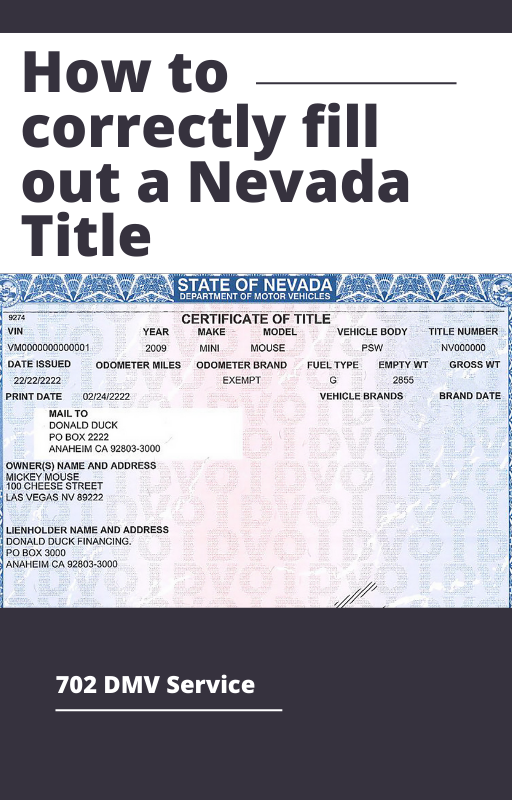
- Out-of-State Title: If your car is currently registered in another state, you will need to surrender the out-of-state title to the Nevada DMV. If you have a loan on your vehicle, your lienholder will have the title, and you will need to request they send it directly to the Nevada DMV or provide you with proof of lien release.
- Bill of Sale: If you purchased the vehicle recently, a bill of sale, signed by both the buyer and seller, is essential. This document details the sale of the vehicle, including the make, model, year, Vehicle Identification Number (VIN), purchase price, and the names and signatures of both parties.
- Loan/Lease Agreement: If your vehicle is financed or leased, you will need to provide the current loan or lease agreement.
Proof of Nevada Insurance
Nevada requires all registered vehicles to have liability insurance that meets the state’s minimum coverage limits. You will need to present an insurance card or policy declaration page from a Nevada-licensed insurance provider. The minimum liability coverage required in Nevada is:
- $25,000 for death or bodily injury to one person.
- $50,000 for death or bodily injury to two or more persons.
- $25,000 for damage to property.
Failure to maintain continuous insurance coverage can result in penalties, including fines and suspension of your driver’s license and vehicle registration.
The Registration Process: Step-by-Step
Once you have gathered all the necessary documentation, you are ready to proceed with the actual registration process at a Nevada DMV office.
Visiting the Nevada DMV
It is recommended to schedule an appointment at your local Nevada DMV office to minimize wait times. You can usually do this online through the Nevada DMV website. When you arrive for your appointment, be prepared to present all your gathered documents to a DMV representative.
Completing the Application Forms
You will need to fill out an application for registration, typically form VP 222. This form asks for details about you, your vehicle, and its intended use. Ensure all information is accurate and complete to avoid delays.
Paying Fees and Taxes
Registration fees vary based on the type of vehicle, its weight, and its age. You will also be responsible for paying Nevada sales tax if you purchased the vehicle recently and have not already paid sales tax in another state. If you paid sales tax in another state, you will need to provide proof of that payment to potentially receive credit or avoid double taxation. Additional fees may apply for license plates, stickers, and other services. The Nevada DMV website provides a fee calculator to estimate your costs.
Receiving Your License Plates and Registration
Upon successful completion of the registration process and payment of all fees, you will be issued Nevada license plates and a registration certificate. You will typically receive your physical license plates at the DMV office. The registration sticker, which indicates the expiration date of your registration, will usually be affixed to your license plate. You will also receive a registration certificate that you should keep in your vehicle at all times.
Special Circumstances and Additional Considerations
While the general process applies to most vehicle owners, there are specific situations and additional factors to consider.
Registering a New Vehicle Purchased in Nevada
If you purchase a new vehicle from a dealership in Nevada, the dealership will typically handle the initial registration process for you. They will collect the necessary taxes and fees and provide you with temporary license plates. The permanent plates and registration will be mailed to you. However, you will still need to ensure you have Nevada insurance before driving the vehicle off the lot.
Transferring Registration from Another State
As mentioned earlier, if you are moving to Nevada from another state, you will need to surrender your out-of-state title and registration to the Nevada DMV. You will also need to obtain a Nevada driver’s license within a specific timeframe after establishing residency. The process for transferring registration involves providing the same documentation as for a new Nevada resident, including proof of identity, residency, ownership, and insurance.
Custom and Specialty Vehicles
Registering custom-built vehicles, antique vehicles, or those with modified engines may involve additional steps. These often require specialized inspections and approvals to ensure they meet Nevada‘s unique vehicle regulations. Contacting the Nevada DMV directly or visiting a specialized inspection station will be necessary in these cases.
RVs and Motorcycles
The registration requirements for recreational vehicles (RVs) and motorcycles are generally similar to those for cars, but there might be specific weight classes or types of licenses that apply. Ensure you clarify any distinctions when you visit the DMV.
Important Reminders for a Smooth Experience
- Check the Official Nevada DMV Website: Regulations and requirements can change. Always refer to the official Nevada Department of Motor Vehicles website for the most current and accurate information.
- Gather All Documents in Advance: Having all your required paperwork organized before your appointment will significantly speed up the process.
- Schedule an Appointment: Appointments are highly recommended to avoid long wait times at Nevada DMV offices.
- Understand Fees: Familiarize yourself with the estimated fees beforehand so there are no surprises.
By understanding these requirements and preparing diligently, you can ensure a smooth and efficient process for registering your car in Nevada. This will allow you to quickly get back to exploring everything from the dazzling lights of the Las Vegas Strip to the serene beauty of Lake Tahoe or the rugged landscapes of Valley of Fire State Park.
LifeOutOfTheBox is a participant in the Amazon Services LLC Associates Program, an affiliate advertising program designed to provide a means for sites to earn advertising fees by advertising and linking to Amazon.com. Amazon, the Amazon logo, AmazonSupply, and the AmazonSupply logo are trademarks of Amazon.com, Inc. or its affiliates. As an Amazon Associate we earn affiliate commissions from qualifying purchases.