
Navigating the vast and intricate network of the New York City Subway is an essential skill for any visitor aiming to truly experience the dynamism of New York City. Far from being merely a mode of transport, the subway is the lifeblood of this metropolis, a pulsating artery connecting iconic landmarks, diverse neighborhoods, and unforgettable experiences. This guide will equip you with the knowledge to master its complexities, transforming potential confusion into confident exploration.
Understanding the System: A Labyrinth of Lines
The New York City Subway is one of the world’s largest rapid transit systems, comprising over 470 stations and more than 660 miles of track. Its sheer scale can be daunting, but with a systematic approach, it becomes remarkably accessible.
Decoding the Map and Lines
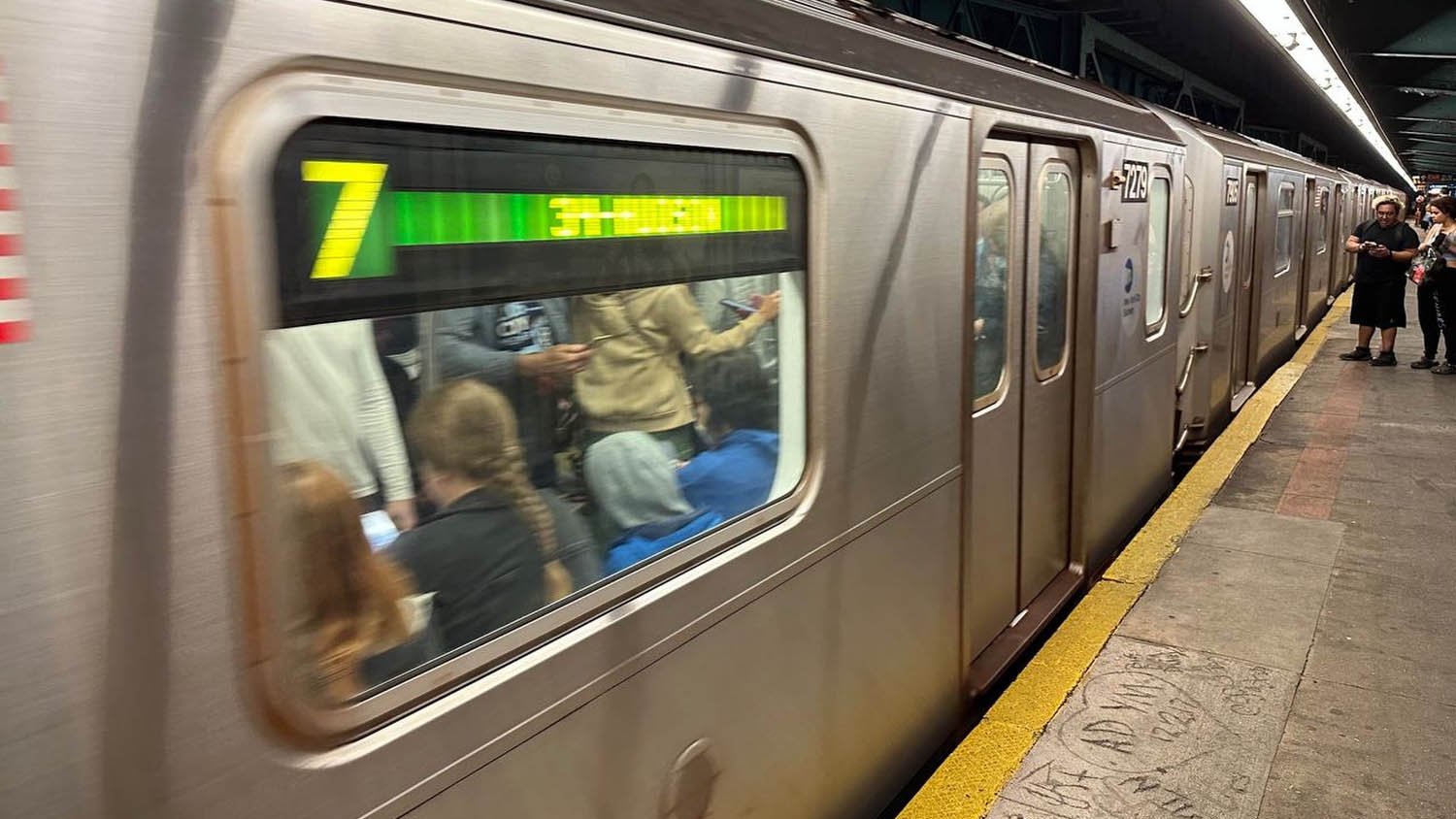
At its core, the system is organized by lines, each identified by a letter (e.g., A, C, E) or a number (e.g., 1, 2, 3). These lines often share tracks for portions of their routes, leading to express and local services.
- Local vs. Express: Local trains stop at every station along their route, while express trains skip many stations, making them significantly faster for longer journeys. Pay close attention to the signage on the platform and the train itself to differentiate between them. Express stations are typically larger hubs where both local and express trains stop.
- Uptown vs. Downtown: Within Manhattan, trains are designated as either “Uptown” or “Downtown.” Uptown generally refers to travel towards Upper Manhattan, the Bronx, or Queens via the western side of the island, while Downtown signifies travel towards Lower Manhattan, Brooklyn, or further south. This designation is crucial for ensuring you board the correct train.
- Color Coding: The subway map uses a sophisticated color-coding system to visually group interconnected lines. For instance, the red lines (1, 2, 3) form a core trunk in Manhattan, while the blue lines (A, C, E) run parallel. Familiarizing yourself with these color groupings can provide a quick visual aid.
- Borough Representation: The subway extends beyond Manhattan, serving Brooklyn, Queens, and the Bronx. Understanding which lines serve which boroughs is key to planning journeys to destinations like Yankee Stadium in the Bronx or the beaches of Coney Island in Brooklyn.
Navigating Stations
Each station is a microcosm of the city, bustling with activity. Efficient navigation within stations is paramount.
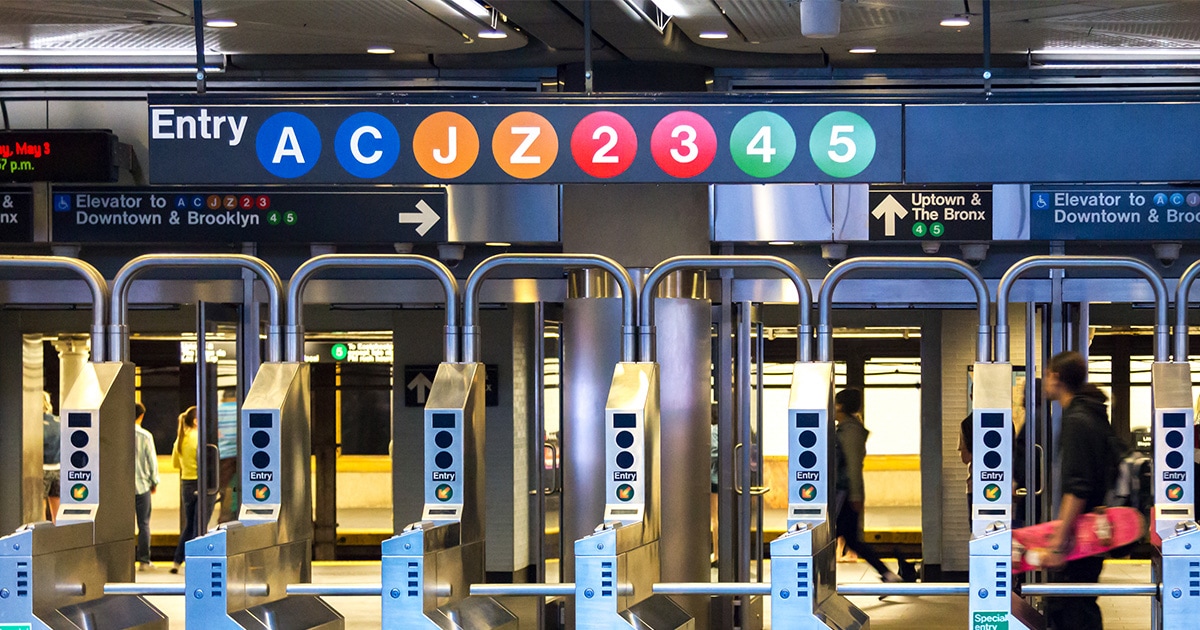
- Platform Signs: Look for signs indicating the train lines and direction (Uptown/Downtown, specific borough). These are usually placed prominently at the entrance to the platform.
- Station Names: Station names are clearly displayed on platforms and on the sides of the trains. Double-check that you are on the correct platform for your intended destination.
- Entrances and Exits: Stations often have multiple entrances and exits, sometimes on different street corners. Pay attention to signage directing you to the correct entrance for your desired platform. Conversely, note the exit signs when you arrive at your destination to ensure you emerge onto the correct side of the street.
Planning Your Journey: From Fare to Final Destination
A well-planned subway trip minimizes stress and maximizes your time exploring New York City.
Fare Payment: OMNY and MetroCards
Historically, the primary method of payment was the MetroCard. However, the Metropolitan Transportation Authority (MTA) has transitioned to a contactless payment system called OMNY (One Metro New York).
- OMNY: This is the modern and recommended way to pay. You can simply tap your contactless credit or debit card, or your smartphone with a digital wallet enabled (like Apple Pay or Google Pay), on the OMNY reader at the turnstile. The fare is automatically deducted.
- Fare Capping: OMNY offers a fare capping system. After a certain number of rides within a week (Monday to Sunday), you won’t be charged for subsequent rides. This is particularly beneficial for visitors planning extensive subway travel.
- MetroCard: While OMNY is the future, MetroCards are still accepted. You can purchase them at vending machines located in most subway stations.
- Types of MetroCards: You can buy pay-per-ride MetroCards, which you can load with a dollar amount, or unlimited ride MetroCards (7-day or 30-day), which offer great value if you plan on using the subway frequently.
- Vending Machines: These machines accept cash and credit/debit cards and offer instructions in multiple languages. They can be a bit slow during peak hours.
Using Navigation Apps
In today’s connected world, navigation apps are invaluable tools for subway riders.
- Google Maps: This ubiquitous app provides real-time subway schedules, departure times, and routing suggestions. It will tell you which lines to take, which direction, and where to transfer.
- Citymapper: Often praised for its intuitive interface and detailed transit information, Citymapper excels at providing comprehensive public transport options, including subway, bus, and even walking routes, with estimated travel times and disruption alerts.
- MTA’s MYmta App: The official app of the MTA offers real-time service status updates, trip planning, and alerts for delays or disruptions across the subway and bus network.
Essential Etiquette and Safety
Riding the subway involves more than just knowing the routes; it requires an understanding of common courtesy and safety practices.
- Stand Clear of Doors: Always wait for passengers to exit the train before attempting to board. Do not block the doors.
- Let Others Off First: When you disembark, ensure you step aside to allow others to exit before you proceed.
- Offer Seats: Offer your seat to elderly passengers, pregnant women, or individuals with disabilities. This is a widely respected practice.
- Keep Belongings Close: Be mindful of your personal belongings, especially during crowded commutes. Avoid leaving bags unattended.
- Be Aware of Your Surroundings: While the New York City Subway is generally safe, it’s always wise to be aware of your surroundings, especially late at night or in less crowded stations.
- Avoid the Gap: Be cautious of the gap between the train and the platform, especially when boarding or alighting.
- No Eating or Drinking (Mostly): While not strictly enforced in all cases, it’s generally considered impolite to eat or drink on the subway, especially during busy times.
Advanced Strategies for Seamless Travel
Once you’ve mastered the basics, consider these advanced tips to enhance your subway experience.
Transfers: The Art of Changing Lines
Transfers are a common and necessary part of navigating the New York City Subway. Understanding how they work can save you time and hassle.
- Within Station Transfers: Many stations are designed as transfer hubs, allowing you to move between different lines without exiting the station or paying an additional fare. Look for signs indicating transfers to other lines.
- Between Station Transfers: For some routes, you may need to exit one station and walk a short distance to enter another. Navigation apps will clearly indicate these required inter-station transfers.
- Timing Transfers: During peak hours, transfers can become crowded. Factor in a few extra minutes for navigating busy transfer corridors.
Understanding Service Changes and Delays
The New York City Subway is a complex organism, and occasional service changes or delays are inevitable, particularly during weekends or off-peak hours.
- Check Service Status: Before embarking on your journey, always check the service status via the MYmta app or a reliable navigation app. This will inform you of any planned track work, diversions, or unexpected delays.
- Reroute Accordingly: If your usual line is experiencing issues, the apps will suggest alternative routes, which might involve different lines, transfers, or even buses. Be flexible and prepared to adapt your plan.
- Weekend Service: Weekend service often involves track maintenance, leading to line reroutes or shuttle buses. Always double-check your route on weekends.
Exploring Beyond the Tourist Trail
The subway is your key to unlocking the authentic New York City. Don’t be afraid to venture off the beaten path.
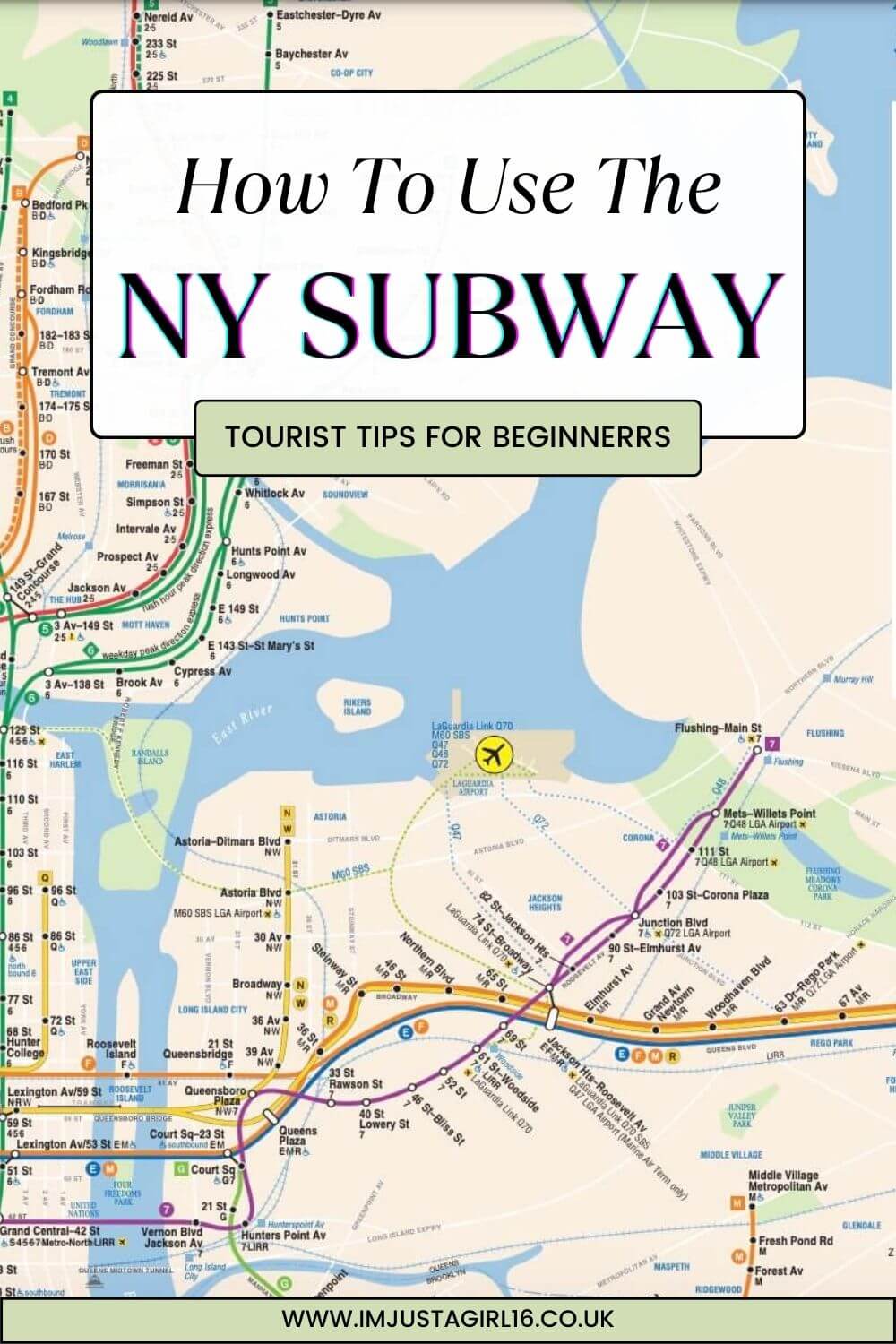
- Neighborhood Exploration: Use the subway to visit neighborhoods like Williamsburg in Brooklyn for its vibrant arts scene and boutiques, or Jackson Heights in Queens for its incredible culinary diversity.
- Accessing Parks and Recreation: The subway provides convenient access to vast green spaces like Prospect Park in Brooklyn or the High Line in Manhattan.
- Cultural Institutions: Many of New York City’s world-class museums and cultural institutions, such as the Metropolitan Museum of Art or the American Museum of Natural History, are easily reachable by subway.
By embracing the New York City Subway as your primary mode of transport, you unlock a deeper, more immersive experience of the city. It is a rite of passage for any visitor, transforming you from a mere observer into an active participant in the rhythm and flow of this extraordinary urban landscape.
LifeOutOfTheBox is a participant in the Amazon Services LLC Associates Program, an affiliate advertising program designed to provide a means for sites to earn advertising fees by advertising and linking to Amazon.com. Amazon, the Amazon logo, AmazonSupply, and the AmazonSupply logo are trademarks of Amazon.com, Inc. or its affiliates. As an Amazon Associate we earn affiliate commissions from qualifying purchases.