
The eternal question for any steak enthusiast often boils down to a single, tantalizing choice: ribeye or New York strip. Both are prime cuts, celebrated for their distinct textures, flavors, and culinary applications. While personal preference reigns supreme, understanding the nuances of each can elevate your dining experience, whether you’re grilling at home in Austin or savoring a meal at a renowned steakhouse in Chicago. This exploration delves into what makes each cut unique, helping you navigate your next steak order with confidence.
The Ribeye: King of Marbling and Flavor
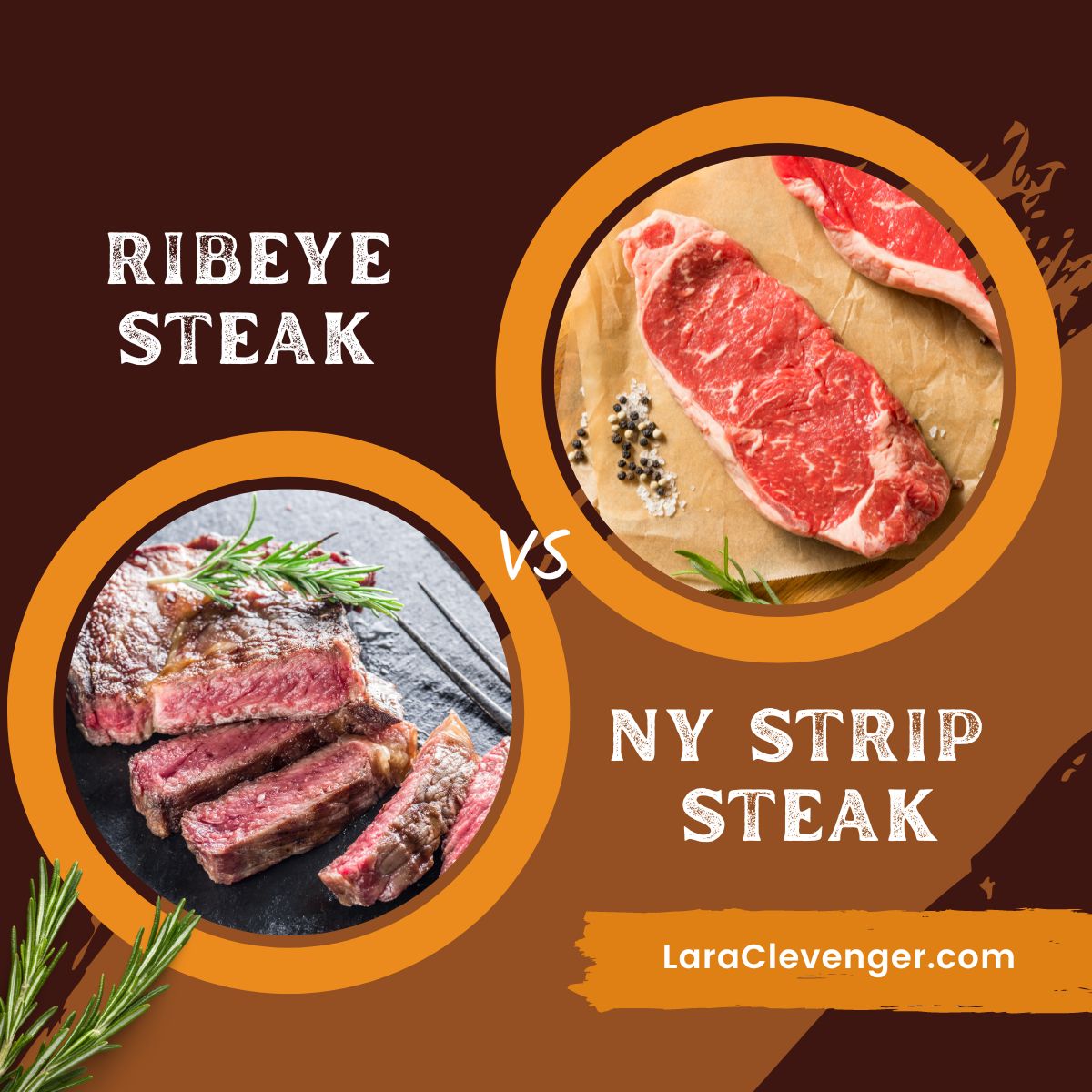
The ribeye cut is derived from the rib section of the cow, a less worked muscle group that contributes to its exceptional tenderness. What truly sets the ribeye apart is its generous marbling – the intricate network of intramuscular fat that ribbons through the meat. This fat is the key to its signature succulence and rich, buttery flavor.
Understanding Marbling and Its Impact
Marbling isn’t just about visual appeal; it’s the engine of flavor and juiciness. As the ribeye cooks, this intramuscular fat melts, basting the meat from within and delivering an incredibly moist and intensely flavored steak. This is why ribeye is often hailed as the most flavorful steak by many connoisseurs. The higher the quality grade of the beef, such as USDA Prime, the more pronounced and desirable the marbling typically is.
Texture and Tenderness
Due to the high fat content and the nature of the rib muscle, the ribeye offers a luxuriously tender bite. It has a slightly softer texture compared to the New York strip, with a melt-in-your-mouth quality that is incredibly satisfying. The fat pockets, while contributing to flavor, also ensure that the steak remains moist even when cooked to a higher temperature.
Culinary Applications
The ribeye is remarkably versatile. Its rich flavor profile means it stands up exceptionally well to simple preparations that highlight its inherent qualities.
Grilling and Pan-Searing
Grilling is a popular method, allowing the fat to render and create delicious char marks. A hot grill sears the exterior, creating a beautiful crust while the interior remains juicy. Pan-searing in a cast-iron skillet, especially with butter, garlic, and herbs, is another excellent technique. This method allows for better control over the sear and basting, intensifying the steak’s natural flavors.
Roasting
Larger cuts of ribeye, like a rib roast or prime rib, are often roasted. The slow, even heat of the oven allows the fat to render and permeate the entire roast, resulting in a spectacularly tender and flavorful centerpiece.
Pairing with Sides
The robust flavor of the ribeye pairs well with equally bold sides. Creamy mashed potatoes, roasted asparagus, or a classic béarnaise sauce complement its richness without overpowering it.
The New York Strip: A Leaner, Bold Flavor
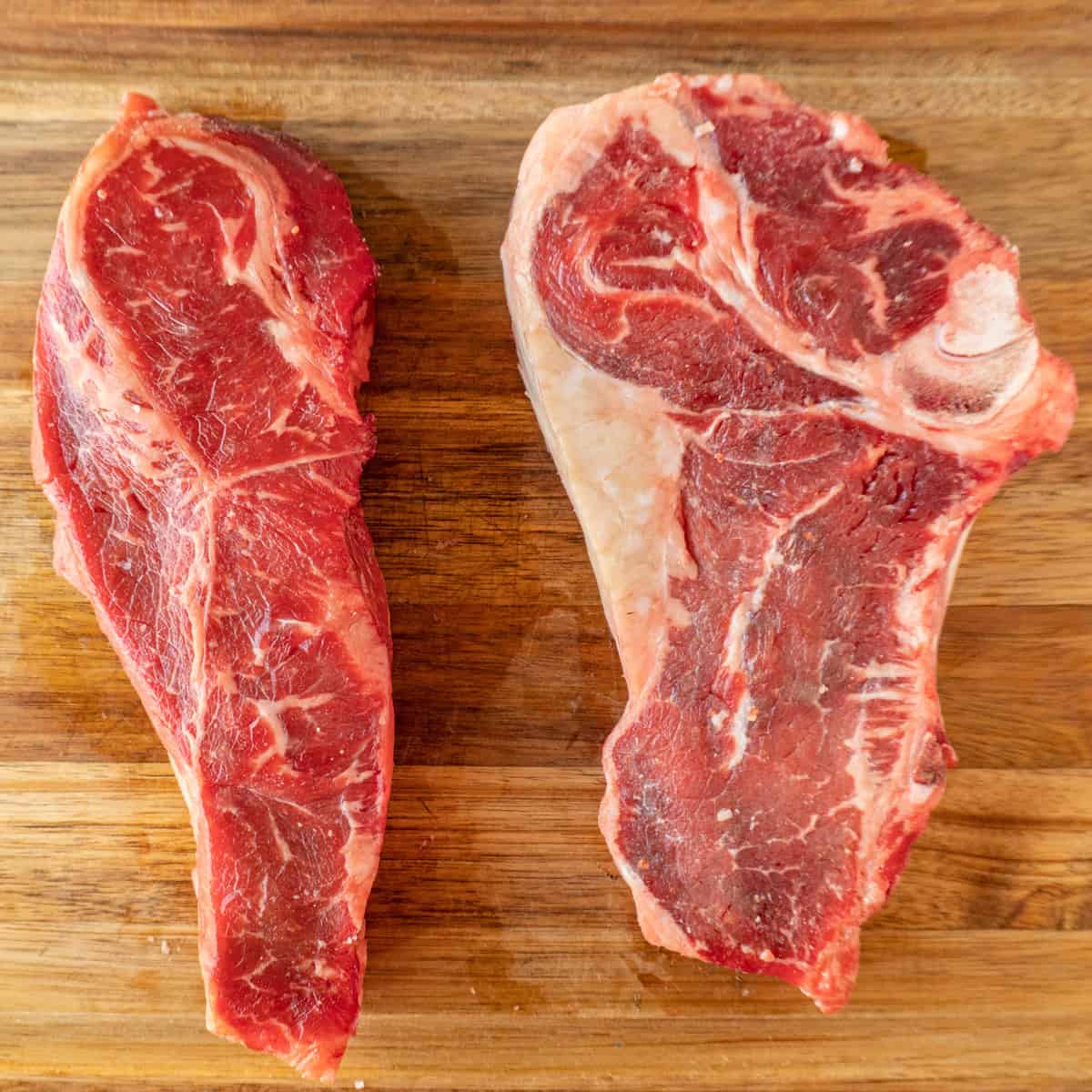
The New York strip, also known as the Kansas City strip, strip loin, or top loin, is a steak cut from the short loin primal cut. It is known for its firmer texture, cleaner beefy flavor, and a satisfying chew. Unlike the ribeye, its marbling is less abundant, typically concentrated in a strip along one edge of the steak.
Flavor Profile and Beefiness
The New York strip boasts a more pronounced “beefy” flavor, a clean and robust taste that many steak lovers prefer. Without the overwhelming richness of the ribeye’s marbling, the inherent flavor of the beef itself takes center stage. This makes it a favorite for those who appreciate a purer, less fatty steak experience.
Texture and Bite
The texture of a New York strip is firmer and more dense than a ribeye. It offers a more substantial bite, with a satisfying chew that is characteristic of this cut. The fat along the edge renders during cooking, providing a desirable crispiness and adding moisture, but it doesn’t penetrate the meat as deeply as the marbling in a ribeye.
Culinary Applications
The New York strip’s firmer texture and bold flavor make it ideal for specific cooking methods that benefit from its structure.
Grilling and Broiling
Grilling and broiling are excellent methods for New York strip. The direct, high heat creates a beautiful crust and allows the fat cap to render, enhancing the steak’s flavor and juiciness. Its ability to hold its shape makes it a reliable choice for achieving perfect grill marks.
Pan-Searing
Pan-searing also works well, particularly for achieving a good sear on the exterior. However, care must be taken to avoid overcooking, as its leaner nature can lead to a tougher texture if handled improperly.
Marinating and Rubs
The cleaner flavor profile of the New York strip makes it an excellent canvas for marinades and dry rubs. While not strictly necessary, a well-chosen marinade or rub can add another layer of complexity and flavor to the steak.
Pairing with Sides
The New York strip’s less intense richness allows it to pair beautifully with a wider range of sides. Classic steakhouse accompaniments like baked potatoes, creamed spinach, or even a light salad provide a balanced meal without competing with the steak’s flavor.
Ribeye vs. New York Strip: A Direct Comparison
When directly comparing the two, several key differences emerge that influence their appeal:
Marbling and Fat Content
The most significant difference lies in marbling. Ribeye has abundant intramuscular fat, leading to a richer, more succulent, and buttery flavor. New York strip has less marbling, with fat primarily along the edge, offering a leaner, more intensely “beefy” taste.
Tenderness and Texture
Ribeye is generally more tender due to its higher fat content and the cut’s origin. It has a softer, melt-in-your-mouth texture. New York strip is firmer, with a more satisfying chew, offering a more substantial bite.
Flavor Intensity
Ribeye is known for its rich, complex, and buttery flavor, largely attributed to its marbling. New York strip offers a cleaner, more direct beef flavor, allowing the pure taste of the meat to shine.
Cooking Suitability
Both are excellent for grilling and pan-searing. However, the ribeye’s marbling makes it more forgiving for home cooks, as it’s harder to overcook to dryness. The New York strip requires more careful attention to temperature to maintain its tenderness.
Cost
Generally, ribeye tends to be more expensive than New York strip due to its higher demand and the desirable marbling it offers. However, this can fluctuate based on quality grade, origin, and the specific butcher or restaurant.
Choosing Your Champion
The “better” steak is entirely subjective and depends on your personal palate and desired dining experience.
For the Flavor Seeker and Indulgent Palate
If you crave a steak that is incredibly juicy, rich, and bursting with buttery flavor, the ribeye is likely your champion. Its generous marbling ensures a luxurious mouthfeel and a deeply satisfying taste that is hard to beat. It’s the steak for those who want to indulge in the ultimate steak experience. Think of it as the king of indulgence.
For the Purist and Flavor Enthusiast
If you appreciate the pure, unadulterated taste of beef with a satisfying texture and a less overwhelming richness, the New York strip might be your ideal choice. Its firmer bite and cleaner flavor profile offer a different, yet equally compelling, steak experience. It’s for those who want to appreciate the beef itself. Consider it the epitome of classic steak flavor.

Beyond the Cut: Factors Influencing Steak Perfection
Regardless of whether you choose ribeye or New York strip, several other factors contribute to a perfect steak. The quality of the beef (e.g., USDA Prime, Choice, Select), the aging process (wet-aged vs. dry-aged), and the cooking method all play crucial roles. Sourcing your steak from a reputable butcher or a restaurant known for its quality ingredients will significantly impact the final outcome.
For instance, a dry-aged New York strip from a highly regarded butcher in New York City might offer a different depth of flavor and tenderness compared to a standard cut. Similarly, a perfectly grilled ribeye at a renowned steakhouse in Las Vegas can be a transformative culinary moment.
Ultimately, the best way to decide between ribeye and New York strip is to try both. Order them side-by-side at a steakhouse, or cook them yourself using similar methods. Pay attention to the marbling, the texture, and the distinct flavors. Your personal preference will emerge, guiding you to your ultimate steak champion. Whether you’re a seasoned carnivore or a curious newcomer to the world of premium steaks, the journey of discovery is as delicious as the destination.
LifeOutOfTheBox is a participant in the Amazon Services LLC Associates Program, an affiliate advertising program designed to provide a means for sites to earn advertising fees by advertising and linking to Amazon.com. Amazon, the Amazon logo, AmazonSupply, and the AmazonSupply logo are trademarks of Amazon.com, Inc. or its affiliates. As an Amazon Associate we earn affiliate commissions from qualifying purchases.