
Selling a car in California can be a straightforward process, whether you’re looking to upgrade, relocate, simplify your lifestyle, or free up funds for exciting new travel adventures. The Golden State, renowned for its diverse landscapes, iconic landmarks, and vibrant cities, offers a unique backdrop for such a transaction. Understanding the specific regulations and best practices will ensure a smooth, efficient, and profitable sale, ultimately paving the way for your next journey, be it a luxury escape, a budget-friendly road trip, or a new accommodation experience. This comprehensive guide will walk you through every step, from preparation to paperwork, helping you navigate the California car market with confidence.
Preparing Your Vehicle for a Successful Sale
Before you even think about posting an advertisement or visiting a dealership, thorough preparation is key. A well-prepared vehicle not only commands a better price but also instills confidence in potential buyers, making the entire process quicker and more enjoyable. In a state known for its scenic drives and a car-centric culture, presenting your vehicle in its best light is paramount.
Gathering Essential Documentation
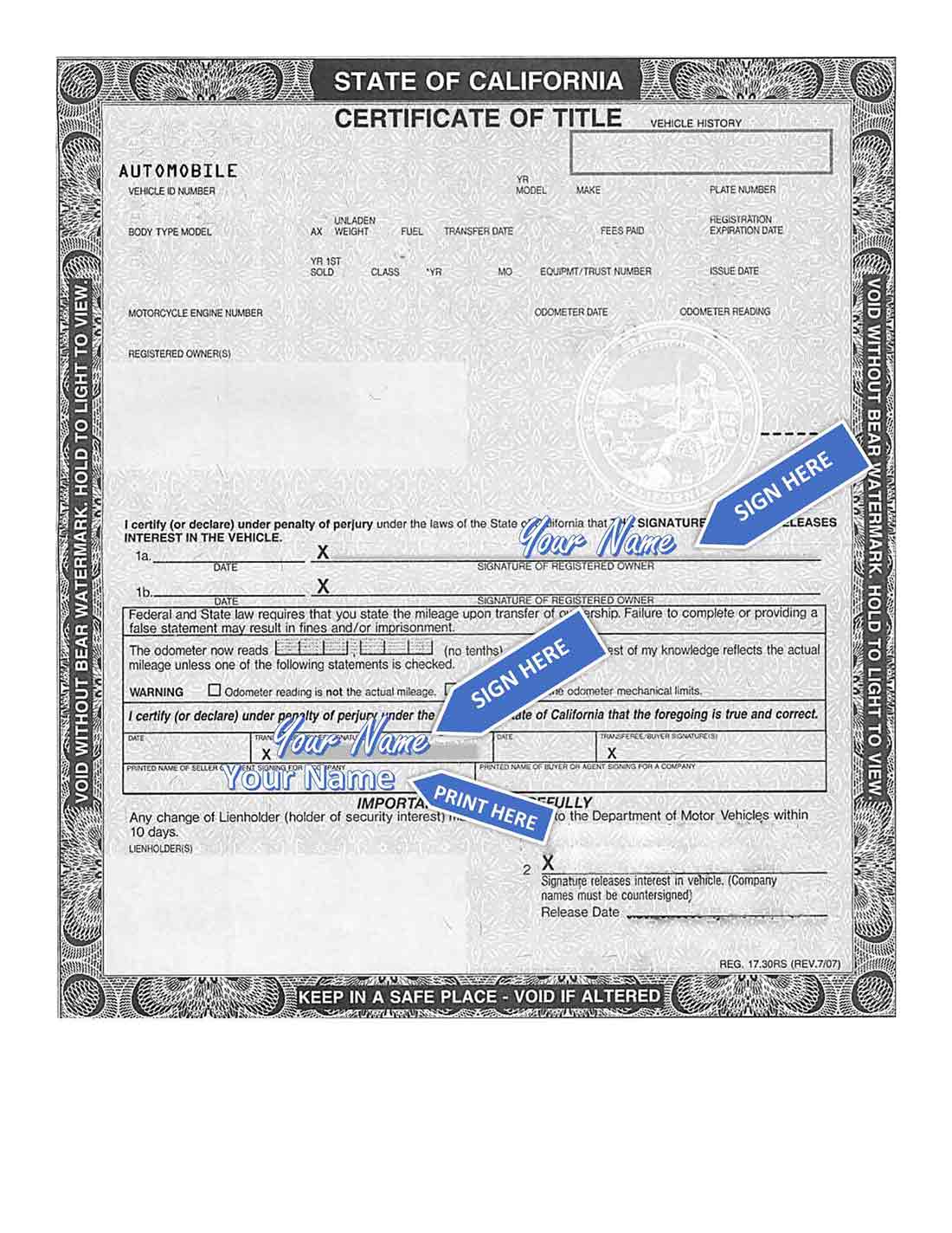
The foundation of any car sale in California is a complete and accurate set of documents. Without these, the transaction cannot proceed legally. The most crucial item is the vehicle’s title, often referred to as the “pink slip.” This document proves ownership and must be free of liens (meaning you’ve fully paid off any loans on the car). If you still have a loan, you’ll need to coordinate with your lender to obtain the title or have them release the lien upon sale.
In addition to the title, gather your current registration certificate and any service records or maintenance logs. These records not only demonstrate diligent care of the vehicle but can also justify a higher asking price by providing a transparent history. The California Department of Motor Vehicles (DMV) website is an invaluable resource for understanding specific document requirements and ensuring everything is in order. Having all these papers neatly organized in a folder will present you as a serious and trustworthy seller, aligning with the meticulous planning often associated with successful travel and accommodation bookings.
Enhancing Your Car’s Appeal
First impressions matter, especially when selling a car in a competitive market like California. Think of it like preparing a hotel suite for a discerning guest; every detail counts. A clean, well-maintained car not only looks better but also suggests it has been cared for, increasing its perceived value. Start with a thorough cleaning, both inside and out. This includes vacuuming the interior, cleaning upholstery, wiping down surfaces, washing windows, and a complete exterior wash and wax. Consider a professional detailing service if your budget allows; the investment often pays off in a higher sale price.
Beyond aesthetics, address any minor repairs that are cost-effective to fix. Small dents, scratches, or non-functional lights can deter buyers or give them leverage to negotiate down the price. Ensure all fluids are topped off and tires are properly inflated. While you don’t need to undertake major overhauls, fixing easily noticeable issues demonstrates your commitment to offering a reliable vehicle. A well-presented car makes a statement, much like a stunning photograph of a travel destination or a luxurious resort room, inviting immediate interest and inspiring confidence in its quality for future road trips or daily commutes across the state.

The All-Important California Smog Check
One of the most distinctive aspects of selling a car in California is the mandatory smog check. With very few exceptions (such as diesel vehicles newer than model year 1998, natural gas vehicles over 14,000 lbs, motorcycles, or electric vehicles), the seller is responsible for providing a valid smog certificate to the buyer. This certificate must be issued within 90 days of the sale date.
A smog check is an inspection of your vehicle’s emission control system to ensure it meets California’s strict environmental standards. You can obtain one at any STAR-certified smog check station. It’s advisable to get this done before you list the car for sale. If your car fails, you’ll need to make the necessary repairs before you can obtain a certificate. Having a current smog certificate readily available simplifies the transaction and removes a significant hurdle for potential buyers, making your car much more attractive in the bustling California market, where environmental consciousness is a part of the lifestyle.
Navigating the California Car Market: Where and How to Sell
Once your car is prepped and paperwork is in order, the next step is deciding how and where to sell it. California’s diverse market offers several avenues, each with its own advantages, catering to different seller preferences and timelines. Your choice might depend on how quickly you need to sell, your comfort level with negotiation, and your desired profit margin, much like choosing between a spontaneous travel experience or a meticulously planned itinerary.
Private Sale: Maximizing Your Return
Selling your car privately typically yields the highest profit. This method involves directly marketing your vehicle to individual buyers. It requires more effort on your part, including creating compelling advertisements, communicating with potential buyers, arranging test drives, and handling all the paperwork. However, the reward is often a significantly better price than you would receive from a dealership trade-in.
Popular platforms for private sales in California include online marketplaces like Craigslist, Facebook Marketplace, and specialized automotive websites. When creating your listing, be thorough. Include high-quality photos from various angles, a detailed description of the car’s features, mileage, condition, and any recent maintenance. Be transparent about any minor flaws, as honesty builds trust. When meeting potential buyers for test drives, always prioritize safety: meet in public, well-lit places, and consider bringing a friend. This method offers the most control, appealing to those who prefer a hands-on approach to their finances and lifestyle decisions, whether it’s for funding future travel or a move to new accommodation.
Dealership Trade-In or Direct Sale: The Convenience Factor
For those who prioritize convenience and speed, selling or trading in your car to a dealership is an excellent option. While you might not get the absolute top dollar compared to a private sale, the process is far less involved. Dealerships handle all the paperwork, and you can often complete the transaction in a single visit. This is particularly appealing if you’re trading up to a new vehicle, as the trade-in value can reduce the sales tax on your new purchase.
Many dealerships in California are also willing to buy cars outright, even if you’re not purchasing a vehicle from them. This can be a quick way to convert your car into cash, freeing up funds for a last-minute luxury trip to Napa Valley, a stay at a charming resort, or even a long-term apartment rental in San Francisco. The primary downside is that dealerships need to make a profit, so their offer will naturally be lower than what you might achieve in a private sale. However, the time saved and the elimination of hassle can make this a very attractive proposition for busy individuals or those looking to quickly pivot their lifestyle.
Online Car Retailers and Auctions
The digital age has introduced several innovative ways to sell a car, offering a blend of convenience and competitive pricing. Companies like Carvana and Vroom provide instant online offers for your vehicle. You simply input your car’s details, receive a quote, and if you accept, they’ll arrange to pick up the car and pay you directly. This method is incredibly convenient, often removing the need for negotiation or extensive prep work, and is perfect for those seeking a modern, streamlined process, much like booking travel or accommodation online.
Alternatively, you could explore local car auction houses in California. While auctions can be unpredictable, they offer the potential for a quick sale, especially if your car is unique or in high demand. However, there are usually fees associated with selling through an auction, and the final sale price is not guaranteed. These options cater to different preferences, whether you’re looking for the instant gratification of a digital sale or the competitive thrill of an auction, reflecting the diverse lifestyles and choices available in the Golden State.
Sealing the Deal: The Transaction and Legalities
Once you’ve found a buyer and settled on a price, the final stage involves the actual transaction and the critical legal paperwork. This is where attention to detail is paramount to ensure a smooth transfer of ownership and protect yourself from future liability. California’s regulations are specific, and following them precisely is essential, much like adhering to immigration rules when traveling internationally.
Pricing Your Car Competitively
Setting the right price is crucial for attracting buyers and ensuring a timely sale. Overpricing will deter interest, while underpricing means leaving money on the table. Start by researching the market value of similar cars in your area using reputable online tools like Kelley Blue Book and Edmunds. These resources provide estimates based on your car’s make, model, year, mileage, condition, and optional features.
Consider local factors in California. A convertible might fetch a better price in Santa Monica than in a colder climate, for instance. Factor in the cost of your recent repairs and upgrades, as well as the value of a current smog certificate. Be prepared to negotiate, especially in a private sale. Most buyers expect some wiggle room, so pricing your car slightly above your minimum acceptable price can be a smart strategy. This competitive pricing approach also reflects the smart budgeting often required for memorable travel experiences or securing ideal accommodation.
The Negotiation Process
Negotiation is an art, and it’s an expected part of selling a car. When discussing price with potential buyers, be firm but polite. Highlight your car’s strengths, maintenance history, and any unique features that add value. Be honest about any known issues. If a buyer points out a flaw, be prepared to acknowledge it and explain how it has been factored into your pricing.
During test drives, always accompany the buyer. Set clear boundaries and ensure they have a valid driver’s license and insurance. Never leave them alone with the car. Trust your instincts; if something feels off, politely decline to proceed. A successful negotiation results in a fair price for both parties and sets the stage for a positive final transaction, much like a well-negotiated tour package can enhance a travel experience.
Completing the Paperwork: The Official Transfer
This is the most critical step to ensure you are legally absolved of responsibility for the vehicle. In California, you will need to:
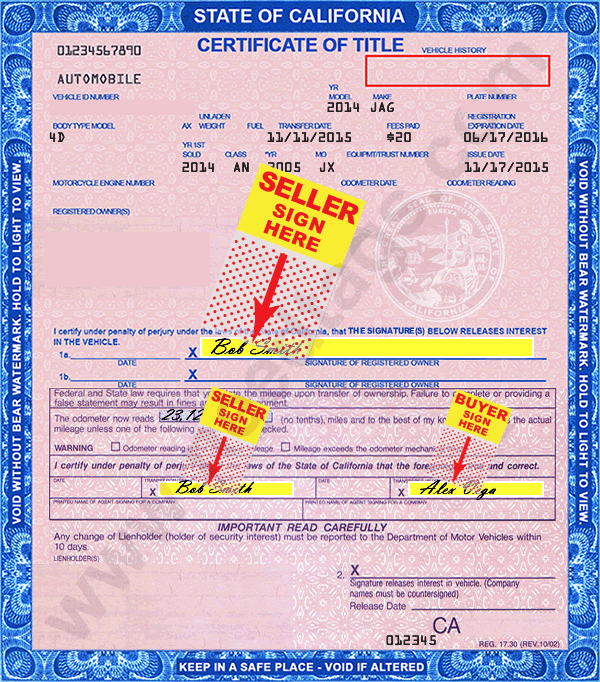
- Sign the Vehicle’s Title: On the back of the title certificate, locate the “Seller” section. You will need to sign and print your name, and potentially fill in the odometer reading. The buyer will also sign in the “Buyer” section. Ensure all fields are correctly completed, as errors can cause delays at the DMV.
- Provide a Bill of Sale: While not strictly required by the DMV for title transfer, a Bill of Sale is highly recommended for your protection. It’s a simple document stating the vehicle’s make, model, VIN, sale price, date of sale, and signatures of both buyer and seller. Keep a copy for your records. This serves as proof of the transaction and protects you if any disputes arise later, similar to keeping travel itineraries or hotel booking confirmations.
- Complete a Notice of Transfer and Release of Liability (NRL): This is perhaps the most important document for the seller. You must fill out and submit form REG 138 to the California DMV within 5 days of the sale date. This notifies the DMV that you are no longer the owner and releases you from liability for any parking tickets, accidents, or other violations incurred by the buyer after the sale. You can submit this online via the DMV website, which is the quickest and most reliable method.
Ensure you collect the agreed-upon payment in a secure manner, preferably through a cashier’s check or a secure electronic transfer, avoiding large sums of cash. Never hand over the keys and title until you have verified the funds.
Post-Sale Essentials and Embracing New Adventures
Once the car is sold and the paperwork submitted, there are a few final administrative steps to take. More importantly, it’s time to consider how this transaction can open up new possibilities for your lifestyle and travel experiences in and beyond California.
Notifying Your Insurance Provider
As soon as the sale is complete and you’ve submitted your NRL to the DMV, contact your car insurance company. Inform them that you’ve sold the vehicle and wish to cancel or modify your policy. This prevents you from paying for insurance on a car you no longer own and ensures you are fully released from any potential liability. If you’re purchasing a new car, you can often transfer your existing policy or get a new one tailored to your new vehicle. This step is crucial for financial responsibility, much like securing comprehensive travel insurance before embarking on an international trip.
Reinvesting Your Earnings: Travel and Lifestyle Opportunities
Selling your car, especially if it was a significant asset, can provide a substantial infusion of funds. This opens up a world of possibilities, directly aligning with the core themes of travel, accommodation, and lifestyle that define living in or visiting California.
Consider how this newfound capital can enhance your life:
- Dream Vacations: Put the money towards that long-awaited trip. Imagine exploring the majestic beauty of Yosemite National Park, driving (or being driven) along the iconic Pacific Coast Highway from San Francisco to San Diego, or indulging in a luxurious getaway to Palm Springs or Lake Tahoe. You could book a stay at a world-class resort, choose a charming boutique hotel, or even explore unique long-term accommodation options in a new city.
- Enhanced Local Exploration: If you’re staying in California and opting for public transport or ride-sharing, the funds could support more frequent and diverse local adventures. Explore the vibrant culture of Los Angeles, visit the iconic Golden Gate Bridge, or enjoy a family trip to Disneyland in Anaheim. Your ability to experience California’s attractions is no longer tied to car ownership, but rather to flexible transportation solutions.
- Lifestyle Changes: Selling a car might signify a shift towards a more minimalist lifestyle, or moving to a city where car ownership is less essential. This could mean investing in new hobbies, educational opportunities, or simply building a savings cushion. It could also facilitate a move to different accommodation, perhaps an apartment in a walkable urban center or a villa closer to a favorite landmark. The freedom from car payments, insurance, and maintenance costs can significantly impact your monthly budget, freeing up resources for experiences over material possessions.
By successfully selling your car, you’re not just completing a transaction; you’re opening the door to new chapters, allowing for more flexible travel planning, the discovery of new destinations, and a richer, more diverse California lifestyle.
Selling a car in California doesn’t have to be a daunting task. By meticulously preparing your vehicle, understanding the various sales avenues, diligently handling the legal paperwork, and promptly notifying relevant authorities, you can ensure a smooth and successful transaction. More than just a financial exchange, selling your car can be a pivotal moment, freeing up resources and mental space for new adventures, whether that involves exploring the stunning natural beauty of California, indulging in luxurious hotel stays, or simply embracing a new, more flexible lifestyle. Embrace the process, and look forward to the exciting opportunities that await you on the open road – or off it.