
Embarking on a new lifestyle journey often involves significant transitions, and for many in the Golden State, that includes evaluating their relationship with their vehicle. Selling your car in California isn’t merely a transaction; it can be a pivotal step towards financial freedom, sustainable living, or the funding of exciting new adventures. Whether you’re planning an extended period of budget travel, embracing a minimalist urban existence, or simply seeking to declutter your life, understanding the intricacies of the California car market is essential. This guide will walk you through the process, framing each step as an opportunity to reshape your lifestyle and pave the way for your next chapter.
Embracing a New Chapter: Why Selling Your Car in California Can Transform Your Lifestyle
For many, a car represents independence, but it also comes with a significant financial and environmental footprint. In a state like California, renowned for its diverse landscapes and bustling cities, reassessing your vehicle ownership can unlock new possibilities. The decision to sell your car might be driven by a desire to explore alternative transportation in vibrant urban centers like San Francisco or Los Angeles, where public transit, ride-sharing, and cycling are increasingly viable options. It could also be the strategic move to free up capital for an ambitious travel plan – perhaps a road trip through Yosemite National Park (before going car-free) or an international exploration funded by the sale proceeds.
Consider the lifestyle benefits:
- Financial Liberation: Eliminating car payments, insurance premiums, fuel costs, maintenance, and parking fees can significantly boost your disposable income, opening doors for investments, experiences, or even early retirement. This newfound financial flexibility is a cornerstone of many budget travel strategies.
- Environmental Impact: Reducing your carbon footprint aligns with a growing global consciousness towards sustainable living. California is a leader in environmental initiatives, and contributing to cleaner air in cities like San Diego can be a rewarding personal choice.
- Simplicity and Minimalism: A car-free lifestyle often leads to a more minimalist approach to possessions and commitments, reducing stress and allowing you to focus on experiences rather than material upkeep.
- Enhanced Urban Experience: Living without a car in cities like Santa Monica can encourage walking, cycling, and using public transport, leading to a deeper engagement with your local community and a healthier daily routine.
This fundamental shift begins with understanding how to navigate the practicalities of selling your vehicle in California.
Understanding California’s Unique Regulations
California has some of the most stringent regulations for vehicle sales in the United States, primarily due to its commitment to environmental protection. Before you even think about advertising your car, you must be aware of the state’s specific requirements. These regulations, while sometimes seeming complex, are designed to protect both buyers and sellers, ensuring transparency and environmental compliance. Overlooking any of these steps can lead to delays, fines, or even legal complications, potentially derailing your lifestyle transformation plans.
The most notable requirement is the Smog Certification. With few exceptions (e.g., diesel vehicles produced before 1998, natural gas vehicles over 14,000 lbs GVWR, electric vehicles, motorcycles, and gasoline vehicles model year 1975 and older), most vehicles must pass a smog inspection within 90 days of the sale. As the seller, it is generally your responsibility to provide a valid smog certificate to the buyer. This upfront investment ensures the vehicle meets air quality standards, a crucial aspect of living in California. Neglecting this step can significantly complicate the sale, as the buyer cannot register the vehicle without it.
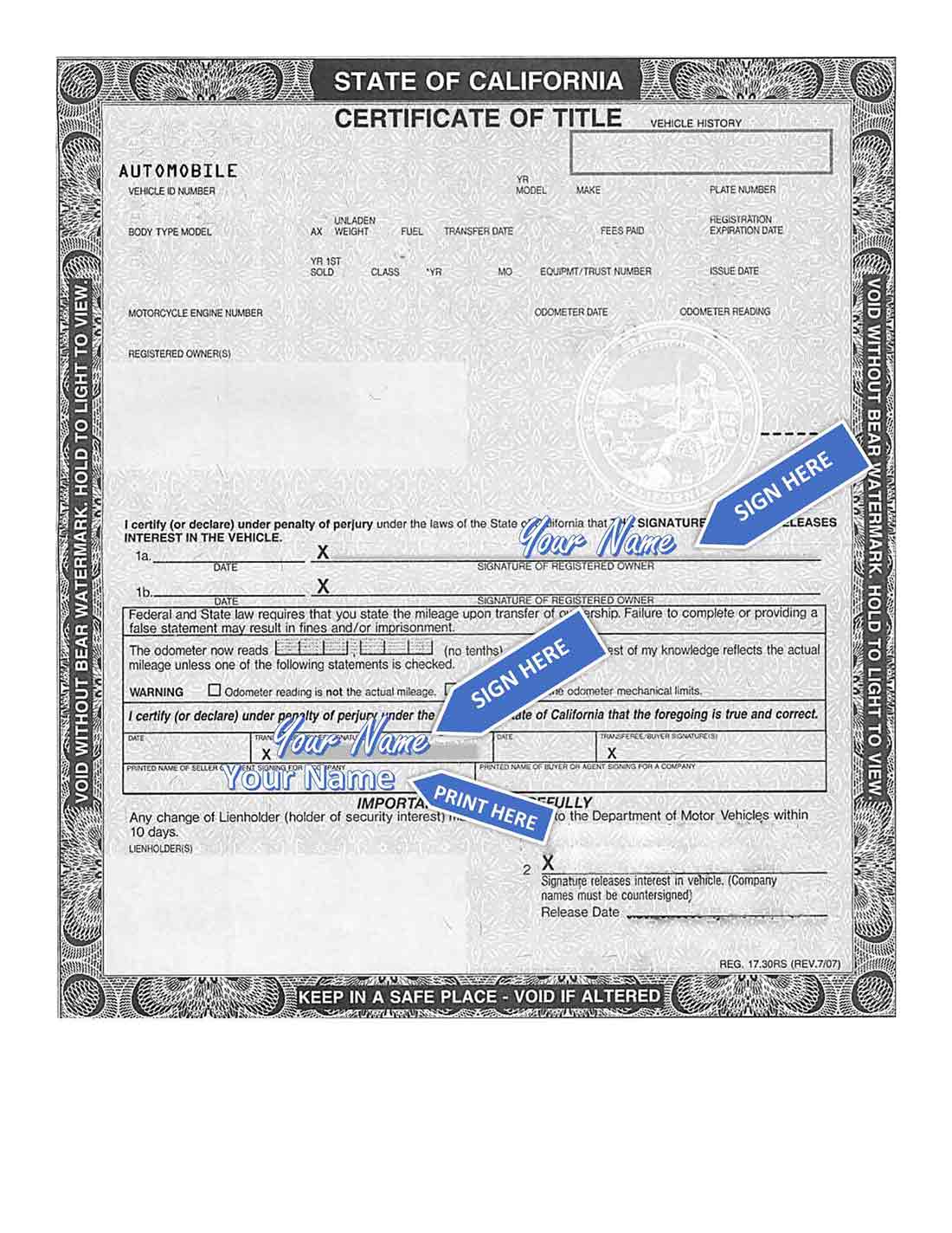
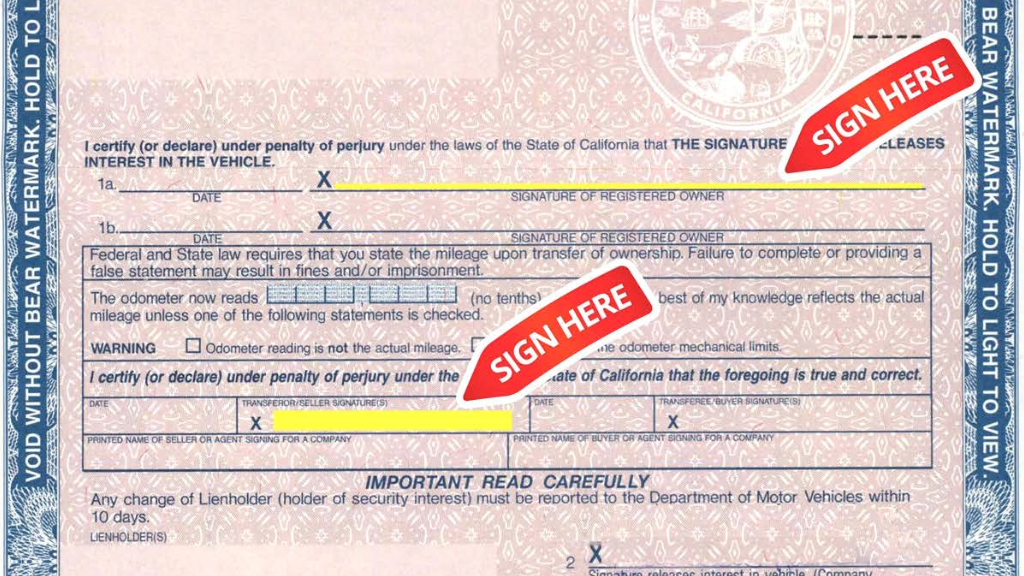
Another critical document is the Title (Pink Slip). This document proves ownership and must be signed over to the new owner. Ensure your title is free of any liens (e.g., from a car loan). If you have a loan, you’ll need to contact your lender to understand the process for selling a vehicle with an outstanding balance. This might involve the buyer paying the lender directly or you paying off the loan before the sale is finalized.
Finally, you must file a Notice of Transfer and Release of Liability (NRL) with the California Department of Motor Vehicles (DMV) within five days of selling your car. This crucial step protects you from liability for parking tickets or accidents incurred by the new owner after the sale. It’s a simple online form, but its importance cannot be overstated for your peace of mind as you transition to your new lifestyle.
Navigating the California Market: Essential Steps for a Smooth Sale
Once you understand the regulatory landscape, the next phase involves preparing your vehicle for sale and effectively marketing it. This is where strategic thinking can make a significant difference in how quickly and profitably you can transition to your desired lifestyle.
Preparing Your Vehicle for Sale
First impressions matter, especially in a competitive market like California. A well-presented car attracts more serious buyers and can command a higher price, accelerating your path to lifestyle freedom.
- Detailing and Minor Repairs: Give your car a thorough wash, wax, and interior cleaning. Remove all personal belongings. Consider professional detailing if your budget allows; it often pays for itself. Address any minor, inexpensive repairs (e.g., changing wiper blades, replacing a burned-out bulb) that could deter a buyer. However, avoid costly repairs unless they significantly impact the car’s value or safety. The goal is to make the car presentable and reliable, not showroom new.
- Gathering Documentation: Organize all your paperwork: the vehicle title, smog certificate, maintenance records, and owner’s manual. Having these readily available demonstrates transparency and builds buyer confidence. This meticulous preparation mirrors the careful planning often required for significant lifestyle changes, like extensive travel.
- Pricing Strategically: Research comparable vehicles in your area on platforms like Kelley Blue Book (KBB), Edmunds, and local online marketplaces. Factor in your car’s condition, mileage, features, and the time of year. Price competitively but leave room for negotiation. A fair price ensures a quicker sale, getting you closer to your new chapter sooner.

Marketing Your Car Effectively
In a state as vast and diverse as California, effective marketing is key to reaching the right buyer.
- High-Quality Photos: Take clear, well-lit photos from multiple angles, including interior shots and any unique features. Showcase the car’s best attributes. People are highly visual, and good photos will stop scrollers.
- Compelling Description: Write an honest and detailed description of your car. Include mileage, year, make, model, trim, features, maintenance history, and why you’re selling (e.g., “transitioning to a car-free urban lifestyle,” “funding a dream trip to Lake Tahoe“). Highlight any recent maintenance or upgrades.
- Choosing Your Sales Channel:
- Online Marketplaces: Websites like Craigslist, Facebook Marketplace, AutoTrader, and CarGurus are popular in California. They offer wide reach but require you to manage inquiries and showings.
- Dealership Trade-in/Cash Offer: While often less profitable, selling to a dealership can be the quickest and easiest option, especially if you prioritize speed for your lifestyle transition. Many dealerships in major cities like Hollywood offer instant cash offers.
- Car Buying Services: Companies like CarMax or Vroom offer convenience and quick transactions, providing competitive offers without the hassle of private sales.
- “For Sale” Sign: A simple “For Sale” sign in your car window can still be effective in local communities.
Maximizing Your Return: Financial Strategies for Lifestyle Freedom
The funds generated from your car sale can be a powerful catalyst for your lifestyle transformation. Maximizing your return means not only getting the best price for your vehicle but also managing the proceeds wisely.
Negotiating and Closing the Deal
When buyers express interest, be prepared to negotiate. Be firm but polite, and always prioritize safety during test drives (accompany the buyer).
- Meeting Buyers Safely: Always meet in a public, well-lit place. Inform a friend or family member of your plans. For test drives, ask for proof of insurance and a valid driver’s license.
- Negotiation: Be prepared for buyers to offer less than your asking price. Have a minimum price in mind and stick to it. Highlight the car’s value and the thorough preparation you’ve done (e.g., “It comes with a fresh smog certificate and all maintenance records”).
- Payment: Accept secure forms of payment, such as a cashier’s check from a reputable bank (verify it with the bank), an electronic transfer directly to your account, or cash. Avoid personal checks.
- Paperwork: Once a price is agreed upon, accurately complete the Bill of Sale, including the sale price, mileage, date, and signatures of both parties. Sign the vehicle title over to the buyer. Ensure the buyer understands their responsibility to register the vehicle with the DMV. Immediately file your Notice of Transfer and Release of Liability. These final steps are crucial for a clean break, allowing you to fully embrace your car-free or travel-focused lifestyle.
Investing Your Sales Proceeds
The money you receive from your car sale is more than just cash; it’s a resource for your desired lifestyle.
- Fund Your Travels: If your goal is to travel, allocate the funds to your travel budget. This could cover flights, accommodation, or experiences in destinations you’ve always dreamed of, whether it’s exploring the majestic Golden Gate Bridge on foot or embarking on a long-term backpacking adventure.
- Boost Your Savings: For those aiming for greater financial security or early retirement, depositing the proceeds into a high-yield savings account or investment portfolio can accelerate your goals.
- Invest in a New Skill or Business: Perhaps you’re transitioning careers or starting a side hustle. The capital from your car sale could fund courses, equipment, or initial operating costs, facilitating your career and lifestyle shift.
- Emergency Fund: Strengthen your emergency fund, providing a crucial safety net as you navigate new lifestyle choices.
Beyond the Sale: What Your Car-Free California Lifestyle Looks Like
With the sale complete and the paperwork filed, you’ve officially detached from vehicle ownership. This marks the true beginning of your new California lifestyle. The absence of a car can dramatically alter your daily routines and perspectives, especially in diverse urban environments or if you choose to pursue extensive travel.
In cities like San Francisco or Los Angeles, you might discover the efficiency and community of public transportation systems, often enhanced by scenic routes and historical landmarks. Instead of sitting in traffic, you might find yourself reading a book, catching up on emails, or simply enjoying the views. The vast network of buses, trains, and light rail in California’s major metropolitan areas can be surprisingly liberating.
For those embracing digital nomadism or long-term travel, the car sale provides not just financial backing but also a psychological release. No more worries about parking, maintenance, or registration fees while you’re exploring distant lands. The freedom to pick up and go, unburdened by a stationary asset, is a core tenet of this kind of lifestyle. Imagine the excitement of using the car sale money to book a flight to a new continent, knowing you’ve simplified your life and maximized your resources for experience.
Moreover, the funds might be allocated to alternative forms of localized transportation. Perhaps a high-end electric bicycle for daily commutes, or an annual pass for ride-sharing services that offer flexibility without ownership headaches. These choices align with a more intentional, experience-driven existence, where convenience and sustainability often take precedence over traditional ownership.
Selling your car in California is more than just a transaction; it’s a declaration of intent. It’s a statement that you are ready to embrace a new way of living, whether that involves more travel, a more minimalist urban existence, or a greater sense of financial freedom. By meticulously following the legal requirements and strategically preparing your vehicle for sale, you can ensure a smooth transition and unlock the full potential of your lifestyle transformation. This journey, from car owner to car-free or travel-funded individual, is an exciting one, full of new discoveries and broadened horizons.
LifeOutOfTheBox is a participant in the Amazon Services LLC Associates Program, an affiliate advertising program designed to provide a means for sites to earn advertising fees by advertising and linking to Amazon.com. Amazon, the Amazon logo, AmazonSupply, and the AmazonSupply logo are trademarks of Amazon.com, Inc. or its affiliates. As an Amazon Associate we earn affiliate commissions from qualifying purchases.